 AVKRVSTThe Approbation
‹ Back to Episodes
December 26, 2023
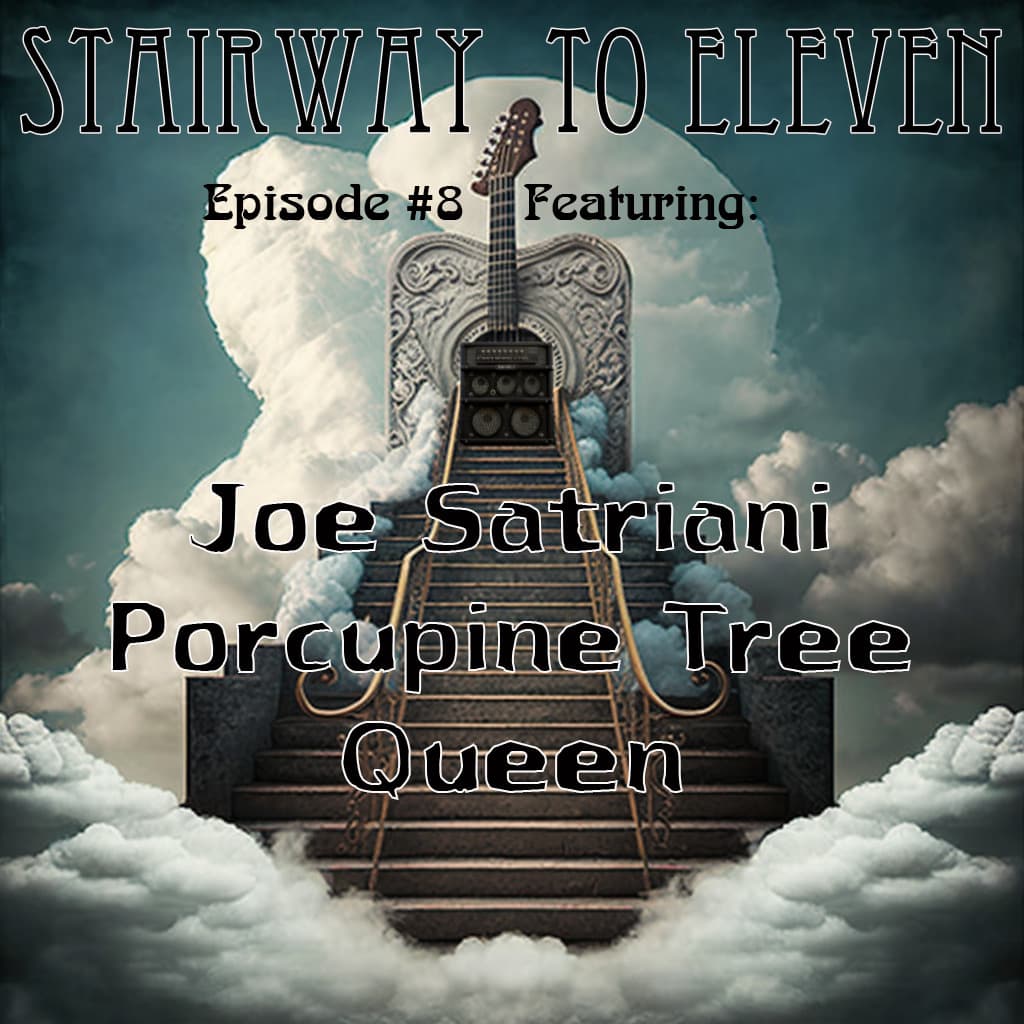
Episode #8Stairway to Eleven Episode #8: Joe Satriani, Porcupine Tree, Queen
December 26, 2023 ◷ 2:53:31
In this episode of the Stairway to Eleven podcast, the hosts dive into the realms of instrumental virtuosity, progressive rock, and legendary anthems as they explore three seminal albums: Joe Satriani's "Surfing with the Alien," Porcupine Tree's "Stupid Dream," and Queen's "Innuendo." From Satriani's mind-bending guitar solos to Porcupine Tree's atmospheric and introspective journey, and Queen's grandiose musical tapestry, the hosts unravel the unique threads that make each album a standout in its genre.
8Albums Mentioned in This Episode
View Albums
Albums Mentioned in This Episode
View AlbumsOur AI is a real Trooper (Up the Irons!) but it still doesn't get everything right. So please excuse any missing or incorrect items.
#ArtworkArtistAlbumYou Must Listen
AVKRVSTThe Approbation Crown LandsFearless

 David BowieBlackstar
 Devin Townsend ProjectEpicloud
 Fires in the DistanceAir Not Meant for Us
 Ice AgeWaves of Loss and Power
 IonsCounterintuitive
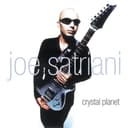 Joe SatrianiCrystal Planet
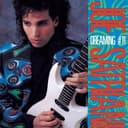 Joe SatrianiDreaming #11
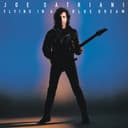 Joe SatrianiFlying in a Blue Dream
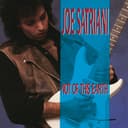 Joe SatrianiNot of This Earth
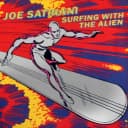 Joe SatrianiSurfing with the Alien
 Ozric TentaclesLotus Unfolding
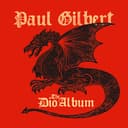 Paul GilbertThe Dio Album
 Peter Gabrieli/o
 Pil & BueSpecial Agents
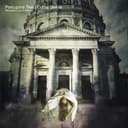 Porcupine TreeComa Divine
 Porcupine TreeDeadwing
 Porcupine TreeFear of a Blank Planet
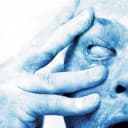 Porcupine TreeIn Absentia
 Porcupine TreeLightbulb Sun
 Porcupine TreeRecordings
 Porcupine TreeSignify
 Porcupine TreeStupid Dream
 Porcupine TreeThe Sky Moves Sideways
 Porcupine TreeUp the Downstair
 QueenA Kind of Magic
 QueenA Night at the Opera
 QueenInnuendo


 QueenJazz
 RiversideID.Entity
 SorcererReign of the Reaper
 Steve HackettFoxtrot at Fifty + Hackett Highlights: Live in Brighton
 The OceanHolocene
 The Smashing PumpkinsATUM
 The Smashing PumpkinsMellon Collie and the Infinite Sadness
 Wytch HazelIV: Sacrament
Spotify Playlist
● Open SpotifyA bug in Safari prevents playing full songs, please use Chrome.
Transcript
View TranscriptDownload Transcript ⇩
Transcript
View TranscriptDownload Transcript ⇩ⓘ This transcript may contain errors. Please don’t quote it in your yearbook.
There's a podcast that's sure all that rocks hard is gold. And they're climbing the stairway to 11. When they get to there they know the record stores are all closed. But online they can get what they came for.
And they're streaming the Stairway to 11.
Hello and welcome to Stairway to 11.
This is episode 8, our last of 2023.
Hey guys, how you doing?
Hi, I'm John.
I'm TR.
Today we have three more albums for you.
And TR is going to start us off.
Well, gentlemen, this first album is an album that is an instrumental album. And this is our first, I think, instrumental album that we've taken on. And so this is Joe Satriani, Surfing with the Alien, released in October 15, 1987. This is the second full-length album by Joe, but it's such a leap, both sonically and from a songwriting perspective, that it feels like his first proper album.
For those unfamiliar, Joe Satriani is primarily known as an instrumental guitarist, a highly technical player, who also served as a teacher to Kirk Hammett of Metallica and Steve Vai. Satriani redefined the genre with this landmark album. Prior to this, instrumental guitar albums were novelties and not really something artists saw as a meaningful career. Joe's EP and first album were quirky and somewhat experimental in places. This album feels like a more proper
rock album with a cool diversity of tones moods and styles epic themes and melodies and jubilant shredding that any fan of guitar would love I remember the first time my buddy Scott Holmes played this album on cassette on his boombox for me in college in 1988 I was blown away because other than Eddie Van Halen nobody was playing the guitar this ferociously and so began a fandom that now spans over 30 years of my life
that as an instrumental album, the lyrics will never let the song down, nor will the vocals. Yeah. So not yet. Oh, don't even go there. Oh, not yet. Not yet. Wait for it. Wait for it. I like that big bad moon. Love the music. Yep. All right. Comments. All right. So for me, Surfing with the Alien was the first instrumental rock album that I ever
And when this album came out, it was right around when I first picked up a guitar and learned to play. This is one of the albums that inspired me to pick up the guitar. Also one that inspired me to put it back down. Listening to this album made me want to just throw it down and quit because I saw the future and it was people like Satch. I didn't think I could ever compare with this kind of playing. And years later, I'm proud to be able to say I was correct.
came by a few years later and helped me feel validated again.
Right. So I was familiar with solo guitarist albums or virtuoso albums with no singing. And I'm not even a guitar player, but I was already a Jeff Beck fan. So I already knew some of his stuff. So the idea of a instrumental guitarist wasn't necessarily new to me, nor was it a novelty.
But I wasn't that much further ahead because like Tiara said, there weren't that many out there that you'd grab. They were there, but they were a lot of 70s acts that I wasn't really familiar with. But in terms of what you're talking about, Tiara, I agree. There wasn't anyone that was playing like this. So I first heard of Joe Satriani in my friend's house. We used to be in a band together and there was one of us that was still in, I think he was a senior in high school.
When I heard this, I would have been, what were we then, Tia? Are we freshmen or are we sophomores when this came out in college? Second years. Yeah. So I was over at his house and he said, you got to check out, if you heard Joe Satrani and our other friend, Chris was there and they were like, you got to hear this. This guy's amazing. I said, who is this guy? Never heard him. And I was driving down Lincoln Boulevard in San Francisco, heading back to school because I went to school in San Francisco and it was on KRQR.
97.3.
The Rocker.
And this came on and I'm driving and literally almost drove off the road.
I was just like, what am I listening to?
And it was surfing with the alien.
And from then, and this is right when the album came out in 1987.
So I had been not just a fan, but a devoted fan right from the very beginning.
For someone who doesn't play guitar, there's not many of us that go to his shows. They're usually girlfriends or wives. Yeah, that's true. Yeah, because most of the audiences are guitar players. Now, if you go to a Steve Vai show. That's a lot of pressure. Yeah. If you go to a Steve Vai show, you'll have a mix of people because he always has just superior bands than anyone else when he plays live. He just, I mean, the drummers are great. The bass players are amazing. Not that Joe Satriani hasn't.
But if I go to Steve Weiss show, I'm not going to see him. I'm going to see Virgil Donati on drums. You know, no offense. So with all that said, real quick, this isn't going to spoil anything. It's probably my favorite Satriani album. Other than Crystal Planet. It depends on which one I'm listening to that day. But in the end, it's a nether of my Desert Island discs, which we seem to be knocking off a lot so far. Yeah. This podcast. So I won't waste any more time with my blabbering about it because I could go on forever.
Das ist der Film mit der Alien. So Joe
has a pretty active imagination and many of his songs are about weird or crazy ideas like meeting
an alien and going surfing with them for the day. This song definitely sets the tone of the album. It rocks, shreds, and has a cool whooshing sounds that
make you feel like you're surfing through space. So the outro has a crazy technique that I had never heard on guitar before. And I remember finally seeing him play it live and gaining a little understanding of how he did it. The song inspired a production manager at Relativity Records to suggest using Marvel's Silver Surfer as the cover image. They secured the rights to it and the bold, iconic image, and I think it was a perfect fit. It was. It really was. And I didn't realize that the
The usage ran out a few years back and they switched the cover up because now it's like a couple of years ago. It's just like a neck of a guitar like that. Yeah, I'm like, that's not as cool, but it isn't. But it's got too costly, basically. Of course, they couldn't come to terms with Marvel on it and they basically just let it run out. Yeah, well, this song rocks. It's got a killer groove. And of course, that guitar player guy into shabby either drum machine. What drum machine? Who cares? Do you hear this soloing? Wow. Is that really all
we have so far for one of the most iconic guitar songs ever in surfing with the alien hey i was just setting you up man the drummer's the one who's gotta come in yeah it's been a rough week that's right it was a drum machine on this one well well jeff campitelli did play some drums there was one like one song i think yeah and there's another and he had like accents there were like different percussive accents but it's drum programming him in another it's another
Well, what's his name? Bongo something. I can't remember the guy's name. But yeah, they had to really, because in order for all this stuff to work, to have it be as precise as it is, you really have to be playing to a metronome. And it has to be, you know, it has to be precise. And so that's really kind of the only way they could do it. So my take on this song, it is iconic. It's one of his signature songs.
which you're gonna hear a lot on this album this is one of his signature songs I'll come up a few times but I would have to say in the pantheon of Joe Satriani songs this is in his top five there's no question I don't think about it and probably his biggest song outside of maybe summer song I think in his career yeah probably debatable with other people but I can't think of two other songs people wouldn't think of immediately when they think of him and I agree it's just mind-bending what he's doing and it's opening track
Like Tara mentioned, there's this swooshing sound that starts, which sounds like the silver surfer in space just zipping by you. And then it just absolutely explodes. And I don't think if you weren't there, I don't think you could almost have a hard time imagining what that was like when all the rock you were listening to was blues-based rock. You know, and of course there was Eddie Van Halen who was doing that, but everything that was so big and famous at that time.
with some of blues bass. There was metal, of course, but we're talking now just for rock. And this guy came in and just blew doors. And it was unreal. I guess I don't have as much to say as I wanted to. There you go. Shut your mouth. But it is the gold standard, I think, for instrumental, virtuous, hard rock guitar. He's not the only one, but he is one of the ones. And I will say one thing, and I'll say this once, and then for whoever listens, I want to say it.
I don't want to say that. And I'm sure this is going to come up again, but to all you YouTubers out there who don't know much about him, who've been trashing him lately, because he couldn't play the intro. Well, he could play. He didn't play it the way Eddie Van Halen played it. The intro to Main Street when he was on Stern's show. Yeah, Stern. When he didn't even have a chance to practice with the band, he literally just showed up and did it on the spot. To all you great guitarists out there.
house. Because if you can do it, be quiet. You're in your mom's basement. You're 35. You still don't have a job, but you got a YouTube channel. You do the math, my friends. So I, it's one of the, I have never been so bad for a story of music to hear people trashing him. This guy, you only mentioned two guitarists. He trained TR. Yeah. He taught a lot of guitarists. Oh yeah. There's a whole fleet of them. I just, Larry LaLonde. Larry LaLonde. Yeah. The guy from the Counting Crows.
Oh, really? Wow. Yes. And there's one other thrash guitarist that he also did in the Bay Area. I can't think of it off the top of my head. It's not like he's some chump off the streets. So. No, he's the man. He's one of them. I mean, Steve Vai is considered one of the greatest, what, technical guitar players, wouldn't you say? Yeah, but he was taught by Joe, so. Exactly. He's automatically a peg down. Well, but he did play with Zappos. That kind of moves him up a little because to play guitar,
for example you had to be good well and he was labeled as stunt guitarist on many of those albums
yeah anyway hey joe where you going with that guitar in your hand that's right there you go
okay so the next song is called ice nine named after a chemical in kurt vonnegut's cat's cradle
that unintentionally turns the earth into a ball of ice this song has some searing solos and just wild
sounds that kind of reminded me of the scene in back to the future where marty mcfly plays the
set to his dad and close his ears away. But that was Eddie. Well, yeah, it was Eddie, actually. There are all kinds of different guitar tones on this from clean, icy, brittle to thick, fat and heavy. It's a tour de force of tone. It's an awesome song. I just said that it has a killer intro groove. Then the lead comes in and it's just dang. It's out of this world. Okay, I know surfing was the last track, but the lead guitar on here is so catchy. I'm like,
Who needs vocals? And that solo at 1 minute 20? Forget about it. Take my guitar away. I'm not worthy. All right. I'll say this a few more times. Another Joe Saturani signature song. And it really is because he still plays this live. It starts out with this mid-pace big riff. It's kind of this very kind of, it's catchy, but it doesn't really get catchy until he starts getting to the verse part of the song where you have a vocalist.
and he's actually playing the verse. You know, with his layered guitars, obviously in the background, his rhythm. It's probably the most metal song on the album, if he even ventures in that area, because of how heavy the riff is. And George, my next note, the soloing, starting at 120, that goes to 150. He has two different sounds in that solo. And the first one is, he's, I can't do guitar shop talk, but the first part of the solo is a little bit more.
and it's a little slower and it's a little i would guess tr you can correct me georgie correct me a thicker sound and then when he gets to the next part of it it sounds more brittle and icy like you were saying yeah and it sounds like he almost flipped guitars like he switched to a second guitar real quick to do this part and it's just brutal it's fast it's in your face it's nasty all the while yeah all the while you got this cool under layered riffing going off for the rhythm guitar
And it's just
It gives it a drive
It's yeah
And it just
Like
It pops
Like yeah
The solos are like searing
Like just like
They cook
But then there's these other times
Where it's just
Yeah
Like that's what I think is so amazing
About this song
Is the different tones
That he gets
And
They all
I'll tell you
Just
The way that this album
Was recorded
First of all
It was done on a shoestring
I mean
They did it for next to nothing
And
But they really, like I read Joe's book, Strange Beautiful Music, and he talks about like how this album, they thought that this would be the last album that they would make. Because, you know, up to that point in time, nothing had really happened with this, you know, his this concept of him being a, you know, instrumental guitarist. And so they wanted to just lay it all out there. And he did.
I mean, like every song is tight. Every song, like you can tell that they just really put a lot of effort into everything to the balance, the tones. Everything's there. And it's shocking when you find out, like, I think that the, I can't remember, I think the budget was like $13,000 or something. He said they ended up tripling it. But even still, like, you know, they were trading, so they were going in at night, they were trading like session time for recording,
time, whatever they could do. He had maxed out all his credit cards and stuff. And, you know, just to like, he was just really putting all his chips on, you know, red. Luckily it came through for him, but yeah, that all the songs on this album, they've got their own mood. They've got their own sound. Yeah. Right. The solo that we were talking about. Sorry, John. You're good. It's almost like they dropped like any kind of reverb or delay or anything.
And it, like I said, it popped because it was just like in your face. There was nothing. It was very crisp and raw and it just stood out. And that just blew my mind first time I heard it and every time since. Yeah. I was going to say just two more quick things and I think you guys will agree. This is probably the best song that was written as an actual song, meaning intro, verse, bridge, chorus, bridge, solo, back to chorus, because you can hear it in all his playing. I mean, it's so melodic.
And even though we're talking about how vicious the song is in parts, it's still a really melodic song when he's playing. And I think this is the best example of why he's been so successful is he's been able to write songs where you can actually hear where someone would be singing in the melody he's playing. That's what makes him unique. Steve Vai is a great guitarist just like him. Steve Vai can't write like Joe Satriani. That's the difference for me. And the last thing I'll say is if you need any more
to find out of her, you know, speaking the word, go listen to this live. He's got it on, I don't know, half a dozen live albums, but the two that you want to listen to is the one, I can't remember, I think it's the one live when he's in France, where he opens with it, I think he opens with it on that one, or is that the one that he had, I can't remember, one of those two, but if you can find Dreaming, 11 EP, listen to that, because it's got the original, the first time they played The Crush of Love, which was a,
single that was released and three live tracks. And I'm saying this part for my brother Rich because he knows what I'm going to say here. And he, at the beginning of the song, he introduces his band. I'm really pleased to have with me tonight. And he mentions Jonathan Moore on drums and Stu Hamm on bass. And then he says to show you how arrogant he was as a person, thanks for coming. My name is Joe. And they just rip in his song.
And do you know for years, Richie and I have, when we were maybe having a drinky poo or two, we'll say, thanks for coming. My name's Joe. We've been saying it for years. That's more of a humble thing, I think. Oh, that's what I'm, yes, I'm being sarcastic. And I've had the pleasure of meeting him one time. He couldn't have been any nicer of a person. Absolutely. So humble. When Flying in the Blue Dream came out,
He came to Ann Arbor to sign at the Record Town in the Briarwood Mall, which was where I got all of my music in the early mid-80s. And me and a buddy went to, you know, go meet him and have him sign our stuff, which would have been cassettes at the time. And the line was like from one end of the mall to the other. And I didn't have the stamina for it. I laughed, but my friend stayed and met him.
It was like an all day kind of thing, you know? Yeah. So. He's a super nice. I mean, when I met him, it was for the Professor Satchit, Satchit, whatever. When that album came out, T.R. knows my good buddy Joe. And I went to see him at Guitar Center in Maryland. And we had to buy tickets and it was like 500 of us. It was a seated event. We took over the whole Guitar Center. And then he literally stood there and shook everyone's hand.
And I talked to him. Wow. Yeah. It was cool. I was like, look, I'm not a guitarist, but I love your music. He just kind of looked at me. I was like, yeah, I'm the one. I'm that guy today. I'm that guy. I'm that guy. Oh, man. Anyway. All right. Well, the next song is called Crushing Day. Although this is about getting through a rough day, it feels more triumphant than that. I like the harmonized leads and the main theme. Like many of the rocking songs on this album, it's got a driving beat that feels
In the liner notes for the 2007 20th anniversary remaster, Joe stated that there were at least eight guitar tracks playing harmonies by the outro. Wow, really? Eight? Yeah. That's crazy. I call this one the Star Trek song. Let me explain. Okay. There was an animated Star Trek series in the early 70s, and from the moment I heard the solo on this amazing song, it has always reminded me of the music,
in the show they would play when the characters were running somewhere you know you know like 70s cartoon running they're like doing like the arms are moving in unison as everybody looks like they're all on a treadmill or something and it would and there's this near near near near you know and um so anyway i've tried to go back and find an example of this by listening to the song but i haven't found it so i don't know why i have that association but for whatever reason
That is what comes to mind. Anyway, I love the opening riff, and obviously the lead line is beyond amazing. So one of the most expressive solos I've ever heard, I think the only other player I've ever heard come close to Satch in that regard, is the aforementioned Mr. Steve Vai, who of course can make his guitar talk. But as we've already stated, Joe is still one peg up. Well, I agree. Just because I like it more. Yeah. I agree with you guys.
The opening to this song is great. It's driving, but then it has a nice mid-paced tempo in the song. I had some of the same things you mentioned, Tiara. There's great melodic playing. I love the dual sounding guitar parts, which apparently are more, it's like a whole troupe of guitars. And I know that's got to be kind of a pain then to replicate live. And I was really lucky to see him play this. And Tiara, I don't know if I knew you at this time, but I think we were both at the Pier 6 show in 2002 when he was on
with Dream Theater and King's X. Yes, I was at that show. Yeah, and so King's X opened. Yeah. I think Satriani came on and he played a long set, maybe an hour and 20 minutes, and it's Dream Theater played roughly the same amount, maybe a little longer, not much. And I believe he played this that night, and I was like, why not? Because when you see him, unfortunately, he does, well, he does pull from his whole career constantly, and I've seen so many surprise
And I think TR when you, Joe and I, when you got us those seats, we were like road two in DC. Oh yeah. On my birthday. And he pulled out, we just were like looking at each other like, is he really playing this song tonight? He played not from the, not of this earth. Yeah. Yeah. So this was like that for me that night when he played it. It's a special song. And I, of course, I love all the leads and that very cool kind of midsection jam. It just, you can't say they're jamming on this album.
because the songs are all structured, but it has that kind of a jam feel to it. Yeah, no, I would say like, yeah, you're right. I mean, in terms of in terms of like the fact that it's all, you know, plotted out. There are definitely sections on this album that feel like jams, you know, like where they really are jamming. So I would agree. Like, I think, you know, even though it's very planned, it definitely still has that spontaneous jam feel on a lot of this, a lot of these tracks. Yeah.
I don't think he gets enough coincidentally just like Eddie Van Halen. I don't, although Eddie I think gets really jobbed on this. I don't think he gets enough credit for his rhythm playing because everyone always hears his solos and that happened to Eddie and I don't care what anybody says other than maybe Malcolm Young for Hard Rock. I can't think of the two better rhythm players are Malcolm Young and because that's all he did but he also wrote all the songs but Eddie's rhythm playing is just outstanding.
And I think Satriani's rhythm playing is outstanding, but he doesn't get enough credit for it. Papa Het is the right hand of God. But on this song, you really hear the rhythm playing, like you said, with all layers. You hear so much going on, but it's so prominent. I think, so you just raised a really great point about that. I think that the fact that his rhythm playing is so solid on this album, it allows the rest of it to soar, right? Like you have to have that base.
you have to have like a solid foundation that enables you to do the rest of it. And he does like every one of these songs. And I don't know if you guys saw this. And I can't remember. I think it was just a couple of years ago. They released the this album and they called it Stripped where they took all his solos off. And all you hear like basically it's like if you wanted to go try to play
the solos over these songs.
Karaoke style.
Yeah, exactly.
Hold on.
Are you saying they released an instrumental version of an instrumental album?
Without the leads?
We refused to play the songs that we didn't play in the first place.
Wait, because his leads are almost like vocals.
That is really funny.
Well, yeah, it is.
And you know, what's so incredible about it is when you take, like, so they offered
it up to, like, the fan club members.
When it came out, thankfully, they let the fan club go download it so that you didn't have to buy the whole thing again. The third time I bought this, fourth time probably I bought this album. So thankfully, I was able to just download it from Joe's site. But it was kind of revelatory because you've heard the songs a thousand times, but when you hear it with the main guitar stripped away, all those
Rhythm Tracks, you can really focus on them and you can really hear them because you're not, you know, you're not having the, you know, the lead, that lead line going over it. And you can, by, by being like, by stripping that away, you can really hear how tight and how crisp all of those rhythm lines really are. And it was an eye opener to me because, you know, a lot of times your ear and your mind go to whatever the main melodic line is.
that he's playing and you kind of lose track of what's happening underneath of it but when that's all you can hear it's pretty impressive and the funny thing is like you find yourself singing all the lines on top of it like you know it was obviously I'm not going to listen to that a whole lot right I'm going to listen to the whole album like the whole full album but every now and then it's kind of interesting to listen to the stripped version and you know his leads are so melodic
and so memorable that, you know, you can listen to that stripped album and you're hearing everything that he did, you know, in your mind because you're so familiar with it and it's so melodic and you can sing along to it, you know? Yeah. I mean, how many, how many people have so many songs where the leads are singable? You know, this one, you know, you just tell me this song and I'm like, near, near, near, near, near, near, near, near, near, near, near, near, near,
It's so great. It's a guitar earworm, which I don't even. What is that? Yeah. Well, I can tell you that plays large on the next song, which is always with me, always with you. It's the ballad that Joe is known for. A love song played with such emotion. While it's a ballad, Joe still does some serious shredding. I think this gave it some legitimacy with guitar dudes. Because, you know, there is like,
When it starts, there's this little drum machine claps and stuff. At first, you're just, okay. You kind of think to yourself, okay, here's the ballad. But then he rips it up. Then it's just like, okay, yeah, this is a ballad, but it's about the coolest rockin' ballad that you could have. He could have made it sappy and cheesy. He didn't. He made it rockin' and cool.
I can tell you exactly when it becomes rocking and cool. I said, is this not one of the most beautiful pieces of music ever conceived? As a young lad, I actually dared to pick up a copy of Guitar for the Practicing Musician, which had the tab, and I tried to play it. I actually learned the lead part up until 50 seconds in, when he starts all that alien hand magic with hammer-ons and whatever arcane necromancy he was using.
was enough for me. But man, what a song. Nice tapping punk. Eddie Van Halen called. He said, you're welcome. Anyway, one of the greatest instrumental songs of all time in my book. I agree with everything you guys have said. It is yet another signature Satriani song. And you're right, TR. It is probably his ballad of all ballads. And he usually put a ballad on every album. But what's unique about his ballads,
is that they're not blues based like most of guitarists or famous guitarists or well-known guitarists up to that point were always doing. They're always doing a blues based and not a Steve Ray Vaughan type blues bass or any of the guys like Buddy Guy or anything like that. But it was just it had a blues undertone in the sounds and he doesn't do that. He's a little different and he's not neoclassical either. That was the other side of the coin when it came to at least from the non-guitarist.
I think what sells this song is the rhythm guitar part he has which is constant throughout the whole song it's like in concert if he was going to have that played and he didn't have a second guitarist he played the one time you know that he go to his board and he tap the board and just loop it the rest of the song right but he does I mean it literally is constant the whole song it's perfect and it lays the bass down it gives the song texture because you are hearing a song now and yeah it's
Nothing's changing, but it allows him to solo on top of it and go nuts a little bit in a ballad without going nuts in a ballad, if that makes sense. It's crazy. It's restraint craziness almost. Yeah. And it's a gorgeous song. And I agree. It's his best ballad, but he's got a few that are close, but this one always wins out in the end. Yeah. And this is another one he often plays. A lot. Yeah. I mean, I should hope so.
Yeah, there's three songs to this album that get a lot of play. Yeah. And four if you want to stretch it. So. All right. Well, the next song, speaking of blues, it's called Satch Boogie. It's a swinging tune that just rips. It has an old time feel that Joe provides with some serious rocket propulsion. I remember seeing him play this live and being blown away when he used his right hand like a capo on one of the frets and then used his left hand.
I'd never seen anybody do that. Basically use the bottom part of their
right hand to act as a capo on the neck of the guitar and then use your left hand to tap all the notes for the solo. Unbelievable. That blew my mind when he did that. When I saw him play it.
You don't, like, when you listen to it, you just don't have any idea of, because you can't, you know, you don't know, or at least I don't have a, you know, a concept of, like, you know, where on the neck he might be for some of this stuff. And so when you see it live, and, like, some of the tricks and stuff that he does to get these sounds, it's pretty impressive, and that's always been something that I've enjoyed, you know, when you go see him live, you get an appreciation. Because, I mean, when you listen to it,
I don't know you kind of to me like it obviously sounds really not complex but just certainly like you know there's a lot of work going on there right but it still sounds like it doesn't sound overwrought right it just it sounds natural and it sounds like it's easy yeah and you know when you see what he's doing live you really you know start to see like wow you know it's just it's mind-numbing like you said George you know it inspires you to see what he's doing live you really you know you know you know you know you know
to pick up the guitar and then put it right back down again because it's like okay i can play you know mary had a little lamb this guy's like ripping it up so hard that it's like okay there's no way uh even if i had a metronome in 500 years i i would never get i could not do it yeah you know i've got like short fat fingers and i don't know i haven't seen joe's fingers but i have seen steve vi's fingers and they are like twice as long as mine they're like he's got like foot long fingers it's just like alien fingers that
They're like wrapped around, you know, you can do anything with those. I've got little fat piggies. For this, I said, break time is over. Back to melting your face off. Actually, I remember, I didn't remember this until I started listening to this, but I actually worked on the opening riff for this song too. And I was never any good at it. This is virtuoso territory and I'm a second string rhythm player at best. So this track, like its name implies, makes you want to shake your butt and boogie.
I have two quick things to say. One, T.R., you mentioned playing Mary Had a Little Lamb. I don't want to dash your hopes, but have you ever heard Steve Ray Vaughn just shred that song before? Well, yeah. Yeah. I didn't mean like that. I'm just kidding. Because you were like, well, I'm playing Mary Had a Little Lamb. Well, your second thing about putting guitar down, I remember once I heard John Pertucci, somebody said that to him. I just put my guitar away. I said, why? If you like what I'm playing, that should make you want to play more.
I always dug that about him when he said that. You know the, sorry to dig into the whole like simplistic, intended to be simplistic music. You know that joy to the world is just the major scale backwards. Is it really? It is. You just play the major scale backwards. Like from the last note. And hey, it's thematic. It's the holiday season. Yeah, that's very cool.
All right, so for me, I'm going to say it again. Another Saturani signature song, but it really is. I mean, this song is amazing. I love the intro. I love the 1940s jitterbug vibe to it. It really, it's like a modern take on the jitterbug dance. You hear that music. And if you watch the video, which I'll bring up in a second, you've got people, you've got the train coming in on the video and you've got people dancing. It's just very cool.
And it just has this great kind of rockabilly shuffle to it. It's just, he's shuffling, baby. And you get to 150 and then he taps. Remember I told all of you yahoos on YouTube to shut your traps. You listen to 150 to 235, which is the part we're all waiting for in the song, even though the song's awesome. And it's just, it's, I hate to keep saying it. It is, it's mind bending listening to him do this.
stuff. And yet there's still a song here. He's right. And I'm not taking a shot at Yngwie. I know how great of a guitarist he is. It's so funny because I knew where you were going with this. Yes, he's a he's one of the greatest guitarists ever to live. Yeah, there's no doubt his technique is his speed. All that is just it's unquestionable. But it's clinical. Yes, there's no feel. And he can't write a song. And here you have this
of jitterbug shuffle rockabilly song that when you watch the video which was actually really big on MTV this was on all the time I think this is what really helped him. Tierra when you mentioned he maxed out his credit cards and I remember reading about that he got a lot of airplane MTV and it wasn't just like headbangers ball I think it was playing all the time and it's a short little video three minutes it's like who the hell is this guy and he goes like Joe Satriani?
And then you hear it while he goes by Satch. You're like, oh, that's kind of cool. You know, so it just, again, I keep saying these are signature songs, but these really are songs you should listen to if you've never listened to them before. Because there's a reason why people like them so much. Yeah. That's just the first side of the album. I know. Right. Well, let's get to the second side then. The next song is kind of short, but it's called Hill of the Skull.
And until I got the liner notes to the 2007 20th anniversary release, I didn't know that this is Joe's soundtrack to the crucifixion of Christ at Golgotha.
Oh, really? Also known as the Hill of the Skull.
Wow.
I always felt that this was an epic track that was incredibly emotive, especially with all the shrieks and wails at the end, just chilling.
Yeah. I said this starts off immediately epic.
Like from the first notes, it's like, boom, I'm epic. And it just kind of stays epic. Yeah. And it's short but sweet, not filler. Because as short as it is, you know, we've mentioned before, there's some filler stuff. This is not filler. Yeah, that's interesting you say it to her. And I'll say why in a second. To me, first off, every album could use a little skull in it. You know, especially a flooding, flying, flying skulls, flying skulls. So to me,
I like the song, although I'm no Jones for it, but I do like it a lot. And to me, it's like the intermission of the album. Yeah, you flip sides over, but it's like, all right, slow down for just a sec. Let's do something a little more epic, but a little slower because you're going to still get your face melted for a few more songs, but let's just enjoy where we are. And that's why I feel about this song, even though it's big and grandiose and epic sounding. I did not realize that about the backstory to this, because to me, it was
I almost feel like it's like an expedition in the jungle. They're trying to get to the final place where there's this big giant skull on the side of a mountain they finally find and this is the music playing, you know. Jumanji! Yeah, it is. Yeah, exactly. It is very epic for only being one minute and 46 seconds. Yeah. The next song is called Circles. It starts kind of chilled out with a recurring theme, but then uncorks and totally rips into a jam that rocks.
to the first theme, giving the song a cool use of dynamics. So it's kind of chilled out and quiet and then it rocks and it's really loud and then kind of comes back to that. So I really appreciate the fact that he uses dynamics pretty well on this album. He does. I love that intro riff. It, you know, the like, it's clean ish. It's not really like a lead because it's kind of chordal, but chordal, is that a word? Yeah, I think it might be. Yeah. I just don't use it much, but it's kind of
how simple and brilliant it is.
It's actually my favorite part of the song, especially...
Well, let me get to that.
I said it's not even the lead part, and it's amazing.
But then the song kicks into gear, and the lead takes off like a rocket coaster with one engine out, spiraling all over the place.
The contrast when it goes back into the clean guitar is just beautiful.
And like I said, that's my favorite part, actually.
The leads are cool and stuff, but the clean guitar on that is just brilliant.
Yeah, I'm going to agree with you guys.
This is one of my favorite songs off the album. Would you say, John, that it's a signature song? No. Oh, because this is, I think, a deeper cut for him, to be honest with you. What I love, though, and I agree with you, George, it starts off with this very clean, quiet guitar. There's a little bit of drumming going on in the background, and the drummer's doing drum clicks on his snare. And it's got just this kind of atmosphere that you feel like it's, I don't know,
I don't know midnight which is funny because this will yeah but it's kind of it gives you that feeling yeah stay on target it kind of just has that feeling and then the only disappointing thing about this song which is still cool is that it's drum programmed because there's a double bass beat that kicks in where the frenzy riffing and nutso section of the song where he just goes off comes in and I really wish it was a real drummer doing
that double bass part that leads into that frenzied section. And I love how it goes right back to that clean part at the ending. Why? And I'm going to tie this. Here we go. I'm making a leap. I'm tying this into something else. Oh boy, here it comes. But it's interesting that I tie it into this. Okay. Don't say anything. Just let me say it. This is my favorite part of the whole show. Well, you'll really like this one then. So at the very end, when he's doing that clean part, George, that you mentioned, which in
you mentioned the beginning at the end it starts to go off in this kind of sound design a little bit and it kind of reminds me of this band called Porcupine Tree that PR and I are big fans of there's this just weird kind of sounds going on in the background and there's this weird not percussion but kind of electronics that kind of pace up and speed up a little bit and it just sees different sounds and sound designs I really love that part of the song and this is one of those songs that I wish we had
the full recording and not the fade out. Because I'd love to hear what else is going on in the background. Yeah. That's an interesting point, John. I hadn't thought about that, but I see where you're coming from on that. And go under the cans and listen because when he stops playing the clean guitar, it goes off into a little bit of sound design and it's really cool stuff. Really? Yeah, definitely. All right. Well, the next song is called Lords of Karma. Cool. And it's essentially two chords.
A with an augmented 11th and A dominant 13th with a suspended 4th. Unfortunately, I don't know enough music theory to explain what that means, but I can tell you that these chords lend an air of mystery and the exotic to this song. This was going to be the original title of the album until a critic changed Joe's mind. Interesting. I said that the intro guitar builds tension and then the rest of the instruments kick in and find a groove.
There may not be any words, but I feel like the guitar is telling a story here. Only Joe knows what it says. Is that a little bit of pseudo sitar there? No, it's actual electric sitar played by Joe. Nice. Yeah, that's the part I love of this song is the electric sitar and it does give a vibe to this song. It's just slightly different. This is one of my all-time favorite songs in his whole catalog. I absolutely love this song. Not a significant
This is a super deep cut for him. Just absolutely love it. Here's my real tie-in, TR. I have two tie-ins on this album. I love at the end how it makes me think of Michael Akrafel from OPATH. You know how Michael plays chords to do his soloing sometimes? He has a unique way of, he doesn't necessarily solo sometimes, but the way he constructs his songs, it's a lot of chord playing, I guess. And Catatonia does that, if I'm saying it correctly. And I like how,
Satriani does this at the end of the song during the kind of fade out solo that he does which is my favorite part on the whole album and it just reminds me of that type of playing just such a killer song and it's hard to describe this song you have to actually listen to it to hear what he's doing how could you describe it without listening to it well we just did but what I mean is it's hard to describe what he's doing in the song really yeah you have to hear what's going on
because it might sound a little simple to you, but there's so much, so many different angles to this one. Yeah. Well, you mentioned it earlier, John. The next song is called Midnight. Two-handed tapping taken to the next level. A cross between Baroque and some Greek or Middle Eastern dance. Joe wanted it to evoke visions of a secret ceremony taking place at midnight in the thick of a beautiful European forest.
I said, I don't even know what to say about this one, except what? What? Get out of here, you crazy fingered mutant. So this is for the guitarists in the room. This is not for the non-guitarists, this song, I think, in terms of trying to appreciate what he's doing. Because it is, it's just him tapping, like you said. However, I will say, I don't feel like this is happening at midnight, this song. I feel like the song
coming up is the one that happens more at midnight. That's the one I picture hearing late at night. And I almost feel like the titles were switched from my perspective and that this song should be called the next song's title. There's not much for me to say because I'm not a guitarist, but I do recognize how great this is. It's a short song. It's actually the shortest song on the album, I think, isn't it? At a minute 42. Not filler. No, but it's still amazing.
is probably more appreciated by people who play guitar. Well, and the next song is not called Midnight, but it's called Echo. It's an Echo of Midnight. It's an Echo of Midnight. It's got a 5-4 time signature with a clock-like rhythm guitar picking under it that sets the structure. But at two minutes, Joe plays a solo that just seems to pour out of him. It eventually moves to an epic-sounding theme that then goes back to the first motif.
It's a super cool, chilled out way to end this album. I said there's some low end here. A lot more low end than the rest of the album. And it kind of had an Alice in Chains, Man in the Box kind of, you know, kind of vibe to it. I guess this is probably my least favorite classic of this collection of perfection. But it's a great tune and all, but by this point I was just kind of fried, so I couldn't think of anything else to say.
Oh boy, I absolutely love this song. It's I love the feel. I mean, like I wasn't just saying to say I really feel like this is the song you would be hearing late at night. I just I just have this feeling you're in a city. It's late. There's no one on the streets. And this is the music playing if you're walking or driving to the city. And it's not a heavy song, which is kind of cool. And he still goes off on it. There's no heavy guitars, no heavy breathing.
But the playing is just outstanding. And it's maybe after Lords of Karma. Is it maybe my favorite song? I don't know. I've always loved this song. And I heard I had a bootleg from the show he did in San Jose, which I grew up in San Francisco in California. And San Jose is about 50 miles away. And I was like, oh, I got to hear this. This is a local show. Somebody bootlegged this show. And I was like, what the hell? He played this at that show. Unreal.
It's a great closer. It's almost like a fade out on a song. This song kind of fades the album out because everything's been so frenzied up to this point. And this is the song that kind of just brings you back down to earth. You're done surfing. You got your board on top of your van. You know, you're out of your wetsuit. You're going to get some tacos. Exactly. You just washed all the sand out of the back end of your wetsuit. You know, because you were for some reason sat down in the sand after you got out of the ocean. But it's just, it's a
nice way to kind of fade out of the album. Like George said, at this point, you're like, holy smokes, it's not even 40 minutes and I'm burned out from listening because it is. It's just 37 minutes of frenzy. It's work. Craziness. Yeah. Could work if you can get it. Yeah. So in conclusion, this album is a masterpiece in my opinion. It established Joe's career as an instrumental guitarist and opened the door for others to be able to have a career doing this. I've seen Joe 15 times
I wish I was going to that. I would like to see him with Vi. When's that coming? That's like in the March-April timeframe. Decibel Fest.
That's the one we can't go to because it's a decibel. Yeah. It was right before that. I did get to see him once on, unsurprisingly, Flying in the Blue Dream. Or a Blue Dream. Wow. That's a long time ago. Yeah. I'm old. Not as old as you, but I'm old. No, that's true. As far as I know, I've seen him, I think, 11 times in all different various incarnations, whether it be his band, G3. Never seen Chicken Foot because I never really cared much about Chicken Foot.
And also seeing him do, you know, guitar center meet and greets and stuff. Yeah. Which he actually played. That actually counts. He played like three or four songs of that. Oh, yeah. Because he debuted the album for us before it was even released. Oh, man, that's cool. This is going to be sick. Is the song Mind Driver? The second song? Mind Driver, yeah. Or Mind Driver. He played that. I looked over at Joe. I was like, what is going on here? I can just see Joe, too.
I literally didn't even have to listen to this album to prepare. That's how much I love this album. I've listened to this album so many times, all the time. All right, well, let's get away from all this technical stuff and move on to the next album. So it's interesting that I'm going next. And it's interesting that I had two tie-ins this time that I like to do. So I figured it was time. This is our eighth episode.
I'm done messing around. It's time to start pulling out some of the bigger guns for me. And I went with the album Stupid Dream by the band Porcupine Tree, released in 1999. And when I say I was done, not messing around, but going to standard, TR knows how big of a fan I am of Porcupine Tree. And I go back a ways. I'm not a newer fan, which is funny. I was newer fans have been around 20 years.
But I fail this time to start venturing off into slightly different territory, at least for my picks. Stupid Dream was Porcupine Tree's fifth album. They are from England. And they, up to this point, were a kind of, originally were a solo act under the name Porcupine Tree for guitarist and songwriter and producer.
I would say God. Remixer of all things. Yes. Stephen Wilson. And then it started morphing into a band. But the original music was Psychedelia. It was space rock. It was prog rock. And on this album, it's a little different. It's now more kind of alt rock. And it's still prog rock. But it's a little different. There's more song structure here. There's more song oriented direction. I think prog rock meets Radiohead, I guess.
is a great way to describe them. You know, because there's some sing-alongs on here, which the previous album, not too many sing-alongs. So it was released March 22nd, 1999 in the UK and then April 6th worldwide. They recorded the album throughout 1998. A lot of these songs date back to 1997, which is interesting when you consider that in 1997, they were touring for the album Signify, which was to me, the tour de force.
I know most fans would disagree with that but was more when they were geared towards heavy prog rock pink Floydish influenced prog rock psychedelic stuff going on beta consists of Stephen Wilson Richard Barbieri if you don't know Richard Barbieri is used to be the keyboard player for a little band called Japan if you don't know Japan is go watch Duran Duran and then you know who Duran Duran got their act from because Japan was
was before them. Bass players Colin Edwin and drummers Chris Maitland. Not the world famous Gavin Harrison on drums at this point. This is the album that got me into Porcupine Tree while I started listening to them. Before this, I first heard them on a little online internet radio station called Yeti Radio. And I ended up becoming a DJ at that station at some point. But I first heard the live album, live in Rome, or whatever, Coma Divine.
But it's live in Rome, which was for the Signify tour, which is out before this. And so this is my first album that I got of theirs that was released by the band when it came out. This came out, like I said, in 1999. So I've been doing this for a while. It's hard to describe how important this album is to me because it kind of changed everything musically for me when I heard this. It's the start of their second period. Like I mentioned, they went from their kind of spacey prog rock to now more rock oriented songs.
There's some ballad-y stuff going on here now, but it's still psychedelic in parts. It's still prog rock-ish in parts. Like I mentioned, people would say to me, ah, they sound like Radiohead a little bit. I'm like, okay, that's what you can compare them to. Fine, but they're really not. Maybe Radiohead and Spirit, more anything else in terms of experimenting. It's definitely, like I said, one of my favorite Porcupine Tree albums. I had the one when
The Old Man Get Off My Lawn comment I'll make about it is I wish some of the newer fans, the post-In Absentia fans, I wish they would appreciate this era more because it seems like they only like five albums from Porcupine Tree, which is all the Gavin Harrison albums. In Absentia was my first Porcupine Tree album. For most people, it was. So on that note, I've blathered enough. You guys go ahead and give me air. So this album was my dark horse.
I came in quite familiar with the other two, so this was the one I needed to really take care with my listening. Let's see how it goes. So, this band may be the reason that I'm sitting here doing this with you guys. While it's possible that I would have met John from other shows, Porcupine Tree was how we came together. So, in addition to liking this band musically, I'm grateful that it connected me with so many people that became good friends.
This album predates when I got into this band a little. I picked them up in absentia. I soon found myself enjoying their entire catalog, from their more psychedelic and quirky early material to their Pink Floyd-influenced stuff through their progressive pop and then heavier later output. I kind of wish they had dwelled in this space a little longer, because the Signify, Stupid Dream, Lightbulb Sun era stuff is really good.
Oh, I'm so with you on that. That's the period I prefer as much as I like. This guy moves sideways, which is their Pink Floyd influenced out my guess. It's not really Pink Floyd, but it has some touches of it. Oh, yeah. I still prefer Signify. And I'll even go to Recordings, which is a compilation of songs. Yeah, that stuff came from all this, or those albums anyway.
I'm kind of glad that some of the, I'm totally losing the word, associations that were made are ones that I have noted. I'm like, all right, I'm on the right track here. You think I'm a jerk for saying it? We'll get to a song where he actually mentions Radiohead. Yeah. So, but T.R.O., I want to just double down on something you said. It's true. This is the band that we first bonded over and became friends.
And like so many other people I know, and I know a gazillion Porcupine Tree fans, that we used to have huge gatherings before shows. Yeah. Like 30 or 40 people we'd meet up hours beforehand. Yeah. Like the Yahoo groups. Remember like being on, what was it? Dark Matter or whatever. Yeah. I was actually an admin on Dark Matter. Yeah. I got asked to do that. Yeah. And that's how I met Marty and you and just like the whole crew. I met my good friend Lisa that way.
My friend Rich, I've mentioned a number of times, he's a Porcupine Tree fan. Yeah. Just so many people. Some nights that, you know, a little hazy still to this day. And we traveled all around to see this band. So I just wanted to reiterate, I agree. This was a bringing up point. And we were fortunate enough to spend a little time with them, the band. So it holds a special place. But anyway, enough of that.
Let's actually get in the album opens up with a song called Even Less. And I would say, and I would argue with most newer fans, that this is still one of their five best songs ever. It's memorable. It holds a special place because it was the new version of the band. When you first heard this song, it opens up with this kind of orchestra sounding buildup. Like, you know how an orchestra when it starts, they're all playing, but it's just like one,
noise. And you know, the band, the orchestra is starting to tune their instruments.
That's what this starts out with a little bit. And then it comes in, which by the way, I believe it was the East of England orchestra that plays on this song at the beginning. But then it comes in with this sample of a girl laughing. And then it gets very atmospheric with guitar slide playing. And it's really cool. And this is kind of still a little Pink Floyd-ish there in the sound. It's a little psychedelic in the sound.
And then this band just absolutely explodes into this heavy riff, not heavy metal, but pretty damn heavy, to give you the context of the song. And it builds and plays, and then it kind of comes down to this very kind of English country acoustic guitar playing section and just has this amazing emotion to it. I think some people would argue whether Stephen Wilson's a great singer or not, he sounds great on this song.
I've always thought he was a pretty good singer. He's not Dio. And he would admit he's not Dio. And I always thought his voice lent itself to the music really well. Yeah. And I think it does this in this song and the way it has the buildups, the heavy parts to the slower acoustic parts. He has a very kind of cool, not a yelling chorus of even less, but it kind of sounds like that because he's a master manipulator in the studio. So he makes his voice sound even bigger.
but yet distant singing even less than it and it kind of reminds you a little bit of the sky move sideways signify period with some of the sounds i should mention that some of the work from richard barbiera and keyboards and his sound design that he does it's otherworldly that the sounds he comes up with because he's not a rick wakeman or keith emerson on keyboards he's all about textures and layers and he can play but he'll tell you
He's always about trying to find unique sounds. And this album is loaded with unique sounds. Song builds up to a heavy chugging riff at the end, which is the metal part of the album, or one of them, because he was moving towards heavier music with this album. And then it starts to fade out. And again, these interesting, weird sounds. And then you hear this curious number counting by a woman. And she's counting four numbers off. Zero, zero, nine.
2296. TR probably knows these numbers by our way. That's right. 2251. Did anybody else think of lost? Well, it's interesting because do you know what these numbers are? No. These numbers are taken from recordings of shortwave number stations where these stations were used by intelligence agencies around the world. Countries all use them and they're used as codes for their operatives in the field. And as far as I know, they're unbreakable because nobody knows what the codes are.
based on the numbers, because the numbers are random, they change, and the voices are all different. And if you have shortwave radio, I still believe you can hear some sometimes, while probably not an active thing by most larger countries in the world. But it just gives you this different feel that there's something different about this album, the way this song ends with the number station. Definitely one of my favorite songs by the band. And I will say this again, although it's not a Tentriana, this is one of Porcupine,
Signature Songs. I said it starts off slow, and then bam, big ol' song. Bring it back down again so Stephen can sing. I like the heavy part where I was expecting a chorus, but he didn't sing over it. It went back to a verse. And then there's this ba-da, chunky, heavy riffs for the head, Bob. Thank you very much. I like the solo. I felt it had a bit of David Gilmore flavor on it.
Thank you very much. Uh, not I just said weirdo prog nerds. Yeah, this is a live staple for many years. And this seven minute version is shortened from what later came out on the recordings album. Yeah, definitely one of the, one of the, one of the best songs by this band. It's great tune. And just, I just remember hearing this live on so many shows. So the first time I ever saw them, I originally was supposed to see
them on this tour. I was going to go, but I decided not to. They were going to play in Wheaton, Maryland at Phantasmagory.
Oh, wow. Yeah. They were opening for Gong. And I was like, well, if I go, I can watch them and then leave because I get back on the Metro because I was not, I didn't drive to work that day. And I was like, going to have to go with all my work shit. I'm going to literally have to find a place to eat and go to the show and then get home. And I wouldn't be home till like, God knows how long. Cause that's a long ride home for me living in Virginia. Freaking Wheaton. Yeah. And I didn't go.
And I wish I did for this tour. So I didn't get to see them until
Near Fest, which is Northeast Art Rock Fest that was very big for a number of years. And it was Near Fest 3 and they were the headlines on Saturday. And they opened with this song. And I was hoping they would. And so to hear him come out and do the slight guitar part. And then they just go into that big booming opening riff. And I was just like, oh, this is my band. Minus the cutoff shirt.
Steve was wearing that night, but nonetheless. Yeah. He didn't always have the best fashion sensibility. Once he went just to the t-shirt, the black t-shirt and black pants, you know, that's, you don't have to wear anything else on stage. Well, yeah. And he didn't, especially on his feet. Yeah, that's true. All right. So the second song is called Piano Lessons. And this is an interesting second song. After we just heard this counting from these number stations, the sample,
As it fades out, it starts right away with piano. Song's called Piano Lessons, but it starts out with this really cool kind of piano playing, and it just kicks right into this kind of psychedelic swirl of music with, again, this great kind of sliding guitar sounding thing going on, and it's hard to tell. I call it a thing because I'm not sure if actually Stephen's playing slide again or if Richard's doing something with some sound manipulation because it's really psychedelic sounding.
This is probably the most psychedelic song on the album because it's real dreamy. TR mentioned dream pop earlier. There's a lot of dream pop on this too, but it's not dream pop bubblegum stuff that we've heard before in the past. It's dream pop like prog rock. You know, so it's dream prog. Yeah. So like George said, there's a lot of nerdery going on here. Nerds. Nerds.
But I love, it's a catchy song. It's a rhythmic song. This song was released as a signal, single. There's a video for it, believe it or not. And it kind of solidifies that this is a newer band now with this song. It's poppier than the previous song. The previous song was very art rockish in the way it was constructed and sounding. This is more pop oriented, yet it's still very psychedelic. Stephen's got some great solos on this. Again, George, you said it.
The David Gilmore thing is all over this. He, Stephen's not Joe Satriani guitar, but he's a very good guitar player. And he's a tasteful player. He knows what to play, when to play. And he knows not to shred because he knows he can't. And I think he would admit that. What he does do is really good. And it sounds great. And this is a great example of it. The chorus is catchy. The lyrics are really catchy. You know, what is it?
He mentions his 10 fingers, but he calls them something slightly different. They come in five varieties. And of course, that's not what the song about. Phalanges? It's his criticism of the music industry, basically, which his whole album is basic. It's kind of like soul searching in his lyrics. And they're interpretive, of course, and he can tell you what they mean. But you can gleam other things off them because lyrics are generally subjective to people. They all interpret things differently. But this is one of his songs where
He is somewhat critical of the music industry. It's a great song. I love it. And it is very poppy, but very psychedelic. And the ending is just a swirl of psychedelic sounds and guitar playing. And you guys tell me, I don't know what it's called, but the end when TR, the guitar change sound that he uses at the end. I don't know if you know what I'm talking about. I'd have to play it for, but I love how his guitar changes tones.
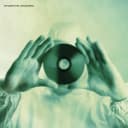
at the very end to do this. It's not a solo. He's just playing chords, but it just sounds great with all the swirling going on in the background. Yeah, I have to agree with you on the lyrics. I mean, they tie into the downside of the music business, right? Having to sell your music, like having like, and that's what this, you know, the cover of the album is, you know, somebody in a, in a, well, the new version of it is like a person in a, in mop gear, like holding up a CD.
And it's just very antiseptic looking. And just, you know, it all comes down to like, here's the product. And, you know, a musician funnels all their emotions and their talent and everything into this music. And then it gets pressed onto a billion CDs and gets sold by some record company. And, you know, that's the duality of this whole thing. And some of, you know, what he was struggling with, you know, like, I'm making this music.
But then I have to go sell it. You gotta pimp it. Yeah. And I think that was a real hard thing for him to have to accept or live with. And while this features piano pretty heavily, it also, as John said, features Wilson playing a lot of slide guitar. And I don't know why, but I just never realized how much slide guitar he's playing on this album. But it's a lot.
And like you said, it's always well done. And it also adds to the atmosphere and the tonal quality and the just the sound construction, you know, adding those layers of slide on top of everything else that's going on, I think definitely lends a unique flavor to this album.
I said, cool, heavy guitars. I like the vocal style too. Said this one seems more accessible, radio friendly, which jives with what John was saying. I said, this is not a bad thing. It does remind me of someone that I can't put my finger on. And a little cadence, I guess, of the song is kind of like a Tom Petty song to me. Like I could hear him singing over the verse. It's like a dum-dum-da-da-da-dum-dum-da-da-dum-dum, you know.
And that guitar part at the end is a little jangly, like Tom Petty, at the very end of the song that he does. Yeah, that's actually, that's an interesting comparison because you wouldn't think that, but it, you know, when you start venturing into a more pop or song oriented world, you're bound to bounce into something at some point. All right, so we'll move on now to the third song, which there's not much to say. It's an interlude. It's only 28 seconds long.
And George, I know we've talked about it earlier before when we did Jethro Tull. I will say, I really miss when PT does this on their albums. They've been doing, they had done this on the previous album, Signify, and on Up the Downstairs. They didn't do this on Sky Moves Sideways. But I love these little short 30 seconds or a minute or minute and a half bits they do because there's all these weird swirling sounds and interesting little
parts and there are parts that he's used throughout his career and other projects.
And this song is no different. This is the title track called Stupid Dream, which is 28 seconds. And it's basically a segue into the next song. But the one thing that kind of catches me is that, again, it's got like this operatic singing at the very beginning and it sounds like an orchestra again. And then all these weird sound designs going on. And then it leads into the next song, but it actually ties into the next song.
very nicely.
I said, title track or filler?
Maybe both.
News at 11.
Yeah, I just said a short semi-haunting piece that really just bridges into the next song.
And he's known for doing this on his albums, these little bits.
Yeah.
And these bits end up on his other projects.
Like he has a project called No Man that he's been with for years.
You hear some of these parts more fully expanded or other things.
Like he has another project called Bass Community, which is an ambient thing. So that's why I love all this, these little bits because they're extras. I'm not opposed to this stuff when it's done well. It's not just, you know, banging or just straight noise. There's other things. There's texture to it. So, but it does lead nicely into the next song, which is called Pure Narcotic, which is the acoustic piece on the album for the most part. It was also released as a single.
This is probably the most alt-rock-ish sounding song. It's not the most straightforward song in the album, but it's really close to being straightforward. It's a simple, sad-sounding song. But Stephen on acoustic guitar, there's random percussion from Chris Maitland. You know, it's solid, unassuming bass work from Colin Edwin when it comes up. And there's kind of some cool piano and, again, some psychedelic synth-y sounds going on. Richard plays a glockenspiel.
Richard Barbier, which is really cool, which kind of adds another flavor to the song. And it just kind of has a dreamy feel to it. It's a little dreary too. It's the lyrics are, you know, are kind of sad where he sings, you know, I'm sorry, I'm not like you. And the harmonies between Stephen and Chris Maitland are amazing. And they've done this together before when Chris Maitland was the drummer in the band when they played this song. And I will say at this point, there are two
Two Album Covers. There's also two different album covers. They're similar album covers. The original album cover has the same guy and they kind of, I don't know what those suits are called, but they're like the hazmat suits that they wear in factories when they're working with materials that could obviously be very hazardous too, but it's in the first cover, it's him with the big machine parts and everything and they have all the CDs. The second one is just the guy holding up the CD.
The reason I bring up the two covers because on the original release it was a dreamier sounding album. It had a different flavor to it on the remaster release it's more clinical sounding I thought. And I always felt that I liked the original better because I liked the dreamier pop sound and not the cleaner sound as much. And I noticed that on Piano Lessons and Pure Narcotic that seems to be lost a little bit on those songs. I didn't have a lot to say about this one. I said I'm definitely getting the beat
Beatles kind of vibe, like something off of Sgt. Pepper. And it was cool. I liked it. Yeah, I just made a comment that is kind of a lush tune. You know, you get some of these harmonies and piano and acoustic guitar. Definitely. Yeah. Awesome tune. All right. So this one leads into a song called Slave Called Shiver. If you're a fan of the more prog metal version of the
You know a song probably called Halo off the album Deadwing. Well, this was the original Halo. Slave Called Shiver. It opens up with this killer bass line from Colin Edwin where he really shines on this song. Heavy drums, not busy drums, heavy drums. And it just creates this kind of groove that Stephen sings over. And it's kind of angst vocals, angst singing. But it's,
controlled, but it just comes off as very kind of edgy on the sound, even though the bass line is kind of grooving. And yeah, it's like, that's not how it's being played, but you kind of feel like you're grooving with it. The lyrics kind of come off as there's a love interest thing going on here. It's unreturned love. And you could just feel Stephen as he's singing that he's like, not stressing, but there's a stress in his life over love.
that's not working out. There's really cool piano work that goes along on top of this groove that kind of gives it a little more of an ominous feel. There's analog synthesizers, Hammond-Org and Melotron, all kinds of stuff going on. It builds up into the heavy sections with the band, probably again, one of the three moments on the album where it's just super heavy for them. Swirling sounds on the psychedelia going again, but it still has that groove going the whole time. Great tune.
I thought because they got kind of hyper focused on their more heavier metal-ish type stuff progier metal stuff and type stuff you know the 2000s this is a forgotten track I think in their catalog I said cool baseline am I crazy for feeling something vaguely nine-inch nails about this maybe filter it's got a cool chill kind of laid-back vibe
despite having heavy sections. Kind of dark too. And I think, yes, yes, I think I like this one too. Cool guitar towards the end. That's why I say, hey man, nice shot. So same kind of thing here. It starts off kind of minimal with bass and piano. And then they lay down this really cool groove. And lyrically, I felt like, I don't know, when I came into this album,
Again, when I listen to the albums that we're going to talk about for this, I always try to listen as objectively as possible, even though many of these albums, it's very hard to be objective about them. For the first time, and I feel stupid about this, but for the first time, I realized how much this foreshadows In Absentia, like this song, because I feel like this could have been an In Absentia song.
because of the kind of the creepy unrequited love kind of feel to this, the heavy parts of it, the, you know, the just the weird vocal sound of, you know, mother, I need her. It's just, there's like a creepiness to it that like pervaded in absentia and kind of a heaviness to it that like, it's not quite as heavy as in absentia. It's definitely one of the heaviest songs on this album.
But to me, I just started to see it like, oh, I can see where In Absentia is going to come from now. Because this, I feel like, was the foreshadowing of that. Oh, yeah. This album actually is significantly heavier than Lightbulb Sun. When you think about it, with the songs that are on here, even though both albums are not heavy albums, there's heavier songs on this. So we move into the next song, which is called Don't Hate Me, which kind of is a trilogy.
of songs about love.
If you think about it with Pure Narcotic, Slave Called Shiver and Don't Hate Me.
This is the longest song on the album.
I'm always torn about this song because whenever I've seen it live and it starts, I'm like, ugh, all right, I know this.
But by the time the song's over, I'm like, oh my God, I love this song so much.
It's an interesting song.
It opens with a nice drum groove from Chris Maitland, which kind of leads into this slow tempo driven song, depressing lyrics.
It's about someone who's obsessed with another person from afar. Again, read love songs in a row, which is strange for Porcupine Tree, considering how the album opened. There's some really cool, sexy saxon flute from Theo Travis, who's better known for playing with bands like Soft Machine, The Teenage of King Crimson, David Gilmore, Gone. The middle section sounds similar to a song, sounds similar to the song Stupid Dream, but with methodical
kind of background guitar and sax. It feels like it's an interlude in the song itself. When it slows down, it becomes very minimal. And that's the part I'm like, do they really need this in the song? It's already eight and a half minute song. And it's about 90 seconds. I'm like, oh, this is one of those times. See, so it's not just me picking on the Mars Volta. I don't feel about this. Okay. I even do have my own bands. I get it. But sometimes you're like, do you need that?
But the comeback to the chorus
and to finish this song
with a tasty guitar solo from Steve Wilson
kind of makes up for that part.
So many moving parts in this song,
you know, with the slow tempo at the beginning.
But it's a very cool song.
And it's a song you have to grind through a little bit, I think.
And when you get the feel for it,
then it becomes more apparent.
Don't hate me.
Cause I'm a creep.
I'm not like you.
Okay, it doesn't sound like Radiohead,
but I get the same lyrical vibe. I feel like I should dislike when he goes high for the chorus but I don't. It's pretty cool. But Jethro Tull called. They want their flute back. Matt called. Wants his sax back. And I thought it was a nice ambient break at the three quarters point. Oh did you? Yeah I liked it. Nice. Okay good. Awesome. Yeah so I said it's mysterious and trippy. This is one of my favorite porcupine
The bassline is really cool. The flute is perfect for this. And then the sax lays down a chilled groove back into the initial spare riff. I miss this from them. The stuff happening around the six minute mark is so laid back and creates an atmosphere that they just don't do anymore. So unlike you, John, I actually really like the middle part that just meanders off into this atmosphere. And I feel like that's
I mean, you said it earlier, some of this atmospheric stuff, they don't do it anymore. And the, I don't know, I used to really enjoy the journey that you would go on in some of these tracks, you know, and going back even further to like moon loop and stuff where they were just kind of just jamming and kind of spacing out. I feel like this is kind of one of the last times you're getting that, you know, before they just became a much like, before,
the songs kind of became a little tighter. Even though they did certainly longer songs later on, there wasn't this atmospheric feel to them as much, I don't think, when you start thinking about stuff that they did later, like Blank Planet and that kind of stuff. So anyway, I like this atmospheric stuff in the middle of this song. Well, that's an interesting point, Brian. You're right. With these songs, I think they can improv more live.
With the newer stuff, they're so tight and they're so constructed. There's no room for them to kind of have a jam or an atmospheric break that extends for sounds. There's no room for that. These songs breathe a lot more, I think. Yes. And I agree with you on this. Now I'm going to have to go back, listen to this song for like the 9,000th time to see if I'm okay with that 90 second section. But okay.
There's a fair number of songs on this. The next song is called This Is No Rehearsal. Now the songs get a little shorter and they're a little different now. So this is another song that opens up with kind of a cool drum groove along with some semi-acoustic guitar work. The Stephen Wilson telephone vocals effect is very prominent in this song. The song does have a burst of a heavy section after the chorus only to return back to this cool sweet groove that they do with the acoustic
to guitars. But there's some kind of interesting, you can correct it over well, but it sounds like he's really working on his wah pedal quite a bit on this song. Yes. And there's some great bass work that goes with it. Lyrically, Stephen Wilson has stated that the song is about the tragic murder of James Bulger, a two-year-old boy that was killed by two 10-year-olds in England. And I guess everything they saw, the boys taking this two-year-old boy on CCTV,
TV and you can see them taking him and he goes, they go off. And I think they killed him. I think in some pointed area. I'm not sure. So if I'm wrong and actually anyone is listening and wants to correct me, please do. It's a short song, but I love that it's now a different song from what we've heard. They're kind of all over the map already. It's seven songs into this. And now it's a little groovier type song with a little bit of burst in the metal.
I said that the song title sounds like he surprised the band for this one. Psyche! This isn't a rehearsal. This is the real recording. But okay. This one reminds me, until it gets heavy, of Jesus Jones. Do you remember them? Mm-hmm. Or maybe even Ned's Atomic Dustbin. I remember them. Which is noise. And to piggyback on what you said, I said, somebody has a wah-wah pedal. Go to town with your bad self. Yes. Yeah.
This is a sad story of a woman losing her child to abductors. I like the Wawa guitar solo. And while he doesn't consider himself a guitar player, I think, as you said, John, earlier, I think Wilson's playing was always tasteful. Hmm. That's a good way to put it. All right. So move on to the next song. Another short one called Baby Dream and Cellophane. And this song just features Stephen Wilson and Richard Barbieri. Opens with Stephen on guitar.
and some psychedelic sounds or the telephone vocals. And there's some really cool analog synthesizers on here that sort of remind me a little bit of the song Every Home is Wired off a signify, especially in the chorus. It just has that vibe. There is bass on this song, but Stephen actually plays the bass. I love how he constructs his melodies, especially during the chorus on this one. It finishes with some heavy guitar riffs. Again, the sound,
kind of drifts off into another kind of sound design area, which kind of gives me the feel of the song Idiot Prayer, again, off the album Signify. So while the band has ventured off into new territory here, he's still pulling a lot from his previous albums on here. It's just shorter bursts of it. And they're not bursts, but smaller pieces that remind you of what the band used to be. This really is the transition for them.
I didn't have much to say about this. I said, again, this reminds me of someone, maybe the Beatles again. It's a cool song, kind of psychedelic. Yeah, I said another semi-trippy tune. The layered vocals are beautiful. And John, I agree with you. This is kind of a transitional kind of song because they're still drawing on some of those earlier sounds, but kind of bringing them into the modern, like whatever, you know, they were becoming.
So they're still drawing on some of those influences and some of those sounds, but
kind of building on that. And so you can see like there's, they're slowly starting to change.
They're tightening it up. The song structures are getting smaller and shorter, but, but still drawing on those sounds.
Right. So we come to the next song, Stranger by the Minute.
This was also released as a single. It's a shorter song again, but a little more
time heavy compared to the previous songs. It's only four and a half minutes, but it has a different feel. Again, this is now their most straightforward alt rock song on the album. You know what you're getting when you hear this opening riff on the song. It's a happier song. Everything else has been pretty depressing up to this point. It's like, oh my God, how much more of this album do we have to go? And then you hear this song and it's like, oh, okay. This is kind of a happy pop song. It's a happy alternative pop song.
with some psychedellia in it. The chorus is great. I kind of love the soft spot. I kind of have a soft spot for this song because it sort of reminds me of the Sky Moves Sideways signified period, again in the guitar work, but it's an alt-rock song. Again, he can't still shed his old albums yet off this album, but they're done in smaller doses. The beauty of this song for me is that I'd always wanted to see them play this and he always shied away from playing it.
I don't even know they really ever played this song much and then TR and I went and saw them at Radio City Music Hall and they opened up the whole show with this as an acoustic version it was just like oh my goodness this is amazing so uh the most I don't want to say generic song but for what they're doing on this album it's pretty straightforward Stranger by the Minute also applies to my notes apparently because I don't recall why I wrote what I wrote so bear with me
I said, I'm reminded that I thought Porcupine Tree was at least vaguely prog metal, but there hasn't been a whole lot of metal on the album so far. That said, it's been a quite nice prog rock album so far. And don't ask me why I said this, but I said, don't go off the rails. I think maybe that means that it's an allusion to what you just mentioned about it being a very like normal.
sounding track and that I don't want them to go off the rails and be completely weird.
So that's my guess as to what I was thinking.
Yeah.
I remember this as a single.
And again, to me, you know, what's funny is like, like you said, John, this song has a lighter feel to it.
But if you listen to the lyrics there, I think they match up with the themes from In Absentia again.
You know, you've got like this, you know, this oddness and this weirdness and I'm getting stranger by the minute. And it's just, it's kind of, if the music itself hadn't sounded so upbeat and lighter than the last couple of songs, lyrically, I think these lyrics would fit in like within absentia. So he was like moving toward kind of oddness. And I guess, you know, all of his songs are kind of odd, right?
They're just kind of weird. And sometimes lyrically. And with the jazzy harmony vocals, it belies the weirdness of the lyrics. Because again, it sounds light, it sounds poppy. But when you listen to the words, it's kind of like, yeah, it's weird, a little weird. Stranger by the Metal. Lyrically, yeah. Yeah, opposites attract on this album, no doubt. And up to this point, we've had all these kind of dreamy,
And that's another song that has that. Yeah, I
didn't mention, but as I'm hearing the chorus in my head, I'm thinking of them,
you know, this layered chorus happening. And then again, there's that little bit of slide
guitar in there, which just hasn't been able to shed that, you know, from the Sky Moves Sideway signify period.
But it's done in such a way that it sounds different, even though he's still doing it.
So, so we move into the back third of the album for the most, or back quarter of the
And this is, these are some of the, I think, even newer fans, these songs here now are really revered, especially this song, which is the next one, A Smart Kid. It's one of the real gems on the album and in all of the desography of Porcupine Treat. It's hard to describe this song because it opens very quiet, but it builds up into kind of an epic, and I don't want to say bombastic because it's not bombastic, but it's a
There's a lot of
orchestral type sounds in this.
And I believe the
was I say it was the
East of
I'm looking for the name here.
I already lost it.
The East of England Orchestra.
Excuse me.
I'm having a hard time reading tonight
because I'm exhausted.
I believe
there's this great bombastic feel to it.
But then it still has this kind of
almost depressing quiet side to it too.
Lyrically,
This song kind of explores the feelings of isolation and hopelessness, which this song sounds and feels exactly how it sounds and feels. I mean, you get that from the lyrics, the imagery that Steven uses of a lone survivor, the smart kid, you know, in a post-apocalyptic world. And I stole those words from a site called Neural Rust, which is one of the most comprehensive porcupine tree sites I've ever seen. It's insane how much information's on that site.
But to get back to the song, it's somber, it's sparse sounding, has these epic moments. There's some great analog synthesizers going on here. I do feel pretty lonely when I'm listening to this song. It's slow moving, but it's epic. And the guitar solo is just tasty. It just floats along with it. It's almost like the band is floating during this song a little bit compared to previous songs. Oh my God. Okay. So I said, still hanging,
out in the psychedelic neighborhood. It's kind of trippy, but also fairly grounded by the drums and bass, keeping it real and plotting. And I don't mean plotting in a bad way. What I meant was they kind of anchor the song and keep it from floating away. Yeah, I said it was a lonely song that actually I get a similar vibe to Russia on Ice. And again, you know, the sole survivor.
in a post-apocalyptic world hoping to go with aliens that are exploring. And they come by and here's this one guy and he's like, hey, won't you take me with you? I don't have enough room for you. Maybe the next transport. So now we move on to the next song, which is the only true instrumental on the album. It's called Tinto Brass, which was originally entitled Ten Space to Space.
You might think that's kind of a weird name for a song. Well, it's actually based on a Italian erotic director, if I'm not mistaken, whose name was Tinto Brass. This is a tour de force of performance and intensity. It starts out with weird sound design again in the beginning. It easily could have been on, you know, the album Up to Down Stair, the way it starts. Up to Down Stair was,
their second album, which was really just basically Stephen and a little bit of the band popping in to play on parts, but it was pretty much all him. The song's proggy, it's psychedelic, it's heavy. The heaviest moments on the album are on this song, but it's got this hypnotic drum beat that's just pounding. It just drives. This has something that I like to refer to as porno bass on it.
If you know the bands like Particle and Osric Tentacles, they have this kind of... And I believe Particle describes their music as space porn funk. And you know what? That kind of is in this song too. This could have easily been an Osric Tentacles song without the heaviness. I was going to say, it's a little too heavy for Osrics. But there's tons of flute in it and Daring. Yeah. I mean, but if you take the heaviness,
out of it and put Ed's guitars in it. This could easily be an Osric's technical song. It opens up also with this woman speaking in Japanese, which at the time was Stephen's girlfriend who spoke fluent Japanese. And she was basically reading the biography to the film director, Tenno Brass. And I think she was just basically naming off all his albums. It was just kind of all his movies, excuse me, which is really kind of funny. I absolutely love this song. It's the most metal-ish.
of the album, if you want to say that, or metal-like on the album. It's not for the whole song, but it gets really heavy. It's always been awesome live, and I've seen them do this a number of times. And it's a great song that leads into the final song of the album. I said it starts off sounding like Indiana Jones is going to melt the faces off some Nazis. Then a woman speaking in maybe Japanese, apparently confirmed. Weird but cool. Yeah, nice driving drums. All right, let's do this.
Is that some kind of crazy flute type thing? Yo, Travis returns. I'm more than halfway through the song and I'm starting to think this is an instrumental. But hello, heavy guitars. Didn't expect to see you here. Okay, I guess this is kind of proggy and a bit more experimental than the rest of the album, but that's still pretty cool. And I really dig when it gets heavy. I said an instrumental tune that rocks with flute and jams at the end. It's definitely one of my favorites.
That's funny you say jams at the end and it's like a six minute jam from start to finish but it really jams at the end. Now we're like as we like to say on the other podcast which I'm notorious for saying like when we do our top 25 albums of the year I'll notoriously say I picked 19. Now things are getting serious. It gets redundant and old after a while until you get to like the top 10 then it's funny to say because we're. And it's just yeah.
We're half in the bag at that point, you know, so, but TR you bring up a good point. I mean, this is where now it's getting serious, you know, on the song at the end. Right. All right. So let's stop this long train, which we'll stop this album with the album or song called stop swimming, which is the final track. And this is another in a long line of great final tracks on porcupine tree albums. Steven is a hallmark of all his writing.
is that the last song on the albums are usually great songs. Everything from Fade Away off of Up to Down Stair, Dark Matter off of Signify, Collapse the Light into Earth off of In Absentia, Glass Arm Shattering off of Dead Wing, Sleep Together off of Fear of a Blank Planet. That's over half the albums. The last song is great every time. You know, I wish that, I know people kill me for saying this, but I wish Light Bulb Sun ended with Rush on Ice.
to be honest with you I'm not so big on the last song on that all but it's sad it's somber there's a drum beat from Chris Maitland which is methodical and how it's played but the way he chooses to play it and the way he uses his toms it really is just depressing and people think the song is about suicide based on the lyrics but it really is kind of about something TR mentioned earlier about the music industry you work your ass off so hard
for what? You get nothing. And it's Steven talking about, well, maybe it's just time to stop trying, stop swimming against the current, you know, which obviously he never intended to do, but the idea is there. You know, you're working so hard for nothing. They're taking everything from you. And you get that vibe in the song. It's just, it really is depressing. And I can't remember which show it was. And I can't remember, Tierra, if you and I were both at the show, but I remember Steven saying live once,
He said, sometimes the saddest sounding songs are the most beautiful songs. And this is definitely one of them. It's a great ending. It's hard to describe how depressing this song is while still being a beautiful song. After hearing that, I'm scared to read what I wrote because it's, no, I'm not gonna. I'm not gonna do it. I'm gonna pass. Okay. Well, I said this is solemn.
and, you know, it sounds like it's about giving up. And John, like you, I read a little bit about this and got the same kind of message about, you know, Stephen feeling like, well, you know, do I have to kind of sell my soul to get to where I want to go or not? And, you know, being pushed into like this, you know, he had always kind of
blazed his own path with his own unique style of the melange of different various inspirations from all the different types of music he listened to growing up and throughout his life. And he brought all that together and all the music that he made. And, you know, I don't think it was ever his intention to be like a pop star or anything. And, you know, he was never going to be that.
He got popular, of course, you know, in his own way and with Porcupine Tree and then later as a solo artist. But I can understand how, you know, when you don't know if you're going to be famous and you don't know that you're going to make it and that you're going to have, you know, a large fan base that, you know, can basically sustain your career. It would be very easy to think about kind of giving up and either, you know, quit or just go with the flow of,
you know, maybe making something more popular or what, you know, you think maybe people expect out of you. Thankfully, he didn't do that. Although maybe you could make arguments that he did in some ways, but ultimately, you know, during this period of time, I don't think that was the case. It's a very spare arrangement and a haunting song. And I've always really liked this song as well.
So just a couple final thoughts. For me, this is an absolute gem of an album. It's one of my favorite Porcupine Tree albums. I thought about it today and I think I got it second now. I think it pushes past in absentia as much as I do like that album, even though it's new Porcupine Tree. Which, when I say that, there really is a defining change and shift in the band at that point. This is not Signify yet for me. Signify is still my favorite album.
I like how it's a tweener it's still dragging some of the previous albums with it but still venturing off in the new territory and I think this is an album if you've never listened to Porcupine Tree I think you should start with this album to be honest with you not in absentia because I think you get more flavors on this album than you do off of in absentia and if you can if you like this then okay you can choose do I want to go forward with the more rock song oriented or heavy
your parts that are to come. If I dig the psychedelic stuff, I can go backwards and do that. And I think it gives you the option where you can kind of just stay in that period here and do this in Lightbulb, Sun and the album recordings. And you can be just as happy with those three releases. Piggybacking off what you said, I said, ultimately, I feel like this is a pretty safe prog album. If you aren't a total prog nerd, which you guys are, you can still listen to this and come away with
things that you can appreciate. So I'll call that a win. There aren't any songs that I disliked. So go, John. I'd like to know how this compares style-wise to the rest of their catalog, which you've brought up a number of times, but... Yeah, well, you'll just have to listen, George. I guess so. Yeah, this is going to set you off on your... Deep dive. Future love of Porcupine Tree. I don't know, Jared. I think that this is its own sound because this is a certain...
This was just a small window, right? This was kind of like a snapshot in between periods that, like I said, was kind of too short for me because I really liked, I really wish they had been here for a little longer. At least one more album. Yeah. Just like, yeah, just a little bit more would have been really nice because, again, they kind of never did this stuff again after this.
like they really kind of got away from this especially once they and I think that might I think Chris Maitland was a big part of that you know I think when they got Gavin while they got an incredible drummer just the whole mood and the style and everything kind of changed some would say for the better but like I kind of feel like Chris Maitland was the perfect drummer for them for this style of music and I kind of I think
Once they got Gavin, there was no going back to this because he's too technical to do the kind of things that are going on these albums. I mean, he's obviously he plays this stuff live with them. But in terms of like naturally going toward a sound like this or naturally kind of playing drums in a kind of more spare fashion, I don't think he would tend to do that. And so he's going to he's going to flavor it with his own thing. And you're not going to get like this style of music out of him.
So, you know, I, they're never going to go back to this sound. Sadly. I mean, I mean, I like it and I like, and don't get me wrong. I like the, you know, the, the modern porcupine tree too, but, but there was something to be said of this period. And it's, there's like a nostalgic feeling that you get when you listen to this, that, you know, maybe you don't get as much with the other periods as much. I mean, obviously I like, like, you know, Sky Moves Sideways period as well, but like, I don't know.
There's something kind of wistful about this period of time that I really like from Porcupine Tree. No, I agree. And I just have a few more comments. So, John, and I don't want to put you on the spot, but do you know how many times you've seen them? It's got to be like in the 20s, right? Or more. While you're doing that. I got it. I'm just shaking my in the 20s. Well, probably more like 50 or more. Really?
Yeah. No, I take that back nine times on one tour. Well, still. I've seen them 38 times. Wow. Well, I've only seen them 13 times. I've only seen them once. Oh. And I've gone to England to see them for a few shows. I saw them in London, which was very cool. Mm-hmm. I was at the Roxy Atlanta show with my buddy, David Reynolds. I want to give him a shout out. He's another one of the people that I met through Porcupine Tree. And then, of course, John mentioned
the Radio City show in 2010, which was at the time their final show. But I'm glad that they came back together and toured in 2022. It was great to see them live again. It felt like the old days, going to see them and being there and hearing those songs after so long of not hearing them live. It was just a real, I don't know, it instantly transported me back to the early 2000s and was so cool to just hear those songs again live.
and enjoy hearing them in, you know, live again on stage. And I'm hoping for more. I don't know if that'll happen, but I'm hoping that maybe they come back again. I agree. Just one last thing I'll say. I want to make sure if anyone is listening, they are newer, and I say newer again, the newer style, the prog metal version, prog metal prog rock version of Parkumentary. I love In Absentia. It's one of my favorite from them. And in its defense, it's still a pretty experimental.
There's still some really cool kind of psychedelic things going on, but they're, they're a little different in their sound. They're more modern sound. They don't have that warmer feel of the older albums, but there's still some cool stuff going on. Like gravity eyelids, stuff like that. Like three. Yeah. You know, so they're nails. I mean, they're still that there, but that's where it stops completely after that album. Yeah. From there on out, it doesn't, it's not the same. It becomes
It becomes bigger. Everything about them. So I'll just say, just to put this in perspective, then we got to get to George's album. Sorry for going long. I saw this band at Fletcher's in Baltimore. That was a hole in the wall. Wow, I haven't heard this. That is a name I haven't heard in a long time. Well, of course I know it. I was there. And that was my fourth time seeing them.
from Fletcher's, which I'll mind you, they played near fast before that, but to go from Fletcher's to Radio City Music Hall to the show they just released on DVD, which is in front of like 15,000 people is an amazing journey they've got on. So while I've had Mike Reiberson over the years and I, they're still one of my favorite bands, kudos to them for continuing the journey. George, real, real quick. You're not getting off the hook. What were your comments about Stop Swimming?
I'll get to it. Let me, I just have to scroll back down and find it. I was clearly burned out by this point. And so it was lazy. I said, cool, chill, kind of focusing on those symbols for some reason. Oh yeah. I said, it's kind of like the snare on injustice for all, but not in a bad way. It's just that once you focus on it, you can't not hear it.
It's hypnotic
Yeah
And I said
Yeah
And that was really all I had to say
And I'm like
You played it up like the
You know
So big
I was like
I can't say something
Just stupid about the cymbals
But I wish you did now
To be honest with you
Because that's actually a great point
I never
Being a drummer
I didn't even think of that
His work on
Because I'm thinking of the toms
You know
The whole song
But the ride
It's very hypnotic
If you want, I'll record it right now and just edit it in. It's up to you, whatever you want to do. Well, let me say it. I'll say it like I'm actually saying it. I said, this is cool. It's chill. I kind of focused on the symbols for some reason, kind of like the snare on Injustice for All, but not in a bad way. Just once you focus on it, you can't not hear it. And so that was all I could hear for the whole song. No, that's a great point. It really is because. And I think,
I'm thinking of his work on the toms as the hypnotic part but I didn't consider that the but Chris
playing on the ride and it being so prominent it does create this hypnotic vibe to the song that kind of plays in the background of the sadness I like that point a lot actually yeah it was just it just cut through everything and it was there you know so yeah no and then we're not even talking about his bass pedal also it's all very hypnotic
of the song. So, excellent point. Alrighty, last album of the evening. My pick was Queen's Innuendo. In your end. Okay, and now I'm going to get wordy. I feel like Queen has always been an underrated band compared to their peers, but in my opinion, they're one of the greatest hard rock bands ever, and Freddie Mercury is probably my favorite rock singer of all time. That's right.
I said all time. Ever. So I'm hoping maybe discussing this album will inspire some people to take a deeper dive into the Queen catalog. Innuendo was released on February 5th, 1991. Innuendo is the band's final studio album before the untimely passing of lead vocalist Freddie Mercury later that year. The album is a testament to Queen's enduring creativity and musical prowess.
as a collaborative effort among the band members. The album's title track,
Innuendo, set the tone with its epic and intricate composition, featuring flamenco guitar work by Steve Howe of Yes. Go on, laugh it up.
No, I was laughing about it. I mean, that was awesome. Oh, yeah. Oh, nerd.
The song not only served as the album's lead single, but also showcased Queen's ability to blend various musical styles,
The album features a range of musical genres, from rock anthems like Headlong and The Show Must Go On, to the reflective ballad These Are the Days of Our Lives, which became poignant given Mercury's health struggles at the time. The song would go on to be the album's final single and is remembered for its emotional music video featuring Mercury in one of his last on-screen appearances. Despite Freddie Mercury's declining health due to the complicated
from AIDS, the band persevered, delivering an album that not only showcased their artistic evolution, but also addressed Mercury's personal struggles and reflections on mortality. Tragically, Freddie Mercury passed away on November 24, 1991, just months after the album's release. Innuendo is a poignant farewell and a testament to Queen's enduring legacy, marking the end of an era for one of the greatest rock bands in history.
The album remains a timeless piece of Queen's discography, celebrated for its musical richness and the unbreakable spirit of its iconic frontman. I remember reading stories talking about how Freddie was so weak he could barely stand in the studio when recording his vocals for the album, and would quickly become exhausted and have to rest. Listening to the album, you would never guess how poorly he was doing, because his voice sounds as amazing as it ever did.
you have to really admire Fred's determination to complete one last epic album. There's so many really great tracks on this album, but it can be hard to listen to because knowing what was to happen in the coming months, it can be a really depressing listen. So I like Queen, but I don't actually have much of their music. Obviously, I knew all the hits, but some of their stuff was a little hit or miss with me. I only actually have one record by Queen.
And that's jazz. And I actually bought that for the poster that came with it. Maybe I didn't steal it from the bathroom at their show. Guess I could have. No. So, I mean, so for the longest time, I really didn't even have anything by them. We've all heard the hits thousands of times, but I was kind of glad that you picked kind of a, well, any album really. I mean, I don't, I'm not very familiar with a lot of Queens music.
especially like the deeper cuts and everything. So this was a good opportunity for me to kind of hear a little bit more of their stuff and get a little bit of an idea of the various styles and genres that they kind of played with with their music. Yeah, I am probably the least Queen fan here. I don't dislike Queen at all. I just never really got into them. I've heard every hit song a million times.
especially on Sirius XM where you do get slightly deeper on some of their stuff. You do. Not super deep. They go to the next tier I think of their songs so I know a lot of their stuff. Their sound is unmistakable. That's a great thing to say. I love that. When you hear them you know it's them and that's not necessarily just because of Freddie Mercury. You know Brian May's guitar. Absolutely. The same guitar.
It's never changed. You know, you know, the chorus lines, you know, the operatic feel, you know, the vaudeville that they inject in their music. It's there. There's no way. And I'll be honest with you. I know the bass and drums because those two play a certain way. And I didn't appreciate them. Those two as musicians until I watched. I think George, I mentioned this to you. I watched one night. I think my better half Jen was either at her mom's. I don't know.
where she wasn't here that night. And I watched the live concert from the 70s. I can't remember which one it was. Couldn't get over how good Roger was on drums. I was like, oh man, I knew it was pretty good. But so I've always known them. I've always appreciated them. Obviously, I have, I know the tie in with David Bowie and Under Pressure, which is just one song. But I never have listened to a full album straight through. So this was a nice experiment for me.
And I will say, when I get started up, I'll just start up by saying, this is not the queen I expected based on everything I heard prior to this. So. Well, my initial pick was A Night at the Opera, which was a little too obvious. It is the biggest album. And I think you should listen to every track on that album because the deep tracks are awesome. But this one was more personal for me. And so I switched to this one because it's, it just, it is. Yeah.
So, the first song is the title track, and it opens the album with a grand and epic sound. It starts with an ethereal kind of Zep vibe, and then Freddie starts singing in a fittingly ethereal style as well. And boom, a nice hook after only a minute and a half, which is cool since at six and a half minutes is the longest song on the album. The song is epic, people. It may not be the same caliber as Bohemian Rhapsody or the Tragic
less known prophet song also on a night of the agra but this is a great song that deserves to be mentioned alongside those other classics after a few less than stellar albums not including a kind of magic which is awesome the band kicks off their final studio album with freddy in a way that lets you know that they gave it all to this release and it paid off and yeah okay steve howe does some cool for my cook guitar whatever you're welcome prog nerds but
My boy Brian May brings some sick riffs to the party too. I said this was a good way to start the album and like you it's like it I said it's epic an epic sound got this Middle Eastern style or mode that was sounds like it was inspired by Kashmir. That's what I was thinking too. Yeah. I was amazed to discover Steve Howe played on the Spanish guitar parts in the middle of the song which was awesome.
because I'm a big Steve Howe fan. And I thought I was a big fan of his and didn't even know about this guest appearance on this album. I never even heard that he did this. So I was shocked when I read that he played on this. And you can tell it's him. I mean, you know, you listen to it and it's like, yeah, Steve Howe. So, yeah, I felt like this was a great start to the album. So I'll just be repeating everything these guys said. Literally the same words. I actually love this.
So it's my favorite song off the album. And I actually, and I'm not just saying, oh, well, I listened to a bunch of songs. It's my favorite. I actually like this song a lot. I love the cashmere kind of Middle Eastern vibe to it, which I'd read that elsewhere too. But I had to hear that after a few lessons to really understand that. It's not a typical Queen song, especially as a single, because it is different. But that's what I love. I have written here, epic and grandiose feel. And it is. And at first, I didn't like the
section, not the flamingo part, but the section where they get to the prototypical queen vocal arrangements. But after listening a few times, I'm like, they can stay. It's not bad. And I wouldn't say it's a prog rock song, and I wouldn't say Kashmir's prog rock song, but there's prog rock songs a little bit in that they're doing something completely different. They have similar vibes to them. I love this song. It's a great opening track. And again, it just doesn't sound like your typical queen song. And I think that's what makes it such a
It is a little different than what you normally used to hearing from them.
You should check out more of the deep tracks because, you know.
I have a little bit off the first two albums because I still contend that they're the first thrash band ever, even though it's only a one song, but.
Let me guess.
That would be, that's terrible.
Like, Stone Cold Crazy.
Yeah.
Hell yeah.
Tie Your Mother Up is not that far off from there either.
Tie Your Mother Down, right?
Or Tie Your Mother Down, excuse me.
Up, down, whatever.
All right.
Track 2, I'm Going Slightly Mad. The title and lyrics of this song show that despite his illness, Freddie still had a playful side and a sense of humor. The line that always stuck out to me on this one was, I think I'm a banana tree. To be facing down your own imminent mortality and face it with humor, to me, is incredibly inspiring. I remember initially being slightly annoyed by this song when the album came out, just because it was kind of weird, but
You just have to understand it and once you do this is one more gem on Queen's crown this continues the cashmere vibe I think from the first song kind of ethereal I'm guessing it must be like a synth thing but oh yeah that Brian May solo cuts right through all of that and he says look at me I don't have anything to confirm this but I initially thought that this song dealt with Freddie dealing with his illness and you know maybe being homebound
and kind of stir crazy. But in retrospect, I guess we probably try to find all kinds of meaning that isn't actually there. My research for this showed that this was really just sort of a funny ha-ha song. So it's what it is. Yeah. I enjoyed the humorous lyrics on this and I'm glad they didn't overdo it. They could have gone like overboard on that and you know, ha-ha-ha, hoo-hoo, hee-hee. And thankfully it didn't become like a
kind of a goofball tune. It kind of gave me like a blinded me with science kind of feel a little bit. Yeah, I get that. But yeah, I thought this was okay. I didn't really, you know, I didn't go crazy about it, but I thought it was okay. And you know, it's very British, right? Like, oh, I'm going slightly mad, you know? Yeah, it definitely takes a while to sink its claws into you. I mean, like I said, initially, I was a little annoyed by this song and it took me a while to actually,
grow to love it. So.
I'm like you, TR. This song's okay. It's a little bit of a letdown for me because George has heard me go on and on about the number two song on an album after a big opening track. I'm always big on a number two song being another big track to keep the momentum going. It's a little bit of a momentum change with the synthy vibe, pop feel. And it's a little vaudeville cabaret-ish in the way he sings with these kind of, you know.
One-liners.
Like little asides. Yeah, it's like there's a little inside joke between the four of us that you don't know about. We're going to sing about it a little bit. Yeah. Right. You didn't get that joke kind of thing. Yeah. And so it just kind of I felt like I kind of I'm missing something. I need a little more oomph after the opening track. And I but I did like the guitar work kind of being opposite of the playful sound of the vocals and synth. The guitar works kind of cool and odd and different than the rest of it.
I noticed that throughout the whole album. I was going to say, you're going to see that through the whole thing. He has a lot of jagged sounds to warm synthy, playful sounds from Freddie. It's interesting. So. All right. Track three, Headlong. This is probably the most radio accessible song on the album. It's driving and catchy and it's a bit of an earworm. It was written by Brian May with the intention to use it on a solo album, but he decided to use it as a Queen song instead.
Freddie sounds amazing on it so I'm glad he did this song is such a banger the riffs are dirty but the song itself has class yeah I remember this single and it's a rockin' tune that sounds like a signature Queen song to me it's got a cool heavy guitar tone and yeah I just like when I heard it I was like oh I remember this you know boom diddy diddy boom diddy do that I didn't care for as much but
But the rest of it I thought was really good. But yeah, no, this is like a rockin' tune. And this is kind of, I'll say it, and I know, you know, obviously, like, as you said, George, there was a lot more diversity on this album in terms of musical styles and everything. I kind of wish there was more of this on this album. I'll say it. I'll let you live. Okay. Great on all the points. This is a kick-ass song.
It's got a kick-ass opening. And again, like Jay steals all my notes on the other podcast. Somebody stole my notes on this podcast. Because I said similar things, George, heavy, driving, hard rock song. They incorporate all the signature Queen vocal arrangements, but it's a modern-sounding version of it. So that whole Diddy thing, yeah, it's there. But this still sounds like new Queen in terms of the sound. That's because it's a different era.
There's more sense. I noticed there's a lot of sense on this album. Yeah. Different places, which I wasn't always used to. I was always used to piano playing and keyboards, not so much sense. And there's a difference between sense and keyboards. But I do like this song. I like the balance between the heavy sound and the catchy melodic vocals. In a sort of weird way, tie in time. Yay, go John. I get a little bit of the cult vibe here on this, a little bit on some of the heaviness. Huh.
I just get a little bit and I'd have to go back and listen to the song again to see where I'm getting that from but just has that maybe it's just the period when this came out because this period would have been a time when the cult was really big just the kind of hard rock vibe I'm getting is similar yeah so doesn't sound anything like the cult I just get the vibe is similar so okay I get it all right track four I can't live with you this was another track in
intended as a Brian May solo song, but the band liked it so much he decided to do it with them. I think anyone that's been in a relationship can probably relate to this one. I can't live with you, but I can't live without you. You know, this song combines Queen's hard rock drive with pop sensibility. This one gets stuck in my head as well. I feel like this could have been a leftover track from the sessions for A Kind of Magic. Such a catchy tune. Total winner.
Yeah, I said it was an okay song. The lyrics allude to the conflict one sometimes faces in love. Mercury's vocals are way up front on this, which I guess you'd expect on a Queen song, but I don't know. It was catchy, definitely catchy, but I don't know. A lot of times, like a lot of these relationship type songs, I'm not, I don't know, I'm not really big on a lot of that, but it was definitely a catchy song.
All those feelings and stuff. Yeah, I don't want all the feels. No feels for you. Not until Decibel anyway. Well, okay. I don't mind being felt. Just kidding. Yeah, to me, this was a song that could have easily been part of their 70s output. It just reminded me of that, but it's a modern-sounding queen again to me. And while I don't have the history with them like you guys, I do hear,
Some of the similar things they've done in the past, but it's again with this newer sound. And what I mean newer sound is just all the synth pads. I do think the chorus is catchy. I'm impressed that, and I realized they could mix Freddie higher, but still he's got to sing whether he's high or not in the mix. And I was impressed at the power he had in his vocals on this song, considering where he was in the condition he was in. So I like this one better than I'm going slightly mad, to be honest.
with you. So, and up to this point, I've enjoyed the album quite a bit.
Excellent. Track five, Don't Try So Hard. This is another one that feels like it should have been on A Kind of Magic. Sounds like a cousin to Who Wants to Live Forever. It's very synth-y, but I don't even care because, Freddie. He could have sung the phone book and I would have listened, so. Have I mentioned Brian May is amazing? Did I mention he has a PhD in some
sort of astrophysicist sort of way. Jeez, dude, come on. Make the rest of us look bad. Astrophysicist by day, rock star by night. Yeah, no big deal. No, it's actually rock star by day, astrophysicist by night. Oh, good point. Good point. Telescope ain't gonna work for right in the middle of the day. That's a good point. Buckaroo bonsai. And rock stars play at night, so. Wait, oh, wait, no, I got that wrong. Never mind. Yeah, so I said this was a
Pretty Song.
And Freddie sings a little too pretty for me on this.
Oh.
But the guitar soars on the solo.
So I really enjoyed that part of it.
And yeah, I mean, Freddie is singing beautifully.
I just prefer like not so pretty.
You want some dirty.
Well, yeah, a little bit more like gruff or like a little, you know.
Maybe a little smudge on your shirt kind of singing.
Yeah, maybe something like that.
Okay.
Yeah, I wasn't as big on this one.
It felt like there were a couple songs merged together in this, in the construction of it. But I thought the chorus was really good. And I almost just feel like this is a piano man type song. I picture him sitting, you know, on stage, they would have him sitting on the piano playing. It would always look strange when you consider what a front man he was. I just picture him sitting there playing and singing this song. It just has that feel to it. I don't dislike this song. It just didn't necessarily grab me. And maybe because, like Tara mentioned,
I'm journeying a little bit for the heavy stuff because they're really good when they're heavy. All right. Track six, Ride the Wild Wind. This was written by Roger Taylor as a sort of sequel to his I'm in Love with My Car, which was a track from A Night at the Opera. Is it me or does it have a little bit of Ghost Riders in the Sky vibe and the drums? I kind of got that, but I was like, yeehaw! And I dig those car zooming sounds. Yeah, I did too.
I like the guitar solo and the speeding car sounds. But this song seemed like a demo or about two revisions from being done. Freddie's, hey, hey, hey. All that seemed kind of goofy to me. I don't know. That part just kind of hit me the wrong way. I don't know why. But I did like the kind of the feel of it and definitely felt like you're driving fast and you're zipping.
around in a sports car or something.
You've got my notes too.
That was just George.
Yeah, a similar take on the song.
I kind of like the driving vibe between the drums and the bass.
It's not necessarily rockabilly, but it's got that kind of beat.
It's got that upbeat.
It does feel like you're on a car, road speeding in a fast car type song.
I like the little mix of 80s, new wave touch on it a little bit that I'm getting.
But that's just what I'm hearing.
I thought the guitar work was great. The riff and the solo was cool. Yeah, and I kind of like that it's a play on Roger Taylor's other song. You know, I'm in love with my car. I kind of dig that. I like when bands bring stuff like that back into the mix years later. So I kind of dug that. Cool. Track seven is All God's People. Like some of the other songs on this album, this started life as a solo track, but this time for one of Freddie's solo albums.
But ended up as a queen song. It has a strong gospel influence and features guest vocals from the London Gospel Community Choir. It's definitely very vocal oriented, but you can hear Brian sneaking little riffs in there to make his presence known. I'm not sure really what the story behind the song is, but who cares? Rock on. Yeah, it definitely sounds like a Southern Church service choir. I, you know,
This was an unexpected track, kind of, because I didn't really expect to hear a Baptist thing going on in the middle of this album. And clearly, Freddie's vocals are very emotive in this song. But it kind of suffered a bit from the weak keyboard tones, like the cheesy kind of late 80s, early 90s keyboard sounds. I kind of regret that it would have been...
I kind of wish that they had put a Hammond B3 on this rather than like the cheesy like synthy sound that they did like because I think it would have really been a lot more soulful. I mean it was already soulful with his vocals. I mean you know he put an enormous amount of soul and feel into it and then it kind of gets undermined by these cheesy keyboard parts that come in at the end and it's like what happened you know like who let that guy in?
I kind of wish they had put like a cool Hammond sound on that. Makes sense. Yeah. Well, again, really, who's tapping into my notes? Because I wrote this Queen Meets Gospel with the synthy vibes mixed in. I got the same stuff you guys got there, too. I didn't necessarily have the feeling you did, T.R., about the synths, but it was at this point on the album, I started to realize, man, there's a lot of synths on this album. Yeah.
I mean, it's, and I think that's because they're so prominent on this song that you start to really notice it. I did kind of dig the little bluesy vibe in the middle of the song. It's just there for a little bit. And I'm going to make another tie in on this. This one more shows the influence of this band on other people. But during the chorus for We're All God's People, it reminds me of some modern Devin Townsend choruses, like on the song, Where We Belong, where he has the big kind of choral.
You know, the big group of people singing. And it almost makes you feel like, you know, are these modern artists that we listen to? Are they Queen fans? Because you can almost say you've got a lot of influence from Queen because I hear a lot of that, the big chorus that is gospel-like. I would definitely think that Devin would be a Queen fan. I would. It just feels like when you, if you guys go back and listen to the song, Where We Belong, that's all I could think of when Freddie was singing. Actually, the whole band's singing.
That's the one beauty of this band is that everybody can sing in the band. I love, you know, the gospel chorus to this. I'm not a gospel fan per se. I mean, but I can appreciate what it is. And it has that real nice feel in the chorus on this. It's really cool that you mentioned that because I totally hear that in like Devin's style these days. It's very, it's very big and epic and like that. And yeah, totally. It just, yeah.
So yeah, and he actually uses wall of sound vocals to great effect on his albums. And that's definitely going on here. So absolutely. I would, I would hear that too. Yeah. Go back. It's the song where we belong off of Epic cloud. All right. Cool. Track eight. These are the days of our lives. Sounds like a soap opera, but it's, or is it?
Due to how sick Freddy was, the last few videos were shot in black and white with lots of makeup. But by the time they shot These Are the Days of Our Lives, it was impossible to hide how gaunt he had become. The video ends with a close-up on Freddy's face, and he whispers, I still love you. Cue the waterworks. Musically, this is less of a rocker and more of an introspective pop song, but I'm not going to hold that against it because it's such a beautiful song.
both musically and lyrically. Knowing what's to come, these lyrics are extremely poignant.
Yeah, and that's pretty much exactly what I wrote, George. I mean, written by Taylor, but especially poignant given that Mercury was so close to death. I kind of wonder how that whole thing went when Taylor was like, hey, would you mind singing this? And, you know, I'm sure it was, wow, you know, this is pretty heavy to be. Because, I mean, that's the whole thing is like looking back of, you know,
you know your whole life and the good times and what was going on and you know
that's pretty heavy when you're thinking like yeah I'm pretty close to death right now
and I know I'm gonna die and I'm you know I'm gonna sing this with as much spirit yeah and gusto as you can put into it and so yeah it's really sad you know to think about what more he could have done had he lived you know however many more years because
You know, it's just, it's really a shame because even on this album, when he was sick and near death, he, you know, hits a home run and you think to yourself, okay, you know, how long could this guy could have gone? Like if he had, you know, not had this, you know, if he had never gotten AIDS or, you know, never had these maladies, what, you know, he probably could have continued
singing for decades.
Until now.
Right.
He'd still be.
Yeah, exactly.
Which is just, it's really tragic.
You know, it's a shame.
The fact that he put everything into this album is when I read about this, because
I, you know, I remembered that he had passed away sometime in the early 90s, but
like I didn't really follow it closely.
So I didn't really realize that.
Oh, yeah.
You know, and I don't really remember the videos from that time.
And I just, this was something that kind of passed me by and I didn't realize or see it or anything. So when I read about it, I was really amazed. And especially like to listen to the album, it doesn't sound like this man is near death. No. Right? You listen to this and it sounds like a Queen album. Like, oh yeah, they're still going. Everything's good. It's a return to their excellence from their glory days. It really is. Yeah. And so, yeah, it's pretty,
It's pretty impressive to just to think about. And I read like some quotes about like how he was like, no, I'm going to give it all until I drop pretty much. Like I'm going to push, I'm going to pour everything I can into this because this, I know this is it for me. So I'm going to, you know, like I'm going to lay it out and he does. And you know, it's pretty impressive. Yeah. It's like he would like go into the studio and like sing for like an hour and then he'd have to stop because he was too wiped out. And then he,
come back in another day and sing for another hour you know yeah so for me this was like the if you want to call it that the ballad of the album and it makes sense given the title and the lyrics written for freddie to sing and it just solidified to me which i already knew but how integral each member of the band is because but songs like this you think freddie mercer would be writing the lyrics and he didn't write the lyrics for this song really literally everyone is involved
across the board.
They've all written stuff and they've all written stuff for others in the band to, you know, kind of spotlight them, which I find so interesting about them when you listen to their music.
There's a lot of what you guys said that I won't repeat because, again, apparently somebody stole my notes.
But I do like, I thought the guitar soul was really nice on this.
And again, he's another guitar player that really has nice, tasty sounds, even though on this album there's some jagged.
it playing, meaning he plays opposite of what the band is doing, which I find really cool. And it's like we've said, the lyrics obviously are influenced by what was happening in Freddie's life and what was happening for the whole band. Because, you know, while he's the one who was sick, it still affected everybody. It did. To some degree, you know. So I could see where this song would be really an important song for fans of the band.
Lightening things up a little bit. Track nine, Delilah. Freddie had a number of cats, but his favorite was Delilah. This is a lighthearted and playful song that I expect might resonate with other cat owners. John, does this add to the magical mythology of the queen catalog? No, it doesn't. But it is touching as hell that a dying man wrote a song about his favorite cat. Hell yeah, it is. It's freaking adorable.
So, it didn't hit me the same way. This kind of was like, this was kind of a throwaway track to me. It was almost with all the meows and talking about peeing on the Chippendale suite. I mean, I get that it's like, you know, a song to a cat, but at the same time, like, you're a rock band, man. Like, don't put this on your album. I don't know.
I just felt like yeah no I don't need to hear a bunch of me and I will say it's kind of interesting how Brian May got some meow sounds out of his guitar that was kind of cool but that's about the extent of it for me fine John yeah there's at this point I was like man I'm really missing the heaviness from the beginning of the album right here just you wait oh well there's a reason why I said that I will say that
It's my understanding that the band, and George, you can correct me if I'm wrong, the album is the way it is because they knew what was happening with Freddie and they wanted to make an album that he wanted to make. And so the songs ended up being written in such a way. And while some of them were pulled in from solo directions and then moved to the band, it's my understanding that they were, the three guys that agreed, yeah, whatever Freddie wants, we'll do.
or this song is on the album. Now, if this was not the case and Freddie was healthy, I'd be like, hell no. Yeah. Yes. This song's going to the litter box. So much for the cat guy. And I believe Roger Taylor actually does not like this song at all. He's like, yeah, no. So I did not like the cat meow part. Sounded like that cat was in pain. And the whole talk box portion. Yeah. Okay.
But yeah, given the circumstances, made the album for him. Not the circumstances, eh, that's going in the letterbox. Right. All right. Track 10, The Hitman. Well, this sucker kicks off like a freaking metal song. I expect the lyrics inform the musical style on this one. But yeah, this one actually kind of walks up to the metal music line and sneers across it.
The guitars on this one are so cool. It's a total banger. I said, whoa, that's more like it. Where was this for the rest of the album? Chiller riff and tone and the solo cooks. This song, this song saved the back end of the album, I think, because it just, it rips. And it just like, I felt like, man, where was this for the rest of the album? I kind of wanted more of this, you know, headlong innuendo, hit,
I had the same feeling so I thought the first you know three four songs four songs were good the flow even though I wasn't so big on the on I'm going slightly mad whatever the song title is I can't think of it because I'm going mad thinking of it but I agree with ETR I like the back third of the or the back you know three songs on the album a lot and this is a great just in your face kick
bass, big riff, great solo. I actually think what this shows is that while Freddie's vocals are very polished sounding, his range, he's always in the same range. It's always good. George, I think I mentioned this to you, you never hear him go really low in his range. And he's not a screecher. He never goes super, super high. He can go high, but he keeps within the range of what he can do.
and he's excelled at it he's not like actual rose who has this insane high to low range and you're like why can't he just stay here most of the time and i always thought freddie was very good at staying in his lane not that he couldn't do that stuff but he didn't need to very steve perry like almost steve perry's like that he knows where to stay because he's really good and it's effortless for that these types of singers and i think he shows he can sing a hard
a great rocker like UTR.
Yeah, they've thrown a rocker in the middle of the album. It probably wouldn't seem like there was so much missing on the hard rock side. Yeah. But I like this a lot. Great song. All right, moving on to the penultimate track, Eleven, Bijou. So I said, oh, those guitars. This is such a beautiful tone. I love it. This sounds a kind of magic-like as well. TR, if you don't tell me right now that Brian May is a guitar magician, well, I don't know.
I don't know, but it's going to make me sad.
I have more to say.
Okay.
Just like this song, when Freddie starts singing, it's rather somber sounding, but who can be sad with Brian playing like he does? Not me.
Well, George, I will tell you that Brian May is a musical magician.
Thank you.
I agree completely that Brian May is awesome.
But I did figure out the problem that I have with certain Queen songs. And they sound like they belong in a musical. Unfortunately, I don't really like musicals. We've determined that. Yeah. Now, I will say I do like the instrumental portion of this. But like I said, the lyrics sounds like it's part of a musical and I just don't care for musicals. Well, you need some culture, my friend. Maybe I do. Or maybe I just need to rock. Need to rock?
Yeah. I've always felt that there was a lot of vaudeville cabaret in his style. For sure. He even took it past the musical aspect to that. He took it a little further because he was about showmanship. Yeah. And the difference between him and a guy like David Lee Roth, who is very vaudevillish is that Freddie could sing. So we'll leave it at that. Yep. Take that, David Lee Roth. Oh, man. Ouch. Well, just saying. You're not wrong. But I will say, Dave is still a great friend.
Yeah. So I like this song a lot. And I will say, I had to go look at the liner notes because I swear I hear Jeff Beck playing this song. This is a very Jeff Beck-esque song, soloing with that kind of backline atmospheric synth on there, which is very cool, which lays just enough groundwork for Brian May to really shine. Because if it's just him playing, there's a little bit of lost context. I got he's just soloing.
But you put that bit of synth in the background just to kind of give it a foundation. And it's spectacular. And I know I'm not used to him, his soloing like this, at least not from all the songs I've heard. And I haven't heard that many. But I thought it was great. I didn't necessarily dislike the vocal section. I kind of, the song lends itself to having that little bit of break or lull for Freddie to come in. Then we go back to Brian. And it's the perfect lead in.
to what's coming. I really feel like this ties really nice into the final song, but I just could not. I, for a second, I was like, did they also have Jeff Beck and Steve Hall on the album together? That's nuts. But it wasn't. And that's not at all a disservice to Brian May. I thought maybe the two of them were doing it together because it just. It's just how great Brian May is. Yeah. It just really reminded me. And I'm like, again, not used to him playing like that, which was really cool. Yeah. I rate the last,
I always thought based on the theme and timing of this one that it was written by Freddie but it was actually initially a Brian May song however he did end up collaborating with Freddie on it so Freddie did work on the lyrics the not so subtle point here being that despite his circumstances Freddie wanted to carry on until he was no longer able an absolutely epic and gut-wrenching heartbreaker of a song I saw
with Adam Lambert a few years ago when they played this song. It was an emotional tsunami. I'd stand this album closing track up against any other album closer and think it would hold its own. The show must go on. An incredible affirmation of life from someone looking down the barrel of the end. And apropos of basically nothing, I get this vibe like this should have been a Bond theme song. I don't know. I mean, can you picture it? Sounds like a Bond theme song.
It has movie soundtrack quality to it, yes. Yeah. So this is the first time on this album that I noticed the bass. I didn't hear the bass until this song, somehow. On the con side, this also suffers from cheesy keyboard tones, but everything else about this song was great. Lyrically, another poignant song given Mercury's situation, and definitely the right song to finish this album with.
It definitely finishes on a high note. Nice. Yeah. Again, repeating what you guys have said, it's big, it's bombastic. It's their final curtain call, you know, and it's the right way to end the album. They're obviously, you know, if you couldn't figure it out, listening to this song, like, hey, what's going on here? This is kind of a strange set of lyrics and what do they mean the show must go on? You know, kind of like listening to the last song off the last
I said TR message right away and I was like they're done you can hear it in the
song in the lyrics and you now when you look back on this song you're like man you can really hear it this is
the way they plan to go out the chorus you know the show must go on that lyric I hear that in so many
modern prog metal bands it's so influential how they wrote their choruses because I hear so many bands
They're lifting queen. It's not good stuff. It's unreal. And I feel like it's such a common chorus and not the lyrics, just the structure of what they do. And it just goes to show you how influential this band really was. Because if I'm hearing it in those bands, you know you're hearing it in other bands. Well, right. I mean, it's such a small set of sample size when you talk about prog metal bands.
are influenced. I'm sorry, Chad. I mean, well, I was just going to say that this band is so anthemic, right? Like just so many anthemic, just huge hooks that permeate everything they do. Pretty much. They influence Spinal Tap with, you know, Fat Bottom Girls. They make the rockin' world go round, by the way. You don't have, yeah, you don't have Big Bottom without Fat Bottom.
So my last comment is, and I think this is quinnient for this album, is that I cannot help at the end of this album thinking of David Bowie's Black Star, which George mentioned, to think that two iconic singers who actually have a tie together, you know, that they would power through privately, you know, only the people closest to them knew what was going on, that they were power through and put out two great albums.
And I'm always stuck with this thought. Are these albums considered great because we know what they were going through? And so we elevate them higher because you think, oh, they did such a great job. Or are they great because they're just great? And I've always contended that as much as I love David Bowie's Black Stars, overrate it. And I don't mean that from my perspective. I mean that from everybody else's perspective. For the general fan, they overrate it because like, well, you died during this album.
You got brownie points for it. Yeah. And no, that album and this album are just good albums. That's just what it is. And it's a testament to the will to get them done from the two stars of those albums, obviously one solo, one being in a band. So. Yeah. You know, when you start out as a band, you've got that hunger and that drive and you've got that, that power. And then in the middle, towards the end of your career, you might start phoning it in a little bit, but then you
know that this is the end. And so that gives you that extra burst of creativity and passion to finish it out. All right, so I've got closing comments that have absolutely nothing to do with the album going completely off the reservation, but I got to say it anyway because Queen. So, one of the last live performances with Freddie was the Live Aid concert at Wembley Stadium. By this point in 1985, the band's career was a bit on the
But you would never know that from this performance. If you've seen the Bohemian Rhapsody movie, then you know that this was represented there and lovingly recreated. But to truly understand how great it was, you need to find the actual video from Live Aid. Freddie owned that stadium that day. It was as triumphant a return and worldwide swan song as anyone could wish for. I urge you, if you haven't seen it, to go to YouTube and watch the
The full 20-minute performance. When Freddie does the a-o bit, he has the entire audience in the palm of his hand. This is Wembley, but it sounds like a crowd from Rock and Rio in Brazil, like a million strong, you know? The response is massive. And the ending with We Are The Champions, there's a reason they play this song when they need something huge and majestic at, like, sporting events and things. It's brilliant. Anyway, go watch it.
Well, I watched it live when it happened. So did I. Yeah. I was there for Sabbath, stayed for Queen. I was there for Bowie because he played also, I don't, he played earlier in the day from when Queen played, if I remember correctly. It's hard. It's that's going back 35, it's 40 years. I watched it on a 13 inch TV in my parents' bedroom. Awesome. And you know, for me, it was different than you guys because I was three,
So getting up early, I got to, you know, watch all of it. And then I know there was fatigue probably for people back east because then they had to do the whole east coast part of it. So you already watched all that. But I got up so early to start watching. It's like I got the whole day. So. Yeah, I was watching this thinking about Live Aid and like kind of relating it back to Woodstock in a way in that it was this massive concert moment.
for our generation. Yeah. That people today are probably like, Live Aid, whatever. You know? But at the time, it was a massive. It was all the biggest bands. Yeah. Like, it was everybody. Yeah. It was our Woodstock. Yeah. And, you know, I so regret that I couldn't go to that show. Obviously, like, I wasn't big on every band that played. But it was, you know, it took place in Philadelphia. Like, I could have, I easily could have gone up there. Yeah. But it was a little before my parents would let me go to a show.
And I know people that went, I could have gone probably if, you know, I'm sure like I probably could have gotten a ticket and I probably could have gotten up there. But it was just one of those things like that was the period of time when I could not go to shows and it has plagued me ever since. And that's why I go to as many shows as I do now.
Yeah, I had two of those moments. One was Metallica's Master of Puppets tour with Ozzy. The last one with Cliff Burton. And my parents wouldn't let me go. And Deep Purple's Perfect Strangers tour. I also wanted to go to that and they wouldn't let me go. And so my first show had to be David Lee Roth. Wait a minute. What tour? Eat Em and Smile. I went to that tour, man. Yeah, with Tesla? I think Cinderella opened for that.
Oh, nice.
When I saw them.
Yeah, it was Tesla for me.
Okay.
Wow.
I had no roadblocks for going to shows.
My first show was 13 years old.
Without parental supervision.
Believe it or not.
Killing me.
Yeah.
I mean, who's going to let two 13-year-olds walk around the cow palace?
Yeah.
Yeah, in retrospect, I get it.
But, you know, at the time, it was like, oh, man.
Yeah, exactly.
Yeah.
I could tell you right now I wouldn't do that if I was a parent but no you're not
well you did it dad exactly why you're not
so that movie the little 15 minute movie heavy metal parking lot
if you've never seen it that is exactly what it was like when I went to shows
well that's because that's what it was I mean that was real people filmed in real life at that time I mean
That's the dude walking. Yeah. That was everybody. Yes. Every truck bed was dropped down and everyone was sitting in their back of their truck drinking beers at like noon in the park. It was insane. Anyway, good album picks for me guys. I enjoyed both of them. Yeah, I liked all of it. I was well pleased. Yeah, me too.
I feel about my next one but I'm glad you like this one well we'll see all right well we're at an at the end of another episode and George do we want to talk about our third album so in the year we are not at the end of the episode excuse me what I forgot we were going to bonus extra bonus footage hello so it was suggested that we pick some current rock albums for this year since it the
is now ending.
And I didn't do my homework until right before the episode.
So I have three albums to mention.
TR, I think you are probably the one to start off since you did your homework more than the rest of us.
Okay.
So there were a number of albums that came out this year that I really enjoyed.
And so I wanted to share some of those albums with all of you.
And so here's some of the songs or some of the albums that came out in 2023 that I enjoyed.
Riverside put out an album called Identity, which was very good. I saw that tour as well. They were awesome live. They're always great. A band called Ice Age came back after many years with an album called Waves of Loss and Power. It was an excellent album, and they haven't missed a beat since they walked away in the 90s. Paul Gilbert put out an instrumental guitar album called
the Dio album where he plays Dio songs just with his guitar which I thought was pretty amazing because he mimics Dio's actual vocals with his guitar which is pretty cool and it's a cool and it's a fun album. You guys will appreciate this because this is actually a metal album. Fires in the Distance. Yeah. Aaron Not Meant for Us which I really enjoyed.
Journey Through Time, which was his live performance of old Journey songs with Greg Roley and Dean Castronovo and going back through their earlier Journey catalog, which was, I thought, really excellent because I enjoy that early Journey stuff, the first three albums and, you know, Infinity Through Departure. Another metal album, actually, The Ocean, put out Holocene, which was really cool.
Witch Hazel put out their fourth album called Sacrament. Osric Tentacles released Lotus Unfolding. Sorcerer, which is kind of a doom band, put out Reign of the Reaper. And we've mentioned this before, Steve Hackett put out Foxtrot at 50, his live album where he features the album Foxtrot. So those are my favorite albums of 2023. Rock on.
John, what you got? So when I suggested this and I said, oh yeah, favorite rock albums from the year, what I forgot was I didn't really have any rock albums in my collection for 2023. So I struggled hard. So I had to try to figure out what I could suggest you might want to check out. So a lot of these that TR already mentioned that I liked, and I can't talk about the metal albums.
because we have another podcast that's going to be released soon. So you might hear some of them on there. Maybe. But I will say that I did come up with a few. So, T.R. mentioned Ice Age. That was definitely one that was on my list. Prog metal band from the late 90s. Their last album came out actually in 2001 and then it weren't heard from again until this year. And if you're familiar with the band Dream Theater, they're in the vein of that type of progressive metal, progressive rock.
Great Return. I did not include them, it is no secret. Didn't include them in my top 25 metal albums because it's almost a half-prog rock album. With that said, if you are a fan of Dennis DeYoung from Styx, I think you might like the singer from this band who still sounds amazing because he kind of reminds me of Dennis DeYoung a little bit. Two others and then one album that I will suggest that I'm not a big fan of, but I think people might like.
The Approbation, they're a Norwegian progressive rock metal band. They would be for fans of Porcupine Tree, Anecdo, and the band Opeth from their prog rock side. If you know what I'm talking about, you might want to check out this band, Aukrist. A-V-K-R-V-S-T. That's how metal they are. They don't use U's, they use V.
Yeah, that's so true.
Yeah.
With a V.
Exactly.
Yeah.
And my last one here that from my collection, and I just got this recently, it's a band called Ions.
And the album is called Counterintuitive.
It's a progressive metal band from the Czech Republic, but it's modern progressive metal.
So there's a lot of ambience.
There's a lot of rock moments.
It's an independent release.
And it just caught me off guard.
There's a lot of emotion.
There's catchy choruses, kind of these heavy sections interweave with the atmosphere. It's very cool. And I have one last one that you would think that I would like, but I'm old and crotchety. But I think a lot of people would like this. Get off my lawn! Well, you would think that I would be all over this. But anyway, the band is called Crownlands and the album is called Fearless. And you would think that I would like this because they conjure a brush from the 2120s.
12 to hemispheres period on their sound. But with a little bit of heavy psych in their sound. You think, oh, I'm going to be all over that. I just, I can't do it because I love Rush so much. However, if you like that period of Rush and you're Jones and for a new band to play that kind of style, then this is for you. I mean, it's no doubt they're great musicians and everything. I just, I'll stick to Rush. But that said, I think a lot of people would enjoy hearing this album.
Yes, I heard this album. I love this album. It's obviously extremely rushed, but it's still a cool album, and I bought it. Yeah. Oh, good. And as I told you, remember, George, I was like, this is just the one time I can't do it. I can't. There's only two bands I can't do it for. Nah, it's still cool. Opeth and Rush, I can't. Yeah, I liked that. I'd put that on my list. I will put that on my list. That's like my number four one. I'm just scrambling because I didn't do my homework. I forgot that we were doing this.
So right before the episode, I picked three albums off of my phone. So this is my sorta kinda list. Um, first one is Smashing Pumpkins and I don't know how to pronounce this. Atum? I don't know. A-T-U-M. And this is a rock opera in three acts. So technically the first act was released last year, but the second and third acts were released this year. I've actually been, I mean, I like old
Smashing Pumpkins stuff. Their last couple albums before this were much more electronic. And I gotta say, I really dug it. It was different, but it was so cool. It was like, it was electronic, but it was rock. This, however, is intended as a sequel to Melancholy and the Infinite Sadness, their probably biggest album. And it's more in the rock alternative style. So I wouldn't put it, I actually,
I actually like the more electronic stuff better, but it's still something worthy of note, and I will mention it. My second one is a Norwegian band spelled P-I-L ampersand B-U-E pronounced, I'm going to butcher this, but Piel Agaboo and their album Special Agents. Kind of metal, I mean I've put it on the metal podcast, but it's really more of a hard rock
And it is brilliant. I loved this album. I think this might have been an album of the month for me. It was. I thought it was a pretty good album. Yeah, it's a great album. And my last pick, y'all are going to turn your heads up at this one because I'm going with Peter Gabriel's IO. I love this album. You know, he's been teasing us all year, releasing dark and bright side mixes of songs every month.
The entire album finally came out. I saw him back in September, October, somewhere around there on this tour. I thought it was a brilliant performance. And in terms of rock albums, this has got to be one of the best of the year. They both nod at me as if like, whatever, dumbass. I have a, well, you know, I had Peter Gabriel in activity fatigue.
Waiting so long for a new album. And then when he finally announced, I was like, boy, is it going to be another 10 years before it comes out? And so I just, I haven't listened yet. I've listened a little bit, not much. Yeah. The important thing is we have another episode where Peter Gabriel is mentioned. Every episode, Peter. Yeah. I'll have to do that. Yeah. Cool. All right. Are we done now? I think so. All right. Well, happy holidays to all and a happy new year. And we will see you again in January.
"Happy holidays everyone." "Rock on." "Merry Christmas!" Said Mr. Hankey. "All right, see ya." "Rock on."
More From Stairway
View All Episodes › ▶E36
Riding the New Wave
September 30, 2026 · 2:57:56This month we're diving into the colorful, synth-soaked world of New Wave, exploring the movement that blurred the lines between punk, pop, art rock, and electronic music. We discuss the bands that defined the era, how we each discovered them, and why its influence can still be heard across rock and pop today. Jay follows up on last episode's Joe Jackson discussion, and we wrap things up by talking about some of the shows we've been to lately. Join us for another trip up the Stairway to Eleven.
 ▶E35
Albums We Think People Should Know About...
July 30, 2026 · 2:51:05On this episode of Stairway to Eleven, we wrap up the 2026 World Cup before diving into albums we think more people should know about. From overlooked classics to forgotten favorites, we're sharing records that deserve a spot in every music fan's collection. We also catch up on some recent concerts we've attended... or maybe we didn't. Tune in and find out.
 ▶E34
Rock Docs That Rock
July 2, 2026 · 3:13:21On this episode of Stairway to Eleven , we start by sharing the albums and artists that have been dominating our playlists so far in 2026. Then, for our featured discussion, we discuss our favorite music documentaries that cover the artists and albums we love (and some we don't love). We also catch up on the latest concerts we’ve attended.
 ▶E33
Our Favorite Album Covers
May 28, 2026 · 3:09:47In this episode of Stairway to Eleven , George, John, TR, and Jay dive headfirst into the wild, brilliant, creepy, beautiful, and unforgettable world of album artwork as we discuss some of our favorite album covers of all time. Album covers matter. Sometimes they’re the reason you picked up a record in the first place. Sometimes they become as iconic as the music inside. Judge a book by its cover? This time, absolutely!