 Ashen HordeThe Harvest
‹ Back to Episodes
July 2, 2026
Episode #34Rock Docs That Rock
July 2, 2026 ◷ 3:13:21
On this episode of Stairway to Eleven , we start by sharing the albums and artists that have been dominating our playlists so far in 2026. Then, for our featured discussion, we discuss our favorite music documentaries that cover the artists and albums we love (and some we don't love). We also catch up on the latest concerts we’ve attended.
34Albums Mentioned in This Episode
View Albums
Albums Mentioned in This Episode
View AlbumsOur AI is a real Trooper (Up the Irons!) but it still doesn't get everything right. So please excuse any missing or incorrect items.
#ArtworkArtistAlbumYou Must Listen
Ashen HordeThe Harvest

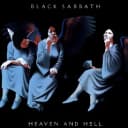 Black SabbathHeaven and Hell

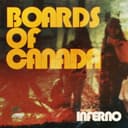 Boards of CanadaInferno
 Bob DylanBob Dylan
 Carl StallingThe Carl Stalling Project: Music From Warner Bros. Cartoons 1936–1958
 DraconianIn Somnolent Ruin
 ElderLore
 ElderThrough Zero
 Fires in the DistanceCircadian Promise
 Green CarnationA Dark Poem, Part II: Sanguis
 Gus G.Steel Burner
 Iggy and The StoogesRaw Power
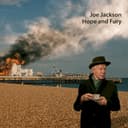 Joe JacksonHope and Fury
 Judas PriestPoint of Entry
 Judas PriestTurbo
 KarnivoolIn Verses
 KhemmisKhemmis
 Led ZeppelinLed Zeppelin
 Led ZeppelinLed Zeppelin II
 Led ZeppelinLed Zeppelin IV
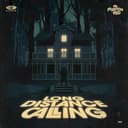 Long Distance CallingThe Phantom Void
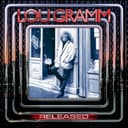 Lou GrammReleased
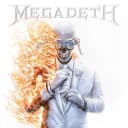 MegadethMegadeth
 NeurosisAn Undying Love for a Burning World
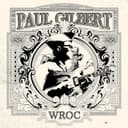 Paul GilbertWROC
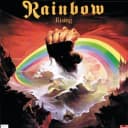 RainbowRising
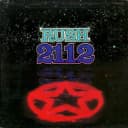 Rush2112
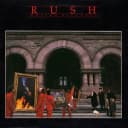 RushMoving Pictures
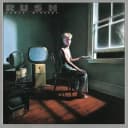 RushPower Windows
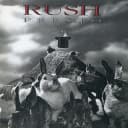 RushPresto
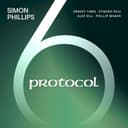 Simon PhillipsProtocol 6
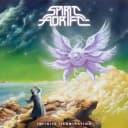 Spirit AdriftInfinite Illumination
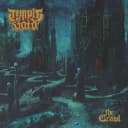 Temple of VoidThe Crawl
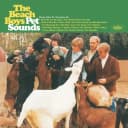 The Beach BoysPet Sounds
 Tom PettyFull Moon Fever
 Tom PettyHighway Companion
 Tom PettyWildflowers
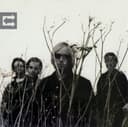 Tom Petty and the HeartbreakersEcho
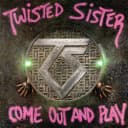 Twisted SisterCome Out and Play
 Twisted SisterLove Is for Suckers
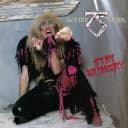 Twisted SisterStay Hungry
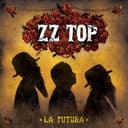 ZZ TopLa futura
Spotify Playlist
● Open SpotifyA bug in Safari prevents playing full songs, please use Chrome.
Transcript
View TranscriptDownload Transcript ⇩
Transcript
View TranscriptDownload Transcript ⇩ⓘ This transcript may contain errors. Please don’t quote it in your yearbook.
There's a podcast that's sure all that rocks hard is gold. And they're climbing the stairway to 11. When they get to there they know the record stores are all closed. But online they can get what they came for.
And they're streaming the Stairway to 11.
Hello and welcome to Stairway to 11. My name is George.
This is John. And I'm TR. And I am Jay.
And this episode, number 34, we have a couple of things we want to talk about today.
First off, we're going to talk a little bit about, you know, we're at the mid-year point and maybe there's some albums. We're not going to do like a formal list, like, you know, an eight-hour Metalheads podcast kind of deal. But we're going to just mention a few things that we like. Then we're going to get into our favorite documentaries. And then, you know, some other stuff. Hell yeah. Yeah. And let me just tell you, this could be like,
like an eight-part series on documentaries. It really could. That's true. And if you guys in the future are willing to revisit this, I am so down. Because there's... There are a lot. I just signed up for a new streaming. I can't remember what it's called. It's on Amazon. All they play are music documentaries and concerts. Oh, wow. Access. No, no, no. It's not. Is it Veeps? It starts with a Q. Like Q-E-L-L-O-S.
or something.
Quello.
Yeah.
I didn't want to say that because I was like, I don't know how to say this.
And Jen's like, she handles all the Amazon stuff.
Because anything we stream, if we can get it through Amazon, because it's easy for her to do on her account.
And I was like, well, I got to tell you, I'm looking here and I'm seeing all this shit I haven't watched before.
You guys know how much I'm going on and on about documentaries.
I'm like, oh.
Oh, yeah.
Or concerts, too.
I mean, does it have concerts?
It does.
I think I know what you're talking about because sometimes I'll get into just the I'll fall into this sort of rabbit hole of just browsing for something to watch and inevitably I end up on this one channel that's like and I'm like I want to watch you know a documentary about Steve Married and and and I'm like that thing again there is one by the way I gotta see that I think it's on John's thing yeah I did rent it once but okay and it was really good by the way it was well put together but in any case I know what you're talking about John and I've
I walked down that road a few times. Yeah, I'm looking right now. Yeah, it's I think it's Q E L L O concerts is what it's called. And it's through something called Stingray. So it's like kind of something through something through Amazon. That makes sense. But so Stingray and Q E L L O it's $7.99 a month. And I was like, because all right, you want to know why I got this? No, I'll save it. When we get to the documentaries, you guys are going to laugh at me really hard about this. It's the it's the ultimate
First World Laziness of all time. All right. So we'll save it for that. Anyway, I keep derailing us. So it's all right. I have something completely random that something you said reminded me of this. It was something like I'm watching here or something like that. And that reminded me of last weekend in Manhattan. I was crossing the street with the with the little white sign guy going, hey, you can walk now. And and this this freaking bus comes around the
I'm like, hey, I'm going to run you over. And I'm like, I'm walking here. In New York. I'm like, hey, it was perfect. Yeah. But the only difference is you didn't have a cowboy hat and those like suede or whatever suede jackets with the little tassels hanging. Yeah. And your name wasn't Dustin Hoffman. Right. But it was it was just one of those moments. Did you ever watch that movie? The Disney Pixar thing and the Day of the Dead thing.
I forget the name of it. The day the princess died? No. It's not in Canto, is it? No, no, no. It starts with a C, I think. It's about the day of the dead. Yeah, yeah, yeah. I forget what it's called, yeah. Well, I mentioned this because I was watching that one time, probably when it first came out, and one of the main characters is somebody who's in the land of the dead, and they blah, blah, blah, and I was watching it, and I was like, that?
It's Gabriel, what's his name, is the actor who's voicing the character, the guy from Narcos and all that. Coco. Coco, thank you. Yeah, there you go. But you go back and look at at least just the trailer to it again, because I was watching and I was like, dude, that walk, I know that walk that his character does, and it's Ratso Rizzo's walk. And I looked it up, and I was like, that cannot be by mistake, because it's exactly Ratso Rizzo's walk.
That's what they based it on. And when you see it, you won't be able to unsee it. I mean, it's ridiculous. And that song just popped in your head right away, Jay. You felt really good about yourself. Everybody's talking. What is it? Everybody's talking? Is that the song? That's exactly right. Yeah. I believe that was called too. Yeah. Do you remember the performer of that? Starts with an N. That's not, no, it's not Harry Nielsen. It is. It's Nelson. Is it Harry Nielsen?
Nelson and Schmelson. Yeah. Yeah. I need to watch. I started that again. Getting to. I started documentaries like this is too long. About him. Yeah. I'm going to watch it. It's worth watching. But I just didn't have over two hours. So it's worth watching. So actually I'm glad you brought that one out. I know we haven't got to that yet, but I hadn't even thought of that one. Yeah. I think it's the name of the documentary. We haven't gotten to it and you hadn't even thought of it. That's pretty good. Like we're so far out. Forget it. That's how many documentaries there are.
But anyway, it's bad. It's bad. It's addicting. So, George, reel us back onto the tracks. Come on in. All right. For those of you who can't see, George is reeling us in. That's right. Jay, any albums at midyear that you've enjoyed so far that came out this year? Well, I hate doing this because I'm just so not in tune with what's coming out right now. I am with you, brother.
Yeah, and I'm more than one to admit that, though. There are always new things I hear and stuff like that, but I have a couple things to mention. And let's just call them new things to me. I had, and I brought up, actually, I can't remember what we talked about in this podcast, too, but since it just started again, the Bear Season 5 is out now, and I've learned so much cool music from that show. So that's set me into a lot of interesting, like I mentioned, the Decembrists and some other things like that.
that are on there and these cool acoustic versions of songs and um and i'll just say the bear
soundtrack is something i'm really interested in i there's so many if you go to like
spotify or whatever you use inevitably somebody has made a playlist of it and there's a lot a lot a
lot of songs and some of them are old soul songs and stuff so but a lot of it is new to me so that's been cool
um and that's not new music but there you go but i will mention also that sometimes you do one of those
Backwards Deep Dives. And what I mean is a band that you've loved for a long time, but you just kind of didn't pay attention to their last few records. And I'm going to give you two. One is I mentioned these guys on probably this cast and another cast, but I didn't really realize how good some of the super late era ZZ Top records are. There's one called Futura that's the last one they made before Dusty.
He'll Die. And it's great. It's really good. It's, you know, you can tell they're old men on it, especially because of the vocals and stuff, but it's really fantastic. I also went to see Bob Dylan recently, as I mentioned to the fellas, and Bob's last few records have been really good, too. And also seeing Bob was great. It's fun to see somebody who's kind of doing this, interpreting his own music this late in life.
So those are the things I'll mention is like I've been kind of sticking my foot into some bands where like Deep Purple would be another one that I need to kind of catch up with their last few records and sometimes you're lucky you go back and you're like wow you know what these guys are doing relevant stuff. So that's kind of it. That and the everything I listen to we talk about this on the show but I listen to music all the time it's just sometimes I'm stuck in 1965 forever so. Yeah. And a lot of mine has been influenced by my
I'm starting to play guitar again after having taken a break. A lot of guitar music that's really influencing me like Peter Green and things like that. And that's it. I don't have much more to say. I can just pass it on to the next fella. All right. So I won't take too long. Obviously, like the new Elder album Through Zero, tremendous. I definitely need to listen to that more. I love the new Paul Gilbert, Washington's Rules of
or WROC or ROC.
And the live show for that was tremendous.
During the time that I kind of did my homework for this, I found out, which was something I did not know, Australian band Carnival released their album In Verses, which I was unaware of.
And I really like this band.
So I need to kind of listen to that a little more. Pelican released a little EP with a song called Ascending, which was kind of new. And Megadeth put out their album, Megadeth, their final album. And I actually, I was never really big, like a real big Megadeth fan. Like I liked their kind of their hits and stuff. And I was familiar with them. And obviously it probably, I guess I've seen them a couple of times opening for other bands.
But their new album, I thought, was really good. And so I've been enjoying that. A couple of other things that I want to mention for this year, the new Long Distance Calling album, which is called The Phantom Void, came out. I just picked that up, so I haven't even listened to it yet, but I really like that band. Yeah, me too. And Gus G is going to release an album called Steel Burner. And I think that just came out, or it's recently out.
And so that has some vocals on it, but it also has some instrumental music, which I'm more interested in. Vocals are optional. Yeah, you know me. So, yeah. So, other than that, oh, and the new Lou Graham called Released, which is kind of like a rework of some B-sides that he had laying around from the past. So, I'm kind of, I'm looking forward to that. I'm actually going to check that out.
of my library to check that out and see what that's about. And then also the Angine de Poitrine. I haven't had the opportunity to listen to that whole thing, but I'm very interested to hear that. And the new Spirit Adrift, Infinite Illumination. I haven't listened to that yet, but I definitely want to check that out. That's good. So that's all I got. It's real good. The new Spirit Adrift. Okay, cool. You mean the final Spirit Adrift. Well, yes. Yeah, exactly. I'm saying the new Spirit Adrift because I'm,
I hope he changes his mind some maybe four or five years down the line because if they go down that route with that with this album that I'm really a big time well you know did you see how you know they played their final show I know and then and then Albert called and said hey we need a replacement on this and he was like all right fine we'll play one more show and apparently they just killed it on the tour too yeah considering they had to throw things together not I mean they were ready to go I guess
But still, that's not easy to get back in that mindset. Well, he's been going through some heavy stuff, too. Of course. Wife going through cancer and all the surgeries and various things she's been going through. And I'm kind of hoping maybe six, seven years he's had a chance to everything is good, hopefully. Yeah, actually, she came back with good results. I actually gave to his GoFundMe thing, and I get updates on her condition. And apparently, they
They got the best doctors and did everything they needed to do. So she's doing well. But obviously it's been really, really serious. And, you know, she's had like some pretty, pretty serious surgeries like to remove a lot of stuff that, you know, most people can't do without. So anyway. So strange. There are a few people who are in the spotlight that have announced serious conditions like Pete Pardo.
has brain cancer.
Yikes.
You know?
Yeah.
And then this may not mean much to people,
but,
um,
Neil Peart's like head of security.
I don't know if you ever met Michael TR at all before.
I,
I,
I was fortunate to meet him.
He apparently is sick too.
And I'm like,
fuck,
he's always,
and it's just,
it seems like it always happens at the same time.
Everybody,
maybe it's just because it's also a sign of the times with the age thing.
I think he might even be younger than us.
Oh, is he right? Okay. Well, that's even worse.
You know, and that was Neil's guy.
They used to ride together and stuff.
And he's the guy who got me the meet and greet with Rush.
But he didn't leave anything for me.
And I had to literally sneak in.
You had to work it a little.
I had to work the system to get in.
But my name was on the list.
I just had to figure out how to get in the venue.
Anyway.
Thank God.
Yeah. So cool. That's a interesting list. You got there really wide ranging stuff. So, well, I guess. Yeah. No, I mean, I left the boards of Canada for you. Well, you don't have to leave it for me. It's what you like. I mean, if you like. Yeah. I mean, I'm, I'm, I'm looking forward to that too. I haven't listened to it yet, but yeah, but I, I'm sure you have. So I figured John's about to background. I figured John's about to take out half my list. So go for it, John. No, it's not worth taking out our list, but anyway, uh, I'm going to start with the same one TR star.
with, which is Elder through Zero. I'm a late convert to this band. I mean, as I've said numerous times, I remember asking George about them, and I was like, I just, I can't get in them. I want to, because they have everything I like. And then I know TR, you'd always liked them, and then I still wasn't jiving, and then Jay's like, you know, I really like this new album. And that was, I think, three years ago from Elder. It's kind of proggy, John. You might like it. And I was like, all right, fine. I'm going to
I'll listen again and I'll like literally saying Jay a message the next day. I was like, what the fuck? It's funny though. And we've talked about this, John, but they, you know, they've really progressed. They've, I mean, you could, it would be, there's no shame in coming to those guys late cause they just, they've been moving along, you know? Right. But now I'm going back, you know, and I'm all the way back to lore now with everything. Yeah. And that stuff's good too. Like, like, you know, to say that they're like better now is kind of not exact.
It's different
But I think
With this album
I think they've got the formula down now
Yes
Finally
Because it's still a little heavy psych
It's not doomy anymore
It's heavy psych more than anything else
So anyway
So I do like that album a lot
And I'm glad you guys
Kind of kept them in the realm for me
My next one is
Green Carnation
A Dark Poem Part 2
Sanguis
Sangui
Whatever
It's the second part of a trilogy
Which I just found out
The Third Parts Coming Out. The third part's coming out like six months later this year. So they're a Norwegian progressive metal band, I guess is the best way to describe them because they've been all over the map in their career. I like this one a lot. It's just this version of the band, which is since they've reformed in 2000, 2020, I think is when they got back and started playing music. I like this version of the band the best, although I do like the early stuff too. But this one seems to
resonate with me. Another metal band, Draconian and Somnolet Rune. They're a Swedish kind of gothic metal death doom band. Love this. I think they get the formula right. I wouldn't even say they're doing Beauty and Beast, which is harsh male vocals and angelic female vocals. This is doomier and deathier than that stuff, but it's very gothic. But I just think they get it right. And I like this one a lot, and I've been listening to it.
a ton. I don't know about you guys now, but since we listened to so much stuff, I don't remember song titles like I did when I was in grade school and high school. I remembered everything. I could tell you the length of every song on an album, and I would still bitch about Led Zeppelin's first album because I was like, how many more times? It's not three minutes and 30 seconds. You could just listen to the song and know it's eight minutes. I mean, I knew everything as a kid. Now I don't even remember song titles from a lot of bands, but I remember
a lot of the song titles. Everything resonates with me for this album. So I suspect it'll be high on Metalhead's podcast and on this one if we do a year-end thing like our top whatever. Got two more. And this one pains me because I may actually miss this show now. But my next one is Simon Phillips and the album is Protocol 6, which is really kind of wild. It's Simon Phillips.
I regret not putting it on my list.
Well, that's okay, because he just got it recently.
It's Simon Phillips.
It's a solo act, but it's like a band within his solo act, which is strange,
because he's created this kind of thing called protocol throughout the years.
It started in 1989, and this is the sixth one.
It's jazz slash, no, jazz fusion slash fusion rock.
It's in between.
It's not a lot of horns and any of that.
It's just a lot of bass and keyboards and guitars and just incredible drumming from one of my favorite drummers of all time. Just came out on June 6th, and it's another outstanding album. He gets the best players, and each protocol's got maybe one, maybe two new people, and then a couple holdovers from the previous one, and so good. And then my number one, it's Boards of Canada. Yeah. Their album Inferno.
them. Although I'm a late coming fan, I didn't get into them until the mid 2000s, which, you know, I only missed a few albums because they don't put out that much. They, I wouldn't call them the tool of down tempo, but they spent 13 years since the last album. Yeah. So, uh, but they're, what is that title? I don't understand their band name, where that comes from. So boards of Canada, if I understand it correctly, it refers to the Canadian
film board or whatever that put together like travel videos i think in canada i think that's what it refers to
sure and so they they like the name and they just named themselves that they're from scotland
of course you know oh really i didn't know that i figured they were canadian
yeah wow they're scottish okay wow yeah so at least we know it's not crap yeah that's right
Exactly. And I'm just a huge fan of it. And this one is no different than the other ones. And each album sounds like Boards of Canada and each album sounds different than the previous album completely. So apparently now, I didn't even know this subgenre existed. They fall in the hauntology. I don't know what hauntology is, but apparently it's a... H-A-U-N-T? Yeah, like a haunt. Hauntology. Spooky. Yeah, hauntology.
Which to me sounds like warm sounds and I don't know what you want to call it. Nostalgia and all that stuff. But anyway, yeah, that's that's and it's I've listened to that album more than any other album this year. Not even it's not even remotely close. That's probably why I'm not listening to as much metal as I normally do. This is taking up all your time. Well, it's so funny because I use this thing called Music Beat and it keeps track. I'm sure you guys, whatever thing you use keeps track of how many people are.
how many times a song has been played? Yeah. You know, you can look it up and there's 18 songs in this album and like the counts for Boards of Canada just shot through the roof compared to my other bands because every time I played, I played the whole album, 18 songs. It's heavy rotation, I think is what they call it. Yeah. Like, holy smokes, how did this band go from like being 20th on my list to like four? You know, so anyway. So just five that I've, and these are the ones I've listened to the most, I should say, more than anything.
else.
And they're all relatively new releases.
That's the thing.
That's kind of a bummer.
So I wish some of my older albums were on here,
but they're just not.
Cool.
I got a few.
Not as many have been mentioned as I had thought might be,
but Heavy Devi Townsend, The Moth.
Have you gone through it like a couple of times?
No.
Yeah.
It's a lot of work. It is. It is. I am going to hop on the Elder Train. Fires in the Distance, Circadian Promise. Nice, dude. I regret not mentioning that, but I will when I talk about my live shows. Yeah, I like it, too. It's good. Joe Jackson, his new Hope and Fury album, the first rock album from Joe in many decades.
John, I'll be going to see them in a couple of weeks. Cool. Yeah, I'm looking forward. I haven't seen him since 1989. J. Earmuffs, the new chemist self-titled. Wait, that should be you, because aren't you anti-chemist? Me? No, J. is the anti-chemist. Yeah, I've taken that. That's the cross I bear. All right. Oh, yeah, you're bearing it. You're like holding it up.
You're like, woo-hoo! You're like, you're like, you're like Aragon at the end of The Return of the King charging instead of a sword, that's your... You're right, yeah. Yeah. Guilty as charged. Yeah. And then we've got Mole or Mule, Dream Crush, post-metal band. Ooh, how do you spell that? M-O-L, but the O has a strike through it, a line through it. I haven't listened to that yet. Yeah, it's good. Okay.
The Surprise Neurosis album, Undying Love for a Burning World. That's good. And of course, gotta mention Temple of Void, The Crawl. And since we're talking about metal a little bit, gotta say the Ash and Horde album, Harvest. Yeah, no, it's good too. Yeah, very good. So that's what I got. Nice.
is really, really, really prolific, man. He doesn't stop. He just keeps. Yeah, good for him. Yeah. This album is something else. Yeah, it's gonna, we'll see where it ends up on Metalheads. Yeah. There's gonna be a lot of death doom on Metalheads this year, I think. You think so? For some people, perhaps. Okay, I'll buy that. I've got, I think, not divulging anything for my album of the month for,
I think three of my six are Death Tomb albums. Is that right? Yeah. It's kind of funny. It's just one of those years. That and a lot of post-metal. The second half of 2026 is post-metal heaven. You got Russian Circles, The Ocean. Yeah. Macedon has a new song out. And they're not post-metal, but they got that sludgy thing going. A little bit. They're almost post-metal. Kind of a tiny bit, you know.
Cult of Luna has a new album coming out. That new song is awesome. So, oh yeah, Neurosis released an album like George said. Pelican has an EP with, I guess, two new songs of the four. Right. Russian Circles song is really good. We just need Isis to get back together. Yeah. The band, to be clear. The band. Yeah. Yeah. And then, yeah, you know, they shouldn't have to change their name. The other guys should have to. Yeah.
That's right. Yes. The terrorists need to change their name. Bring a copyright lawsuit against the terrorist organization, please. They need to take them to court. My bankrupt them and end this shit. Yeah, right. I'm sure. I'm not making light of this, by the way. No, no, no, no. If you know the story of ISIS, I think Aaron Turner made that comment. Yeah, we don't want to have to call ourselves ISIS the band. But it would be funny if those guys were calm people. It's Abdul from ISIS. No, no. The other one.
Yeah, yeah. We're the terrorist group, not the band. They kill it on stage. We kill it in public. Yeah. God, that was probably terrible. I'm sorry. No, I think they're a little passe now. You can make fun of them. Yeah. Fuck. All right, cool. Those are some good tunes with your earl. That's a good mid-year stuff. All right, well, let's talk about some documentaries then. Can I just say before we start that,
And I think we all probably feel this way that we one thing we agreed to do is sort of share some titles with each other. And I think we're kind of living in the like golden era of documentaries because we all kept coming up with so many and we're all like, oh, yeah, I saw that. And then there's that one and that one. So anyway, long story short, before we even suggest some of these to you folks or just talk about them, there's a lot to watch out there. Oh, yeah. I'm so behind. So much. Yeah. So in any case.
And just real quick, I've said this before, and I think, Jay, you definitely are the same. I'm not sure about George. I think you do to an extent, and I'm not sure, Tierra at all, because I know there's some stuff you may not like that you won't watch. I'll watch any documentary about any artist. I don't care who it is. Even if I hate them, I will still watch it. Yeah, that turned me around on a couple things. I watched the Bee Gees documentary. That thing is really good. It's fantastic.
I was like, okay, so the stuff where he's not like singing falsetto is really cool. Yeah. And honestly, sometimes you come around to the stuff. Yeah, I know. I'm getting there. Yeah, I'll tell you. But that was, that was, sorry to interrupt, TR, but that was, that was my, my gateway was, okay, so the stuff that isn't falsetto is cool. And then, then you sort of come around to the rest. And then when you realize how it even happened to begin with, and you're like, huh, okay, this is interesting.
But they did always have exemplary voices. So we've all seen that one, it sounds like. No, actually I haven't. I think you'll like it. It's good. Well, that's the thing. I've never been a big Bee Gees fan. Me neither. And that's the thing. With some of these documentaries, it's kind of similar to, and I've talked about this before, where
I would read interviews with bands in guitar world that I had no interest in whatsoever. But you read these interviews and you find out from like you, you like it just it humanizes them because it's like you're talking to a person and they're talking about what influenced them. And it's like, forget about like what you think this band is about and what you think like the appearance of this or whatever.
you're getting to the actual person. And you are getting like their, whatever the impetus behind them is. And it's hard not to feel moved or not to feel like, okay, this is a real human. And this is somebody like, you know, it's easy with these bands to get like swept up in what the record company or whatever the thing is that like, they want you to believe about.
about a band or like the appearance or or the you know whatever it is like that that is really nothing really about the band but when you read the article and you hear the words from the person themselves about what inspired them and what was interesting to them and why they wanted to get this tone and all these other things they become like regular people and regular rock and roll people and it kind of changes like how you feel about a band that's
that you really didn't maybe care for or didn't even like. Yep. But once you see like, oh yeah, these are just regular dudes. And they're inspired by the same things I'm inspired by. And they like the same bands I like. Maybe they didn't make music that I would make. Or maybe they didn't make music that I'm interested in. But it's still somehow somewhat compelling to me. Of course. Plus like the tech talk in the guitar magazines. I always loved them.
Yeah, me too. It's hard not to because it's like, oh, what are they using? What kind of boxes? Yeah, and then they would say this. What kind of amps are you using? But you make a good point because I liked the Bee Gees well enough and that was kind of how this started. But that documentary is fantastic. I mean, it was really just so engaging and interesting and you learned, as you say, a lot about them as people, their tragedies, their triumphs. It's also just fun to watch somebody kind of make it big and then fall and all the different things.
that happened to a band. Yeah. You know, covered. Well, I say again, I think we're living in the golden age and I think there are more quality documentaries out there now that have been for a while. Yeah. Yeah. We're going to just throw some titles out here. Why'd you kick us off? I mean, should we, are we okay going in our like typical order, but if we come across that we all have, we just knock it off our list right then. Why don't we just all throw one out there one at a time and just kind of go around. Yeah. That's cool. That's what I'm saying. Just to give it some
Semblance of order, though. So we're not all talking. Semblance of order. What? That's perfect. Chaos is best. I'm going to start very recent. And because it's one I watched recently that had a massive effect on me, and I'm going to detail that briefly. But it's the epic Elvis Presley concert. Yes. We, TR was lucky enough to see that twice, I think both times, probably IMAX. It's like, I think. Yeah, well, at least one of them was IMAX. Yes, absolutely. But I,
And here's what I have to say about this. First of all, it's not a straight up. It is a documentary. In fact, there's probably less performance in it than you're going to expect when you go to see it. It's not nearly as good as The Seeker as far as that goes, but it covers the hot points. But what really happened in this, and I'm kind of an Elvis aficionado, as the majority of the footage is taken from two documentaries that already exist. One's called The Way It Is, and I can't remember what the name of the other one is, but I think it's just called Elvis Live. And they kind of followed him around on two.
and stuff and blah blah blah. So like all that stuff, TR, that you see him talking about singing gospel all night, that's kind of in the other one too. I thought this was like unreleased stuff. It's unreleased stuff. Well, some of it was. Unreleased from this documentary, but not from other documentaries apparently. Exactly. I wouldn't call it cutting room floor stuff, but there were two revelations I had from this thing that made me love Elvis more. One was, and I know we all know this, but how much of an absolute idiot,
Tom, Colonel Tom Parker was because the editing, the way, because the other documentaries that this footage was, had died from or was removed from, both would have been a thousand percent better with this footage. And I'm sure that this, what happened was this came, I'm sure, first of all, somebody put it together. It went past Colonel Tom and he was like, it's good enough. Put it out. There's got Elvis. You know what I mean? That was it. Like there was no editing process here. Just sort of like it needs to have this hit, this hit, this hit, this hit, this hit.
Well, so there's that, and that's depressing, but then secondarily, having Boz Lerman gotten his hand on this footage and stuff and done the right thing, these are all the best performances of the songs he chose. And one thing I really learned from this, and this is where I'll kind of hand it off to someone else, is that Elvis is the gyrator and all that stuff, and he did that through his whole career. He was doing karate in the 70s-ish.
He wasn't the beautiful thing it was when he was a kid. But one of the things out of all the Elvis footage I've ever seen, this one really reveals how much those movements and things that he's doing, how much he was leading the band. Like, how closely they were following him. And I, you, like, you know that, but when you watch the other edits, you just sort of like the ending's coming up, they're all going to wait for Elvis to wiggle his hips and do the karate and it's over. No, man, you watch, you watch, there's a great song in here called
And if you watch him direct this one from start to finish and the other stuff, he's sort of, he's running the show. Yeah. And, and, and not only that, but it was three performances of that song. Right. Yeah. Yeah, exactly. Which, which like they, they, they seamlessly put together that, that from three different performances. And that was what like amazed me the most, the fact that like, you're looking at three different performances of the same song, but yet.
that each of them was really fresh. And each of them, like he, like they interspersed a number of different images through that, through that song of like his family, you know, like the things that the, the challenges that they faced. And you can see like what he's talking about in the song, which, you know, he didn't write, but like, you know, it's, it's, it, it definitely applies.
to his life and his family. And some of the commentary that he says before the song, before he gets into it. And yeah, Jay, I totally agree. That particular performance of Poke Salad Annie. I think it's the centerpiece of the whole film. It really is. And the way that they interspersed those three performances together show you, first of all, how important that song was to him.
And secondly, like how he, you know, there were certain things that he retained through the performances of that song throughout time that were important to the, the, the storytelling of the song.
Well, and you see, this is obvious, but you see how much he likes music in this. Cause there's some things where he's like directing the band as mentioned and he'll let them go for five, three or four or five minutes. And he's not singing much.
One other thing I'll point out was how much the band loved him and that was that there's he's singing Bridge Over Trouble Water in this which there's footage of in the other movies that I mentioned but it's just the rehearsal so I was really thrilled to see one of the performances of it and the guy who sings bass in his choir there's this one point where Elvis kind of twists something and he does it just a little bit different just a point where he kind of hits a high note and stuff and does his own puts his own little pepper on the song and it stuck out to me immediately I was like
who gave me the goosebumps and then they flash over to the bass the choir and the guy with the bass has a look he just goes like this like he shakes his head like i cannot believe what am i gonna do for that right well it's but it's sort of like i get to watch this guy every night he's gifted i see it so i i mean that was a lot about one thing and that wasn't the most documentary of films but it was something that was excellently done that i think directors directing and editing matters yes
Yeah. And if you really want to watch some Elvis performance footage, that's the one. Cool. I wanted to try and get that in before we did this, but it just didn't work out. Yeah. Still on my list, though. Yeah. Yeah. Well, you'll love it. You'll love it. I'm sure. I guarantee you, you'll come out kind of feeling like... I was rejuvenated about Elvis after I watched that. It's just such a great... It's such a great...
The performances that they used are just tremendous. And that whole Vegas residency, you could tell just like, it was powerful. Oh, actually, I'm sorry, just because I remember the residency. You mentioned it. So here's some of the other things. There's footage of like Cary Grant in the audience in the other show. This one, he's backstage talking to him. Yeah, Sammy Davis Jr. is back there. And so was Sam Cooke. Sam Cooke, Sammy Davis Jr.
And Terry Grant talking to Elvis and some idiot in the first documentary was like, we won't put that in. And it's funny, too. So anyway. Yeah. Yeah. And Sam Cooke goes, I see you used all my moves. Yeah. But Sam Cooke died in 1964. Hold on, maybe I go. Maybe it's Jackie. Hold on. Jackie Wilson. Yeah. It might have been Jackie Wilson.
Wow, calling me out the facts. Well, I was just like, hey, I know. I was like, I don't think Sam Cope was alive in the 70s. Yeah, I don't think so either. Yeah, maybe it's Jackie Wilson. Hold on. We'll go ahead with whatever you're gonna do, but I can confirm or die. Please, let's move on to the next person and I'll find that. T.R., what you got? So there were a whole lot of different documentaries, a couple of which I was,
lucky enough to see in theaters. So I always look for these things when they come out in the theater. One of them was Becoming Led Zeppelin, which was the story of Led Zeppelin leading up to basically their first year of, you know, well, everything up to including maybe the first to second albums. And it goes through the history of each of the guys as children going up through, you know, joining the band.
and what they were doing at the time. As a fan of Les Zeppelin, I actually learned quite a bit from this movie because there were certain things that I found out that I didn't even know. One of which was that John Paul Jones played base on one of the James Bond, I can't remember which, I think they, I can't remember which. Goldfinger. Yeah, Goldfinger. So he was on the, on the,
the Goldfinger song because he was a studio musician at the time and he was doing a lot of studio work. So that was a big surprise to me because I didn't know he was part of that. Got a whole lot of gold. And so, yeah, and that was, I really enjoyed that one. One of my favorites also was D.O. Dreamers Never Die. Wait, are you doing all yours right now? Oh, I don't know what we're doing. You're doing one. Yeah, doing one.
Okay. Yeah. That's it then. Becoming Led Zeppelin. How about it? Okay. Yeah. I agree. I like it a lot. Here's the thing. It's not, there's a lot of material on there that you can get from other documentaries or shows or whatever. And that's been sort of a complaint from people, but there's one big difference on this one. This was approved by the band. Yeah. And they were notorious for saying no. Yeah. No, we don't want to be involved, but they approved this. And that gives it more credibility to me. Yeah. All of them.
I mean, there's still three guys alive. There was a performance on there, though, that as a Led Zeppelin kind of completist, I'd never heard. And I'm trying to remember. I want to say it's a studio recording. It's like some soul song or something. I'll look it up. My only disappointment about it, and the title told you what it was going to be, but I just wanted it to keep going. Oh, yeah. Yeah. Because they stopped right when to, because it goes right up into 1970, which is right when they were. Like breaking big. And it's funny.
they were playing in San Francisco,
halfway around the world for them,
you know,
or part of the way around the world in 1969,
which is kind of crazy because nobody thought they would amount to
anything.
And I think they stopped right when two was,
was hitting and it was big and they were starting to get their own
headlines at that point,
you know,
tour wise.
And I think I love it.
I think it's great.
I agree.
I don't care what anyone says.
In there,
but one of the,
Speaking of that 1969 tour, it was pretty much accepted that when they got back, they were going to kick Robert Plant out. But that just didn't happen. They all called him Percy because they got tired of the kind of hype. But I think it was, I don't know who went to bat for him, but that tour, they were going to be there like, yeah, when we get back, we're getting rid of this guy. Sort of like Metallica with Lars and then Cliff died. Yeah. Difference there is, I think,
Cliff wins that argument if he's still around. You know, he was such a dominant personality in that band. Don't you guys think if anyone was going to say Robert Plant be John Bonham? Because weren't they friends? Yeah, they were buddies. They were pretty tight, yeah. Yeah, and just knowing how much of a regular guy John Bonham was outside of Led Zeppelin, he never wanted all the fame. He's just a regular dude. Anyway, yeah, that's a good one, TR. I like that.
I had that on my list so it's knocking one off thank you yeah I haven't seen that one yet either uh anything that involves Led Zeppelin or Rush Barb's not gonna watch well I will tell you when it comes to this one there is one thing that uh if you're not a fan you won't like there are extended concert footage shot of songs like they'll play the whole song you know at some point where you won't have anyone talking and you're like
Yeah, but Led Zeppelin Live, their songs are long as hell. And it seems like they almost turn it up volume-wise on the video. There's a couple 69 shots where they're playing in that little square on the stage, and there's people surrounding the stage. It's a small little... That was Denmark. I think that was their first TV appearance in Denmark or something like that. I think it was their first TV appearance. And they're just so raw and so loud and so... They were almost psychedelic a little bit on that performance.
You know, and I think it was... Oh, I think, yeah, isn't Jimmy playing that psychedelic? Yeah, and it's all... And he's all on a Telecaster, too, and it's just crazy. So, yeah, good one. Jimmy Page plays a Telecaster? He did early on. Yeah, that's when one, man. It's unbelievable. You know, there's a meme, George, that is... It's a picture of Led Zeppelin 1, and it says the album, the Telecaster that launched, you know, millions of sales in Les Pauls. Right. Yeah.
Well, that's the thing. When I found out that that was a Telecaster, I was like, you gotta be kidding me. I could not believe it one bit. A Telecaster made that sound on Zeppelin 1. Wasn't it Led Zeppelin 4 when he fully was the Sunburst Gibson all the time? Because he mixed all his guitars up, I thought, on the first three albums. Yeah, he did. And he got the 59, which was like his buddy,
from Joe Walsh, of all people. So he got it on tour in the States. It couldn't have been at least until the second tour or something. Yeah. About that, 59. I have so many old archival pictures of him with all different guitars. Sure. Anyway. All right. Oh, he is playing in that Royal Albert Hall show that we like so much. Yeah, it's good, too. All right. So I'll jump into mine. You guys have heard me talk about this one before, and that's why I'm just going to start.
with it first because I think it's one of the best documentaries you can watch on music even if you don't like the music but it's an extremely important story and that is the documentary The Wrecking Crew which talks about the LA based group of session musicians famed for having played on numerous hit recordings that's an understatement that is totally an understatement however this is a generic statement but they played on numerous hit recordings throughout the
1960s and early 70s. They played on everything. Yeah. It's unreal, dude. It's not a joke. It's not even close to a joke. And there's no actual defined number of people in the wrecking crew because not one of them can tell you how many people are in the wrecking crew. It's anywhere from like 15 to like 40. Maybe more. It just depended who was available. Yep. But what the story is, is somehow,
this loose confederation of musicians somehow formed to become the backbone of some of the biggest songs at that time that are still, you know, really well-known songs to this day. And one of the best Overkill albums ever. Yeah. Meanwhile, back at the Hall of Justice.
If you're not familiar who these musicians are, I'll give you some names, then I'll tell you who they play with. This is very, very limited number that I put on here. One of the main ones, I'm mentioning him first because I believe his son is the one who got the documentary together. It's Denny Tedesco. Tommy Tedesco, right? No, Denny Tedesco is the one who... The son. Oh, he did the son. Yeah, okay, right. The guitarist, his father, Tony Tedesco, as they indicate in the film,
which is actually Tommy Tedesco because they couldn't even get his name right. That was the joke that his son put in there for his father. He's instrumental because that dude played on everything. And if you saw him in person, this guy's not a guitarist. Yeah, he was. And he's mad ass too. But here's a few other. Carol Kaye, the queen of bass. Actually, she's just one of the greatest bass balliers, period. Male or female, it doesn't matter. She's played on so many, so many albums. And she actually
Pop people had to play bass that were way more famous than her as bass players, and they still can't play for squat. Hal Blaine, the drummer, Earl Palmer, the drummer, Glenn Campbell. You know who Glenn Campbell is? I can't help you. Leon Russell, who I completely forgotten was part of this. The names go on and on and on. But now I'm going to just real quick tell you some of the people they played for. So what would happen is you think these bands were playing their own music, and they weren't.
It was actually this group that would come in and they were notorious for working all day long. And they would go from session to session to session on the same day. In the morning, we're playing here. The afternoon, we're playing here. And the evening, we're playing here. And they wouldn't all go together. They were just booked. And they would end up playing. They knew each other so well, they didn't really even need to do much. And they ended up writing a lot of the music or composing a lot of it because they were just in the studio all the time.
And this comes up because the reason I want to mention this is because another one I want to talk about. If somebody else does, then I'll add to it. But the way it's changed for session musicians over the years is completely different than when they were doing this. But they recorded, I don't know if people listening will know these, but these were big names at the time. Janet Dean, the Righteous Brothers, the Beach Boys, the Birds, Gary Lewis and the Playboys, the Mamas and Papas, Sonny and Cher, Frank Sinatra, Nancy Sinatra,
Dean Martin, the association, the fifth dimension, Ike and Tina Turner, Simon and Garfunkel, Glenn Campbell when he went solo, Neil Diamond, the monkeys. You think if you think the monkeys played on their, oh, their first, I mean, you know, I was, they were the original Milli Vanilli. They were, yeah. But to their, well, I think Peter Tosh played already, I thought. But because he, in the documentary he talks about, he's like, okay, well, I'm ready to play. It's like, no, Peter, you ain't playing on this. We've got, we've got the guy.
We got a guy. Yeah. But to their credit, I mean, like Mickey Dolan learned how to play drums. They did. Yeah. They, they, they became a band and played. So I'll give that to them. Uh, but I'll tell you, they weren't playing on that show. Um, at Partridge family, same thing as them, the Carpenters. I mean, they played with everybody and for everybody. Uh, the one that's the two that stuck out the biggest to me is the beach boys. Yeah. When Brian Wilson said, yeah,
you're just gonna sing on this album and guys were like what are you talking about like no i want this done now and i want it done right you know and so people don't even know that that i think actually pet sounds they're all on pet sounds oh yeah like 20 of them on there yeah you know um any other one that go ahead well i was just gonna say one really cool thing about that documentary and i apologize because i stood up for a minute it's simply that
I like the um Glenn Campbell was part of the wrecking crew and it was it's a very
interesting story that he was part of the wrecking crew and then and then he went out became Glenn
Campbell and there's some fun that cool that cover kind of what it was like for him to come back in and
kind of the shit he took about that and you know but yet they all played on his solo stuff of course
they played on his stuff yeah they're like oh it's Glenn you know what I mean it's like yeah he's he was a
He's a fabulous player, too. Oh, yeah. He really can. He's a exemplary player. Yeah, Glenn can rip. Yeah. So, and real quick, the last one I'll mention here, the one that really stood out, too, for me was The Birds. When it was decided, no, no, no, they're going to play the parts, and to hear David Crosby get pissed about it, you know, and I'm thinking, really, were you that good of a musician that you're pissed? Yeah. I've never been a fan of his. I've never liked him. I'm not talking ill of him because he's passed
I just never liked him. And Laurel Canyon, that documentary, rubbed me so wrong about him on that. But to hear him complain, and then you realize, yeah, we'll have you play this song, as opposed to these other musicians that are just top flight. Those were the two that got me, that and the Beach Boys, which I already knew, but just to hear them talking about it was great. I have a strange and brief, very brief personal story about David Cresby that will make you hate him,
And that is that I used to work at this fancy hotel in Tucson. And we'd get famous people there from time to time. And I was just a waiter in the restaurant. It was this beautiful building. And so sometimes people... Just Jay as a waiter is like blowing my mind. You're blowing your mind. Yeah. And one time I was walking through the dining room between breakfast and lunch. So it was not open, but you could walk through. I mean, it was... And the building was so beautiful, people like to walk around and look at it. And I walked through the dining room and there's David.
Crosby. And just that I kind of, we ended up walking kind of right up to each other face to face because we were taking the same path going in opposite directions. And he looked at, he stopped and he looked at me and I kind of stopped and we were really high on like etiquette there for one thing, but he raised his eyebrow like, yeah, it's me, David Crosby. And I was like, can I help you, sir? That was it. I was like, I'm going to give him. And it was partially because I didn't want to get fired, but also I was just like, he really was like, you just
just walked into a legend buddy and i was like you know we'll be open at noon sir you know
not having it and yet jay if alice if alice cooper walked in oh yeah
i'm gonna go hand in my resignation i don't know what band you're from sir but i'm gonna need you to
leave we have a rock star yeah anyway i would highly highly suggest watching this it just gives you a
different perspective on the industry back then.
Which, it's not the industry today.
Completely different.
By the way, it's also cool that those guys all probably made a really solid living doing that.
So we just got paid to walk into a room and pay guitar all day long.
And in creative situations where they were like, we need something pretty fancy for this in the next five minutes, you know.
Yeah.
Yeah.
Loved it, dude.
Well, and that's an interesting aspect of this documentary, because they talk about how they were making good money, but then once it ran out, and I still can't believe that there was a turning point where the record companies actually accepted the fact that these bands wanted to make their own music and didn't want to hire these other guys.
But yeah, once it dried up, it was like, you know. They talk about that. I can't remember who said it. It might have been Carol came. I don't know. They said, well, these bands, they actually could play their instruments now. But also, you know what it was? It was like low rider. It was like, I mean, easy rider. It was that time when this wave came through Hollywood where like, let's give the money to the hippies and see if they can do something, you know? Yeah. And it just, yeah, I just, they, the perfect storm happened at the,
I have a question because I watched it back when it first came out. Now this has been quite some time so I don't recall but am I mistaken that Phil Spector comes into that at some point? Yes. He's involved to some degree. Definitely. Yeah. Because he definitely they employed a number of those people for Phil Spector albums for sure. Yeah. They talk about the wall of sound and everything. Yeah. Wall of sound. Yeah. And some of those guys were part of that wall of sound correct? Yes. Absolutely. Okay. All right. So my first one is
I think actually the most recent one that I watched that really, really blew my mind and I loved it so much. And that's Norman's Rare Guitars. I love that. About the guitar shop in Los Angeles. And what an amazing documentary this was. It's not about a band, although there are many artists from various bands in this documentary. Slash, Joe, Bonamassa,
He's in it a lot. He's in it a lot. Yeah. In fact, there was even talk that he might be the one to take over when Norm retires. That's legit. He really likes that place. He's a huge gear nerd too. Big time. Yeah. And, you know, I mean, I love guitars. I mean, I love guitars. Yeah, you can see it. Like for those of you that can't see what's going on right now, behind George, there are numerous guitars that...
Yeah. And they're all pretty awesome. And I'm, you know, kind of drilling all of them.
Well, that's because I got the Gibsons all lined up against the wall. But yeah, I love guitars. And this store, oh my gosh, I haven't been to it yet. But the plan is to hopefully be there this year. And, you know, it just started off. He was he was a musician, you know, small time musician. No, no real big
a deal or anything, but he loved music and he was doing music and he figured out he could make some bucks by selling, you know, guitars to people and lived in L.A. So, you know, he ended up eventually having connections and he found, I think the story in the documentary was he happened across this old Gibson L5 or something like that.
And somebody was like, yeah, it's worth a lot of money. And so he started buying up like, because back in the day in the 60s, early 70s, whatever it was when he started, you know, guitars were cheap. Yeah. You know, not like they are now. And so he was able to build up an inventory of relatively quality and rare guitars. Vintage instruments. Yeah. And, you know, he hooked up George Harrison. There's a story.
Well, there's a story in there where one of Georgia Harrison's guitars was stolen, and it showed up at a guitar store or pawn shop, whatever it was, and they found it, and the person at the store that had it was like, yeah, you can have it if you just replace it with the same guitar. And so George Harrison went to Norman and
He got him a guitar to replace it with. And, you know. And this was all early on. This was out of his apartment, wasn't it? Yes, that was out of his apartment. So he had George Harrison. People were coming to his apartment. Yeah, his apartment. It's a shitty apartment that was full of guitars. It is right. Yeah, and he tried to warn his wife. He's like, George Harrison's coming over. And she's like, yeah, whatever, whatever. And then he shows up and she's like, why didn't you tell me? Yeah, right.
But I think that did is didn't he say that's what she realized there was something to this. Yeah. Yeah. Yeah. And so, you know, he went he went from an apartment to a store to a bigger store. And it's it's this massive. You know, what's in the store is one thing, but what's in the back? Oh, my God. Yeah. The the the warehouse. The warehouse. Yeah. Yeah. The stuff that you don't get to see. It's all stuff, you know, and it's all labeled.
by the musicians that it came from. It's like, oh, this was Bob Dylan's guitar. The last scene of Indiana Jones. The greatest lost art. Absolutely. They even mentioned that. What's he got in there? They even mentioned that in the documentary about Indiana Jones. And it's this massive warehouse of guitars. And it's just like, oh, that is the Holy Grail right there. And the oddness of this documentary is who put it together? Who was behind it? Wasn't it Jack Bauer?
Oh, was he? I know Kiefer was in it, but I didn't realize it was his. I think he was instrumental. He was like an executive producer or something. Yeah, and he was involved. Yeah, and he shows up a couple of times. Yeah, he sits on the couch, which is cool. I got this couch where you could walk in at any given moment and see. You know what it was? Jay, you'll appreciate this. And I know you will too, George. It was the couch like a decibel that we had that one year.
where you walked in and literally there could be 10 musicians hanging out with us, drinking beers, eating pizza, and somehow not getting that rowdy at the hotel. That's the couch at the storefront. There's a neat addendum to it too, which is that they have a pretty active YouTube channel and whoever walks in, if they're amenable to it. Oh yeah, they're on video. Be it Paul Stanley or Slash or Joe Bonamance or whoever it is, they'll post.
up that day and they have like one of
Paul Stanley with his kid who's a performing musician now of some sort and he's in there buying him his
first guitar you know it's it's an ongoing kind of family of stuff over there and yeah and they they're
real active on there I think they do a guitar of the day every day yeah they they do a lot and uh there was the thing about the kid that came in with the cancer and he was a big Richie Sambora fan he was like I know Richie and he
And Richie's like, I'll be right there. That was a fair, that was a cool story. That got me choked up. I'm tearing up just thinking about it. Yeah. It's, you know, it's the, it's the part of the industry in general, and probably even like, especially Los Angeles, be it Hollywood or whatever, that's kind of dying. Like this is one of those last places, like one of those bars where, you know, like if you went, you knew you were going to see all these actors there and stuff. And Norm's is kind of like this last thing that's holding on there. I'm sure there are others, but you know what I mean?
Yeah, it's a really sweet documentary, and it's a very cool story, and he seems like a very nice guy. Yeah. I'll add this, even though I'm speeding things along here. Jay, you know how much this pains me to say this, but as a Northern California born and bred and lived my first, I don't know how many, 25 years there, LA seems like it would have been a really cool place to be in in the 60s and mid-70s because it wasn't
that big yet there was stuff there but it wasn't what it is now and back to the wrecking crew and it applies to norms too everyone kind of just was out there and it was just its own scene because the music scene was new york period everything was there because it was so corporate but out in la it was kind of like the industry i'm talking about not music scenes yeah we got all this stuff going on because there's another documentary i know is going to come up that's about that period from la and it just seems like if you were a musician
back then, it was really wild and cool. And kind of the frontier a little bit out there, even though it was business. Anyway, that's all I wanted to say. And it pains me to say that because, you know, I'm from the Bay Area and it's just the way it is. Although I will say this about LA that I just mentioned, like all these old places, like these dive bars and stuff, they're still there. And that's, you know, they may not be full of cool people, but LA has got, it's held on to it.
to old weird diners. Supper clubs are cool. Yeah, it's fun to do. It's fun to do. Last time I was out there a while back, must has been many years, but there's a wonderful old place called the LA Athletic Club where I'm sure all the movie moguls and stuff, they just turned it into it. You can stay there now, but it's still the LA Athletic Club. And it's so, it looks like it's a Perry Mason movie in there. Yeah, very cool. All right, Jay, so you're up. What do you got? I've got a list here, so I'm just going to look at it.
and see what I want to pick. I know I got so many to pick. It's hard. Yeah, it's hard. But I think I'll go with. Because we said, well, we're not necessarily huge fans of these, but I do like this guy, but I especially like his band that he was in. It's the Stooges, which was. So there's one about Iggy Pop called Gimme Danger. And it was made by Jim Jarmusch, who is a who did kind of underground. Films in the 90s.
He's still around, most namely one that Marcus on our friend brings up a lot, which is a Western called Dead Man with Johnny Depp. And he did a movie called Mystery Train and some other stuff. But anyway, he made this movie about Iggy and the Stooges, and it's really more about Iggy Pop. And it's one of those ones that's just done so well, because it just brings this kind of like guy a little bit down to earth, even though I think that's who he actually is. And it's really, and I think it's proof of what a good director can do.
in a situation like this instead of just slapping it together yeah and yeah handing the project to some corporate or whatever it is um and i do like this too just and i do like iggy pop i just don't like the totality of his career but gave me danger um about iggy pop is a very entertaining documentary about the ins and outs of late 60s early 70s art rock heroin addiction blah blah blah you know coming out of a small town and what he did
What's that? That's weird. He did heroin? Yeah. His parents got him off of it. Which is something you learn in the documentary. Here's one of my favorite scenes from the documentary. You saw how much of a kind of like Midwest guy he is. He talks about he says, yeah, there was these cool kids at school, you know, like the cool high school kids. And for a minute, they
they kind of liked me, you know what I mean? And I kind of thought it'd be cool to be in with these cool kids, you know, and they were like the greasers or whatever it was. I don't know. Or the jocks, maybe. I think it was. And he says, and then he tells this story and he says, and they came over and they lived in a trailer, him and his parents who were like arty people. And they lived in this trailer, you know, trailer. And he said, and they came over there and they were immediately, this was the end of his relationship with these guys. Cause they were like, this idiot lives in a trailer and he's beneath us and blah, blah, blah. And I, and here's the part of the documentary. I were like,
And he says, and they all went up and thought it'd be funny to shake the trailer. So he said, they all got all these high school jocks and they get up and shake it. And then this is the part of like, and he goes, which they couldn't, you know, he's like, our trailer was a good trailer. And then, and what he was talking about was his drive to be a musician. And he, and he just sort of said, and then it ends with this. I don't even remember the exact sentence, but it's something to the tune of like, yeah, someday I'll get those guys back. You know what I mean? Like, it's just great.
But anyway, very entertaining documentary. So did they get into any of his stuff that he did with Bowie on the first two albums? Yeah. Actually, they talk about the relationship and how it ended somewhat abruptly, at least in the professional sense. Yeah, totally. And it's a very interesting story, and it's totally worth seeing. Yeah, most people don't know that a lot of songs on the first two Iggy Pop albums he co-wrote with David Bowie that Bowie later on recorded for himself.
Well, he brought them over to England to do the album that ended up becoming the Stooges' Raw Power. And he was kind of wrapped up in it and helping. And then he just, like, dropped them. And he was just, like, he was, I think he was having diction issues of his own, and he maybe had some interesting project. And so now they're sort of, like, over in England with nothing, what do we do? It's worth watching because it's full of little things like that.
Yeah, I'll have to check that out. Cool. Awesome.
Okay.
So, as I mentioned earlier, I was going to look at the Dio Dreamers Never Die documentary.
And it basically walks you through Dio's whole career.
And it's pretty intriguing because, you know, he started as kind of a doo-wop guy back in the 50s.
and then became the metal master later on, which is pretty amazing to think about, given his career in Elf, which then Richie Blackmore kind of stole Elf as his backing band when he put together Richie Blackmore's Rainbow. And then, of course, Dio's solo career and then his work with Black Sabbath and just all the things that he became.
And one of the coolest things of this documentary, in my opinion, was when, I guess, Jack Black is talking about when they asked Dio to be on the Tenacious D album. And they said, you know, we'd like you to come down and do this vocal. And he came down with his own microphone. And at first, they were just like, well, you know, we've got everything.
set up. It's cool. We don't need to do this.
And of course, whatever setup they had, he just blasted it out.
His vocals were so powerful that it just flatlined everything.
And they were like, oh, okay, well, let's try your microphone.
And of course, it was perfect, right?
He knew. And he knew that it would be just right.
And it was so funny just because they were like, this guy had his own microphone.
Because he knew his vocals were so powerful. It was beyond most technology could not even handle this guy's vocals. And they said, yeah, once we used his microphone, it was awesome. Everything was perfect. We didn't have to adjust anything. It was like, yeah, there it was. You're not using Assure, you're using a Neumann. Yeah. And so that was one
One of the things that stood out in that documentary to me, along with a few other things that, you know, like there was a time there when he was just kind of slogging through during the whole grunge period when metal was bad. And, you know, he just kept going and, you know, keeping with his fans and, you know, he kind of quit singing about rainbows and stuff. And so, you know, it was obviously a little rough and he was like, I got to
who saw him in Dover, Delaware of all places at a place called Froggies, which is like this tiny place. And Dio played there. I saw him at the Wrecker. Okay. Yeah, exactly. It's like exactly like that kind of thing. Like that probably I'm sure that was like maybe the Strange Highways tour somewhere. And like, yeah, I think it was killing the dragon, but okay. Mid mid nineties or something when, you know, obviously like at that time, you know, I guess his stock was not riding as high.
and, you know, it's just, it's unreal, but like he stuck it out. Like he just believed in what he was doing and he kept going and he believed in his fans and he kept, you know, doing things for them. And so I really enjoyed this documentary, Dio's Dreamers Never Die. Nice. That's another one I haven't watched. I got so much to watch. Yeah, it is a good one, John. It is really good, John. I think it's about the level of,
one of the well put together maiden documentaries and I still haven't seen the new one but like the early years if you ever saw that early years is great really they really cover the stuff and they really like for instance like when Rainbow Rising came out it's really helpful because it kind of reminds you it kind of refreshes your perspective that there really wasn't anything else kind of like that at the time so they're like interview people like you know Roger Glover and they were like it was powerful we couldn't believe what we were you know so it's it's it they go back and
and they actually talk about the time periods and his effect on them and his place in them and stuff. You know, and of course. So, I mean, it's. Well, I'll tell you, Jay, you're right. You know, it seems obvious now, but at the time it wasn't obvious. No. You know, and that's what I think that's what's so incredible about it, because, you know, we listen to it and it's like, yeah, of course. But at the time, like nobody had done that. And so for him to kind of come out and like sing about these topics and and put it together.
with what Richie Blackmore was doing. It just, you know, it's clear to us now when we look back on it. But at the time, I'm sure, you know, nobody knew whether or not this was going to be any good or if it was going to take off or if people would like it. You know, they didn't know that. You know. And then it's exciting to hear how it did. How it hit people up the side of the head, you know, it really blew people out of the water. Well, sure. Same thing with Heaven and Hell. Like when Heaven and Hell came out.
Like, everybody's like, well, you know, Black Sabbath, like, come on, you know, how are you going to replace Ozzy? No way, blah, blah, blah. And then you hear the album and then, you know, there's a few segments in the film where people were like, oh my God, you know, like they just had no idea. And then they hear this and it's like, this is incredible, you know? It is a lot different. Hindsight is so easy and it's so much, that's what I love about all of these documentaries is to, you know, like,
like the Bee Gees one we talked about briefly and not even because one of us necessarily brought it up but because but to see to relive the mania stuff like that you know and how some of these guys who couldn't get a job 20 years later couldn't walk across the street you know yeah which by the way one of my favorite quotes from the Bee Gees documentary is right when they were hitting it big and they were on a television show and they were like well your bank accounts must have gotten pretty fat and
And Robin, who was the one who had the sense of humor, says, he said, well, he said, it's funny. He said, I was talking to this about a friend of mine, with a friend of mine the other day while he was polishing my shoes. I remember that. That's good. That's how you got to treat it, man. Yeah. It's a good joke. Yeah. All right. Cool. So,
Mine, I'm going to go to is an interesting one because it's actually two different things into one. And it's something that's been around for over 60 years. This documentary is called The Sound of 007, which is the music to James Bond, which is a franchise that started in 1962. If you haven't seen this, I just watched this the other day.
And, you know, I never know if a documentary is good or not, unless it pisses me off. If it doesn't piss, no, because like you might watch like, oh, this is terrible production or what they're talking about, stupid or it's not that. If I'm at least entertained, to me, it's all good. And then the ones that stand out stand out. I thought this was pretty good. And it just looks back at from the start all the way through from all the music, whether it be original scores or the
the Bond song, which was the movie theme song that came out because every James Bond film has a single sung by a usually famous artist, and then it has the score. And that's where it's two different parts because they're two different things when you look at the history of it. The unique thing about the scores is that they all have the similar song in every single movie.
Maybe interpreted differently, but there's the James Bond theme and there's a couple other themes that have been played throughout every single film while creating a new score. I thought that was pretty cool. I mean, you have great composers like John Barry. He's the shit when it comes to James Bond. I mean, he did so many of them, but then he had other names like David Arnold did a whole bunch. Michael Kamen was involved. Hans Zimmer. I mean, so many different composers.
But then you have the songs. And the song that really kind of catapulted the James Bond song, as they want to call it, was Shirley Bassey when she sings Goldfinger. I mean, that's the gold standard of the James Bond songs. And she had such a powerful voice. We don't know that song to this day. Every time I know exactly what it is. And we just mentioned this earlier about how John Paul Jones plays bass on it. But that's not the only one. I mean, Tom Jones did Thunderball.
Yeah.
You Only Live Twice. These are all songs were ingrained in my head because of the movies. Shirley Bassey comes back with Diamonds Are Forever. Paul McCartney and Wayne. That's basically, wouldn't you say, that's the inception of the movie tie-in song, right? If it isn't, it certainly made it acceptable standard in the industry, don't you think? Probably. For your eyes only. Yeah, well, I was good to that one.
you. I'll get to that. Just hold on. Wait for it. They go rock when they bring in Paul McCartney and Wings to Live and Let Die, which is awesome. Yeah. You know, then you've got Nobody Does It Better by Carly Simon, which is actually not the title because all these other ones are the titles of the movies. Oh, yeah. That was The Spy Who Loved Me. She sings a lyric called The Spy Who Loved Me in there. But Nobody Does It Better. George mentioned For Your Eyes Only. George, you remember who sang it?
Sheena Easton.
Hold on.
There you go.
Who was it?
Who?
Sheena Easton.
Sheena Easton.
George had it.
I love that song.
It's great.
You know,
it had,
then fast forward a little bit to 1985,
Duran Duran with A View to a Kill,
which talks about how they got involved with it.
You know,
which is really funny.
I think John Taylor was talking with someone involved with the
franchise.
And he says,
Hey,
you need a song.
You know,
it somehow came up.
It was that generic.
And he got involved.
And honest to God, that's where my appreciation for James Bond theme song stops right there. I don't know any of the other ones, but they had, they brought in Rita Coolidge, AHA, Gladys Knight, Tina Turner, Sheryl Crow, Garbage, Madonna. I heard the Chris Cornell song. The Garbage one is good. The Chris Cornell is good. Also the Adele one is good. Skyfall. Yeah, I was going to say Adele is the other one. And then one thing about the film that was slightly annoying, I'm not a Billie Eilish fan.
And she's from the last movie. They had her on a lot. And I'm like, okay, I get it. She's currently big and I don't give a, you know, I don't give a hoot. Yeah. I was thinking of other phrases. Behind part of a rodent? Yes. You know, well, that or, you know, a deuce bouncing off the ground. I get it. Well, she gets into my skin, John. I just watched the documentary for her.
There's a tour film she has. Yeah, with the guy who did Avatar, right? Yeah, it just bugs me. There's something about her that rubs me the wrong way, and I don't know what it is. But you think about it, Adele is huge. She's massive. And I don't know that song, but I do know the Chris Cornell song. And of course, he batted it right out of the freaking park, because that dude was hands down one of the... If he's not one of the 10 best hard rock singers ever, I mean, then... For sure.
You're not listening
I think the Adele kind of
Harkens back
That one
That's got a Goldfinger quality to it
Like they really did kind of go like
Let's go old school here
And that's
I like that one
Yeah
I need to
To go back and check out
But anyway
I
It just
There's something about it
You know there's so many
You can go back to like
Goldfinger and Thunderball
And there's just these like
The scores themselves
Sound like
You know
The fight scenes
Yeah, that's, I believe that's from Goldfinger, isn't it? Or Thunderball. It's one of the two. Yeah, one of the early ones. Is that the one where they're in the water with the harpoons shooting at each other? Yeah, exactly, where it's just like a Disco Volante. They've got all the shirts that say Disco Volante on them. I was thinking that would be like a great costume, like a Halloween costume, you know? And I don't know about you guys, but they all led to these great scenes. No, Mr. Bond, I want you to die.
I have a really strange recommendation for you to sort of illustrate the genius of composing for the screen and it's a record it's not a documentary but it's called the Carl Stalling Project and that name won't mean anything to you but what I'm about to say will and he is the guy who wrote the orchestrations and recorded the music for all the Looney Tunes cartoons I thought he was the cartoons guy yeah and somebody
And somebody went and just, I mean, they're out there, obviously, they recorded them, and you can listen to them. And it came out on a record so many years ago, the 90s, I think, I'm sure it was very early 90s. And you realize what a weird, mad genius this guy was. Because these are all things written, the time signatures and all these different things, but it's just the goofy stuff that's happening to somebody who's getting a bomb put in their, you know. And it's so funny. With an acne anvil. Yeah, exactly, dude. I mean, and they happen, like they're
like that, you know, there's no, there's not always like much coherence to them. It's just like, you know, but it's so good. And this guy must have been a bad musical genius. So check out the Carl Stalling project. I'll say one last thing about the Bond thing. And then we'll move on to you, George, that the music did really, the scores really did represent what's going on because every love scene, when you get a music, you're like, Oh yeah, dude, I could see you getting it onto that music. I mean, it's just like, it, it,
always matched everything so and you are always going to be and to the point where you'd be like oh bond's
about to get some yeah or you knew where he may not because you knew he had to go kill someone that night after dinner or he might be about to be or get trying to kill him yeah he's going to get like attacked when he goes to the to the bathroom when they lay down on the couch he finds the gun under the cushion he thinks we'll go with that later yeah let's do this other thing first are you looking for this darling yes yeah so
So anyway,
I highly recommend that again,
John.
It's called the sound of double Oh seven.
Okay.
Very nice.
20,
2022.
Just fun.
I mean,
we were all old enough to remember how big the bond.
I mean,
bond films are big now,
but they were like,
yeah,
they were huge.
Oh my God.
Bond films coming out.
Yeah.
Here it is.
Yeah.
This is the biggest.
It was a big deal.
And bond changed who the actor was.
It's still,
it's still a big deal.
And Rod,
uh,
Daniel Craig kind of solidified it.
I thought.
And killed him.
I didn't realize that because I hadn't watched the last one and I and they're watching
they're doing the film and I'm like oh you gotta be kidding me I haven't seen this one yet son of a bitch
I loved him I thought he was I did too because like gritty and just well he was cold yeah because if you read the books yeah yeah
there's a little something off upstairs I mean he's a cold but he's a cold-blooded killer yeah
There was rumors that Idris Elba was going to be the next one, and I don't know what came of that or did not.
At first I was like, well, how could you do that? Because Bond has always been a certain type of character. But then I realized when they finally axed him, it's just the number. It's not him.
Right.
So they could always...
Bring in somebody else to be that number.
Right, if they wanted.
Did he sign on for it? I don't know.
He didn't. I don't think so.
It's been rumored for many years
Many years
Yeah
Okay
So when you realize that
And there's other double O's
That show up here and there
Yeah
But they don't talk
They don't
Anyway
So that's my next one
I'll leave it to you George
I talk too much about that
Alright let's get evil
I'm going with murder in the front row
Bang your head upon the stage
And metal takes its pace
Bonded by blood
Okay
Great documentary
Based on the lyric from the Exodus song. It's a documentary. 2019, I believe, was when it came out. And it's all about the Bay Area thrash featuring, you know, pretty much all the big bands. I mean, it's not all Bay Area. But Metallica, Anthrax, Slayer, Megadeth, Exodus, Testament, Death Angel, Violence, Forbidden, Possessed, DRI, Suicidal.
All of these artists featured in there. And it is just, this is like, this is George. This is, you know, my heyday. And I couldn't get enough of this one. It's great because it's all the other scenes you hear about. That scene, like the death metal scene in the Tampa area, it was such a DIY scene. There was no fanfare. The whole grunge scene became
It became very corporate in the end, even though they were against that, but it became so popular with the corporations. Nobody cared about the thrash scene other than metal fans and the people involved. And they're playing in these shitty clubs. My favorite parts, and the name of the place is escaping my mind right now, where they played. Ruthie's. Ruthie's, yeah. It's when they're all drinking beers across the street in the parking lot, because that's where they park their cars.
and are all just hanging out across the street from it. I'm like, that is so about that scene. That they still hung around after they played or they were hanging out together. They were going to see their friends play. That was a big old Tigers parking lot. It's still there. And Ruthie's is a bookstore now called Black Oak Books or something like that. But I used to drive by there all the time and just think, man, if I'd just been here 20 years ago. It's just crazy. And they'd all play the Stone also. All these like.
Did you know they just opened Mooboy whatever it is gardens again? Oh, did they really? Yeah, it just opened it up. I can't remember who the inaugural band was, but it was it might have been Exodus actually. It's it's funny because I think I'm going to go in a certain direction George that you mentioned this one. You'll hear for a reason but the whole Bay Area scene for music was just different than everywhere else. It just it was just a whole different vibe. So and I I'm glad you mentioned this. I know how important this that
I've seen this to you guys. Way more than me. I circled back to Thrash. I wasn't as into it. This was my rabid teenage moment. Big time, yeah. And you would have gotten in and they would have served you beer, George. They weren't carding at that place. Yeah. And it was rowdy. Rowdy as anything there. Which, by the way, that's another thing. It's like one of these timeless things we talk about. It's of the time. You know, there's so many things that you're jumping off the stage.
and people coming out with dislocated jobs, whatever it is, that they wouldn't really let happen now in a place like that. So it definitely catches a moment, you know? Yeah, now you see signs in theaters and clubs that says, no moshing allowed. Yeah, no stage diving, yeah. They didn't know what to do with it back then. It was like skateboarding. They were just like, okay, I guess the kids know what they're doing. Yeah, it's not that far off the ground. It's eight o'clock. Do you know where your kids are?
I'm trying to diss the Seattle sound, but it became so beloved by the media. Oh, big time. Oh, yeah. The labels came in and just harvested that town. I'm sure that the early scene in the late 80s when it started with all those bands must have been amazing. But they get so many accolades and I'm like, you do realize, and LA too to some extent, all well deserved, but I'm like, the Bay Area kind of just, it depends. Anyway, because I'm going to bring it up again.
So that in mind kind of covers a scene too. And it's a scene that's very interesting to me. And well, in any case, it's we are Twisted Fucking Sister is the name of the thing. Wait, did I skip you to go to me? No. Oh, sorry. Wrong podcast, wrong podcast. No, it's not. He's trying to steal that one from you. No, no.
Actually, it's not on my list. No, I was just used to going after Jay. I know. But George, of all documentaries from any band where you would try to steal it, it would be this one. Absolutely. I'm sorry, Jay. Please start again. Not at all. Not at all. Well, and I mentioned it's about a scene because it really is about a scene and it's not just the Twisted Sister scene. One of the wonderful things I really got to experience in this documentary, well, first was their trajectory, which was really cool, but they slugged it out in the clubs for like 10 years.
But here's the thing. There was a club scene in Long Island, in Jersey and stuff, where you could play 2,000 people a night and be a band that was not signed anywhere, at least if you were Twisted Sister, or even get a summer residency up in the Catskills, whatever it was. And it's so fun to learn that stuff and see how these bands pre-internet and pre-a lot of stuff were just out there literally making a living, a real living, playing for thousands of people a night.
And they weren't the only ones. And I know John knows zebra factors into this documentary. They were part of that scene. And I forget some of the other bands, but they weren't the only band because, you know, they had to fill the place up every night. But it's so fun, A, to learn about that Long Island scene. The documentary even kind of covers the death of the scene because a lot of these places started closing and then Twisted Sister kind of got this weird reputation they didn't like where it was like, we'll play the last show and then everybody will trash it afterwards.
and they kind of like were like they were like the biggest unsigned band and they and it was so fun to watch their story and they got so close so many times and then it got taken away from them um to record deals and stuff and then they and then their triumph ultimately kind of comes in england at the um wedding festival and stuff super fun to watch super dramatic um a band i do like at least in the early part of their career and um oh come on love is for
is a great album. Fair enough. Are you going to really stand up for it? I will. I will. Just so you know, the last show of that tour was played in a Walmart parking lot on a flatbed trailer, but fair enough. Which, not unlike the Led Zeppelin documentary, this one stops. This is sort of like becoming Twisted Sister. This ends right previous to the release of Stay Hungry. So it really ends right before they exploded. But it's just a working man's band documentary, and it's great fun.
Yeah, I thought it was great. I liked it a lot. A scene I didn't get to be a part of, obviously we talk about these scenes, I would have loved to have lived out on Long Island when you could go to a show on a Friday night and 1,500 people were there and it was an unsigned bar band. They sold out the Palladium. They sold out the Palladium. 3,000 plus and they didn't have a record deal. Without ruining this, whatever, there's a lot of ups and downs in this, this isn't too much of a spoiler, but they sold it out and the night they were supposed to play,
I believe it was Eddie Ogita had a stroke or some kind of seizure or something. I don't recall what it was. And they agreed we won't play for like two months anywhere and then that way we can sell it to Palladium which they probably would have sold it out anyway. And then they go to play and he has this thing and that's where all the record execs are supposed to come. It's a wonderful story about street level hardworking band that finally makes good. And a scene I didn't really personally
I didn't know about the whole Long Island.
Yeah, it's a crazy circuit.
It has similarities to the Bay Area scene in that these bands became big,
but you never knew about them until after they existed forever.
I mean, Zebra, for years.
Go back and forth between there and New Orleans, which it's still a head scratcher when you think about that.
What's that about?
Yeah.
Yeah.
Yet they were a prominent band on Long Island with Twisted Sister.
And the other thing I should mention too though is that if you do like the band and I do, there's a lot of early performance footage you're not going to see anywhere else. Them covering Hellbent for Leather by Priest and some other cool early performances. Really cool. Really cool. Really well done. And I think it was done by their organization. So hats off to them for doing it well. Yeah. Yeah. Because you can screw that up, you know. As much as we like Sam Dunn, I don't think he's a very good filmmaker.
And so it's great when somebody gets it done right.
Yeah.
I don't think he's a bad filmmaker.
I just don't think he's a great one.
So, you know, I was tongue in cheek talking about Love is for Suckers because it's not a great album.
However, it did come out around the time, or at least that's when I picked it up, around the time that I was doing Driver's Ed.
I was like 15 years old and
you know I was like a huge Twisted Sister fan. That was probably the biggest band in my life at that
point in my life and I was just like another Twisted Sister album yeah you know what was the the one before that
come out and play and I'm like yeah that was not great but I love them.
I mean there's some good songs on that album don't don't you know but you but you've got it you hit the nail on the head.
But that album is so
intertwined with learning to drive
and that summer of just like
that time in my life that
I can't not love that album
That's point of entry for me
Let's be honest, it's not a great album
It's got some great songs on it
Heading Out to the Highway, that's on there, right?
Desert Plains and Solar Angels
The rest is debatable after that
Could have come off some much more European. I mean, that is such a cool song. Yeah. Why that ended up there, I don't know. But that's one of my time and place albums. I mean, even though it's like, ah. No, unfortunately, Turbo was one of mine. And it's only because I worked at this restaurant at that time. And the guys in the kitchen played that record relentlessly. And I was such a huge Priest fan. I was like, why does it have to be this one?
I have heard that records so many times. And I was washing dishes. It always calls to mind this dish washing job I have. Ain't nothing wrong with Turbo. Yeah. No matter what Will says. We can debate that on another episode. On that note, let's move on. Hey, we don't need no parental guidance. All right. You're leaving me out in the cold, dude. That's a great song. Oh, I love that song. Yeah. All right. So my next one is one I saw recently, and it is Gordon Lightfoot.
If you can read my mind. Let me check that off my list. Yeah. I'll tell you what. So, you know, as a young lad in the 70s, AM radio was big. And Gordon Lightfoot was all over AM radio at that time. And I just remember hearing those songs. And there's something very nostalgic about hearing his music. And this...
This particular documentary was really, I mean, obviously, this was done, actually, the documentary was done before he passed away. And so they have numerous interviews with him. It's kind of toward the end of his career, but they showcased his whole career. And it was interesting to find out how he came up and what he was doing at the time.
and his kind of inspirations. And of course, as a Canadian, it's like, you know, he was huge on the Canadian scene. And it's, you can't really pull apart the Canadian element of his music from, you know, how he's viewed as a kind of a Canadian songwriter. And it can like, you know, it's very much he was a Canadian.
And Canadians looked at him as a great songwriter. And I mean, regardless of whether he's Canadian or not, when you listen to his music, it's all really, really good. And his ability to write these songs and the lyrics and just the nature of the way he does it is so well done. And this documentary was really good because I knew his hits.
but I didn't know some of the things that he had done and the people he had worked with. So it was really interesting to kind of see, you know, how he came up and the things he was doing during the time when, you know, essentially Bob Dylan was coming up in the on the New York scene and the kind of the singer songwriter stuff that was going on in the US. It was like kind of similar in Canada and he was doing it and he was kind of that guy.
So it was interesting also to see how he reacted to his own music because they played some of the early tracks that he had done. And I guess like, you know, some of them were kind of boastful and kind of like, you know, I think that the song, That's What You Get For Loving Me, I think he kind of regretted like how that the lyrics of that came off, especially since at the time he was married and had a lot of people.
had children and it was, you know, kind of not appropriate for that kind of situation. And yet it's one of his most covered songs. Well, yeah. And, you know, you could see that he was visibly uncomfortable as an older person listening to those lyrics and listening to that song and somewhat regretful that, you know, he probably did not treat his wife and children the way he probably should have at that time.
So it's kind of interesting to see not only where all this stuff came from, but his own reaction to some of the stuff that he had done years later. It's certainly very nostalgic for me, listening to some of these songs and talking about the wreck of the Edmund Fitzgerald, which is like, I can't remember, it's over seven minutes long.
And they were just like, how is this going to be a hit? There's nothing about this that's a hit, but it was a hit. And it was played again and again. And people, when you listen to the lyrics of that song, they hit hard. It's a good Michigan song. That's right. In my opinion, the greatest lyric ever written is from that song, which I'm sure you guys will know it when you hear the first word.
You know, does anyone know where the love of God goes when the waves turn the minutes into hours? And that just is crushing when you hear that. You know, we were, my wife and I were at an A's game some years ago. And, um, and she, which she has a sense of humor. And then so do I. So there you go. And anyway, so we were just watching, running through the betting order. And she said, did you ever, she said, what would you, what would your walkout song be?
I was like I gotta come up with the most absurd one so I was like you know what I'm gonna have to go with the wreck of the Edmund Fister. That's pretty absurd all right. Which would just bring a baseball you know stadium to silence just yeah well not only that but like you know there's nothing like kind of you know that that'll get you amped up in that song you know. Yeah.
Didn't we do on Metalheads a walk-off top five? We did. Yeah. Well, that song puts Catatonia to shame for the depression. It's pretty depressing, yeah. Yeah. I'm glad you mentioned it, too, because it's on my list. That's a good documentary. I came away with a couple things I didn't realize. One, I didn't realize that he did become good friends with Bob Dylan when they started hanging out. Every time either one was in town, they would hang out. And you're talking about,
two of the prominent singer-songwriters at that time, starting from Folk first. The other thing I didn't know is that he was quite the partier, that anytime there was a show in Toronto, he had this house, and literally it would be filled with Canadian royalty and music all the time. Everyone you could think of at that time was there, like Neil Young. God, who's the woman I'm drawing a blank on now all of a sudden?
Well, that was the other thing. The woman that ended up with Belushi the night he died. Oh, yeah. He was married to her or dating her? I couldn't remember. I can't remember. No, he never married her, but they were together for a period of time. That's the one he said got away. Yeah. Yeah. And yeah, he was very protective. And you can hear the lyrics, you know, like the songs, like Sundown. I mean, that was all like, that was about.
Like girls like that, you know, like the people that he was kind of protective of. And he was very protective of the women he was dating. And, you know, I guess he was kind of a jealous guy. And so, you know, all of that comes through in some of the songwriting. And it's just incredible. And people, I don't know, it was really interesting. I have a question about it, if that's okay. Just because I only, I watched the trailer and I've not seen it yet. So this is one of the ones we've talked about I haven't seen yet. In fact, I think the first.
And I feel like the trailer had some tragic vibe to it. I mean, was he, did he have, or, or, or, I mean, or maybe it was just about him performing at an older age or something. There was something in the trailer that made me think, well, that might be dark. Not really. One of the things I was going to mention, it was Johnny Mitchell I was trying to think of. He, he, again, was a partier and he had to sober up where he became kind of an outdoorsman, not like, you know,
But he would kayak a lot in a row. Yes. And he would go way out in the wilderness. And he got himself into really good shape. But I think T.R. you'll agree with me. In his later years, I don't know who that man was standing on stage. I'm trying to see his face. Yeah. And I can't see it. It was a little different. I mean, you know, definitely. I wouldn't say it was disturbing, but it definitely was like, what happened? Yeah. He just got so thin. Yeah. Because he had a very distinct
He just did. He rocked the mustache and he could do it.
Yeah. That's true. Yeah. I mean, he definitely kind of mellowed out.
It's funny because you always think of Gordon Lightfoot as being this mellow music, but he was a pretty hard ass.
He has a light foot, though.
Yeah. But he was a hard ass in the studio.
Yeah. And just in general. The guy had a rough life.
Like you said, he was a hard partier, hard drinker. He just, you know, it was rough. And you don't think about that when you listen to the music because it's like this kind of mellow thing. But he was a pretty hard dude. Yeah, I agree. A good documentary. That fits with the singer-songwriter thing, though. I can see that. I think a lot of those guys. Plus, it's the era. I think it's...
If you have any interest in it, I would suggest watching it. That might be what I watch tonight. Before you go move on, I just wanted to mention, you know, somebody mentioned Neil Young in there. And I haven't read it yet, but I did just pick up Neil's autobiography, Waging Heavy Peace. Thought I would mention that. Give a little shout to Zach. Hey, Zach. I ran into a documentary about him that I have not watched yet.
I think it's because I actually won't care to have any of you guys ever seen a
documentary about him no no okay I want to tell you what it is I I it intrigued me but I was like ah it just wasn't right
at the time actually I think it's just called there's one called Heart of Gold well okay you guys haven't seen him either but I thought there was one about his specifically his Canadian
the Canadian part of his... Oh, that one's by Jonathan Demme. Oof. That heart of gold. Okay, never mind. There was something... It might have been... The other thing is when you go through... You never know what you're about to hit when you're on Prime. You're like, this could be one of those dumbass ones that somebody... They just stole off YouTube or something. So it might have been something like that. Oh, yeah. Like the Shining one? You know what I'm talking about. That one's... I turned it off. I was pissed. Prime needs to be a little more... They need to get an ombudsman or an editor.
or something. Because some of that stuff that creeps through, I'm like, no way. I've learned. Yeah. Be ready. Be prepared. Yeah. Just get that stop button. Yeah. He used to live right near me in California. In the mountains. Yeah. He used to live in the hills out by me. Because my dad... In Sacramento? No, no, no. In Half Moon Bay. Okay. Yeah. I know where that ranch is. I went looking for it one time. He sold it not that long ago, really.
Yeah, because you'd see him driving the school bus up and down the highway all the time.
That's the famous one, too, where, and this turned out to be a true story. I heard this.
One of somebody. Anyway, what if it was one of Crosby, Stills and Nash was there? And let's just say it was it wasn't Crosby. So relax, John.
It was guys like you are a dime a dozen in California, those type of hippies.
Oh, totally. But anyway, he would record famously. He recorded at that ranch and there was a pond in the middle of the ranch.
And he had these big speakers, like one was in a barn and one was this block. And he would go out to listen to the mixes. He'd row out to the middle of the pond. This is true. And then they would play back and he would shout things to the shore like, more barn! Yeah, and I'd heard that story and then recently they asked Stephen Stills or whoever it was and he was like, yeah, that was true. That was me. I was out there and he shouted, no more barn. That's funny. Yeah.
I just read something like yesterday or the day before about Dylan really hated Heart of Gold because it was very popular and every time he'd heard it on the radio he was like that could have been me he's like I should have written that song that should have been my song that's there's a little Dylan edge to that I suppose I would think old man well in any case yeah but John was up so my next one
Given the subject matter, I won't speak too much about it, just because I'm on a time strain here. My next one is called San Francisco Sounds. It's a two-part series about the period 65 to roughly 75 that propelled the Bay Area musicians that every one of us has heard of and knows. But it was about the scene before it became a national scene. And it was kind of cool to watch because obviously I knew all those bands.
And I knew they were from the Bay Area, mainly San Francisco they were talking about. But they were all in areas that I was very familiar with. The same team that did the documentary, Laurel Canyon, A Place in Time, did this one also. But it features a lot of prominent figures like Grace Slick, Jerry Garcia, Patrick Simmons, if you don't know who that is, that's one of the main dudes from the Doobie Brothers. Bill Graham is featured in
It's a minute. Dusty Street, who is a, and if I remember correctly, she was a DJ at the time. Carlos Santana, Ben Fong Torres. If you don't know that name, he's famous because he was from, he's from the Bay Area too, but which I didn't realize at the time, but he is the dude that was in the movie Almost Famous. Remember when the kid was trying to get his article in Rolling Stone? Well, he's a real person. He was really an editor and a writer at Rolling Stone. But it's cool because it,
It talks about all these bands in the early days like Jefferson Airplane, The Grateful Dead, Creedence Clearwater, Revival, Santana, Big Brother and the Holding Company. Doobie Brothers towards the end of that period, but they got their start. They were from San Jose. Steve Miller Band when he moved out to the Bay Area. Sly and the Family Stone will be great. And it's just kind of cool to hear all these stories of how things started, how they felt about everything, how they were all hanging out, how they really kind of
created this hippie oasis in San Francisco. To them, it was. The thing that really stood out to me is that everyone talked about the Summer of Love in 67. And just like the punk scene, Summer of Love was dead in 67 because they said once everyone started moving in, which is really a funny concept in today's world when you think about it. They're like, yeah, everyone and all these other hippies started moving in and they kind of ruined the scene for us.
You know, because it was a very homogeneous scene. They all hung out together. They were all partying together all the time. But it was just kind of cool because they all hung out in the panhandle. I used to live like two blocks in the panhandle in Golden Gate Park. Everyone knows they hate Ashbury, but they hung out at other places too. Talked about how Bill Graham got involved with the film more early on. And he was a bastard. He really was a good promoter, but man, he was a bastard.
Peter Coyote was involved in it, which he's an actor, but he had moved out to the Bay Area at the time or his acting group was there. But if you kind of want to see early day period of when these bands were kind of getting their start, it's kind of cool. The one thing I really took from it is that they weren't too fond of the L.A. scene at the time. Because when the Monterey Pop Festival happened, a lot of the San Francisco bands were like, no, we're not playing that. That's garbage.
the whole kind of hippie scene that was coming from LA, but it was more corporate.
You know, that's how this whole thing started. They weren't like that.
They also, as I joked with T.R. I told him this, they were like, hey man.
They were all saying that a lot, which kind of cracked me up.
They were not the same as the Berkeley hippies.
San Francisco hippies were all about changing their world, peace and love, but through the music.
Whereas Berkeley was a little more radical in their approach to changing the world.
And it was kind of interesting to hear that from them. From some of them. There's a great scene in the electric cooling acid test, if you ever read that. Ken Kesey. Tom Wolf wrote the book. Right. But he follows Ken Kesey around for a while. And he talks about those two disparate groups. And they invited Kesey to come and talk on the campus one time. And the scene is just fantastic. And I won't break it down except to say he just comes out and keeps playing the harmonica. And then he goes.
change.
You know, and that's like where the speech of like, you know, the, the,
throw yourself on the gears of the machinery speech comes from.
And they were just like, they clashed, dude.
They hated each other.
They were like this keezy guy.
Yeah.
Really.
It's.
Proof that in all of life, there's always going to be factions and there's always going to be people at odds,
even when you're believing in the same thing.
And it's, it's fun that you mentioned, um,
Peter Coyote too,
because he was in this documentary watching and he went on to be the voice.
He is.
He's the voice.
Yeah.
Yeah.
He really is.
Of all the Ken Burns stuff.
But he's kind of the voice.
I looked it up just now and he's done over 150 documentaries.
Yeah.
But you can kind of attribute his voice to that scene a little bit because it's so prominent.
He really, he sounds like he's from that period.
He does.
And I think the first documentaries that he probably did were probably about the 60s and stuff. I'm almost sure of it. And then he just, and then somebody was like, Hey, this guy's got a nice voice, you know, and he went on to. The one last thing I'll say about it is that they do talk about, Jay, I don't know if you ever saw the Jefferson Starship house at 2400 Fulton street. I went and found them all. Yeah. So the reason, well, the reason I bring that up is I, I lived a block and a half from there. And I used to walk by it every day. Yeah. Yeah. Yeah. I went and found them all.
the dead house and that house and Kesey's house. They're still out there. They're just in regular neighborhoods. There's nothing special. They're just the house they lived in. Well, Kesey's was that one he had out in the woods. So it's not that far from Neil Young's place, but I can't remember the tone right now. Yeah. I'll look it up because I'll probably know it. So anyway, I'll leave it now to you, George, to move us along. All righty.
This one will be quick because nobody but me has any context. This is the 2006 documentary Full Metal Village. This is a documentary about the tiny ass town of Wacken, Germany. That's a small place. And it's a cute little documentary because for the majority of the year, the town of Wacken is,
a small village of about 1800 people. And then at the end of July, early August, 70 to 100,000 heavy metal fans take over the town. And the documentary, a lot of it is about talking to the old people in the town and they're like, oh, yes, it's very good for the town. And, you know, but it's a little strange. And it's just kind of funny because.
You know, it's a very rural German town. It's just old school German town. And for about a week every year, it just is this metal mayhem that takes over it. And I can tell you, I walked across this town by myself. When I got there, the buses drop you off at the end of the day.
to the festival. But I had press passes. And so I had to go to where the press passes were on the other side of where the venue is. And it's a very large festival venue. And, you know, this was pre Uber. And I'm like hauling all my crap for like four days. Camera, backpack, you know, all my clothes, everything.
Battlevest. And I had to walk through the village of Vaken to the other side of town to get in a small line to get a press pass that I never ended up using. And it was a miserable walk. A very nice, quaint little town, though. I mean, it is just beautiful. And it was quite the experience overall, as I'm sure most people who are familiar with us know.
But it's a cool little documentary. And you should check it out. Nice. The Woodstock of Germany. Yep. Yeah, basically. A very muddy place. Speaking of Woodstock, and I'm not going to do Woodstock here as mine now, but I'm going to mention something just very briefly, and that's that, because John kind of brought Monterey up. And there's quite a few festival films you can watch from the 60s and 70s. There's a lot of performances you can see of Hendrix and all these different things.
And I and I've I there was a period when I was watching those and some of them I've watched multiple times, but I'm thinking in particular three. One is Woodstock, which I assume we've all seen. The other one is called is Monterey Paw Festival. And then another one is called Festival Express about this train that goes across Canada. And and it's a festival thing and it's the band and all these different people. And I mentioned this only because in each of them,
Talking about like watching a documentary about somebody you don't necessarily love, but not dislike, just somebody who's there in your vision world. But all three of these, it's multiple performances by all these huge bands of the 60s. And I watched them all at least a couple of times. And in every one of them, they're fun to watch the performances, but I'm telling you, Janis Joplin comes out on all three of them and wipes the floor with every other band.
She is such an incredible performer that I would I would I watched all three of these films and I'd be like that Janis Joplin she's something else wow that's it that's my comment but uh I am going to suggest um I am going to throw out two and I'm going to keep my my brief here because they're very similar about two bands that started on um as friends in high school largely um went on to be these sort of dominant forces and 70s rockers
and it's fun to hear about how they played their first shows, got on their first tours, did all these different things. One of them ends very differently than the other one, but I am going to recommend, and also it's like I mentioned the mania, you can watch when they get big and when it happens for them and stuff. So two documentaries I would suggest about two bands that were formed in high schools in small towns. If I Leave Here Tomorrow, Leonard Skinner and Miracles Out of Nowhere.
are two really great documentaries about two bands that how the hell these guys all end up the same in high
school is beyond me but then they all then they came out to kind of make their their impression on the music
world in a big way and they're both super interesting documentaries one obviously with a little more
tragedy than the other one but uh but a story worth hearing in both cases and i'm and both
documentaries i've watched twice just because i was so entertained by them i had them was really like a
I'm like you know what I watch that again you know I have them both on my list definitely I want to I want to just see the Kansas one just to hear them talk about how they were going to beat up Aerosmith is that is that in there honestly no okay because I don't think so Aerosmith that's a ring about I'm pretty sure it's Aerosmith used to mess with them when they were opening for them and they'd finally like they would cut their sound and they finally had it and I think they run a fake
Oh, no, there is something there. Yeah, there is something. They run the fake wires. Yep, yep, yep. You're right. There is. They include that. And the best thing about it is, of all bands to want to piss off, if you saw those guys in Kansas, some of them, they were big dudes. Yep. The violin players were huge. Yeah. And so, and I want to see the Leonard Skinner one, too, just because. You know, it took me a while to kind of develop a love for that band, but I did develop a love for that band. I mean, it's probably 15 years ago.
and they're pretty great like leonard skinner is really a good band and they had great songs those early albums and tours they just you can say whatever you want about that scene but they were on fire and yeah and the scene is controversial in its way because we're talking about southern rock and that comes with all kinds of weird confederate and hillbilly kind of connotations but they were a great band the kansas one is weird because they're all such virtuosos it's like what all of them yeah how do these guys what was that
So, yeah, and it's also just, I like these documentaries that about how people hammered together these careers in the 70s. You guys know what I'm talking about. Everything from this constant touring and opening for people to a record label that was willing to give you three records to actually sell some records before, you know, they considered themselves developers of bands.
instead of going for the hot thing. And I just love that era. And I love that. So anyway, and those are both entertaining and both full of interesting stories and dramatic stories and funny stories. Speaking of the old days and the record labels, I just wanted to mention that Clive Davis passed last week. Yeah, I saw that. Just did, yeah. Yeah. And he was a big deal. Yeah. Just a little. Just a little. Wow.
If you haven't, you should read the book Hitmakers. It's about all of those guys, Walter and Clive and Amit. Amit was another one. He was kind of big. He must have been a good dude, too, because famously, that was the only thing that got Robert Plant to ever do his Epland thing. He was like, if it's for Amit, I'll do it. Yeah. And if you listen to what they say during that concert, he's like,
This is for when record companies were really about the bands and about the music. You can tell that it resonated with him because it was personalities and people that were interested in supporting bands and supporting the music.
You know, there's a wonderful series that starred the dude from... The only thing I can think of him right now is in Station Agent. Do you guys see the Station Agent? Yeah. It's Rose Byrne's husband, and he's the guy that runs the coffee thing on the Station Agent. I'll look him up. But in any case, they had this fantastic series.
on HBO or something for a short period of time. And it was about him having a 70s record label. And it's just they cover all the hot spots. It's so awesome. It was like every I mean, it starts out with him like at a New York doll show or something where the stage collapses. But there's a guy who plays Alice Cooper and stuff. And there's the cocaine and the airplanes and everything. It's so good. I'll look it up and we'll move on to George, but I'll look this thing up. Well, it's TR, isn't it? Yeah. Oh, excuse me.
See? See? You did the same thing. Wait, what podcast is this? Yeah, so my next one is, and I just got done watching the end of this today, Tom Petty Running Down a Dream. And this is like a four-hour documentary, but it's well worth it, and it doesn't feel like four hours, I'll tell you that. It's broken into two parts, both of which are about two hours long.
And it basically takes you through the whole history of Tom Petty and his band, the Heartbreakers, and everything else that he did outside of the Heartbreakers. Mud Crutch. Mud Crutch, et cetera. As well as all the traveling Wilburys stuff in the second half. This documentary came out around 2007, I want to say. So a good 10 years before he passed away, which,
I still can't believe was in 2017. And so anyway, it was an interesting, I really like, so I've, I've always liked Tom Petty, but not to the point where like, I had albums of his other than like, maybe I think I had full moon fever and maybe wildflowers. And that was about it. And so, you know, I always liked his music. I always liked, you know, like what he did, like on the videos, like, and they talked a little bit about that in the,
In the documentary, you know, when he first did You Got Lucky, Babe, you know, they that was one of the first videos to have like a kind of a pre part to the video where before the song even starts, you know, he had like done some, you know, he composed some music for the for the little bits before that, you know, when they arrive in the kind of the sci fi car on the highway or whatever. Anyway, those of you that kind of
were of that era probably remember that video because it was in high, you know, heavy rotation. So anyway, there was a lot I learned about Tom Petty that I really didn't know, some of which was, you know, how he took on the record company. At the time, you know, the record company wanted to, well, they kind of, you know, like most other artists of that era, they kind of got swindled out of their own publishing without even really knowing it.
And so they, you know, they were going to, he decided to, you know, they were going to try to, you know, push him into making new albums or more music or whatever. And he, he basically figured out if he was bankrupt, that they couldn't do that to him. And so he, he basically was going to go into bankruptcy to, you know, basically kind of get them to, to, to break.
And no artist had ever done that before. And I guess that whole lawsuit was very big in the music papers and Rolling Stone and everything. And MCA finally blinked and said, okay, look, don't do this. We'll give you your publishing. We'll actually give you a record label that you can run. An imprint?
And so, yeah, so anyway, he just, he basically, like, they blinked.
And he was able to kind of, you know, continue his career.
But it was a really interesting documentary because I didn't know a whole lot about the rest of his, you know, Heartbreakers band and the people that they kind of went through.
And then his interactions with, I mean, I knew about the Traveling Wilburys, but it was really amazing just when you think about him working with the Beatles. Ringo Starr played drums on some of those songs. There's George Harrison. There's Jeff Lynne. There's Roy Orbison. There's Bob Dylan. And the Heartbreakers and Tom Petty went on tour with Bob Dylan
this backing band and they toured the whole world and they talked about how you know how that was a really transformative time for them because you know when you when you play with with bob dylan like he keeps it loose and you have to be on your toes to to keep up with what he wants to do because he's apparently he like they said he was always reaching for those shows where some magic would happen because
you're not doing the same rote thing every night. And so you're bringing this new show, like you're doing this different thing. And that's what he was always trying to achieve. And, you know, prior to that, like they really hadn't done that, I guess. And, you know, it was just like, hey, play the songs and, you know, this is the way you play the song and this is it. And so they apparently, you know, became a lot tighter as a band during that period.
And it sounds like that was a real, really transformative time for them. So the documentary takes you from the very beginning all the way till around 2007, just slightly after, I think, the album Echo or Highway Companion, somewhere in there. So it was just very interesting to me because I never really followed Tom Petty closely. But after watching that, I was very impressed with not only his
his, you know, he has the song, I Won't Back Down. He really didn't back down to all the different things that happened to him throughout his career. And, you know, that showed throughout this documentary. So that's my next choice. Nice. I'm a huge Petty fan. And I just want to recommend the Petty, the biography by Warren Zanes.
as well really good book the um i uh um i'm gonna completely go off script for a second just because i really did want to tell you about this about that series that i was talking about it's called vinyl and it is a fictionalized record company and it's um the guy's name i was trying to think of is oh what's his name something kind of volley hold on bobby kind of volley oh the
Yeah, you know him when you see him. And he plays the record executive. And just to give this thing a slight more sales pitch, it's produced, the whole series was produced by Mick Jagger and Martin Scorsese. Yeah. Bobby's amazing. It was so good. Anyway, sorry. He was in the last season of Only Murders in the Building. He's in, he's, he shows up in a lot of cool places. Did you know he's married to Rose Byrne? Yeah. Yeah. Good dude. And I like her too. She's great.
Yeah.
All right, Johnny boy.
My next one is, without question, the shittiest documentary in terms of production you could possibly have.
It's not very long, but I bring this one up because I can say wholeheartedly this is exactly what it was like.
If you are younger than all of us on here, and you're interested to know what it was like to go to a show in the 80s, then you need to watch this because this is 100% true. There's no BS. I was in this place just where I lived. But I have a question once you announce the title, and I have it. It's for George, I think, but go ahead.
And I will say that this documentary is called Heavy Metal Parking Lot. Yes. Let me ask my question real quick and then you can go on about it. First of all, it's Largo, Maryland, which that's the home of a lot of bootlegs. So I don't know if they... It's because it's the Cap Center. Capital Center. But why is everybody in that parking lot a hillbilly? Kind of. Because... What's the proximity?
Well, I mean, Eastern Shore. Yeah, I mean, you've got some rural kind of areas out there. I mean, this area, just to be clear. It's not the word, and I don't mean to use it unkindly. I just... Maryland is a nice place, and it has a lot of rich people, but it is also very much adjacent to Virginia, more importantly, West Virginia. Jay, you've got to remember, this was... So this will answer your question, I think. It's from 1986, and basically it's a 17th
It's terrible
It's so good
If you're expecting the line to go across the screen
You know when it flickers and the white line goes across
It was at the Capitol Center
in Landover, Maryland or Laro
whatever you want to call it
which is basically D.C.
It's just outside the Beltway
It's from May 31st, 1986
before the Judas Priest docking concert
and what they did is these two guys
just walked around the parking lot filming people tailgating yeah now this is also 40 years ago and this area was nothing like it is now it was because it's become such a bigger area itself in terms of all the tech firms that come here the fedex field bigger the whole thing it's changed this is this is 40 years ago and i wanted you but i will say the same people were at the cow palace with me jay when i was going to see shows hey i've been in that parking lot i mean i get it
Yeah. Yeah. Yeah. Yeah. And I'm telling you, it was a different era. You could show up four hours before a show. They'd open the gates and people would just sit there and drink beers and smoke pot. And just every car was blasting music. Yeah. Cranking the tunes. And it was just mullets everywhere. Yeah. Girls hardly wearing any clothes. Dudes, guys, but there were guys out in the parking lot. They never had, they didn't even bring a shirt. They just, it was,
I'm not joking when I tell you this. It really was like this. I remember standing in the line. I don't know who it was at the Cow Palace, which is a famous place out in the Bay Area. It's literally in Daly City, but it's literally across the street where the venue ends. Literally right across the street is the San Francisco border. Literally. Yeah. You'd be standing in the line and a guy would say, finish your beer or we're taking it. And it was like, you'd look down this line of like a thousand people trying to get in the venue.
because it was all GA back then. Everything was general admission. And you could hear the bottles just smashing in these huge drums. It really was just a crazy party. I suggest watching it, but I suggest you also then watch Heavy Metal Parking Lot Alumni. Where are they now? Which focuses on a few people. I have not seen this. George, I want you to watch it especially. TR, you might get something out of it too. But it opens up.
In 2006, at a tiny little club. Called Jack's? In West Springfield, Virginia. Oh, yeah! And they do it right, George. They walk up, and they walk, you know how I used to walk into Jack's, that little kind of weird entrance? Yeah. With the Afghan restaurant right there, and that elevator stairwell? Yeah, that elevator stairwell. What was that doing there? It was always just in the way. The worst parking lot in the history of mankind. Yeah.
My car got vandalized over there once. It's just crazy. In this total suburban area, but they are at Jaxx, and they're actually filming in Jaxx. Oh my gosh, I have to see this. I miss Jaxx. That was really the greatest place. It was awful, but it was greatest. It was our place. It was for metalheads and hard rock fans. And Afghan food fans. Yes. Please watch if you are interested. It's no BS. It was real.
And the greatest line ever is, what would you do if you met Rob Halford right now? I'd do him. No, that's not the line. The line is, jump his bones. Oh, I jump his bones, yeah. Which is so 80s. But also, we were all so in the dark in the 80s. You know what I mean? Were we, though? By the way, I don't know, if you go back and watch it, I didn't catch this. There's one dude that's talking about Priest. And he's like, yeah, I mean, Glenn Tiff.
And he's naming all the names, Ian Hill. And he goes, Rob Halver, I don't know about him. But anyway. And I was like, that's the one dude at the show who knew. Who was in on it, yeah. And by the way, again, 40 years ago, different mindset from everyone. Oh, yeah. Yeah. All right. So that's it. All right. That's a good pick. All right. So my last one for the time being,
I'm going back to 2004. Some kind of monster. Metallica. Oh, man. This was just, yeah, I actually saw this in the theater. I went to some DC art house cinema to see this thing. Barb came with me. And, you know, it's just a messed up documentary.
You know, James is in rehab. Honestly, it's cringeworthy. Oh, it is cringe. It's totally cringe. And, you know, it's them making an absolutely horrible album. But despite the music that came out of this, this is probably the only good thing that came out of that was it's just an interesting look at the band at that time and what they were going through.
And basically, you know, the protagonist of this is Kirk Hammett, because he's just got to put up with so much crap. I always see him as the ditzy blonde in the band, you know? I mean, it is creams worthy. It's hard to watch, and I don't know that I'll ever be able to watch it from start to finish again. I was really excited about it when it came out, because the guys who made it,
Yeah.
Were the ones who did Paradise Lost documentaries, Paradise Lost, which is so good. And they, previous to that, they did what is probably is my favorite documentary and it's called My Brother's Keeper, which I cannot recommend.
Yeah.
Yeah.
About a farmer who gets essentially framed for his brother, not framed, but arrested for his brother's murder in upstate New York. It's really good. And then they used Metallica famously in Paradise Lost.
Yeah.
So I had higher hopes for it because of that. But I think what was going on in the organization was so cringeworthy that it's hard to watch. Phil. Yeah. Oh, the whole Mustaine-Lars thing is just, it's like, oh, both of you just stopped talking. Kind of. You know, they, but they, one thing happened there that was actually, if you're a Metallica fan, was positive. At some point, they all decided to grow a set, a pair, and say, hey, who's this Bob Rock guy think he is?
He is.
You're right.
When Hamlet's like, hey, I don't know about this anymore.
This is kind of crap, man.
This guy.
And then I guess it was, I don't know, I can't remember if it was Lars or James Saint.
Yeah, he's not a member of the band.
Well, Phil isn't a member of the band either.
That was Phil, yeah.
That was the, but it is where the cracks start to show because you, there's a really uncomfortable point where Bob, you can kind of see him thinking, they might ask me to be the bass player in this.
Yeah, it's, that's pretty cringe.
It just to hear them finally all just get it.
But it's just for one minute.
The other thing I'd say about speaking of the cringeworthy thing, it's that, and this is something I hate, but it's true.
It's a very real thing that happens.
And I wouldn't even, I think Bruce Dickinson kind of falls into this, Steve Harris doesn't, but Bruce does.
And some other bands that have been so big for so long, they almost become these weird performing corporate personalities.
And I'm not using corporate to say they're making choices in a corporate sense. I just mean they've been told they're loved by so many people. Nobody tells them no. So much shit goes down in that documentary where if they had had an even-handed, even-thinking person in the room, not including the psychiatrist, but you could just, that was a point in a band where nobody was saying no to that band. And they had all the money in the world, and it was just, it's just
Grotesque, actually. There's something about it I really don't like. But the big winner is Rob Trujillo, who's just like, hey, million-dollar signing bonus. And to his credit, Kirk Hammett was like, I'm a little embarrassed that we filmed that. Yeah. Like, he realized that's not cool. We just... Well, they didn't know going in what was going to happen. No, but it still looks kind of gross to sort of be like, this is a game show. We can casually give somebody a million dollars, and it means nothing.
nothing to any of our lives. It did make them look out of touch. Yeah. Yeah. And also I could do without, I think James ever since then has been this kind of like, he's, he's got a little bit of self-help speak to him that I can't, that it's, it's cringeworthy to me, which is probably all proof that it's a great documentary. Yeah. I want to say just one last thing real quick. I saw a funny little meme thing, or I don't know, maybe
It wasn't me, maybe it was just somebody commenting. They were saying, it was somebody commenting on a post on Facebook, best power trios ever. And it was all the, you know, King's Axe, Rush, Triumph, all these, the ones, you know, Cream. And then somebody just wrote Metallica during the injustice for all period. I literally, I literally lost it. Hey, you got a point. Yeah. Yeah. All right. All right. Well, good.
Yeah, thank you. I think since George is the final, I guess that brings us to, I agree with you, please let's do revisit this because I think there's plenty more. I haven't even, I've still got like a dozen on my list and that was a short list. I really want to see some of the ones, like I'm very interested in seeing the Gordon Lightfoot and some of the ones that I haven't seen that you guys have mentioned. So we're going to call this documentaries part one. Part one, question mark. Episode one.
Ja.
I got two quick things. And then I have to unfortunately depart from you guys. So my first thing is I have no recent shows other than the fact that I am. The reason I have to leave is because I got to be up super early to head to Fort Worth tomorrow to see Rush in Fort Worth. More to come on that after I leave. So yeah, I'm looking forward to that. Haven't seen them yet on this tour. They've only played a few shows, but I did not travel to LA. I didn't travel to Mexico.
City either. Hint, hint. Anyway. Like somebody of us. Meanwhile, back at the podcast. So I have only one music find to mention. Real quick, this band called Entropist, album called Division. This is about as cricket as you're going to get. I saw it on, what is that? Oh, I write the site down. I saw it on one of the No Clean Singing. It was on that site. They said, oh, we don't usually,
put bands like this on here but if you like between the buried and me the
contortionist meshuggah carnival and opeth you might like this was like well that's too hard not to
listen and i listened and i love the album so huh i'll just throw that out there and what are they called
entrophist okay and is that the name of the album too or yeah no it's called the vision the vision okay
yeah so i mean they don't they just have elements of those bands those bands were influences for them
So that was kind of cool. Anyway. I'm going to step in real quick if I can before you go. I have one thing. One little thing to say. And I haven't been in any shows, but I did check out one album today that I thought you might be interested in, which is why I want to mention it now. And it's the new album from the band Dead Cosmonaut. I know them. Yeah. Cosmonaut with a K. And the album's called Retrospector.
It's the singer and guitar player from a band called Hell Butcher, which if you listen to Metal Heads, you might know them. And in fact, I just saw Hell Butcher at MDF recently. And this is not Hell Butcher. This is very much a more 80s style Iron Maiden-esque band. It's really cool. I mean, I was expecting more from it than I got, but it's still a good album.
I was expecting like album of the year kind of stuff based on the clips I'd heard. It's not album of the year, but it is really good. When I saw Hell Butcher recently, they did, you know, that's sort of a deathy thrash kind of black thing. And at the end of their set, they did three covers. They did Iron Maiden. What did they do? They did Lost for Words. Who does Lost for Words? Yeah. They did a Bathory song. I forget it was Die, Die Something.
It wasn't one that I was familiar with actually
It's probably a blood fire death
And they did Venom's black metal
Nice
And so I was already just kind of like
And then this came up and I was like
Dead cosmonaut
This was my like, I'm watching you
I'm waiting for you to come out
Because I'd heard it
And I just think everybody should check this
I think all of you guys would love this album
Cool
And the album is called what now?
Retrospector. That's cool. Spector.
All right, John. All right, guys. I don't have time to listen to TR's 47 shows he went to in three weeks. Oh, well. I can't help myself. Yeah, Nick's sitting here for me. I'll be reporting on what TR is going to report on. Well, safe travels and enjoy it. All right. Be safe, guys. Talk to you later. All right.
Jay you got anything I'm gonna leave TR for last because TR always has lots of good stuff so yeah I'll be brief um just only that I brought it up earlier and a sort of like what have we discovered in the first part of the year and I just gonna say again I really like this easy top album Futura yeah I wish I'd no not even I wish I'd known about it I'm glad I didn't because now I have a new easy top record to listen to having kind of worn out there but I'm I'm revisiting there's a little section of records there that I haven't really listened to there
and they're probably everything after not everything but post recycler or whatever right yeah and and and there's some merit to a lot of them but this one in particular is really good and i haven't even gotten them all yet i mean i i look at zz top like pizza you know yeah yeah it's like it's still pizza oh yeah it's still zz top yeah no absolute stinkers in there you're right on the money there so you know
Yeah, absolutely. And then second, since I haven't actually been to a show in a long time, and I went to saw Bob Dylan. I want to know how that was. Yeah, tell us about it. I saw Dylan here in Frederick, which was very strange. How old is he? I was 85. Yeah. 85? Yeah, and I have this probably, this could be show 10 for me. I've seen Bob a lot of times, and dating back to 2000 was probably the first time I saw him. So over the course of 25 years,
I've seen him probably 10 times and
it just when I lived in the Bay Area he came
through a lot and I had a buddy and we
were sort of Dylan but friends and so
we'd go and stuff I'll say and I feel
like I kind of love and kind of
understand where he's at in his career
you don't have to he's another one you
don't have to buy all his you can't buy
all his records he's got guys got 40
right but at 85 Dylan is in the middle
phase of his career
But I saw him at a
in an amphitheater on the
Indian Reservation
the Tohono O'odham
it's called Indian Reservation
just outside Tucson
they've got a casino as you do
and a couple
things about it one it was some of the best
mixed sound I've ever heard in a concert
ever
having been to an awful lot like
you two gentlemen
Bob doesn't care so Bob comes out and does whatever he wants to do and if he liked his last record best he's just gonna pay his last record he's smart enough to throw one or two hits in but Bob one of the things having talked about is interesting to hear you talk about Tom Petty because I mean Bob is he's not quite this eccentric anymore but he used to come out and be like okay we're gonna do it ain't me babe but we're doing it in a sort of Spanish vibe in the key of C sharp you know
I mean, that's, that's, he still does that, but they sort of set it up at the beginning of the tour and he does the same version all the way through, but you're not going to go. I, I, I've told people, there's two people who I talked to about it here down by where I live now. And they were like, Oh, Bob Dylan. Well, first person was like, is he still alive? And the second person, and the second person said, is it a Bob Dylan imitator? And I said, no. And they said, maybe I should go. And I honestly tell people, I say, don't, you'd hate it. You know,
I love it, but you'd hate it. Because you're just going to walk out of there and wonder why he didn't play like a Rolling Stone. Or if he did play it, that you didn't even recognize it. Right. Yeah. But if you're okay with that and you love Bob, which I kind of do. I do too. And understand the subtle way he understands his own personal instrument. And that he doesn't really care that much that whether you're out there or not, it's a good night. He's such a musical guy. So it was wonderful.
He did a lot of recent stuff and he did do at Amy Babin, one of my favorite Dylan songs, which is called Every Grain of Sand. And, but it, you know, Bob is a bit of a mumbler, but even at the, the song was so well mixed and he said it so clear that I understood every word in there. Wow. That's really saying something for a Bob Dylan concert. Especially because the songs are really introspective.
and kind of about the end of life and his career at this point and stuff.
But in his Bob Dylan way, it was great.
It was absolutely fantastic.
And it was one of those things where also the only other thing I'll mention about it is that I loved the music.
It was great.
He played for an hour and a half.
No opening act.
Perfect for me.
I love that.
And lastly, he's, what was I going to say?
Oh, you just are overwhelmed sometimes by the gravity of somebody whose history you're so familiar with.
and who's so wrapped up in American pop culture, world pop culture. Kind of not now. I mean, now I think the internet is wiped out like guys, Bob Dylan. And there's a lot of kids. You and I would go, who is he? Yeah. Whether that's like truthfully, I mean, he's not, they don't know him, but there's a weird thing about being a couple thousand feet from a guy like that, that you, you know, that is just like an icon. Yeah. Oh yeah. Exactly. And so it's sort of like being,
It's sort of like if it was Bigfoot or an alien or something like that. Well, you know, he played here. He's right there. Yeah. He played here in Frederick. Okay. Nobody plays in Frederick that you've ever heard of. Okay. Other than like Cafe 611 where like Napalm Death plays and like, you know, occasional metal bands come through. But Bob Dylan played Frederick, Maryland, which there's nothing big here to play. He played the minor league baseball.
stadium. Okay. That doesn't surprise me. No. And here's why. Because Bob never, ever stops. Yeah. He's been on tour since the 60s. I mean, he stops for a couple weeks here and there. But my point is, is he's got to start playing places like No Place Iowa because you can't sell New York out three times a year. Yeah. And it never stops. He's dedicated to music. Yeah. I have the music poster from the show down in the basement.
And yeah, I was so amazed to be able to see him there. But I wanted to mention that recently I was watching The Boys. And I'm a little behind, but I'm trying to watch the last season. And one of the episodes at the very end, they're playing a song. And I was like, sure, sounds like Dylan, but it sounds too new and crisp. And it was In My Time of Dying from his first album.
But I mean, it was so amazing. And I was just like, wow, this sounds so good. Like they must have like remastered it or something. Cause I was like, this sounds like something. I was like, that sounds like Dylan to me, but it, it, it sounds not like 60 years ago. He really is one of the great artists. And I'm going to just throw a weird thing. I don't think I've said this to you guys yet, but I might have, and I apologize if I have, but I watched the Timothee Chalamet thing, you know, like if it's a documentary or something, I've seen it.
And I probably read, I read both of his books. I really have given this guy some of my time. Yeah. Over the years. And I really realized watching that, that, here you go. Thanks. My wife is nice sleeping with me something. Mine did too. Thanks, sweetie. Thank you. And it's this. Hi, Jane. And I said it to a friend of mine who's kind of a Bob expert, more so than me, even though I'm a fan of this guy.
could tell you what he was doing in you know september 14th 1963.
I mean in watching the show I may think I thought you know what I never put this together before but I think Bob might be on the spectrum.
Yeah that wouldn't surprise me.
No and I brought that up with my friend and he goes no that's that's a theory that's out there.
So anyway great show definitely best best show I've seen of him in the last 15 years easy.
He was great.
Nice.
Yeah it was wonderful.
So anyway,
and that's it.
That's all I got.
Good stuff.
Wow.
Okay.
My friend forced me to go and I'm glad he did.
Absolutely.
That's good.
All right.
TR.
And I'm sorry,
I'm sorry,
John isn't here for Mexico city,
but yeah,
well,
so yeah,
let me wait for it.
So I'll go back to the first shows that I saw after the last episode.
The first one was Satch Vi in Reading, PA on May 27th. And this was a really awesome show because I love Steve Vi and I love Joe Satriani both. And they've toured before as the Satch Vi band, but this time they actually had a common band, whereas on the first tour they each had their own band and they played like, you know,
their own material. And one guy came out and did his stuff. And the other guy came out and did his stuff. And then they all came out and played and jammed at the end, which was kind of more like a G3 kind of a scenario. Right. Whereas this time, and it makes sense because now, you know, they've actually written a couple of songs together. They have some material that they can draw upon as, you know, two artists together. They also kind of mashed up some of the,
and Vi tunes together in a couple of instances, which was pretty cool. Surfing with the flexible alien? Well, kind of Ice Nine, Ice Machine something. So, yeah. So it was pretty cool that they actually kind of did some mashups of each other's songs together, which was good. And then there were times when one guy would come out and do his song.
The other guy would come out and do his song. Then there was some stuff they did together and stuff that, you know, where it was just like they were just jamming. So great show. I enjoyed it. And then the very next night, I went to see Triumph in Camden, New Jersey on May 28th with April Wine opening up for them, which was really a cool thing for me because like I'd never seen them before.
Obviously, Miles Goodwin has passed away a few years ago, but what a great band and great songs. And they sounded really good. And it was very well attended. The show was good. And then Triumph just went on and just killed it. They just were so good. I have never seen Triumph. So this year, I have to tell you, this year has been a year of me seeing bands I never saw.
And it's been a lot of fun because there have been some bands that I've always wanted to see or I've just never been able to get to it or whatever it is. And this was one of those. You know, I kind of I don't know. By the time I was seeing shows in the 80s, they were kind of already almost done. You know, Triumph really wasn't. And then, you know, Rick Emmett left the band and, you know, it kind of just wasn't the same.
So it was really satisfying to see them all together on one stage and really enjoying each other, the music, the fact that like, you know, a year ago or like Rick Emmett said numerous times, like if you told me a year ago that I would be doing this, I wouldn't have believed you. Because, you know, he kind of was very adamant about never being in triumph again. But I think they, you know, they played like some,
I can't remember there was some hockey game where they played like during one of the
one of the periods and they you know they all just I guess it was such a magical moment to each of all of them that they were like wow this was cool we should do this and they did and you know they spent a lot of time practicing and getting up to speed Phil X was in the band other guys were in the band that just all the vocals were phenomenal everything about the
was just really satisfying so i i enjoyed that i'd like to point out that i'm jealous because i love triumph yeah and apropos to our episode there's a excuse me fantastic documentary about triumph called rock and roll time machine that you should watch okay yeah definitely need to check that out it's on maybe prime or something i can't remember but i've watched it twice and i watched it twice like in quick succession it was so wildly entertained yeah it's totally
Yeah. Cool. So that was a really good show. And then not long after that, I went to Milton, Delaware, the home of Brimminghorn Beatery. And they had their party like it's 793 festival over the weekend of the June 6th. And headlining on the last evening of that was Fires in the Distance, which is a band I really like and have liked.
Well, ever since they came out. And as those of you who may be familiar with this band might know, they recently got a new singer. Brendan. Yes. And I know Brendan. Brendan's from Woods of V. Brendan's from Woods of V. Prey and Obsidian Tongue. And I met him with John at Shadow Woods a number of years back. But yeah. All right. Yeah. Well, I hung with him for quite a while at Brimming Horn.
and just a super nice guy. Yeah, he is. And just, I really enjoyed talking with him and the other members of the band. And, you know, they played like at least two or three songs from the new album during their set, which was awesome. They just, they just seem so vital. And I really love his vocals because he is able to do not only the harsh vocals, but his clean vocals are really terrific.
They are. And, you know, that's a nice new dimension to this band because previously they never really did any clean vocals. No. So I was really pleased with how this has progressed and their new album is just phenomenal. And they had the new album at the show kind of prior. It's like pre. I was wondering how you got your hands on it prior to the release. Yeah. So they had it at the show. So I was like, you're darn right I'm getting this.
And it was cool because they had remembered me from other shows that I've seen. Because they've played Brimming Horn a few times now, at least two or three times, and I've been at each one of them. And I happened to see them with John when we were at Prog Power last year. They weren't playing Prog Power, but they were there because Dark Tranquility was playing Prog Power, and they were on tour with them.
So they just happened to hang out there. And of course, I saw them when everybody was hanging out. And anyhow, it was really cool to talk with those guys. And they seem very rejuvenated and excited to take this new chapter. So that was a lot of fun. And I'm really enjoying the new album. I need to listen to it a lot more. Absolutely. Shortly after that, I went and saw another band I've never seen before. And that was Devo.
on the 10th of June in Baltimore at the Lyric.
Are we not men?
We are Devo.
That's right.
And it was, what a great fun show that was.
Like, I had never seen them.
That was a band I kind of always wanted to see, but just never got around to it.
I'd love that.
Yeah.
And I tell you, they were really good.
And they were, they were, I mean, they were kind of like a machine, man.
They just like, bam, they rattled it off.
And like, you know, I think they might've started at eight and they were done by 10.
Like it was like, you know, we, we got out of there pretty quick. Cause it was a, you know, they didn't have an opener and it was just them. Right. Which I was glad about. Like Jay, like, as you said, you know, it's, it's so nice to go to these shows where there's no opening band. It's like, it's all, it's an evening with, and the, and the band just like, you know, does their thing. And there's no, you know, having to change the stage or pull stuff off or whatever. It's just, it's all set up. They just do it. It's good for us old people. That's right. Oh God.
So, yeah, so they played a lot of, like, you know, they played their old hits and some of the new stuff, and it was just cool. Like, they just, you know, they had a good time up there. They had some very cool visuals and old videos and things from the past, and that was really neat to see. And, of course, you know, all their old Devo outfits, like their yellow jumpsuits and their, you know, flowerpot hats and, yeah, the whole thing, you know, their energy domes and whatnot.
So, yeah, that was so fun. And I really enjoyed that show. So that's kind of like, I felt like in addition to that Triumph show, that was like another checkmark where it's like, yeah, I got to see those guys. It was a really good show and I enjoyed it. And then the final show was, as alluded to earlier, Rush in Mexico City on the 18th of June.
I think I should have brought more tissues because I was weeping through the first few songs of that show because I was just so overwhelmed as a Rush fan and as somebody who never thought they'd see Rush again. And I'm kind of getting choked up right now just talking about it. I know I can't possibly be a spoiler, right?
at this point, right?
Like I, I, I, no, not for, I mean, you know, John's not here and.
Yeah.
So they, you're not going to spoil anything for me.
And I'm pretty sure everybody knows this by now because you know, the internet and everything.
Um, somehow I managed not to see any set lists all the way through to when I saw my show.
That's crazy, dude.
Which, yeah, which I, it was hard because I really wanted to look, but I also wanted to be surprised.
So I did not look and I did not see what they were playing on this tour. I mean, I knew we were going to probably get Tom Sawyer and Limelight, you know, like there's certain things that you know they're going to play. But I really I didn't look and I'm kind of glad I didn't because every song was like a revelation to me, you know, like I there was no everything was like it was like a surprise like a beautiful present to be given. And so.
So what I will say is, in the show that I saw at Mexico City, it seems like in the second, they play two sets, they take kind of a 20-some minute break in between. And the second set has been where they, well, I think for the most part, has been where they've been mixing it up a little bit. And so some of the shows they've been playing 21-12 in its entirety. What? Yes.
which they haven't done since like 1996 whatever the test for echo tour which i remember seeing and losing my mind for that i would be on board for that yes and so the other thing that they've been doing is playing moving pictures in its entirety what which yes which i also saw back on the time machine tour because i think that was the one where they played that in its entirety for you know the whole tour um so we got the
moving pictures in its entirety the night that i saw them as well as and they've been sprinkling in some various songs throughout the tour some they're playing on a more regular basis than others one of which that we got to see was new world man which they had not really played a whole lot and they hadn't played on tour since 2002 so that was kind of cool to see that um you gotta come on the drumming so yeah i'm getting to that so
Annika Niles, what a drummer she is. I'm telling you, like, when you see this show, it's not like, oh, here's these guys that used to be Rush with this other drummer. It was Rush. Like, I did not feel like there was, and I feel like this is blasphemy to say this out loud, but, like, I felt like I did not,
I can't say it like I don't want to say that I didn't miss Neil yeah like he was so good that it it was like and not only that but like the fact that she's like probably I don't know what 30 years younger than those guys like the energy and effort and just everything she brought to this it was it's it did in my opinion it has rejuvenated this band well you know the pressure
on her has to be absolutely
like
tectonic.
I don't think you can see it on her though.
She has a pedigree.
And it's a compliment to her. I'm saying I think she
just was like, no, I'll just learn my part so I'll go out there
and do it. She toured with
Jeff Beck and a bunch of other really cool people
so she's been put through the wringer
not this visibly or not this.
Yeah, right. Well, I can tell you
she rose to the occasion
and then some.
It was to the point where I was
I was astounded at how well she played everything. And you could tell she was focused. She didn't smile until the end of the song. You could tell she was really focused. And then when the song was finally over, you could tell she was like, phew. Nailed it. Yeah, and she did. I can tell you right now, I'm seeing at least three more shows on this show.
and I cannot wait because the way they played and the level of energy and excitement in the whole band. Now, granted, this is kind of early in the tour and they're all still like it's all kind of still fresh to them. But I can tell you Rush sounded phenomenal. I don't think you have to worry about that waning. I think they're glad to be back. So I think that could last a year easy. Yes. I think also,
I just wanted to say I have watched video clips of it and stuff and the sort of ovations she's getting for just nailing any given part in any given song is fun. Yes. You know, like, because that's how rush heads are. They're like, oh, here comes that Phil. Yeah. And everybody's going nuts when she hits them like that. And I'll tell you, yeah, that was another kind of like thing during the show where I was like weepy.
There were tears streaming down my eyes numerous times during this show because of not only how well she played it, but just how... First of all, like you said, the audience was totally into it, and they embraced her and the whole band. The keyboard guy name escapes me at the moment, but their additional keyboard guy from The Who.
All of it. Like, everybody just was like, yes, thank you.
You know, yeah, exactly. And you can't help but do that. And of course, you know, they had all their little interstitial movies and funny, you know, comedic bits that they that they always have for, you know, these interstitial pieces that they do with, you know, Alex and Getty in these various ridiculous costumes and, you know, acting like crazy, you know, various characters.
Yeah. Or whatever characters that they, you know, are trying to be. And so all of that, you know, really was very satisfying. The whole show, I came out of there just feeling like, wow, what a great show that was. And just feeling like, yeah, there was really no real down moments. Like the whole thing was just tremendous. I can't wait to see them again.
You really honestly took me there in the best kind of way with that description and everything. And I think there's a lot working for this right now. One is, A, people thought they'd never come back. Or at least there was a chance they wouldn't. A very good chance. Two, there's this woman out there who's exceedingly talented and is nailing the parts. And so people are getting a huge bang out of that. Like, not only are they back, but we didn't have to give something up, so to speak. And then I think there's a third thing, which is, I think people can appreciate that here's these two guys.
who just lost somebody really close to them.
And they're more, you know, this person was really important to the thing.
And so there's, that's part of the atmosphere in there is that people are like,
we all know Neil's not here.
And it's weird for me as this fan who's loved Rush for this many years.
But what about these two poor sons of guns who they're the ones who lost them?
And to see it sort of like succeed.
Yeah.
And I don't mean financially.
I mean, as a new client.
Yeah.
You can tell how excited and how pleasurable it is to them to play these songs again in front of an audience who are just loving it and eating it up. And I'll tell you, the tribute passages to Neil during the show were very, very well done. And there were segments where basically taken from interviews with Neil,
where he's speaking about himself.
And I thought that was really tasteful because it's like he's,
you're hearing it from him about who he is and what type of person he is and how he deals with things and all of that.
And of course they're showing images from throughout his career,
throughout the band's career and them with him and him,
you know,
solo or whatever,
you know,
by himself or pictures of just him behind the kid or whatever it is.
And it was very touching.
And it was like.
That would make me cry.
Well, it was.
Yeah.
And it was it was difficult, like, you know, because they never got the chance to do that.
You know, he died in 2020 shortly, like, well, kind of during the pandemic, I guess.
Yeah.
And and so there was never any kind of real closure for that for fans.
I mean, you know, they never at that point they didn't go out.
There was no it was just like, this is it.
And so in a lot of ways, it was very cathartic as a fan to kind of see that and hear all that and watch that. And then, you know, so triumphant, like the way that they're playing this music and enjoying it. And, you know, it's a celebration. It's a celebration of Neil. It's a celebration of the music. And that's really how they're handling it. And it felt like that, you know, to everybody.
You know, as much as, and I really, really want to qualify this slightly, but it's, I know it's a bit of a Sophie's Choice and all that. And I'm telling you, in high school, my choice would have been different. But if it was up to me, I'd want the Moving Pictures show. Yeah? Yeah, I really would. And I would answer that different at different times in my life. But right now, these days, I really recognize that record for the kind of like masterpiece it is, you know? Yes, absolutely. And it's cool to hear like camera eye,
I was just going to say dude even camera eye are you telling me that's like one of my favorite rush songs actually yeah yeah and and it it's just you know even though I saw it like what however many 12 13 years ago when they did the time machine tour 2011 maybe I can't remember um and I think I saw that tour twice um it's still cool to hear moving pictures in its entirety and we didn't know like they played Tom Sawyer and
You know, of course, we didn't know. I had no idea what they were going to do. And Geddy's like, we'd like to play the rest of Moving Pictures in its entirety now. Everybody's like, oh my god, like what? I'm looking at the set lists for recent shows. Because I was like, okay, so I'm trying to understand the whole we're playing all of Moving Pictures or they're all playing 2112. But either way, you're getting a good chunk of both.
Absolutely, yes.
Because they are playing at least three to four songs from each album.
Yeah.
Every night.
Because we got three of the tracks from 2112.
Yeah, yeah.
One, two, and seven.
Yeah.
Yeah.
So at the very least, you're getting that, which is...
Yeah, which is no slouch, right?
Right.
You're still going to be like, yeah, ooh.
You know, that's awesome.
The Real Rarity that I hope I get to see is the song A Farewell to Kings. That's what John was complaining about. Yeah, he's hoping that he gets to see that in Fort Worth. And hopefully he will. We'll see what happens. And who knows now that they've kind of, you know, the first Fort Worth show had to be postponed. And so that was what his, you know, beef was that like, oh, you know, what are we going to get? Or what, you know, now that I'm on the, you know, I guess it'll be.
whatever the second instead of the third show or whatever it is. Maybe the set list will be different and who knows what they'll get. But hopefully you never know. Like who knows what they're going to play or in what order or whatever. But anyway, it's pretty cool that they're mixing up these set lists as much as they are. And I think it makes it worth it for the people that are going to see them a couple of times. You know, you might get kind of a varied thing.
And the only interesting element to this was I was surprised that they're not playing anything off of Power Windows at all. There are no songs on the current set list from Power Windows, which kind of surprised me because that was kind of a big album for them. But, you know, I realized they can't play at all. And it's like, you know, I don't have any complaints. And I certainly am not going to complain about that. That'll be next tour.
Yeah. Honestly, I'll tell you right now, prediction, there will be a next tour. Yeah. Oh, I don't doubt it. There might even be a next record, possibly. There's got to be a Presto tour, because, you know, I need my Presto. I love that album. I can tell you there's, you know, at least one song off of Presto that they played, so. Nice. Is it The Pass, or what are they playing? Or Anagram from Mongo? No, they're not playing Anagram from Mongo. Yeah.
Yeah, and actually, well, I think, yeah, the past is certainly part of their set list. I'm trying to remember what came off of. So I was going to, while you're looking it up, I had, there was, on the text thread I had, there was, I was almost going to be in Fort Worth. But, and it's because I have this very enthusiastic friend who, he's the best. I love him to death. And he was my best friend in high school. I mean, period.
And I haven't spoken to the guy in 30 years. And we found each other again recently. And he's in Tucson. So I see him. And we didn't even, we weren't, neither of us were like, hey, what have you been doing for the last 30 years? I walked to his house and he goes, hey, man, you won't believe what Bill said. You know what I mean? He's just like picked up where. Yeah. That's how it is. And this is the guy I went to see Bob Dylan with. Oh, nice. Great. One of your heart friends. You know what I mean? It doesn't matter. Oh, dude, I know. Yeah.
You got it. And so in any case, his sister, who we used to pick on as high school kids, had got rush tickets. And he decided, I'm just going to take her ticket away from her and give it to Jay. Yeah. No, no, no, not really. I mean, she was having some trouble with her dogs or something. And so he was so excited. He was like, dude, dude, dude, dude, my sister's dog is sick. I might be able to get you a rush ticket. And it didn't work out, which was, I mean, on a friendship level, no heartbreaker. I get it. Sure, yeah.
So he is off to see them. Well, tonight is his show. And I'm so excited for him. Yeah. Oh, yeah. That's good. Yeah. So or no, no Sunday night. He'll be there Sunday night. But what is today? Saturday. Yeah, he's yeah, it's tomorrow. But I'm so happy. I'm so happy. And this is my rush friend. Yeah, he is. Yeah, you've got rush friends. And he's the one who turned me on to rush. But we were mutually obsessed. And yeah, so I'm so glad he gets to go tonight.
I'll be looking to, he promised he'd be sending me photos and stuff. So that makes me too happy for you. I'm glad you got to go. Yeah. So I got to tell you guys about something that kind of surprised me when I was down in Mexico city. So as, as we approach the stadium, um, I mean, you know, we've, we've gotten used to like walking around when you go to a show and there's always these guys that are like, Hey, t-shirts, t-shirts, check out these shows.
They're kind of like walking around and they've got like 50 t-shirts like jammed in their pants or whatever. In Mexico, like the whole way up to the venue, there were like all these like there had to be at least 100 of these booths with all kinds of non-legit merch. And there was nothing being done about it. Like that's Mexico, baby. Yeah, it was unbelievable. And like country is about as unregulated as
Well, that's true. Yeah, in many ways. Which, there's some cool elements to that, because these merch people, yeah, I really, I enjoyed my whole time down there, and they had some really cool shirts and other stuff that, like, you know, I don't think the band would even ever consider or put out there, you know what I mean? Sure. So, yeah, it was really interesting.
to see, first of all, that there were literally at least 50 to 100 of these little tents of these people hawking this merch, tent after tent after tent after booth after booth after booth, all the way up to the show. And these shirts were like 200 pesos or like 250, basically less than 20 bucks, less than,
Like, probably less than 15 bucks. Yeah. And they were decent, you know? So it was really pretty amazing to me to see, like, this whole other culture. Like, yeah, you know, here it is. You get what you want. You could bring the stuff into the venue. Like, nobody cared. Like, it was like, yeah, buy what you want. National parks are like that in Mexico. I mean, it's, or Mexico City. Well, you see all, you must have seen, you see all the street vendors selling their food and stuff. Oh, yeah. Yeah.
in any way. No, it is not. And yeah, you kind of have to be careful, especially with food, because you just don't know where it's been or how it's been handled or whatever. And it's funny that you mentioned that because my friend that I went with, he's a professor at North Carolina State University, and he does a podcast called Wolfing Down Food Science. And so we talked about, he had me as a guest on his podcast.
And we talked about the differences between the U.S. and Mexico in terms of food. And that's one of them. You know, there's very little regulation and anybody can kind of set up and have like a little stand and, you know, hawk their food or whatever. I was in a... Yeah, it's amazing to me. And there's these great shopping malls. One of them is in Mexico City and then all the major cities have them. And shopping mall is not the word for it. I mean, it's more like this weird old,
car park kind of almost type thing if an earthquake comes it's over and they're so crammed with people who just managed to sort themselves out into a little whatever booth some selling very legitimate leather goods and stuff but all unregulated 100 right and i went to um one of those in mexico city and i went to one in guadalajara and the amount of weird services just being out i was sitting out it was hot and we were like let's sit down on the sidewalk or wherever sat down from it there was a dude giving massages on the side
And I don't mean. Now, hear me out. I don't mean he had a bed. I mean, you laid down on the sidewalk. He gave you a set. And it's not all the Wild West, but Mexico's got a lot of that. And yeah, it's it's the reason they don't think and I mean, this is the nicest way that the immigration system through the coyotes and all that. It's not that's not illegitimate to Mexicans. Okay. I know.
a guy that you can pay and we're going to get you on a bus to the border and then we're going to walk out to the desert and we'll climb over the fence that's the way a lot of business is done in mexico yeah and i i find something personally kind of endearing about it but that doesn't surprise me about the t-shirts is all yeah i was shocked because like i'd never seen anything like that and for me it was kind of like wow i can't believe this is happening like nobody's like putting a kibosh on this like yeah it's like but you did see in mexico city guys driving
The truck's full of policia with machine guns and stuff. Oh, yeah. Sure. They're trying to regulate something. I just don't know what. I guess. I don't know. I'm not sure what it is. I'm telling you. And with this World Cup stuff, when Mexico actually won their match in Mexico at the Azteca Stadium, people went bananas. It was incredible. I bought my groceries in Douglas, Arizona, which is a border town. And there's the Walmart. Literally the parking lot.
to the line to go through customs to get to Mexico. And everybody in Douglas is wearing their national team shirts right now. Right. Oh, yeah. Yeah. Everybody was wearing them. Yes, absolutely. And, you know, it's the rainy season in Mexico right now, or at least in Mexico City. So, you know, pretty much every day, there's a downpour kind of in the afternoon. And it just so happened that, like, you know,
about the time when they were winning the game, it was pouring like you wouldn't believe, like cats and dogs, like big time. And so everybody got soaked that were out at the Zocalo or at the Angel. There's an angel kind of statue that everybody kind of congregates around. And there were literally tens of thousands of people out there all getting soaked, but all just like jumping up and down and just soaking.
So yeah, it was a really exciting time. And I just had a lot of fun down there.
Yeah, I love Mexico City. And like I said, I love Mexico in general. There's some wonderful things to do in Mexico City. The old post office, the central post office is this amazing old Spanish colonial, blah, blah, blah, the whole thing. You know, it's just like, there's so much to everywhere you look there. You can take a wrong turn and end up in front of a Diego River.
and you're just like,
you know,
it's protecting it or doing anything to it.
It's just,
yeah.
Yeah.
Mexico is cool.
Yeah,
it really was.
So that's,
that's it.
That's all I got.
I'm sorry.
I went on and on,
but that was very interesting.
Thank you.
Oh,
and this was my,
this was my 20th rush show,
which was another kind of,
kind of landmark moment that also made me a little weepy.
So,
uh,
that's like the guy who comes to the major leagues again in his 40s to just
that one left. Exactly, yeah. It felt like the natural, right? Like, you know. All right, well. This was good. This was fun. Thank you. Yeah. And actually, I can definitely see us talking more about, you know, another set of documentaries because I think we scratched the surface here. I dust. Yeah. Yeah. I've still got a dozen and I didn't even didn't even scratch the surface.
So yeah, absolutely. Yeah. Okay. Round two, to, to be TBD. Yeah. Maybe, uh, you know, like next year. Well, there's something, I don't know. Yeah. Whatever. Yeah. All right. Well, cool. Well, thanks for listening everyone. And, uh, I guess we'll see you next time. All right. Rock on. Rock on. See ya.
More From Stairway
View All Episodes › ▶E36
Riding the New Wave
September 30, 2026 · 2:57:56This month we're diving into the colorful, synth-soaked world of New Wave, exploring the movement that blurred the lines between punk, pop, art rock, and electronic music. We discuss the bands that defined the era, how we each discovered them, and why its influence can still be heard across rock and pop today. Jay follows up on last episode's Joe Jackson discussion, and we wrap things up by talking about some of the shows we've been to lately. Join us for another trip up the Stairway to Eleven.
 ▶E35
Albums We Think People Should Know About...
July 30, 2026 · 2:51:05On this episode of Stairway to Eleven, we wrap up the 2026 World Cup before diving into albums we think more people should know about. From overlooked classics to forgotten favorites, we're sharing records that deserve a spot in every music fan's collection. We also catch up on some recent concerts we've attended... or maybe we didn't. Tune in and find out.
 ▶E33
Our Favorite Album Covers
May 28, 2026 · 3:09:47In this episode of Stairway to Eleven , George, John, TR, and Jay dive headfirst into the wild, brilliant, creepy, beautiful, and unforgettable world of album artwork as we discuss some of our favorite album covers of all time. Album covers matter. Sometimes they’re the reason you picked up a record in the first place. Sometimes they become as iconic as the music inside. Judge a book by its cover? This time, absolutely!
 ▶E32
Monuments Burn Into Moments - Our Musical DNA
April 30, 2026 · 3:47:54In this episode of Stairway to Eleven we kick things off with a detour through recent music news. Then we dig into the main event: the moments, albums, bands, and experiences that became our musical DNA. We finish with what’s been in listening rotation and live shows.