 Black SabbathParanoid
‹ Back to Episodes
September 28, 2023
Episode #5Stairway to Eleven Episode #5 - Jethro Tull, Scorpions, Faith No More
September 28, 2023 ◷ 2:28:39
In the fifth episode of the Stairway to Eleven podcast, listeners are treated to another captivating trek through the realm of classic and diverse rock music. First up is Jethro Tull's "Aqualung," a timeless classic known for its intricate blend of progressive rock and folk influences. The episode then takes a journey through the Scorpions' "Fly to the Rainbow," showcasing the band's early evolution and their emergence as a force in the world of hard rock. And finally, Faith No More's "The Real Thing," a groundbreaking album that fuses genres like no other, epitomizing the band's unique and genre-defying style. This episode offers a captivating glimpse into the evolution of rock, from the '70s to the '90s.
5Albums Mentioned in This Episode
View Albums
Albums Mentioned in This Episode
View AlbumsOur AI is a real Trooper (Up the Irons!) but it still doesn't get everything right. So please excuse any missing or incorrect items.
#ArtworkArtistAlbumYou Must Listen
Black SabbathParanoid


 Faith No MoreAngel Dust
 Faith No MoreThe Real Thing
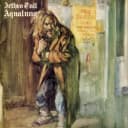 Jethro TullAqualung
 Led ZeppelinLed Zeppelin IV
 Pink FloydAtom Heart Mother
 ScorpionsAnimal Magnetism
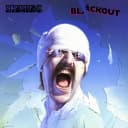 ScorpionsBlackout
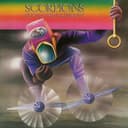 ScorpionsFly to the Rainbow
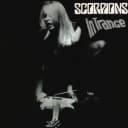 ScorpionsIn Trance
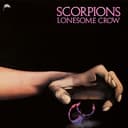 ScorpionsLonesome Crow
 ScorpionsLove at First Sting
 ScorpionsLovedrive
 ScorpionsTaken by Force
 ScorpionsTokyo Tapes
 ScorpionsVirgin Killer
 YesClose to the Edge
Spotify Playlist
● Open SpotifyA bug in Safari prevents playing full songs, please use Chrome.
Transcript
View TranscriptDownload Transcript ⇩
Transcript
View TranscriptDownload Transcript ⇩ⓘ This transcript may contain errors. Please don’t quote it in your yearbook.
There's a podcast that's sure all that rocks hard is gold. And they're climbing the stairway to 11. When they get there they know the record stores are all closed. But online they can get what they came for.
And they're streaming the Stairway to 11
Hello and welcome to episode 5 of Stairway to 11. My name is George.
This is John.
I am TR.
And here we are, episode 5. We've got three more new, well not new, but three additional albums to tell you about.
And I'm pretty excited about these three. So yeah, this is a good one. Before we get into talking about these, just wanted to, you know, remind you that you can reach out and let us know what you think. You can find us on Facebook. You can email me at George at stairway to 11.com. We're on Instagram. So, you know, if you like what we're doing, we're still, you know, we're still early days. We're still trying to figure it out. So if you like what we're doing, or if you don't like what we're doing
you don't like anything or just say hi. And like they say on YouTube, make sure you hit the subscribe button because every subscription helps us out. So like and follow, please. Yes, exactly. People will see our posts. Yes. I know it sounds silly, but it's the truth. It's the truth. That's why people do it. All right. So our first album today is what, John? So I was stuck in the early 80s. 80 to 83 is my favorite time period for all music.
No matter what the style. So I decided to go in the way back machine to 1971 for Jethro Tull's Aqualung. All right. Let's not get ahead of ourselves. We're getting there, right? Hey, it's the first song. It's cool. I know. Thank you. Thank you for doing that. I'm glad. If you're not familiar with Jethro Tull or this album, let's say. You ought to be.
How can I describe this album? I'll use one word. It's iconic, I think. It is one of the great rock, progressive rock, folk. It's like everything wrapped up in one album, and I think it kind of is a great place for people to start who want to get into Tull, because if you like this, you're going to get kind of all aspects of the band, because they have different periods. They go through different phases of what they do, all within this umbrella of rock.
and metal in 1988.
Yes.
As Metallica learned.
Yes, they did.
Yes, they did.
Don't mess with the tall.
Don't mess with the magic flute.
That's right.
So with all that said, the album was released in March of 1971.
As I said, it is.
It's a hodgepodge of hard rock, progressive rock folk.
There's a lot going on.
There's heavy guitars.
There's this thing called a flute, which comes into play a lot on this album. There's a lot of acoustic passages. We're going to get to all that. The album is what pretty much propelled Jethro Tull, I think, into the stratosphere. They got a lot of radio play with this album, and they became mainstays, and they became pretty much a major touring act. Previous albums were good, but I think this is the one that really put them on the map in terms of everyone recognizing who they were. There's some pretty big songs on this album.
There's three in particular that stand out as really big songs. Not just for them, but for Radio Airplay, I think. I'm going to quote a few places, like that wiki, which I don't like doing, but it was such a compact statement, I grabbed it. The album has been considered a concept album or regarded as, despite the fact that Ian Anderson for years has said that it's not, but some have said it kind of features on this central theme of
distinction between religion and God. And I think those themes are in there. I don't know if they're all connected. Maybe they're kind of like an anthology or something. All grouped together, maybe. If you hadn't mentioned Aqualong in another track, that might have helped too. Yeah. As soon as you hear that, you're like, oh, they're related. Yeah. And I mean, we'll get to that. But Ian Anderson swears. He's stayed with that statement for years. So definitely their best-selling out.
sold 7 million copies, which I did not realize. That's quite a bit for a prog rock album with folky passages and dreams of elves and, you know, glistening fields of amber and grain, right? And didn't somebody, I can't remember his name, some guy, like, you know, like remixed it or something? Oh, yeah. Some guy? Yeah, some guy, some prog guy. What was his name again?
Who would that be? Doesn't try to be Prague. He tries to be pop and then he wants to be King Crimson, but he doesn't want to be. Just kidding. Stephen Wilson remixed it. He's actually remixed quite a few of the Jethro Tull catalog. And these are listeners cannot see, but I will hold it up and I will get pictures to you, George. The books come out. These are just amazing. This is a standup book. It's got four CDs, but it's all these remixes and all these extra tracks. And it's Steve Wilson's interpretation of how he wants the stuff.
the sound. A lot of people like his stuff, and there's a lot of old curmudgeon prog rock fans that don't, and that's quite fine because you get both versions. He does all these needle drops on vinyl, which I still don't know what difference that is, but I don't know. Anyway. Not sure I get that either, but okay. I'm like, oh, I can hear that, you know, as it hums. Okay, got it, needle drop. I listened to the Wilson version on Kobuz,
And as I tend to do before purchasing something, I res, I listened to their version. And then I listened to my version to compare. And I was like, oh, yeah, definitely worth it. There's some definite like it's way louder and cleaner. So it's really good at balancing, I think, too. On the Merillian stuff he's done, he really finds a good way to balance every instrument. So nothing, at least in my opinion, nothing stands out.
Nothing Is Overpowering. I thought he did about as good a job as he could do with some of those early Yes albums, too. Like the Yes albums, I don't know, TR, maybe you agree, don't? That's kind of a hard one to pull out if you don't have the master tapes compared to when you get to close to the edge. Only a year or two, three years difference, but man, the recording process was completely different. But I actually, George, I'm looking to listen to this, the remix of this at some point, too, under the cans, of course.
Yeah, I definitely, I mean, I'm actually haven't bought it yet. I realized, I thought I had, because I was getting ready for this. And I was like, where is that? And I was like, oh, I guess I didn't actually, I must have actually just listened to it on Kobuz and not purchased it. And so I need to do that because it's, you know, it's a big enough bump up to be worth it. So. And if you don't know what Kobuz is, that's a site where you can get high res flack on there. And sometimes they can give you, what are the magic numbers, George? 2496.
6. Or keep going. Oh, even up to 24, 192 even. Yes. Yes. Which I just bought an album at 192. I'm not going to say which, but I did. Yeah. And I was like, boy, I can't wait to get under the cans for this. I know. It's so, you know, it's disappointing because there's a lot of stuff that they don't have in high res. I mean, so it's like a stream. It's like if Bandcamp also did like a streaming service. You know, you can, you subscribe and you can just listen to music.
if you want, but you also have the option to purchase music at a discount. So like a lot of the new metal albums that come out are like $6.99 high-res flack, which is pretty damn good. And there's older stuff too. I mean, the Beatles and the Stones and Bowie, they have their stuff in high-res. There's other bands like Faith No More, for example, not high-res. So, you know, I don't know. But like, I got a bunch of the Ramones catalog in high-res, like 192.
So I think it's not that would that actually make a difference with their music? Sir, if I had a glove, I would slap you and shoot you at 20 paces. I demand satisfaction. The Ramones are my favorite band of all time and you will apologize or you will be kicked off and immediately hired back. Oh boy. You got a lot of thinking to do before it's your turn tonight, TR. I guess I would say you got some splinting to do. Oh no. Yeah. Still haven't heard that. All right. It's like a high res, high res.
of a punk band. Still sounds good. Okay. Just checking. I will get you, my pretty. Yeah, I know. All right. That's pretty much all I got for intro. I mean, there's enough information out there that I don't have to regurgitate what we've seen online or what you might find. One thing that I just, John, if I could, one of the things that I found funny about this, and we kind of talked, we didn't really talk about it at the time, but they recorded the
at the same time as Led Zeppelin was recording Zeppelin 4. I saw that. In the same studio, which I thought was pretty funny considering how different and actually how similar, you know, when you think about some of the acoustic Zeppelin stuff, some of this stuff is, I don't think two albums could get more far apart from each other. But anyway, I kind of found that amusing that, you know, that they were both recording these albums at the same time at the same studio. Did you read the story about Jimmy Page coming in? I did not.
Yeah, I don't know the guitar player's name. Martin Bar. Yeah, that's right. I do know his name. I just forgot it. Apparently he was in the studio and he was working. He was like recording a solo. And like, you know, as you mentioned, they were both in the same studio, but they hadn't, or at least he hadn't seen Jimmy Page yet. And he's like trying to put this solo down and Page walks in and starts waving his arms and stuff, trying to get his attention. And he's like, dude, I got to finish this solo. And yeah.
I didn't do that story justice, but there was another piece that I'm missing because it was extremely important that he not screw up, and I can't remember why that is. I thought you were going to say you came in and showed him how to do this song, which would have been kind of cool. I don't know. There's some good riffs on this album. Yes, there are. All right, let's get into it then. Like I said, there's plenty to find out there if this interests you. Like I said, there's no need to regurgitate a bazillion facts about this album.
It's pretty well known. All right. So let's start with the very first song, the opening track. Again, we would use the word iconic to describe the album. That is definitely this song. Yeah. One of the most recognizable riffs to open a song, I think for any band. I think you guys would probably agree with that. I told you the other day, I said, this is like top 10 riffs of all time. It is. It really is heavy. It's like a, it's like a third cousin to smoke on the water. It's, you know,
It's one of those simple riffs that just kills. It does. And it's heavy for this type of music. And it doesn't necessarily represent the album, even though the album has a lot of heavy guitars, but the album kind of ebbs and flows in its style. And it opens with two big bangers, first being Aqualung, which, as we just said, has this incredible, iconic riff that opens.
And then the drums come in and Ian Anderson just wows us with his vocals. Which I don't know how you guys feel about his vocals, but I've always thought he was somewhat underrated. I mean, I think he's good for what he does, but I also think he has this kind of voice that lends even more to the music. Even though you wouldn't say, oh, he's this guy or he's that guy. I mean, I don't usually hear him at the top of a list of great singers, but I think he's great on this album personally.
I've got more to say about vocals on the next song.
And he's very active on this album. It's not just singing.
He's playing guitar. He's playing flute.
He's orchestrating this merry band that's traveling through the Shire, basically,
because I think that's what people think of them.
But on this album, they get pretty heavy.
The song is only 6 minutes and 37 seconds.
You'd think it'd be a 30-minute song.
But in that 6 minutes and 37 seconds,
I think everything about this band throughout their whole history is encapsulated with the heavy riffs, the flute playing, the acoustic passages. It opens with this big gargantuan riff and then it just drops down and it's just him playing on his guitar by himself singing kind of gently and quietly and then it builds back up into this almost kind of, I don't want to say show tunes, but it has that kind of ring with the piano playing, you know, and him singing to it and then it just gets right back to the big riff. It's unbelievable.
If you haven't heard it, go listen. Do not be dismayed by the lyrics. They're not what you think they are, even though they sound like they are. The song is actually... Go ahead. I was going to say, there are some kind of interesting lyrics at the beginning, and they're not what they appear to be. The song's actually about how we view homeless people and beggars, and when you put that in perspective and then read the lyrics, it makes a lot more sense, especially how the
I won't say what the lyrics are because I don't want anyone getting all bent out of shape because of what they are. I find them actually quite humorous now when you read more about the song and the kind of background of it. One thing that happens in this song that we brought up Steve Wilson earlier, I'm thinking Steve Wilson got something from Jethro Tull. I'm thinking he got the telephone vocal effect from Jethro Tull because there's a moment in this song where,
It sounds like Ian Anderson is singing through a telephone. It does. And I think Stephen Wilson got that from him. I could be wrong. I guess Stephen Wilson does it all the time. So there's not much more to say other than that. This is an amazing song. It's constructed really well. There's a great solo in it from Martin Barr. Everything about it's great. And if you haven't heard it, you really should go listen to it right now. Right now. Stop what you're doing. We'll wait. Now. Just hit pause. We only have to wait six minutes and 37 seconds. So go. We'll wait. All right. Pause. All right.
Okay, and we're back. That was worth it, right? Yes. Okay. All right, you guys go now. Tell me what you think. So, as I said, I thought this was one of the top ten risks of all time, and I know it's probably pretty typical to say this, but this is my favorite tall song. What can I say? It is. I mean, it's freaking awesome. It was my first tall song. You know, I bought this album on cassette in high school because, you know, somebody said, hey, Joe Thoreau. I picked it up. It was the first song I heard. I was like, wow, that's a badass.
And, you know, so it's always been my favorite. Now, of course, there are others that I enjoy as well. So, but this is definitely my favorite. Yeah, I definitely, obviously, when you have a song like this, that is so well known and everything, it's, it's hard to hard to go back and, and, and think of this kind of objectively, since, you know, we're all so familiar with it. But I looked at it again, and just thought, you know, yeah, there's a
a lot of disgusting imagery and the album cover kind of matches that that imagery very well I think that's me on a Tuesday you're talking about and and and I just I feel like they they really captured that whole thing very well yeah the riff is really gnarly and it is you know yeah just gnarly and it goes with this song and the imagery of the song
I agree.
Like it's amazing how they go from this big heavy thing down to like almost nothing acoustic sprinkling the piano through there, which sometimes you kind of have to listen for it.
Like, you know, you listen to the songs on this album and there's a pretty good sprinkling of all this stuff throughout the album.
And of course, Martin Barr's guitar playing is phenomenal throughout the album, but it's very tasteful on this song as well. I think you bring up a good point for the whole album and that everything sprinkles in. And I think that's done on purpose because I'm not a super fan of piano dominating a sound on a song. Just not. I like piano, but I don't like the piano to be up front on everything.
So while I like some Elton John and Billy Joel, sometimes it's a little too forefront and this is mixed in perfect. So you hear it, but it doesn't take away from anything. Just like I don't like drums to be too heavy during songs. Obviously, I can't stand that because I'm a drummer, but they mix it in very nice in this song. So when they do their buildups, everything seems to flow on the buildup on this album and their kind of deconstruction of the song is they do a lot of that. They go high, then they come down low.
Yeah. Then they go high and they like, that seems to be the kind of MO of this album. Yeah. So, so except for the next song. Before we go to the next song, I did not realize that this song was not released as a single. I was like, what kind of, which record company was the idiot that didn't put this out as a single? Come on. I mean, okay, maybe it's a little long for radio, but. I think that's why. Geez. I mean. Same.
I hear they put out Stairway to Heaven as a single. I'm just saying. Yeah. And now look what we're stuck with. Oh, boy. Number one song again. FM radio. Anyway, sorry. Let's move on. That's fine. We move on to the second song, which is just as iconic and epic, although a little shorter. And that is the song Cross-Eyed Mary. Now, if you're a metal fan, you probably have heard this song because it was covered by the metal band Iron.
Maiden.
And they do an excellent version.
However, as good as Bruce is singing this song, he ain't Ian Anderson, my friend.
I actually think the toll version is better by a mile.
And sometimes that's hard to say when you have a newer band covering an older band, especially the difference between the 70s and 80s.
And it was roughly, what, about 12 years from the recording?
I can't remember exactly when Maiden released their cover of it. Yeah, it was early 80s. With that said, this song has this incredible flute buildup. And you feel this tension building. And it's got this ominous, dark vibe to it. And it's building, and it's building, and it's building. And then Martin Barr comes in with this big-ass riff, gnarly vocals. TR used that word. I think that's a good word to use for his vocals on this.
And I think this is one of his better hard rock singing songs. One of the things I absolutely love about this song is that when it comes time for the solos, we're going to rip into a flute solo first. That never happens. Only Tull can do that. Only in Tull land. He rips into this heavy ass flute solo and you're ready to jam. You're like, all right then. Or the anchor. Yes. And then he rips and then Martin Barr comes in with a killer guitar solo.
after it.
It's an amazing one,
two punch to start the album.
This is about as metal as tall gets.
They were never metal,
obviously,
but this is a,
if you had to say to a metal head,
Hey,
you've heard Maiden's version.
Now go listen to the original.
This is where it comes from.
This is the album.
I would say they would hopefully be satisfied with this version.
I like how the song intro kind of builds up and then,
you know,
boom,
the song starts.
This was the second of three songs that I was familiar with prior to going into this episode. I mean, I'm familiar with the album, but like once that I was like, oh yeah, I know it by name and whatnot. It's no Aqualong, but it's still a pretty cool song. Now, I promised to talk about vocals on this one. And it's kind of funny because the same thing that I think Hamstring's Maiden doing this song is the same thing that I have always
kind of not liked about this song, but is also the cool thing about this song, if that makes any sense. And that is the chorus. When he's like, cross out Mary. When I hear that, I'm like, oh God, that's awful. You know, but that's what it is. And so if Bruce is doing that, it's not the same, you know? And so it's like, I love to hate it, but I hate to love it at the same time, because
It's something that stands out as like, there's something not quite right about that. But at the same time, it's cool. I don't even know how to explain it. It's crazy. I like it. That's funny. Cause I, I guess that I don't know that I ever felt like that about it. I guess I'm weird. Thanks for pointing that out. No, but I just, you know, to me, yes, it is a little kind of rough around the edges, but I think that's obviously, like you said, it's kind of what it's about, right?
And again, you've got this more disgusting imagery that kind of pervades both of these songs. And I like the Maiden version, but I agree, John, like it doesn't capture what this, what Jethro Tull does with this. And, you know, the flute work and everything that's going on in this song, it just, it works. And it's, you know, it's so tall. So, yeah, I mean, I, you know, it's,
It's funny, John. You mentioned him as a singer. And I have to admit, I don't really think of him as a singer. Yeah, you usually don't. His name doesn't usually come up. You think of him as an acoustic player and somebody who plays the flute and has theatrics on stage. I mean, I kind of think, because he doesn't really, I mean, he sings, right? I mean, obviously he's singing, but I kind of think of him more as a vocalist just because it's not like,
like a classically trained voice right I think he just kind of
saying because it was what he wanted to get across but I don't he doesn't sound like he was you
know vocally trained to be oh I agree yes you know and so but I think that that doesn't you know that
ends up like it doesn't hinder him from doing what he wants with the song because I think a classically
trained person probably wouldn't do a lot of the things that he does vocally when he gets across like what he's doing and i think that's one of the reasons that you know because his voice is not pretty in a lot of places on this album right because that's not what he's trying to convey but but sometimes it is yes yes and that's part of what bugs me about cross-eyed mary it doesn't bug me it it stands out i like it i'm not trying to diss it it just it's
stands out to me because you hear other songs on here and he sings very well and he didn't have to be like cross-eyed Mary you know and so clearly it was that way for a purpose I think so based on like TR said you know this song is cross-eyed Mary is a prostitute and so it's just this image again that he's created on this album of how we perceive certain groups of people or so the description goes but it lends its
to the song, I think. And I get what you're saying, George. I could see where you wouldn't be so big on it, especially with Bruce singing, who's more of that theatrical operatic metal voice without being operatic. He's about as close as you get without being it. But then you're right. We get into other songs and he's got this very quiet, melodic voice. He's basically, if you want to think of what kind of singer, vocalist, whatever you want to call him, I never understood how people differentiate.
the two because they're basically doing the same thing. I guess you just single out the ones that are great at it. But he would you could be in a pub one night somewhere in the middle of England. And here's a guy on stage playing and he's not drunk when he's playing because he knows what he's doing. And he sounds good. Unlike somewhere you hear them and they're like, OK, we're going to play the song. Oh, you mean the folks? Yeah. And he sometimes you feel like you are in that pub one night. You just happen to be traveling and you stopped in and here's a local playing.
And because it just has that little bit of a vibe to it. And it that comes up in several places actually comes up in the next song a little bit. So moving to the third song, Cheap Day Return. It's one of three. I consider them interludes, to be honest with you, because they're short. They're less than two minutes. And it's really just kind of him with the acoustic guitar singing, doing kind of this in between to link this next song with Cross-Eyed Mary. And on the first one,
It's really just him. To get to the later ones, there's a little more orchestration in the sound, a little more piano. And there's really not much to say about this, other than it's just a kind of cool, short, folky acoustic song that the album starts out big, aqua long. You know, it's like, remember Sunday? Aqua long, this Sunday, you know, on your TV, on cable TV kind of thing. And then it's followed by Cross-Eyed Murray. It's just big, giant things. And now we're going to come all the way down to
the cheap day return, which is kind of funny when you think about how they drop down everything and then it's called cheap day return. Probably just coincidence, but it's a neat little folkier interlude in between songs. I said, you know, it was okay. It's more than okay. I mean, I like it. It's short and it felt unfinished because it didn't build and resolve. It was just this pretty little interlude, as you say, and it makes sense as an interlude. Yeah, it doesn't really do anything other than it's kind of nice. Yeah, it's definitely nice.
Yeah, you know, unfortunately, like a lot of these, like these tracks that are like this, in this on this album, they kind of, they're just not very memorable, which they don't really give you enough time to remember them because they're so short. But like, I find my I find myself kind of, it's like, you know, kind of like a sorbet before you get to the next real meal. And I don't know, it's like a palate cleanser, right? Like you don't,
It's there. He's kind of strumming around and saying a few
words that like, okay, he's talking about being on
the track and, you know, is the nurse taking care
of his old man and, you know, all these kinds of things.
And it's like, okay, it just didn't really, I don't know,
there wasn't much of an impact for me on this.
But it does kind of set up the next song in that
it brought things down so that you could do the next song.
I can't just go from one to the other. And so I kind of understand it from that perspective, but I found it really difficult to kind of remember any of these little interstitial tracks that kind of... I don't think you're supposed to be honest with you. Yeah, maybe not, but I just, you know, it just seemed like, yeah, filler, but like, it's better than filler, but they're, yeah, they're kind of buffers, and I don't know. It's like a bumper to the next song, for those of you in Radioland.
Yeah, it just, it just,
because you're making such a huge drop from you're up at the mountaintop with the first two songs
and then you're down in the weeds with the next one. And it's almost like, all right,
settle down, get your bearings straight. I'm just going to sing a little ditty for you.
Hi, how are you out there? All right. You won't remember this, but you'll remember the next song.
Yeah. I always feel like that's what the purpose of these were. Cause I agree with you. A lot of times I'm like,
You don't remember them, so why have them? It's almost like he's leading you on this journey. Again, he says it's not a concept album. It looks like and sounds like a concept album. So whatever. We won't waste much time with these little ones because, like Tiara said, they aren't really that memorable, to be honest. Next song, Mother Goose. Again, another acoustic intro start to the song. It builds up, but there's this infectious flute rhythm that I'm not going to sing it for you. You just have to hear it.
But it makes me do think of frolicking through the open field and elves and all that stuff. It just has that feel. It really does. And it's a cool tune. Of course, the title is very cool. Mother Goose. And as the song progresses, you start to hear some background percussion coming in and then you hear some heavy guitars. And then there's a point where now there's a couple of them singing and you can tell the difference in the vocals. And it sounds kind of cool, but nothing that really goes.
to some heights. It just kind of ebbs and flows. Doesn't really do much in the song until you get to the big ending, which is this, again, heavy guitars. And then it just kind of brings you back down. It's a very good song. I like it. It's kind of shows, again, the depth of the band that they can go from something so heavy and harsh to something so clean and acoustic and folky and not quite, but on the mellower side.
But I do like how they do add the heavy guitars to this, again, infectious flute rhythm that they have. And I hear something in the vocal when there's a couple of them singing. It reminds me of a song, and I just literally banged my head on the wall for a day trying to figure it out. I couldn't figure it out. I'm a little upset because I couldn't figure it out. But I'll get it eventually. It'll show up at some point, and I'll mention it. But it just made me think of something.
Oh, I got it. I just got it. At times, the way they sing, I'm not saying they are, but when Tenacious D would actually sing, you know, when they would actually do some really cool things together before it got silly, the two of them together could do some kind of interesting things. And it just reminded me that song reminds me of them for some reason. I don't know why. It's a Jethro Tull tribute. Yeah, I they're the perfect band for Tenacious D to cover. I mean, let's be honest. Anyway.
Yeah, I could see Jack doing Aqualong.
Yeah, perfect. Definitely.
Yeah. Yeah, I liked Mother Goose.
You know, I liked the pretty stuff.
I really dug all of the music on here.
I liked it a lot.
It turned out that actually, you know, so at the beginning I said there were three songs I knew ahead of listening to this by name, but it turns out I did know this one, so that makes more.
Yeah, this had somewhat absurd lyrics, obviously somewhat tied to Mother Goose style rhymes.
Definitely a more substantial acoustic track after hearing Cheap Day Return. You get something that feels like it goes somewhere and has a riff and is definitely more substantial than the track before it. I definitely felt like this is something that would be played by minstrels at a renaissance fair. Oh, hell yeah. Because it definitely gives you that feeling like you're walking up on a renaissance fair and I got my, you know,
King Henry the 8th turkey leg in my mouth and watching these guys jam out with their little minstrel instruments and stuff. It's Renfest time of year too right now. It is. Maybe I need to kind of put this on my heavy play rotation list here. But yeah, definitely what's interesting is it's primarily an acoustic track, but the riff is still heavy. Really heavy.
is so deceptive about a lot of what's on this album. They'll play some of these riffs with like acoustic instruments, but yet it sounds like, and in some cases, of course, like the first two songs, you know, it's entirely possible. Like, obviously, I'd be willing to bet you that most of that stuff was written on an acoustic guitar and then just, you know, electrified and amped up. And here, you know, they're not amped
it up as much, but it could have easily been the same power level as Aqualung or, you know, Cross-Eyed Mary with the riff that they have. I mean, it's a little more minstrel-y, but I think, you know, the heaviness of that riff could have easily gone that way if they had wanted to kind of amp it up a little, which I think can be said about almost everything on this album. Like, the riffs are definitely, they can be done in an acoustic format and still have that kind of
you know power but when you get to like some of the heavier stuff it can flip right on onto that too so that's what i think is kind of amazing about some of these songs the way that they you know they're essentially choosing okay we're going to do this like an acoustic number but it could have easily gone the other way this could have been like one of the heaviest you know tall albums ever and it is one of the heaviest but what i'm saying is it's like all of these songs could
have been heavy like that if they had chosen to do that and think if tony iomi had chosen to
stick with tull instead of doing black seven that's right this could have been tony you know cranking out
stonehenge my friend exactly so i think t.r it's a great point this is a unique album where that the acoustic
playing sounds heavy. It sounds dark. And you don't generally equate that to acoustic playing from a band that has flutes that, you know, make you feel like you're going to hear someone say, my Lord, that's you as you walk by with your turkey leg, right? So I was actually wondering, based on all the acoustic stuff, whether the distorted stuff was actually an electric guitar or just whether they threw distortion on an acoustic guitar, because it's really
really fuzzy and doesn't really sound like an electric guitar most of the time like on some of the riffs but i don't know it probably is it's just early 70s production that makes it sound that way but yeah yeah or they could be layering stuff there too i mean yeah you know it's hard to pull it apart when it's all together like that so it's entirely possible that they could have had you know somebody playing everything on an acoustic and then like a light layer of an electric guitar
as well to kind of, you know, beef it up a little. Yeah. Back then they had a good, like what, four, eight tracks. They had all kinds of room for that. Got to leave room for the flute too. Yeah, exactly. Time to bounce. So with the next song, I think I'm just, I'll talk. There's no need to go over. It's called Wondering Aloud. It's the fifth song and it's another one of these interludes. There's really not much happening. Again, it's another kind of acoustic piece. This time there's some symphonics at it.
Very similar to Cheap Day Return. I won't say much about it. If you guys have anything to say, great. If not, we can move on. I thought it was a pretty song, and I felt it kind of almost had a Beatles vibe at times. It's very British and pretty and white album era kind of stuff. Right. It's another short one, a minute and a half. Yeah. This one was kind of... I felt the same. Basically, it was very short. It definitely was a little more developed.
with the strings and piano than the first, you know, cheap day return. But this almost, it's, you know, about a couple and, you know, just some interactions among, you know, among them. And it's just, it's nice and it's semi-romantic. And so, you know, it's definitely different from everything else. It's probably one of the more straight ahead tracks because everything else seems to have some other subtext or meaning.
And this is just, yeah, you know, she's here and she's floating through the kitchen and we're having crumbs and bread or whatever. I don't even remember. But I mean, it's just very, it seemed very straightforward in terms of like the lyrics. And then everything else was kind of lyrically seemed very kind of okay. I understand what he's saying, but it's, I don't think what he's saying is what he means. I think there's something else going on there. And in this case, it was just pretty straightforward.
I think.
All right.
So move on to the sixth song on the album.
It's called up to me.
Things pick back up again.
Another song with this infectious flute rhythm,
coupled with acoustics and in the heavy guitars and percussion.
Now I will say this kind of rhythm riff,
whatever you want to call it is very memorable.
It's easy to remember.
And I'm going to do my John's what correlation.
I did it last time when I put Concrete Blonde and Genesis together in the mixer. I'm going to do it right here. And I waited for this song to do it. But there's a connection with Beavis and Butthead. Oh, wait, that's not even my place to do. No. If you think of all the times on the early show when they used to sing the riffs, if you were watching them, this album is made for them.
That's true
You can never hear this album ever the same
Again, it just
You're ruined
This song is the perfect
song for it because the rhythm's like
And you can just hear them
You know Beavis
It's just
It's perfect for it
Every time I hear this song
That's all I can think of is them
If you don't think I'm telling you the truth, go onto YouTube and put in Beavis and Butthead riffs and singing or whatever, and you'll never hear the sound ever the same. It makes it sound even better. It's just the way it is. So this is a great tune. I love how heavy and dark it is. And I love that the guitars and flute now are again together like they were in Cross-Eyed Mary almost. Maybe not separated by solos, but they kind of play together, play off each other and just give this really dark vibe.
A really cool tune. And it kind of brings us to the midpoint of the album, this song. You know, we now kind of are going to move into the second half after this one. And it was at this point that I realized I really should have been paying more attention to the rest of the tracks on the album for years now. Because I was like, damn, this is a good song. You know, it's a great track. That flute riff is banging, you know, it's super catchy. And I'll just comment more later on.
the overall impact of this album.
So, John, it's really funny that you said what you said about it being memorable, because that's exactly what I wrote down for this.
I said the cool riff makes it more memorable because, you know, right before it, you hear Wondering Aloud.
You heard Cheap Day Return, both of which were not memorable whatsoever.
But when you have a riff like this, it just completely solidifies the whole song and does make it memorable. So it's so funny that you said that because that's coming off of the other song. It's like, man, this is here's what makes these songs memorable. It's these riffs, you know, and that's why the other two tracks that we talked about are not memorable. It's just him kind of strumming around.
and there's really, it's not even, there's no even lyrical hook or anything. It's just. A signpost. Yeah. It's like singing and just strumming and there's no real melody that, that comes through that sticks with you. So it's just him kind of singing and strumming and saying something that is just a little passing fancy. But this really kind of hits you. And again, it's got kind of gritty vocals.
And yeah, it's a very cool song. And again, it's a heavy riff, right? Like it's again, you got this riff that's, it's a Beavis, but it's, you know, yeah, it is. And now that you've said that, I don't think I could ever think of it again the same way because it is. It's like, cause that, you know, that's what they do. They sit there and they do those riffs on the couch there. And, uh, all right. Now think of Aqualung. Yep. I just ruined that song for you too. Yep. Thanks.
Is the new series still on? I believe it is. I mean, I think so. I haven't watched any of the new stuff. The new stuff is pretty funny. And I want to. And this now reminds me that I need to do that. They're not, you know, they're not watching. They do watch some music videos, but they also watch, you know, like some of these reality shows or other people that are doing, you know, like, you know, showing you around like their apartment or whatever. And just it's a million dollar listings. The way that they, you know, you know, just.
completely.
Completely lampoon.
All that stuff is so great.
And then, of course, you know, the rest of the stuff they do, which is ridiculous.
Yeah.
See, I will find if I can find that obscure correlation, I will bring it to the table every time.
So I was, of course, every time I hear this album, I've always thought that.
So.
All right.
So we'll move on now to the second half of the album.
And this starts off with the song.
My God.
And oh, my God.
Is that the Strapping Young Lad version? No. It is not. Just checking. Okay. Another dark, ominous vibe that starts with this kind of typical folky acoustic thing that they seem to do that Ian Anderson kind of seems to be like, all right, I'm going to start and then the rest of the band is going to follow and they're going to hit you with a sledgehammer, which they do in this song too. There's a mammoth guitar riff in this one from Martin Barr. It's great. It's a dark song again.
And it's about as doomy as Jethro Tull could ever get in certain parts of this. They're not a doom band. So anyone out there who's actually listening, I'm not saying they're a doom band, but it gets a little doomy in places. It's a little gloomy. And it's very cool. And then there's the middle section. Bet you didn't see that close to two and a half minute flute solo that came out of nowhere. Nope. And it's kind of wild because at first I go, this is cool.
And then it keeps going. And going.
And you don't appreciate it at first.
Until you listen a couple more times.
And then you hear the heavy breaths in between playing.
I was going to say, he's got to breathe.
He's got to breathe.
And then there's a couple of yells like, yeah, like that in there.
He's kind of like the pre.
Yeah.
What's his name?
Oh, no, not James.
Oh, God.
Tom G.
Boyer a little bit.
He's not doing the ur, but he's doing some, yeah.
So it's kind of a Tom G.
meets James Hetfield a little bit.
Yeah.
You know, but it's cool.
And then after a while, you're like, yeah, you know what? Only Tolkien drop a freaking two and a half minute flute solo on your ass and you're going to like it. That's right. And then they come back in. And it's kind of interesting because at the very end when he's doing the kind of breath yells and then this chanting comes in and you're like, what the hell is going on in this song? And it all builds back up into this ominous, big riff and rhythm. You know, we haven't talked about the percussion.
because it's not that it's outstanding or stands out, but it's there and it provides a really good base for everything they're trying to do. And it provides that kind of rhythmic stuff that goes on that kind of gives this album its unique flair. Great song. It's a classic song. And I think probably a second tier song, like if you came up with 10 toll songs, this would be in that next tier probably amongst fans, I think. So.
My notes said, speed fingerpicking at the beginning. Because he was really going to town on that thing. I really, and it was at this point that I felt compelled to say that I really love the acoustic guitar work on this album. Because it's just, it's, aside from being really pretty, it's really crisp and tight. You know, it doesn't sound all muddy and whatever. They mic'd it well, or however they did it. And I wanted to note that the electric guitar work is also not too shabby on this one.
The song is definitely kind of long and epic, and I liked it. Yeah, and John, you're exactly right. You know, you get this very quiet acoustic beginning, but it establishes that riff. And again, you've got, hey, here's the riff, and now we're going to pound it into your face with the rest of the band. And it's kind of cool because initially it's kind of, oh yeah, this is, yeah, I'm digging this. And then all of a sudden, pow, you know, here comes the rest of the band. It's like, bam, you know,
Okay, this is cool. And yeah, so this definitely rocks. And yeah, I had to have to admit like that whole middle section that was like a freak out flute thing with the core. Like, I get it, right? You're, you know, lyrically, you know, they're kind of talking about the hypocrisy of religion. And then you're trying to kind of get like samples of what you might hear.
church, right? So you've got this choir that's singing along in the middle to kind of give it that flavor, which, you know, is it was, I don't know, it's kind of strange to me at first, but like there were a lot of bands doing some weird things at this time because Pink Floyd, you know, had released, what was it, Adam Hart Mother, which had like choirs and strange, you know, orchestra stuff. And that was a pretty tripped out, freaky, psychedelic thing. And I don't think that's what they're going for here, obviously, but,
It definitely takes the song, it flavors the song to kind of tie it into the thematic lyrical content. But yeah, definitely thought this was very cool with the diversity of that quiet acoustic beginning and then bam, hitting the rest of the song comes out. So we come to the eighth song. This is my favorite song on the album. It's my favorite tall song. And unfortunately, it's a very short song. It's under four minutes. But the song is called Hymn 43.
And this is from the gates. Straight up rock song. There's no way really to say it. There's nothing special or unique. It's just a good song. But it has, with these heavy guitars, and it's got a Beavis and Butthead riff. You're not going to forget this either one either. You're not going to forget that. What's interesting about this song is that it has that kind of show tunes piano vibe with him singing. I almost picture the band on the stage,
and him just prancing back and forth from side to side to the stage, kind of theatrically moving his hands and almost singing, almost like you are on stage, like a theater, like a Broadway show almost, listening to him, the way he's singing, the way the piano's playing. But then you get these heavy guitars at the same time. There's so much contrasting, you know, pulling back and forth on this album. And for such a short song and for being so straightforward, there's a lot going on at three minutes and 40-some seconds.
But I've always loved this song. It's always been my favorite. Again, the piano is very prominent in this. And I told you guys earlier, I'm not a big fan of that. But it works on this album for me because it's not overpowering. It's there. Every instrument seems to be on equal plane when they're playing them. Nobody pushes out ahead. Cool tune. I won't say any more other than that. This is my favorite Toll song of all the stuff I love from Toll. And I'm not the biggest Toll fan in the world. I'll never, ever admit that. I like Toll a lot. I have a number of albums.
But this one stands out the most for me. So I said, nice riff, another good tune. The other day you told me that this was your favorite song. And I didn't. And so when I listened to it, I was like, is he joking or is he serious? Because I was like, it's a cool song, but is it the best one? And I was like, I didn't get that. And I'm not in any way saying that your opinion is not. I mean, why would I say that?
You know, obviously your opinion is your opinion. So I think I need to go back to this one and try and dig a little deeper because. Big difference, not saying it's their best song. I'm saying it's my favorite song. That's what I mean. That's what I mean. Yeah. I'm like, well, there's got to be a good reason. And I mean, that's obvious. Yeah. You know, I know you, I trust your opinions. If you say that, I need to figure out what I'm missing here. Cause clearly it's something. Oh, we all hear things differently, man. It's not a big deal, but thank you for saying that. Yeah. I just, there's something
about the vibe of this song. And maybe it's because the whole album has just been this kind of Ferris wheel, you know, or a merry-go-round of different sounds. It's like a kaleidoscope of different types of things going on at once. This one's pretty straightforward. There's no bullshit on this one. They just go straightforward. They just do it and they do it really well. And it does have a cool heavy riff and it's got that kind of chicken, chicken, you know, kind of thing going on in there, which is kind of neat. And they pack a lot of
for just three and a half minutes, you know, three minutes and 40 seconds. So. Yeah, it's, it's definitely a rocking song and another cool riff. And the, the, the trading of solos on each of these verses or like each of the riffs actually, you know, and then, you know, they'll go off with the flute, you know, and then you've got all this guitar stuff happening. And so they trade these solos off each time the riff goes off, which is kind of cool. And then the piano gets in there for, you know, another part of it in,
after that main riff. And so you get a lot of that interplay, which you get the impression that they're having a good time playing this song. Like it just, it seems like a fun song to play. And yeah, you get it. It's highly encapsulated. It's bam, you get this song and it's there and, you know, but it's very memorable. And so, yeah, definitely one of the best songs on the album.
And it was released as a single.
Yeah. Yeah. Yeah. That's one of the singles on the album. So. So I didn't write this down, so I don't know which track it applies to, but there's one of the, one of these songs, and I think we've probably already passed it, where at the end of the song, there's a long, actually, maybe that's, was my God, where there's like a long instrumental passage at the end and there's a lot of flute. And I was listening to that thinking, you know, this reminds me of
of like people walking in a Charlie Brown cartoon from the 1960s. You know? Yeah. You know, the flute's playing and it's like people walking outside going from one house to another. It was very Charlie Brown-ish. And I do not mean that in an insulting way because that is a very meaningful sound for me, for, you know, little George. So. So we have somehow conjured peanuts. Yes. Beavis and Butthead.
And you know what's funny? They all fly. They do. I think so. And when we get to the end, you know, I'll mention that briefly. So let's get going. We got two more albums to go through. Third of the interludes, Slipstream, another short acoustic interlude piece with some more symphonics, basically, again, setting up the next song. And I think sometimes when Ian Anderson and Ben were writing this album,
They kind of view these pieces as we have to give the listener a short break before we bring the next big heavyweight onto them. And I almost feel like they're doing that here. So that's all I'll say about it. It's just another little nice piece. You're never going to remember it. You won't even remember the title until you look on your album or your digital or your stream or whatever. Now, if you listen real closely, though, at the very end of the song. Yes. The strings get real creepy. Yes.
kind of dissonant and creepy, you know, like something like, and I guess that's like a little foreshadowing. Maybe. I don't know. Because I think they're tied together. Yeah. Aren't they? Yeah. I would assume. Yeah. It makes, so it makes you wonder if in the studio they did those fade in fade outs, but I wonder if you had the full, the Barisi mix, if you had that, if you had the full studio play, did they keep playing up to a point and then just kind of go right into the next song?
It makes you wonder
because a lot of these albums at the time, they would fade in and fade out stuff.
You hear them keep playing in the background.
No, keep going.
That show is awesome.
And it drives you nuts.
Yeah, I thought it was pretty.
It was nice for what it is.
And I agreed that that outro stuff, I was like, what is that?
It just happened all of a sudden.
And I was like, oh, that's interesting.
I'm going to go under the cans again because I'm not recognizing it.
Maybe because I was already anticipating what was coming.
Okay, two more songs. And that song that I'm referring to is the other behemoth on the album, and it is Locomotive Breath, which I think was also released as a single. It was. Yes. This is another one of Toll's big songs. It's another one of their top 10 songs, I think, for a lot of fans. It is heavy. It's hard rocking. There's thundering drums on it. There's a strong rhythm playing between drums and bass. It's got that just...
It's hard to describe because when it starts out with this kind of piano quietly playing and this kind of you can hear the guitar slow but you feel like it's down the street when you're listening because it's off in the distance almost and then it just this huge kind of loud dragging you back to reality. Yes. And thank you. I'm glad you because that's what it's called obviously I couldn't think of the words and you just get thrown into this heavy song. It's a great song. Not much more to say other than
And this is with Aqualung and Cross-Eyed Mary. This is the other big song off this album. Any band would be happy to have three songs like that. All of them get air radio play constantly. This one probably more than Cross-Eyed Mary, but maybe not as much as Aqualung, but right up there. Yeah, this is one of those songs that makes you understand why there are things called radio edits. Because I'd forgotten all about the instrumental beginning of this track. And I was like, oh, it's pretty.
a long time.
They were going to start rocking.
Oh, wait.
Oh, there it is.
There it is.
You know, and it's cool.
Yeah.
I love that train groove.
It's like,
um, so yeah, great song.
Yeah.
And I, John, you, I think you hit the nail on the head when you're talking about
the way the piano is played on this album, not just this song.
I mean, even this song, I mean, so I wrote that, that it's a rollicking piano intro.
And I think there are a lot of rollicking kind of piano. Kind of, yeah, like not drunken, but just kind of like you said, like a carousel. Like it just kind of feels like. Like the Wild West meets the carousel almost. Yeah, exactly. Like a circus came to the Wild West or something. And I, you know, it's, I don't know. That kind of sound is, you'll find that throughout the album.
And I think that it just gives it a certain energy, right? Like the feeling and the swing of it kind of lends a tone. Obviously, in some places, it's played a little differently on some of the other songs, but that kind of swing and that kind of rollicking sound kind of gives it a certain, it lends a tone to the song that the playing style kind of informs you of the tone, right?
So, yeah. And lyrically, you know, it sounds like a nightmare for whoever the all-time loser is because he's having a hard time, you know, right? It just sounds pretty awful for him. But yeah, I mean, yeah, what a propulsive tune and definitely another memorable song from this album. Yeah, I think you, you know, when you said swing, I think that perfectly describes the piano playing too. It just seems like it's an uplifting kind of, I want to say,
But it has that just very positive sound almost. Despite the fact that the music's really dark in some places. So it's just very, it's just unique. Other bands have done it, but it just seems to feel unique with the way they do it. So last song, which is funny, we're winding down, but the song's called Wind Up. And it's the closest song that again, that kind of exemplifies everything about what Jethro Tull represents. It's a lot like Aqualung in Song Structure, you know, where it kind of goes.
It kind of starts out with this subtle piano acoustic guitars and leads to the big heavy riff. It's another kind of hard rocking song. Martin Barr is awesome. Again, he's awesome on the whole album. Actually, the whole band is great. But his guitar sound is so not unique, but it just stands out for the type of music they're playing. Everything about it's great. I love how it ends, though. The album starts heavy, you know, with the infectious aqualung riff, but it kind of just ends quite
with just Ian Anderson on acoustic guitar.
And it just fades out.
It's a great way to end the album, I think.
And to kind of couple up with locomotive breath here at the end.
So.
I said, what a surprise.
Another cool song I'd never bothered to listen to before.
I really dug it.
Yeah.
I was like, coming into the song, I was like, wind up?
Is that like, I was trying to figure out where the emphasis lay in those words.
And I figured it out. That's all I'm going to say about that. But no, very cool song. Very great ending to this amazing album. Yeah, definitely. So thematically, obviously it fits in with what he's talking about in My God and Hymn 43 with the thematic content. And yeah, it just it starts with this vocal acoustic beginning and then builds and then
gets to this really rocking section and then kind of goes back to this acoustic beginning part to build again and finish with just a vocal which I think it's kind of an interesting end to the album and I agree with you George when you think about this album the big rocking tracks kind of stand out so much that it buries all the other stuff which is highly unfortunate because it's all good and it and Aqualine
and Cross-Eyed Mary and Hymn 43 and Locomotive Breath all kind of tower above these other songs so much. And I don't know if that's just because of a lot of radio play or the memorability of the riffs or what, but it ends up kind of slightly obscuring these other songs, which is really unfortunate because they're very good. And you do have to make, you know, I had the same problem, George.
Especially with these little acoustic tracks that are in between. I honestly felt like I never heard them before. Even though I've listened to this album many times, I felt like, wow, you know, I really need to just concentrate on listening to this song. Like this little one minute, 23 second thing. Just because it goes so quick that I'd never even listened to it really before. And it's really a shame because the stuff is really good.
Yeah, some of these are not as memorable, but it's still like when you really listen to it and you focus on just those. And in fact, I took I listened to the album and I just listened to those tracks. I did too. Just separately because I thought, you know, I these are never going to get a fair shake if I don't just listen to them individually. Because if you don't, they just get washed away and all the other stuff. And it's, you know, it just it's everything else is so overpowering.
that it just, and not from an oral, you know, oral A-U-R-A-L
standpoint, like where it's not just because the other tracks are loud, it's just they're more memorable.
And, you know, there's no, I mean, yes, the acoustic tracks are obviously going to be at a lower level.
I don't know.
They're worth your time.
They are.
And as are the other tracks that don't get the radio play on this album, like Mother Goose and, you know, and this and wind up. I mean, yeah, it's there's there are a lot of songs on this album that are somewhat subjugated by the other songs, which is which is really a shame because they are all good songs. This is a really solid album from beginning to end. It is. I felt the same way. I was like, you know, when I was like,
I know coming into this.
What I need to focus on is the songs that I'm not as familiar with.
And so those are the ones that I paid closer attention to.
And it paid off because there's nothing,
there's not a bad song on here.
You know,
the shorter ones may not be as memorable,
but they're still pretty.
And I liked them.
Yeah.
So,
and I,
I,
I viewed those as interludes,
almost like set changes.
Like,
you know,
you're watching a play and the,
The Curtains Close.
Yeah, yeah.
And as the person still is out there, they're like narrating almost.
Like before the next scene starts, then they stop and it fades.
And the curtains open and now you're into your next scene.
And I almost felt like that with those.
But yeah, I'm glad you guys liked it.
This is one of my favorite albums.
This is in my top 20.
I mean, I picked now two in a row that are my top albums, but they just happen to be from this period.
Every song in this album is great, I think.
And I agree with you guys that the other four songs that are not the four that you mentioned, TR, Aqua, Long Cross-Eyed Mary, Hymn 43, and Hymn 43 because it was the single more so than because it stands out on its own. And Locomotive Breath, those other four songs are great songs. They're different songs. And the unique thing of this album is that they throw a lot at you and only they can do it.
I can't imagine other bands trying to pull off a two and a half minute flute solo when chanting. Yeah, it would. I think it would definitely fail miserably because, you know, or to have those lyrics and people would cringe a little bit. And then when you find out what they're like, wow, that makes way more sense. Now what's going on? You know, and it's the perception of what this person is. That's what they are. Basically, those opening lyrics, Aqualung, is the perception that people have about homeless,
are beggars, how they see them, but they're not that person. In some cases, not always. Everything's never absolute. Unless you're a Sith. Not even then. Only Sith deal in absolutes. He picked the emperor up and threw him down the shaft. I gave him the shaft. So I would say, again, iconic album. I'll give my little bit here because I've gone away too long again. It's an iconic album. Anyone who hasn't heard it, who has an interest
and this type of music should listen. If you are one of our listeners from the Metalheads podcast and you're looking for something different, it's not metal, this could be a friend to a metalhead, this album. A transitional album. It has a lot to it. And yeah, everyone's going to laugh, oh, Jethro Tull won the Grammy for a metal band. You know what? Had this album won, a lot of people are like, eh, all right. There's some cool riffs on this album. That's a good riff, yeah. All right, whatever. Yeah. You know, so.
Definitely give it a spin if you want to try. There are certain proto or influential metal albums, meaning that this and a few other prog bands influence a lot of metal bands that you like from the 80s and 90s. So this is one of them. So I wanted to thank you for picking this album, John. Aside from filling in the gaps of the songs I wasn't familiar with before, this really inspires me to take the tall deep dive that I've been meaning to do for quite a while.
It really connected with me and where I am right now. So I think it's time. Yeah. And I know from the Metalhead's podcast, Jay is a big, tall fan. And so I think he probably would agree. Although I know his likes are a little bit more towards the later part of the 70s, the albums he likes. So thanks for playing along. We played a long time. Sorry. No worries. Now we're going to move on to TR's album. What do you got for us? Yep.
I've chosen Scorpions Fly to the Rainbow originally released in November of 1974 and many people will recognize the Scorpions and know them for their 80s output primarily but this is this is actually their second album after their first album Lonesome Crow Michael Schenker who was the original guitarist in the Scorpions was picked up
by UFO, ultimately leaving Rudolf Schenker and Klaus Mina as the only remaining band members. So they ended up merging with a band called Dawn Road that had a guitarist, Uli John Roth, and bassist Francis Buckles. And a few of the songs that Michael had worked on existed and were recorded along with the additional songs, resulting in what I think are seven excellent tracks by this German band. So let's, unless anybody has any
Any initial comments? I will say something real quick. I was apprehensive with this album. I like the Scorpions, but I was not familiar with their older stuff. And I was apprehensive based on when you and I went to see Uli play live. And I don't know if you remember my experience for that. I had a great time going with you and spending time with you. I was a little miffed and peeved that his guitars were so loud and I couldn't hear the drums and bass and the singer.
And I remember you saying, because he's a guitar player. And I really kind of just, his performance rubbed me the wrong way. And I went online and looked and found other people who felt the same way. I get it. He's a god when it comes to guitar playing. I get that. So I was a little apprehensive going in. I was like, man, I hope this isn't going to be all about him. But I will say, Ben, you may have changed a little bit after listening to the album. So no, I'm actually glad I gave it. I gave this one the most time of the three albums that I'm listening.
So I just want to say it went in a little apprehensive
Came out a little better on the other side
Good, all right, glad to hear that
Yeah, I too was very apprehensive
I did listen to this one twice
Unlike the others
So let me give you my Scorpions backstory
I've been a big fan of the Scorpions since the 80s
You know, love pretty much everything they've done
And at some point between now and then
I was like, oh, let's listen to the older stuff
And I was like, yeah, I don't really like that one. And so I pretty much just was like, all right, nothing. The Scorpions first album is Love Drive. Okay. And so I, and I didn't even know this, but I completely ignored the Uli era. Okay. So, so when you said this, I was like, first of all, I looked at the album cover and I was like,
Oh, no.
Uli says, oh, no, still to this day.
That's definitely top 10 worst album covers of all time.
And so I was like, this is going to suck.
I hate you, T.R.
And the first time through, I was not as pleased with the album.
I had preconceptions going in about, oh, I'm not going to like this.
Okay.
And I had a lot of grumpy things to say the first time through.
You're gonna take your medicine, George. Oh, I am. I am. But I had a change of heart, okay? I listened to the album again a couple days ago on my brand new Heavies headphones, which make a world of difference to every album. And I had a change of heart. I was like, all right. And so I'm gonna use that as my intro to what comes next. Like, overall, yes.
Thumbs Up. Okay. No complaints. Okay. Right. Minor, minor criticisms. But there's a but, right? No, only minor criticisms that are, you know, a band working through where they are. Sure. Yeah, exactly. So ultimately, I am glad you picked this because it made me actually listen to all the other Uli albums. Because I was like trying to figure out when does this get good? Okay. This was after my first listen. Okay.
I was like, all right, so what else did he, is this Yuli's first album? What? Okay. You know, give him a pass. What else we got? And see, after this one is don't tell me in trance. Correct. Okay. And I was like, oh, okay. This is a little more like regular scorpions. And then there's a virgin killer. Did not like that. But then there was taken by force, which I thought was not as good, but that was actually my
favorite of all the Uli albums. So just to say that, I don't know. I'm curious what your thoughts are on the other albums before, you know, now, later, whenever. Yeah. So, so it's interesting because like you, George, when I first approached Scorpions, I too started with probably love at first thing. I'm trying to remember like what my first, my real first experience with Scorpions was. Wow. That was too, George, by the way. That was, I mean, that was,
Like Rocky Like a Hurricane was probably the first song I ever knew about them. Oh, wow. Mine was Blackout. So I, that's why. So actually, no, John, I think you've got it. Like, I remember, obviously, certain songs being on the radio and being familiar with them. I may have heard them. But the first album that I think I actually bought. Gravitated to, yeah. Or actually purchased, you know. And you got to remember, as a teenager, you know, you're saving your money up. You're like, I want to make sure I buy an album that I'm going to like, you know.
And I think at the time, you know, Love It First Thing had like four or five hits. And it's guaranteed. I was like, yeah, I'm pretty much going to like this album. So I went and bought it, you know, with zero regrets. And then, of course, then you start to like, oh, I like this band. And then you start getting into their other albums. And I went and bought, you know, okay, let's get the one right before this. Let's get the one before that, you know, and you start going backwards.
And I think that's the way that I got into them. And obviously, you know, going through those, the albums after Uli left and they kind of became a more like mainstream rock kind of sound. So starting with that and then going back to the Uli stuff was kind of initially difficult for me because I thought, who's this other vocalist?
And he sounds terrible on vocals. Why isn't Klaus singing all of the songs? Exactly. And then you've got this really melodic stuff and then you've got this weird psychedelic dude that's blowing up on the other side and it's like, what is going on? And so initially I didn't like a lot of the Oli stuff. But the more I listened to it and the more I got into this band, the more I
I really began to appreciate the flavor that this guy brings to this band. And these early albums, I think, are great examples of that because he has a sound, you know, obviously he wears his Hendrix on his sleeve. You know, it's like that's his thing, right? And so let's just start getting into the songs because we're going to probably continue to talk
about this throughout, but the first song is called Speedy's Coming. And it's lyrically about rock stars and being a fan of bands. And it begins with this massive dive bomb guitar and powerful vocals. Roth is tearing it up throughout the song, throughout the solo, lots of whammy bar. It's a rocker that's in your face. It's a great song to start the album off with. And, you know, it's catchy.
And it's just, you know, it's like rock and roll. Bam, here it is. Yeah. So I was, you know, based on my previous discussion about what I thought because of Lonesome Crow, when I got into this, I was like, oh, I was surprised how scorpions like this actually was. I was like, yeah, this is kind of rocking. And so I think that, you know, the first album, no Yuli. It was just Michael. And Rudolph. Yeah.
And so I think it was good that Uli obviously changed things with this band. And his, honestly, his soloing and stuff is probably the highlight of this album for me. But I was also glad to get a little cowbell in there on this song. Just a little ding, ding. And Klaus's vocals sound great. You know, it's good to know that even in, was it 74? 73? 74? 74.
74 that his vocals were amazing and
like 40 odd years later when i saw him finally his vocals were still amazing so
team klaus it was like 47 at this point was the extent they start like 1920 this band
yeah they were like i mean they've been around for so they were like a swing fusion band that
exactly psychedelic swing yeah so i my first go through this song just didn't do it for me i was like
Yeah, whatever. Second go through, I was like, oh, the light bulb turned on fast. And George, I agree. It is by far the most scorpion sounding song, meaning the animal magnetism going forward sound for me on the album, which is unique considering that this is so many years before that. Doesn't necessarily mean it would fit on Blackout or Love at First Stink, but it has that pace and that vibe. And like you said, T.R., all this crazy soul.
going on. And when the song finally clicked, one thing became apparent to me. Uli's not my favorite part of the album. It's Klaus. He sounds so good on this album, man, for this early in his career. I mean, I realize he's his mid-20s at this point, because they did start really young. But, man, you don't realize how good he really was. Again, he's not going to wow you like some of the singers do. He has a very unique voice, a very unique pitch.
But I don't think that should dissuade people for giving him the credit he deserves as a hard rock singer. So now I love this song. At first I was like, eh, Speedy's coming. It's kind of a lame title. What the hell is that? Yeah, exactly. But now I'm just like, oh no, this is good. I like this. I see what they're doing. And it's one of the few songs off the album I think they eventually brought back a couple times many years after not playing because I don't think they do much from this album at all anymore.
They played this as part of an old songs medley when I saw them in Las Vegas in 2016, which was kind of cool. Like I never expected to hear this or anything from this period really never played again. But they when they played it, I've just like almost, you know, burst. Awesome. That's so cool. Yeah, it's a great way to start off the album. And yeah, Klaus, I agree. Like Klaus sounds awesome on this album in in in lots of different ways. You know, in this song, he brings it to the album.
the powerful vocals that we're familiar with from later on. But then he's also very can do these beautiful other vocals that you find on the next track, which is called They Need a Million. And this song starts with a delicate Spanish style guitar with beautiful harmonized vocals by Klaus. And then it launches into like a rocking version that is heavy with vocals by Rudolph, which I thought was kind of fun.
And I like the multiple dimensions of this song. You know, Roth's Spanish style playing really surprised me when I heard this because a lot of time guitarists in the rock world don't often have the classically trained side or, you know, are just, you know, bashing chords or whatever. But some of the technique required to pull this off, you know, you have to have the talent and you have to have been trained to do it. And clearly, you know, he's got that talent.
And of course, there's the rest of the song, which is rocking and straightforward. Plus, I like Klaus's vocals in the background as, you know, Rudolph is singing, which, you know, the whole thing's kind of quirky, but it's, you know, you've got this Spanish style, you know, thing and then it rocks. And, you know, Rudolph sounds a little goofy as the vocalist.
And, you know, you've got, you know, Klaus going, oh, you know, in the background. And it's just kind of a strange song, but I really like it. Oh, okay, I'll go. So, yeah, you mentioned Uli doing Spanish guitars. Yeah, I wouldn't expect, you know, Andrea Segovia to be on the album, you know, who's like this famous classical, you know, guitarist. But I, this is how I described the song. It was Germanized Old West, you know, because of the, oh, going on in the background.
Exactly, George. I almost pictured hearing a match being struck on the back of a boot in a jangle from a spur and then seeing Clint Eastwood in his poncho. You're right. It has this really unique vibe to it. I like the song. Maybe not as much as maybe you guys do, but I like it. It's got that awe. It gives it that vocal psychedelia a little bit, just a tiny bit. You're right. There's a lot going on in the
song that on initial listen you might not pick up that you get on your second and third go through.
She's like, I didn't catch that the first time. Cool. And I think that's what this song does. There's so much going on in less than five minutes that you might not get on a first spin that I got a lot on the second and third spins.
Yeah, I thought this one was pretty good. The guitar is cool. I like it better when it gets heavier. And I already mentioned this on the last one, but I wrote it down for this one. I think it's pretty clear that the best thing about this album is going to
be Uli's playing. Not Rudolph singing. More on that later. That's fair. That is fair. That's coming. So the next song is Drifting Sun and this is all Roth. Heavily influenced by Hendrix. Not David Lee. Not David Lee. This is Uli John. Come on George. Give Uli a break. I was just playing. One break coming up.
Back to Dave. That's what he was getting at, yes. So, Roth is on vocals, interspersed with these killer guitar riffs in between each vocal lyric. And then it goes into this other part with these underwater sounding vocals. The lyrics are trippy like Hendrix style lyrics. The guitar is trippy too. You get all these wild sounds, these dive bombs, squeals, whammy attacks. There's this large middle guitar solo showcase that just is massive.
And then it gets back to the original song motif. But just a huge showcase for Uli Roth in all ways. Again, it's his vocals. I've never, you know, originally I was not a big fan because it's like, you got Klaus Meine in the band. What are you doing singing? But I've come to really appreciate just the sound that he gets vocally. And yeah, he doesn't have the strongest vocals, but
You know, it goes with the song and I don't know. I've come to appreciate him vocally as well. So this isn't meant to be a jab at Yuli's vocals. It's not. It's not that he's a bad singer. He sings better than I do. But like you said, you've got a singer like Klaus, but for some reason you let Yuli near a microphone. I don't get, I don't follow that.
That being said, it's an okay song. And this was the one that really, for me, brought out the Hendrix worship. I was like, oh yeah, that's some Hendrix right there. It's a cool song. I think the non-guitarist on this podcast gets this song. Meaning, it makes sense for him to sing this song because of the way he's playing. It is a very Jimi Hendrix, Stevie Ray Vaughan style of playing, which is big intro, sing, stop singing,
Solo. Start singing no more Solo. Stop singing Solo. And it's just that trade-off between vocals and playing. It's very Hendrix. And then later, obviously, you know, guys like Clapton did it. But Uli's got a faster pace to doing it, which is cooler, I think. And it's very, C. Ray Vaughn, probably, I would imagine, would have to be a fan of that, too, because he did a lot of that also. So I'm joking when I say I'm the only one getting it. But that's how I took it. So hearing him sing, and his vocals aren't bad.
I mean, I can't imagine Klaus actually singing now that I hear Uli singing the song.
Yeah, I mean, it wouldn't, I don't think it would have come across as authentic if Klaus tried to sing this, because I think, honestly, I think Klaus would be like, I don't get this. I don't think he'd find a, like, I think he'd, I think he'd have trouble.
He might over sing on this song a little bit.
Yeah, exactly. And I, so you're right, John. I mean, in the, in that Hendrix vein, you know,
Hendrix wasn't a great vocalist right no I mean he was pretty good that's not you know let's fit what he was doing on it exactly right and that's the thing I think that like and you're right he does he it's that same style where you you know you kind of have to focus on what you're playing for the riff and then you sing the song you know sing the lyric and then you go back to the riff you know and it's like you can kind of strum while you're singing and it's not as hard but then when you really want to rip into it you it's pretty hard to sing when you're doing that at the same time right
Very few players can do that. Exactly. And so, yeah, so that style is pretty prevalent on this song throughout and in other songs where he's, you know, where it's a lot of his, you know, songwriting or, you know, his influence on the song. Yeah. I got two quick things. One, that middle section, the psychedelic kind of soundscapes that he creates when he's playing. I could do without that part because I liked everything before it.
and after it. I like that song. I like that style. I thought it was cool. Not taking anything away because I know Uli fans love all that. That's cool. It's obvious this is his song. And if he had a solo album, this would be on his album. But I will say this song also is very apparent. Scorpions could not have gone on like this going forward for a long time if they were going to play songs like this. They wouldn't have gotten very far. That's a comment that I was going to save to the end. But yeah.
It was clear to me at this point that there were obviously very divergent musical styles in the band. Well, there's three styles on the album, actually, which is unique for a seven-song album. And that's why he eventually left. Right. You even have the Michael Schenker vibe on some of the songs that he co-wrote, and then you have the Klaus and Rudolph vibe. Yep. So there's three kind of bands that they somehow miraculously put together. Yeah, it works.
Like that's the thing about this that I find really amazing that it does work. Like they make it work. So let's get into now that we've talked a little about Shanker. Fly People Fly is the next song. And this is a Michael Shanker penned tune. And you can tell. I mean, just that first riff. It's like, oh yeah, this is Michael Shanker all over. And it makes you wonder what they would have sounded like if he had stayed in the band.
And like you said, John, maybe it would have been too many influences or too many creative inputs to make it work. But I really wonder what that band would have been like if he hadn't left. It really not. Certainly not. But man, what would that have been? You know, what could that have been? It really kind of. I personally think they would have exploded at some point. I was going to say they would have broken up.
And then, you know, Michael Shaker can say what he wants about his brother. Yeah. But his brother knows how to write songs with Klaus that are catchy and that people are going to like. Yeah. That's just the way it is. That's just how it is. So. Yeah. And yeah. No jab at either one. Exactly. I mean, the family dynamics there, we'll never know all the real facts because there's so many conflicting things. I'm sure they're both guilty of both sides of that. Yeah. Yeah. But Rob, but, but Michael knows how to write melodic songs with Robin McCauley. Yeah. I know.
That's what's so unique about this. That's what's so strange. And UFO too. I mean, listen to some of that stuff. But getting back to this song just sounds epic. And I love the harmonized vocals by Klaus on this. It's simple lyrics, but they're somewhat fantastical and uplifting. And this slightly predates the band Rainbow and Dio references. But I wonder if this influenced Dio any because, you know, Flight of the Rainbow, you know, it's like they beat them.
They beat him to the punch, right? I got more on that later. Okay. You bring up a good point, TR, because this song reminds me a little bit of Deep Purple. Just a little bit with the heavy key. Is there some keys on this, I believe, right? On this one. You know, and some of the bluesier type playing that I hear. And obviously, like you said, very Michael Schenker, because obviously it's him. But this is that third band that you hear on the seven songs or third direction. And it's a cool tune. And this is the one I think that's
I mean, they were playing this even live, weren't they, early on? This is one of his older songs. I know he couldn't leave the band until he had, what, committed to, like, three songs or something. So is this one that I thought I read, is it this one, or was it far away that they were playing live prior to this album coming out? I can't remember. I read something. That I'm not sure about. Yeah. Cool tune. Yeah, I mean, it's got a unique vibe, and yeah, it's starting, all these bands are starting to become prevalent.
the deep purple rainbow thing i'm getting all that in here so yeah i said klaus all day baby
oh yeah such a beautiful and distinct voice this guy has and it was during this song that i was like
man you know he really does have a distinct voice that you know he's one of those singers that you
hear klaus you know it's klaus there's no no second guessing that nobody sounds like right so i'll say
One thing about a singer real quick, sorry to interject again. He's powerful, but controlled on this album. Yes. And not that he's never out of control, but as we get into the 80s, he gets a little more theatrical about it. Yeah. Pushes it more. Yeah. Well, and I mean, he ended up with, you know, nodes on his three vocal cords that he had to kind of pull it back because he was going overboard with some of that stuff. And you think of songs like on blackout and it's a blackout baby where he's just like blowing his voice.
out, you know? Yeah. He sounds best right here when he's in this range because he's still very powerful, but he just sounds better, I think. You know, so anyway, sorry. Yeah. Keep it going. Yeah, that's good. I, this was, you know, at the point where I realized they're going to say the word rainbow a lot on this album. Yeah. So, so yeah. So talking about Klaus here, the next song is called This Is My Song. And this is to me kind of the prototypical Klaus Mina,
Lyric song singing about love in the world. And I really love the baseline and the flourishes that Francis Buckles does on this song. During the lyrics, you have these clean arpeggiated minor chord notes that, you know, becomes a signature Scorpions technique. And Klaus gives a great vocal performance on this song. Roth has a very cool soaring solo section on this. And the guitars on the main,
Riff just sound fat and thick. And I really love the tone on this. But yeah, just everything like this. I really like this song. There's a lot of really cool moments on this song. Yeah. Unlike Elton John, who's like, this is your song. Klaus is like, no, this is my song. Yes. I said, I was digging Klaus right away. And for some reason, I fixated on the baseline from this song a lot. Like particularly,
during the verses. And I liked the little guitar leads too, just like the ones that would like show up between verses. And then, you know, more. So yeah, very cool. Yeah, I would, I, the first thing that came to my mind was, I thought this is not a pop song, but if you were going to get close to one, this is a very radio friendly song with a very catchy riff to it. And yeah, again, the baseline, because you finally notice it, not because it wasn't there. It's because they kind of let it,
Breathe a little more on this song. I think this is, you're right, it's a pretty straightforward, simple song that, you know, it has the speedies coming kind of vibe to it, that kind of pace. And it's a nice song and it's kind of a good palate cleanser here on the album after everything we've listened to, to pull it back and say, hey, Klaus is still in this band, my friend. And he can sing and write. So, yeah, I like it.
This is his song.
Yeah.
Right.
So the next song is called Far Away, where we get more picked acoustic guitar work. It's another track partially written by Michael Schenker and thematically tied to Fly People Fly with the flying imagery. There's a sense of hopefulness that the future is going to be better somehow. And Roth's solos on this are totally searing. Another great track, in my opinion. I love this whole album.
And I really like Far Away as well. I didn't say much for this one. I said it takes a little long to get going with a lead-in, but I thought it improved greatly when it got heavy. That's interesting you say it, George, because that's what I like the most about this song. The quiet intro, it kind of feels ethereal a little, but the melodies on this are unique because they don't sound like any of
other melodies on the album at all. And it's just some really nice work that leads into a really cool tune after that. And then I love the ending, which is what I'm assuming is a Mellotron at the end. And kind of these ethereal vocals again and toned down guitars at the very end. I just love how they did this quiet buildup. Big song, rock on. And then it's nice. It's almost kind of, you know, Jethro Tullish the way they do that. They build it up, take you to a good place and quietly bring you back.
And I kind of dug that about it. So, but yeah, I might even be my favorite song on the album. I think, I don't know. We'll see. Is it far away your favorite song on the album? No. Or is it like neck and neck? That is my song. So. All right. Let's wrap this up with the last song, which is called fly to the rainbow. That's the longest, longest track on the album. It's again, got more beautiful acoustic guitar work.
More Harmonized Vocals from Klaus. Picks up to a rocking section with the same lyric repeated and then sandwiched by Roth's guitar riffing. And then it goes into this swirly flanged out section where Roth takes us on a tripped out journey. Pure Roth with trippy Hendrix style lyrics, bluesy guitar strumming, and then the epic two minute finale with all the whammy dive bombs and squeals, which I, as a guitar guy, like I just,
I love this. I like just the whole journey that this song takes you on. So. Weird that a guitar guy would like this song. Yeah. What do you think? Who would have figured? So I'll go next and I'll keep it quick. The first thing I did is I broke out a bag of Skittles at this point. Cause I wanted to. Cause you wanted to taste it. Taste the rainbow while you flew to. Yeah. No, this is a cool tune. Again, I dig the kind of the nice acoustic intro of Klaus.
I will say, making another what correlation, but not that unique. The first guitar soloing, early in the song, has a very nursery crime vibe to Genesis, just the way it goes. It's just this kind of unique kind of, it's not a giddy up, but it just reminded me of some stuff of early Genesis. But the next section, obviously, no, that's that classic, you know, for this album, Uli Sound.
So yeah, it's a cool thing. I like the bombastic ending with the swirling keyboards and the guitars, and I felt like I was being pulled up and flying off to that rainbow at the end. To Ragnarok? Asgard, yeah. I can see why guitar fans would love this song, obviously. So I said, there's a lot of rainbows on this album, and I'm honestly surprised it hasn't attracted Marcus on, because of his love of rainbows. And also, I said, I bet Dio liked it a lot,
because of all the rainbows. Yeah. And I said, okay, fine. I like it too. But not because of the rainbows. Not because it's not because of the rainbows. But this song made me think of Spinal Tap. Because. We're all about correlations here. Because, you know, there's the song and then there's the Uli spoken part. And I'm like, Stonehenge. Who they were. And why did they fly to the rainbow? Where they were going. So I was like,
Actually, what would have made this album is if somebody just yelled at the end,
Do you even know what a rainbow is?
It's like refracting off of water in the atmosphere.
It was a rainbow that was in danger of being squashed by a leprechaun.
Spongebob reference from the first episode.
I'd like to raise a practical point at this juncture.
Are we going to do Flight of the Rainbow?
No, very good pick, TR. Again, I was apprehensive, but I was worried that it was going to be all Uli just overpowering the whole album, but it wasn't, though, and I'm glad it wasn't. When I saw the light, there was a rainbow. Good. I'm glad you guys enjoyed it. It's certainly one of my favorite albums, and earlier in this segment, you guys mentioned, okay, Entrance, Virgin Killer, Taken by Force,
And you can start to see the greater polarization of the band as those albums progressed, I think. I mean, each album out of those has elements that you find on this album, but it just seems to be getting more and more polarized where the Uli songs become even more Uli and the other songs become even more Klaus and Rudolf.
And it just becomes clearer that, I mean, in this album, they had to put it all together because they, you know, it's really like they were starting over again after the first album. And really it was mostly Dawn Road with a couple of Scorpions guys. Really, they adopted the Scorpions name because it was better known. And of course, Klaus, I guess, is, you know, had vocals that probably were, I think, you know, when you think of a front man or, you know, the vocals or what you hear in that band,
I think it was probably like we'll just call it the Scorpions.
But yeah, Roth decided to leave the band after the Tokyo performances in 1978 used for the live album Tokyo Tapes.
And he kind of distanced himself from the Scorpions, but thankfully he later embraced it and played some of his early material on his solo tours, which I have to admit, nobody else is playing that stuff.
The Scorpions rarely play any of the early stuff, and they're certainly not going to play his stuff necessarily. If they're going to play something early, they're going to play something that, you know, like, you know, Speedy's coming or something like that. So it was great when he actually started going out live and playing this stuff, and I think he was surprised to find that there were a lot of fans of this material that were hungry to hear it, because again, who else is playing it?
And so anyway, I've been lucky enough to, John, of course, you joined me for that one show. And I've seen him on a number of live performances. And much like Steve Hackett playing early Genesis, he plays a set of his early Scripps music and then his solo stuff, which is very satisfying for people that really enjoy this period of his career and, you know, his later stuff as well.
When he just Sorry, his solo stuff, does he sing on those? Or does he just play? No, it's he sings. Okay. I was just curious. I haven't really listened to any, so. I've been seeing posts recently that him saying I'm open to anything right now. Whoa. I think that's coming up maybe because the 60th anniversary of the overall band. Good Lord. He's actually played with them at various performances.
You know, they're all friends and everything. So it's not like, you know, I mean, they're all still friendly to one another. And they have all performed together in different, you know, there's a, I think in 2012, I've got some. Oh, wow. That late. Okay. Yeah. Some video of even, and even Michael came on and did performances with them. And we saw what happened after that. Yeah. Just went back downhill. Yeah. Unfortunately, it is unfortunate that, you know,
They'll never kind of probably come to terms. Sibling rivalry. Yeah. It's unfortunate. It's the Fogarty brothers, basically. Yeah. It really is. Gallagher brothers. Gallagher brothers, yeah. Or the Robinson brothers. Yeah. Or the guys in Oasis, are they brothers? That's Gallagher. Gallagher brothers, yeah. Didn't Tom Fogarty refuse to make up with his brother on his deathbed still? Yeah. I think. Yeah. It's a horrible story. Yeah. Just for the record, I like my brother.
And my sister too. Good. This is my song, damn it. Yeah. No, it's your song. Wait. Guys, thanks. I appreciate you guys. No, it was good. Checking that out. And I'm glad you both enjoyed it. Yeah. Ultimately, it was very productive for me because, you know, I signed up for one album. I listened to five or four. Yeah. So. Bastards. Exactly. All right. Let's move on.
So this time I chose Faith No More's album The Real Thing. Faith No More released their third album on June 20th, 1989. This was the first album to feature Mike Patton as vocalist. The Real Thing shoved the band into the spotlight and was Faith No More's biggest album. Powered by the hit song Epic, which combined headbanging metal with rap and piano.
I remember when the album came out and hearing that song and being very excited by it because it was just so different than everything else that was out there in 1989. You have to understand what was out then. I immediately bought the cassette and devoured it. This to me was the beginning of what would become the shift towards alternative music and would eventually explode with Nirvana's Smells Like Teen Spirit. While Epic is the song most people are familiar with,
There are plenty of other great tracks on this album. So let's crack this puppy open and check it out. First song on the album from Out of Nowhere. This album opener kicks off kind of heavy, but you can tell right away that this is no typical heavy metal song. Synth accents play off the guitars and then Mike starts singing and we realize we aren't in Kansas anymore. Metal singers don't sing like this. Not really.
I mean, his voice more high-pitched and probably better suited for a Stevie Wonder song, you know, kind of, but it blends and sits on top of the music so well that it's hard not to immediately be pulled in. Like the song title, this song, and the band themselves came out of nowhere. This was actually the first single from the album, and it didn't take off right away. That wouldn't happen until the next song, the next single.
It's a cool tune. I absolutely love this song, and I agree with you about the synths playing off with the guitars. And his voice, I wouldn't say it's nasally, but it's got a unique kind of sound to it. I almost said nasally, but I didn't, so I'm with you. I will. But that's not his voice that he normally has, though, because if you listen to later material, he's deeper. And I think he's doing that on purpose. I think he's purposely singing that way. It's effective.
Yeah, and that's why I bring that up. Yes, it comes off as nasally, but I don't think that's his actual voice. Because literally, by the next album, Midlife Crisis, doesn't sound anything like that anymore. So I think that was the purpose. This was a weird time for them, too, because there was all this kind of controversy and this kind of rivalry with the Red Hot Chili Peppers during this period.
You know, I didn't even know about that until I started researching this. And it's funny because literally the same time I found this album, I found Chili Peppers' Mother's Milk. And I was like, yeah, this is really cool too. And I never made that connection until now. Yeah, Chili Peppers accused Patton of, what's his name, the singer? Mike Patton. No, from the Chili Peppers. Oh, Anthony Kiedis. Yeah, he accused Patton of stealing his moves and his,
during the video from Epic. And sometimes I feel like if you know anything about Mike Patton, I know a little bit, not much, very minimal compared to his hardcore fans. He does stuff with a reason. He has a purpose to everything he does, and he does not care if it rubs you the wrong way. And I almost wish, T.R., your reaction is exactly, I didn't expect to say it, but I would expect that from someone. I almost feel like he's doing it on purpose for a
There's something about it. He's always had a reason for everything he did. I mean, Faith No More always has kind of a what are you going to do about it vibe. Yeah, exactly. You know, yeah. Take this, you know, there's nothing you do. With that said, I absolutely love the song. I love the heavy guitars. I love all the heavy guitars on this album because it's like the last time they're going to have super heavy guitars. I'd be like really heavy guitars for every song. Yeah. So I'll leave it at that. Yeah. Definitely a strong start to the album.
I mean, it comes out of the gates and it's like, bam, okay, here it is. Right. And so this is, I know you guys, you know, probably expected this, but Patton's nasally vocals on this whole album were really tough for me. It's just, I don't know. I find his, this vocal style really annoying. And I was trying to get over it because musically, I really like what's going on.
on this album. I think his vocal style kept me away from this album because honestly, I don't think I remember hearing probably one, maybe certainly the biggest track, which we're going to get into next. But I don't really remember listening to a lot of the other stuff on this album. And I kind of, I think when I think his vocals kept me away from this album, which is kind of a shame because when I listened to it,
For the first time, literally, George, like when you suggested that this was what we were going to listen to, I was kind of like, wow, I've never listened to that whole album. I know the hit and that's it. I knew this was going to be a problem for you and I'm sorry. But that's what this is about, right? Like this is a journey of discovery and just like the Scorpions album that you just listened to and found like, hey, there's something here. I've kind of went through a similar discovery with this album.
But I will say it was pretty tough for me. These nasally vocals were just really hard. Back and forth, I sway with the wind. He succeeded what he was trying to accomplish. Mission accomplished. But musically, wow, what an album. I know, right? What an amalgam of such a variety.
of different sounds, styles.
It really is pretty impressive when you listen to,
this is one of the most diverse albums I think I've ever listened to,
that manages not to just be diverse for diversity's sake,
but to actually hold it all together and sound like it all belongs together,
rather than just being like, okay, we're going to do this goofy thing,
and I'll check this out, and oh, look, now we can do this,
and it sounds nothing like that other song.
It's no, this is all part of what's in their palette, right? It's all part of what they draw from when they make music. And so the first song obviously was the start to that, but you know, you really get into some other things as we go into the album. So yeah, I'll let you take it from there. All right. I recommend you listen to the next album, Angel Dust. Honestly, when it came out, I didn't get it. I was like, this is so different from the real thing.
Yeah. Ultimately, over time, oh my god, Angel Dust is an amazing album. You might actually like it more TR because of the vocals. Is that right? Yeah, yeah. He's not nasally. Yeah, he brings it down, especially when you hear him sing Easy. Oh, so good. You know the song Easy? Yeah. I can't say I do. You do. Trust me. After we get done tonight, just look up Faith No More Easy, and then you'll be like, that's
Mike Patton singing. Okay. Yeah. Yeah. Sorry, George. I mean, I cut you off there. No worries, man. So track two. Epic. It is so epic. Epic is epic and is today their biggest song. It starts with heavy guitar and a thick bass line and soaring synths. And then what's this? Abruptly, the music drops out and Patton starts rapping. Okay. What's going on here?
I like it. In the age before the awful coming of rap metal, this was a really cool novelty to have as part of the song. You know, it wasn't offensive. It was just like, whoa, that's different. And then when the chorus comes in, Mike is back to singing again. And I think part of what makes it so cool is that, yeah, so he's like rapping. But if you listen to Jim Martin, he's wailing on that guitar at the same time. And it's like, oh yeah.
You know, so I personally, I think this is one of the most successful genre bending songs I've ever heard. You know, there's so much going on. And 30 odd years later, this song still makes me bang my head and punch my fist in the air. And yes, wave my hands around like I'm some kind of like trying to be like a white boy trying to be a rapper. So this is one of these songs. It's difficult for me to listen to just once.
If this comes on, I have to listen to it like two or three times. I always end up hitting repeat a few times before I move on. So I listened to it again a couple times today just because, you know, it's an iconic song from a very important period of my life. I mean, this was like right before I finished high school. I was very metal up until this point. And I'll get into this more later, but I was just like,
It's kind of heavy. I should like this. It's kind of funky. I shouldn't like this. I don't know what to think of this. More later. Yeah, I agree. It is epic. It's very grandiose. The way it starts. I may not be as big of a fan of the rapping vocals as you. However, I recognize the uniqueness. Not per se because Aerosmith did it with Run-DMC, Anthrax, and Public Enemy.
because no one expected this to come off the album. I didn't even really feel like it was
rapping until later. I was just like, he's just like, oh, no, you know. And so, yeah, I agree. And it's so unique. What I really liked is when you get to the chorus, he's not as nasally there, but I love the part when he says this, what is this? I really, he gives you, and then he gets a little deeper with it and it just shows you he, he does have a lot more than what
He initially gives you in his vocals. Again, and I still think it's calculating on everything he's doing. I absolutely love the outro, the fade out, because you get this big, huge, bombastic song, and then it fades out, and you just get this piano playing. It's cool, because if you remember the video, it just keeps going, and it just stops, and the piano blows up. But I think the reason why this song blew up also is MTV played it, and they did not.
Stop Playing It. Yeah. And for good reason, right? I mean, what a song. I mean, it is epic. It sounds like nothing else. And they definitely created a sound that nobody else really had. Nobody was really, George, you make a good point, you know, in 1989, there really wasn't a lot that was going on that sounded like this. Nothing sounded like this. Yeah, exactly. I mean, other than parts of like, like,
you said like parts of the red hot chili peppers parts of like but yeah there really wasn't anybody that was putting all of this together in the way that that you find here and i will say i i like patton's vocals on the rapping parts better than his nasal vocals like i thought that i felt like okay this is good i like how he sounds when he's rapping and kind of you know belting out like these guttural you know
It's not just rap, it's also kind of punky
Metalish mixed together on that
What is it?
I kind of felt like
Man, I like these vocals
I just can't stand that
Nasally stuff
The metal guitar parts
On this song
It's so cool
I kind of thought you might be
A Jim Martin fan
Yeah, definitely. I definitely dug his guitar sound on this album, and it definitely kind of kept me hooked because I think if it hadn't been there, I'm not sure I would have, you know, stayed for the party because, you know, while there's a lot of cool stuff going on this album, that's a real good hook for me anyway is some of the guitar work that he's doing on here.
It's very simple, and it just pulls you in. It's just like, I must bang my head.
Yeah. Yeah. Yeah. All right. So track three, falling to pieces, sick opening bass riff. Oh God. Yeah. And then income the keys and boom, Mike is swaying back and forth with the wind. Some definite groove here makes me bob my head and shake my body. Hello. It's kind of heavy, but commercial and super catchy at the same time. It's fairly straightforward for these guys. You know, this album was kind of confusing for me because at this
This time I was pretty much a metal rules kind of guy. And you know, posers are lame. And so I wasn't sure if I was supposed to like this album or not. It's funny when you're young and you're like, I'm trying to be this thing and you're trying to figure out. Should I like that? Does this fit in with what I'm supposed to like? Does this fit in with what I'm supposed to like? And you know, it's funny how that works. But luckily I decided I didn't care.
And I started throwing off the shackles of being true to metal. I love metal is my favorite genre, but there are other things out there. And this was probably the beginning of me starting to expand my musical horizons with this album. And I'm glad I did because it led me to a lot of great places. Yeah. So I remember actually, this was the other song that I remember hearing on the radio. Cause I think this got some airplay at the time.
If I recall. It was a single. Yeah. Yeah. Again, the nasally vocals are a turnoff for me, but I really like the riffs and the poppy bass on this song. I like the lyrics. I just wish they were sung better. And, you know, like earlier on when we were talking about the Doors and some of the earlier albums that we did in the earlier episodes, one of the things that I said was, you know, sometimes I feel like the lyrics, sometimes the music is, you know, is, you know,
the lyrics are the letdown. In this case, the lyrics and the music are really good. It's his vocals that are the letdown for me. And, you know, I read a little bit about this, that all the music was done before he joined the band and that he had to write all the lyrics. There was no changing anything. The music was recorded. Yeah. And he had to write lyrics to fit all of these songs. You know, there was no, hey, can we change
this or make this a little longer or give me an extra, you know. No. He had to go in, write all the, and apparently he did it in 10 to 12 days. Yeah. Which is, I can't even fathom coming in, having a complete album of music and having to write lyrics to it when it sounds like it does. I mean, can you imagine coming up with lyrics to the music that you hear on this album? Especially when you have a cold and you're like, I'm very nice.
I'm going to do this anyway. Completely plugged. Back and forth I sway with the wind. Honestly, the lyrics on this album are pretty amazing. And I mean, sometimes they're a little kind of obtuse or strange, but overall it's pretty amazing. Some of these lyrics that he came up with, they're never obvious. And I think this one, I just,
I felt like the lyrics were really good on this, but just did not like how he sang it. So in this case, the vocals let the song down rather than the lyrics or the music. I'm curious to see what you're going to think of the next one. But, John? I was not let down by the vocals on this song. So it didn't ruin it for me. I think it ruined it for you. I actually kind of like them in this because of the swaying of the song itself and the beat of it.
It's just an interesting mix of heavy guitars. It's kind of alternative choruses that we were kind of going towards now. George, like you mentioned, as it was building up to these other alternative bands, there's a funky backbeat to it with some killer bass work. Then you get these 80s synths that are in there and they're kind of swirling around. Roddy Bottom's stuff is amazing. Dude is awesome. It's just, it just goes to show you that what people saw in the video for Epic is not everything that this band is about. There's so much more.
to them.
Because I think everyone thought that they were just kind of goofballed,
this weird looking fan.
He's got the hat and everything.
Martin's got this huge head of hair,
you know,
and everything.
And there's,
I can say that this band looks like people I knew in San Francisco,
because I probably walked by these guys numerous times and had no idea I was walking by him going to a show because they're from San Francisco.
So it's a killer song.
I mean,
it's just,
There's more than three songs in a row that kick this album off, but what a first three songs to start an album? You know, usually you're not as successful where all three songs get radio play like this. Yeah. Right away for this kind of music, I should say. So killer tune for me. I think TR has become the will of Stairway to 11 when it comes to the vocals. Oh, grumpy, grumpy. Yeah. Goddamn easily vocals. Hey, you know, then George and I, all right,
Now we go to the next podcast. There's damn clean singing. You know. Yeah. Can't win, man. Can't win. Can't win with these people. What do they want? I'm just teasing. I'm just having fun. Yeah. No, I get it. It's all good. It's all good. All right. So the idea that just real quick, the idea he had to do these in 10 days. Holy shit. The lyrics. That's amazing. It's amazing because the lyrics are really good. The whole album. Go, George. Go. All right. So track four.
Surprise! You're dead. So this track really stands out from the rest of the album because of the riff, which is so heavy, and the vocals are more screamy. This one made George the Metalhead a little more comfortable with liking the band. And it's a fairly amusing song despite the intent of the song. And I hate to say it, but I did a really horrible cover of this song during the pandemic. It's bad. But, uh,
It was a fun, bad cover. I bet this would be fun to play. This song's killer. This is about as metal as they're going to get on the album. It is. His riffs are, he riffs the hell out of this song. Go ahead, I'm sorry. No, that's it. He just, he, you know, this is the metal song on the album. There's no doubt in my mind that this influence here is the Bay Area thrash scene. Yes. Because it is a little, it's thrashy. It is.
You know, Jim Martin used to play with Cliff Burton back in the day. So it's there. It's just it doesn't have the fast-paced drumming, and that's not a knock on... Is it Mike Borden? Is that his name? Yes. Yeah, I think he's a great drummer. Jim Martin's just... He's got this thrashy riff here, and I'm going to say something here, and I think T.R. will appreciate this. There's some nice, heavy, crunchy grooves going on in this album. You know, there really is. I love just the very ever-so-slight changes, too.
Time Changes. I come in a little bit. There's only one drawback. It's too short. That's the only drawback for me on this song. So I wish it was just a little longer because it's a cool tune. I feel like his guitar playing is very simple in its Chugga kind of way, but it is so effective in what it does. It's powerful. It is. Yeah, this song was one of my favorites on the album actually. Thought it might be.
So yeah, it actually was to me, it was reminiscent of like Henry Rollins or something. Whoa. I get that. Yeah. Delivery. Yeah. Totally. And I like patents vocalizing on this much more than his other vocals on the album. Like whenever he gets into his rap mode or his kind of, I don't want to say shout, but like, you know, forceful extreme vocals. Yeah. I like, I like the sound he gets that way rather than, you know,
the other stuff he's doing here. So yeah, and lyrically, of course, it's just pretty badass. I mean, it's just definitely like the most, like you said, the most metal they're going to get on this album. And so definitely like this track a lot. I'm curious to see what you think of the next one. And then next metal song, the next one is zombie eaters. And this song starts off really pretty and melodic.
But when the heavy bass and drums kick in, you begin to realize the lyrics are from the perspective of a baby. And then that baby has a tantrum. He becomes super demanding as only a baby can get away with. And this song is both hilarious and super catchy. And it is one of definitely one of my favorite top three favorite songs on this album. It's, I don't know.
It's just something else. That's all I got to say. You know, when I listen to this song, I think this song is for a baby. You know, hey, look at me lady. I'm just a little baby. Baby. Yeah, I love this song, too. Again, I'm going to say crunchy guitars. I love it. Pounding drums. It gives it a larger than life sound. It's the other metal song on the album, you know, once it gets going. Yeah. And I just as the album goes, his guitar
get heavier, which is kind of cool. Again, I hear some thrash influence again on the song. And again, it's not out of the norm. They're in the Bay Area during the peak of the explosion, right there at the late 80s. They managed to do their own thing while still having a nod to it. Yeah, and of course, this is the second wave of thrash I'm talking about, not the first wave. Yeah, I like this song. It's funny because, like you said, it goes from this,
heavy metal song to like the lightest beginning of a song on this album probably. Yeah. With this very light acoustic thing and definitely shows the diversity of the songs on this album and then it kicks in right and then you get this heavy thing and again you get like this rap kind of vocal from him that I actually really like a lot. So it's a little less right. I mean I understand that it's rappy because of the way it's delivered but it's not as rappy as
epic. No, yeah, no, I agree. But, you know, the way he delivers those vocals is obviously, you know, a lot farther away from the other nasally delivery that he gives on the rest of the song. For sure. So, so I could definitely appreciate that. And, you know, I also thought it was kind of comical. How can you not? Like to think of like, you know, like, you know, writing the song from the perspective of a baby is pretty funny. But knowing like,
what you know as an adult. It's still written as an adult. You can still see how a baby doesn't know that they can get away with all that and can do whatever they want and still be loved. So anyway, I enjoyed it. And then they wrap it up with a quiet ending just like the beginning, which I thought was kind of interesting. I felt like this should have been a song on the Boss Baby soundtrack.
You know?
Yeah.
It's not as easy as a track like Epic. It takes a little more work to appreciate what this song offers. But some of these riffs and hooks, they're brilliant. And I listened to it again today and I was like, damn, what was I thinking not being into this in 1989? I'm curious to see what you guys think of this one. I liked it. I mean, the thing that I found interesting was the, again, the lyrics are pretty cool and it's got lots of words.
I feel like this is probably the most proggy of the songs other than the intro lyric very little gets repeated so this song lyrically had to have been difficult because you know you can get away in in rock music you can get away with like repeating lyrics or repeating a chorus or you know whatever but in this song very little got repeated and that's kind of another element to this out
that is different from what was happening. And even now, very few songs lyrically don't repeat themselves to a large degree. So it had to have been difficult for him to write all this. And he didn't give himself a pass, right? It's easy to say, okay, well, let's just repeat this one lyric or hear this verse.
Let's just repeat that again. He didn't do that. He wrote like he just you know it's all part of the theme and so I found that pretty interesting about this song that lyrically it just he just wrote a lot and none of it got very little of it got repeated in this song. I like the metal guitar riffs and the heavy rapping the light singing. Again there's a lot of diversity in the delivery and different segments of this song which is prevalent
throughout the album really I mean you each of these songs for the most part kind of has
there's very little other than surprise you're dead where it's you know you get like
something a hundred percent of the time there's usually some sort of other elements that come in or a change of pace or a complete you know turn that you go through in most of these songs then this is no different from that in that it does you know the delivery the music structure
and everything changes along the way. Nice. Yeah, I enjoyed this song too. I really enjoy the kind of nice drum groove to open the song with the snare rim clicks and the bass work. I think it's very cool. You don't hear many bands in this style of music using snare rim clicks. That's the size. And it's got a nice kind of jazzy feel. And I have this written, George, I thought that the midsection was pretty proggy or about as proggy as they're ever going to get.
Yeah.
You know, and it's this nice ebb and flow from this quiet intro to this, these jazzy drum parts of Proggy midsection.
Mike's patents kind of, I thought it was semi rapping vocals. I didn't think of as much as epic, but it's all well done. There's nice, cool, heavy guitars on the back half. There's some thrashy gang singing, you know, there for a little bit, gang vocals, not much, but a little bit. And it's just a cool tune. There's not much more to say other than, yeah, it's six songs in a row.
I'm like this album's not letting up. This is great. So yeah, it's like, you know, if you're really digging and enjoying this album, this could actually be the best song on the album, you know, other than the commercialism of epic. But this song is just it's epic in its own way. This is the actual epic song. Plus, it's got the great title, the real thing. You know, whenever you want to get a hug from somebody like, come on, bring it in for the
I like that. Give me some loving. Oh, different band. Spencer Davis group. Exactly. All right. Next we have Underwater Love track seven. I felt like the opening riff kind of starts off sounding epic and then the song heads to funky town fast. At times the feel of the song also reminds me from out of nowhere as well. And this was one of the songs.
Another one of the songs that took me a while to appreciate, but ultimately I give it a thumbs up. Yeah, this is kind of a funky tune, as you said, kind of makes you bob your head a little, but when you look at the lyrics, they're kind of dark. So it's, you know, yeah, exactly. And so the bass, the poppy bass lines, I thought they were kind of cool. Of course, that's what you're going to get with some like funky kind of sounds. So that's about it for me on that one.
Yeah, cool tune. About as straightforward as you're going to get on the album. You know, somewhat radio-friendly sounding. Yeah. Again, and I have the same thing. Nice bass work, which everyone has mentioned on this. So it's a cool tune that kind of, it's not a let-off, but it definitely feels like, you know, Aqualung, that album. After first two big bangers, he'd come way down. Yeah. And after all these songs, then he kind of just slowed it down a little bit. Not pace-wise, but just changed it.
the direction slightly. So it's cool. All right. Track eight, the morning after. And I'm not talking about the rat song. Or waking up where you didn't expect to wake up. Exactly. So who in, we just talked about this, but who in rock music had such punchy bass guitar at this time? Honestly, 1989 metal in the eighties was like bass. What bass? You know, King Crimson with Tony Levin.
I said metal. All right. Yeah, fine. No, I did open myself up to that one. All right, fine. Actually, Red Hot Chili Peppers had it too, surprisingly. Okay. Another underappreciated track that if given the attention goes on to prove it has a place on the album. It's an odd track on an odd album. This song to me actually sounds like it could fit on the next album, Angel Dust, which took a departure from the style of this album. It's a little more like maybe where they were headed.
I don't know.
That's interesting you say that because the song starts off, it reminds me a lot of We Care A Lot with that kind of drum bass beat.
Okay, or the other direction.
No, I'm just saying the intro starts out like that, but it does have, you know, it definitely doesn't get into the metal realm on this one.
We Care A Lot.
But that, you know, boom, at the beginning, it reminds me of that.
But there's that funky bass, there's atmospheric keys and synths on here, and yeah.
I mean, it's these two tracks that they kind of get lost in the mix because they do six big songs. And then of course you end big on the vinyl version. We're going to do the tape version of this album, but I think these two kind of get lost. The book ended by the first six in the last song. So. Yeah, no, these were always the two songs that I just kind of skipped over. And it took me a while to realize I should not skip these songs. No, they're good songs.
They're good. Yeah. So for me, so I didn't really write a whole lot about this. I found the lyrics pretty cool. You know, like what he's saying in these lyrics. And you talk about waking up where you don't expect to. I kind of feel like that's exactly what it's about. Like he's trying to figure out where he is. If, you know, am I dead? What's going on? Like he's got all these questions. And at the end, he's like, there are no answers anyway. I just want to go to sleep. So, I mean, it's kind of interesting.
Just like lyrically, I think the lyrics are really cool in this song. You know, like that's kind of all I remember about it. It's fair. All right. So track nine is Woodpecker from Mars. The lone instrumental on the album. Woodpecker is full on rock music. Jim's like a wild horse set free on this one. Starts with keys for a bit before Jim's ginormous guitar stomps
all over everything. And while I like other albums, free from Faith No More, I'm still a little sad that Jim Martin left after the next album. And I believe this was due in part to the less guitar-driven sound that the band was edging toward, but I would have liked to have heard more of him throwing down the heavy on future releases, but it is what it is. Still, it's a very cool track. The synths have sort of like an
Arabian feel, I think. That's kind of what I got from it. So. Yeah, I love this track. I knew you would. Yeah. Again, it's got a number of different musical styles and you've got that poppy funk bass. You've got metal guitars thundering and pummeling everything. And just, you know, and I have to, I kind of wonder if, you know, after those 10 to 12 days of Patton writing lyrics, he was just like, I got nothing.
I don't know how I would write lyrics to this song because it's just it kind of stands alone and I'm not sure how you would you know put words over this so it may have they may have meant to leave it as an instrumental I guess we'll never know but I kind of wonder if it was just because there were no words he could put with it or if they really wanted it to be an instrumental song but yeah killer tune I enjoyed it
Great, me too. I love this song. Everything from the heavy guitar is kind of these proggy, strong structures, atmospheric synths. It's obvious Jim Martin and Mike Borden wrote the song. You can tell because it's heavy guitar and drum work on it. I like some of the nice galloping riffs in there. Nothing too intricate, like you said, George, earlier, but just really powerful in the way it came out. And some people might say, oh, good, they put the instrumental at the end. I don't like instrumentals.
They should never have them. It kind of is a nice way to end the traditional release of the album. You know, even though it's not the end of us talking, that's I think on the final they ended this way. So yeah, yeah, it's cool too. I dig it. Definitely. And I honestly, I think the guitars playing off the sense was really cool. You know, the, like I said, the weird sort of almost Middle Eastern synth stuff.
Contrasted nicely with the guitar and the drums. Yeah. All right. Track 10. I'm sure nobody's heard of this one, but it's called War Pigs. And this is... That's a new one on me. Yeah. This is, of course, the band covering the classic Black Sabbath song. It's a pretty faithful... Snicker. Faithful more. Snicker. We got that. Yeah, okay. It's a pretty faithful rendition.
the song. They don't stray too far from the sound of the original with the exception of better production and a much more versatile singer. I don't listen to this one a whole lot, but just because it's on side too, honestly, but it is very good. There's no complaints whatsoever. I didn't bother listening. I'll be honest. I've heard it. No, I've heard it. I've got the light. What is it? Light at Brixton or whatever. And they play it on there and it's more pigs. Everybody knows this song. And,
I know that they didn't deviate much for it. So it's not like I have to critique it. I'm not a huge fan of covers. Very few I get jazzed up about. So it's cool. True that. Yeah. I mean, yeah, I feel the same. I mean, obviously they did a very close to the original. You can tell they love the song, right? Or at least Martin loves the song. I don't know if the rest of them love it as much, but you can tell that, you know, when a band covers a tune,
Somebody in that band really loves that tune and wanted to do it. And I felt like they kept it to the original pretty well. And actually, I didn't mind Patton's vocals on this as much because he didn't deliver as much of a nasally thing on this. Like, I think he even kind of tried to keep to the original a little more as well in terms of vocal tone, which leads me to believe that, you know, like you said, he's putting on that vocal thing.
as an effect or something.
It doesn't work for me, but
you know,
it must be a put on because
obviously there are parts where he
can sing and he can sing like
more full voiced
because you hear it on other parts of
these on this album.
Yeah.
So yeah,
no, this was, I thought it was good, but
you know,
usually with most covers,
I just go back and listen to the
original song because I
I'd always end up preferring that more for most things I can think of. I thought it was interesting because it's such an out there song for them. I mean, War Pigs is a very, you know, traditional metal song, but it's so different from what they do that it was interesting that they did it. Yeah. I mean, it definitely stands out on the album as like being kind of, I don't know, the least kind of
It just sounded so straight ahead compared to everything else. There's no other elements to that album. That song. War Pigs is War Pigs. There's no funk or there's no weird slappy bass thing. None of that's going to happen on that song. I agree. It is kind of an odd thing for them to do given the rest of the album. It ties them back to a heavier sound.
All right. Last song on the album or extended album, as John may choose to put it. It's their bonus tracks. Damn it. Damn it. And this is edge of the world. The album closes out with another of my top three fave songs on this album. Edge of the world sounds like a sleazy lounge singer at some dive bar on the outskirts of Las Vegas.
It's piano-driven instead of guitar, but the song still rocks. When I hear this song, I see an old guy with a cigarette dangling in his mouth as he howls and bangs on the piano in this mostly empty piano bar in the wee hours of the morning. And for some reason, I like that. It's just catchy as hell, man. It definitely has that jazzy cabaret vibe, too, also. Totally. Without the guitars. And I could see why it wouldn't be on the vinyl, but I could see why it would be on the vinyl.
also be added to the tape you know because the cassette i think is the version it has this on it
originally when it was originally released yep now i think it's on the cd so yeah it's cool i mean
it's a complete departure and probably speaks more volumes about what's to come for sure what what
there is you know so yeah so i don't know this might have been a little too schmaltzy for me but i knew that i knew it
But I mean, I get it, I guess. It's a little creepy when you read the lyrics. It's supposed to be. Yeah, I know. I mean, it's the edge of the world. Greasy kind of dude, like, yeah. And I don't know if that's what kept them from putting it on the other release, but I don't know. Yeah, so, okay. I mean, it didn't really do a lot for me, but I get it. Like, this is another element or another facet of this band.
that I think when you think of all the musical styles that are on this album, this is just one more of those that they draw from that you can see like, okay, here's another area that they can delve into that is just another color on their paint palette. They have quite the rainbow of colors in this album. That I don't know that we'll be flying to. But we could get some Skittles if we wanted to.
That's true. My God, again with the rainbows. Tie all the albums in together right now. Exactly. All right, here we are. We have done our three albums. Are you not entertained? I have been. Good. I appreciate the choices this time, as I do every week or every whatever, however monthly thing that we do. Yeah, I enjoyed discovering all three of these albums all over again. I did too.
Especially the toll, which again, it's like, wow, kind of like you, George. A lot of these songs I've listened to many times and didn't really listen. Didn't register. Yeah. And then Faith No More, I was pleasantly surprised with the music on that. It's just blown away by a lot of what was going on there. So definitely this was, this was good. I enjoyed it. Yeah. I think this episode is the first one where I really liked every album a lot. I cared a lot.
I haven't stopped since Saturday night, by the way. I'm still doing that. Who was I dropping? I was dropping references to somebody all Saturday night. At one point, you finally said, stop it. Yeah. All right. So here we are. This is the end of this episode. We hope you enjoyed it. We hope you learned something. We hope you will listen to these albums.
Enjoy them as much as we do. And we will see you next time. Yep. Stop by on our social media and say hi and like and subscribe or whatever they call that stuff online. Yeah. Do all that like stuff online that people do online. So other people can see our posts. Yeah, exactly. Because that damn algorithm. Exactly. All right. All right. We'll see you next time. Go. Rock on. Peace.
Субтитры создавал DimaTorzok
More From Stairway
View All Episodes › ▶E36
Riding the New Wave
September 30, 2026 · 2:57:56This month we're diving into the colorful, synth-soaked world of New Wave, exploring the movement that blurred the lines between punk, pop, art rock, and electronic music. We discuss the bands that defined the era, how we each discovered them, and why its influence can still be heard across rock and pop today. Jay follows up on last episode's Joe Jackson discussion, and we wrap things up by talking about some of the shows we've been to lately. Join us for another trip up the Stairway to Eleven.
 ▶E35
Albums We Think People Should Know About...
July 30, 2026 · 2:51:05On this episode of Stairway to Eleven, we wrap up the 2026 World Cup before diving into albums we think more people should know about. From overlooked classics to forgotten favorites, we're sharing records that deserve a spot in every music fan's collection. We also catch up on some recent concerts we've attended... or maybe we didn't. Tune in and find out.
 ▶E34
Rock Docs That Rock
July 2, 2026 · 3:13:21On this episode of Stairway to Eleven , we start by sharing the albums and artists that have been dominating our playlists so far in 2026. Then, for our featured discussion, we discuss our favorite music documentaries that cover the artists and albums we love (and some we don't love). We also catch up on the latest concerts we’ve attended.
 ▶E33
Our Favorite Album Covers
May 28, 2026 · 3:09:47In this episode of Stairway to Eleven , George, John, TR, and Jay dive headfirst into the wild, brilliant, creepy, beautiful, and unforgettable world of album artwork as we discuss some of our favorite album covers of all time. Album covers matter. Sometimes they’re the reason you picked up a record in the first place. Sometimes they become as iconic as the music inside. Judge a book by its cover? This time, absolutely!