 1476In Exile
‹ Back to Episodes
July 20, 2023
Episode #3Stairway to Eleven Episode #3 - Zebra, The Doors & Judas Priest
July 20, 2023 ◷ 2:30:50
In the third episode of the Stairway to Eleven podcast, we embark on an epic voyage through the hallowed halls of classic rock, immersing ourselves in the sonic brilliance of three iconic albums. First up, we uncover the hidden gems within Zebra's self-titled debut album, with its melodic hard rock magic. Next, we step into the psychedelic realm of The Doors' Strange Days , exploring Jim Morrison's enigmatic lyricism and the band's captivating soundscapes. And as the grand finale, we headbangingly embrace Judas Priest's Sad Wings of Destiny , a defining moment in metal history that leaves us in awe of its powerful riffs and soaring vocals. Join us as we celebrate the enduring impact of these timeless classics and discover why they continue to resonate with generations of rock enthusiasts. Tune in and turn it up to Eleven!
3Albums Mentioned in This Episode
View Albums
Albums Mentioned in This Episode
View AlbumsOur AI is a real Trooper (Up the Irons!) but it still doesn't get everything right. So please excuse any missing or incorrect items.
#ArtworkArtistAlbumYou Must Listen
1476In Exile


 Black SabbathSabbath Bloody Sabbath
 Black SabbathTechnical Ecstasy
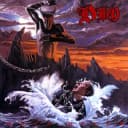 DioHoly Diver
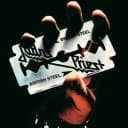 Judas PriestBritish Steel
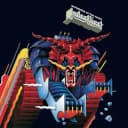 Judas PriestDefenders of the Faith
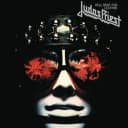 Judas PriestHell Bent for Leather
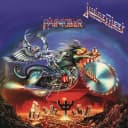 Judas PriestPainkiller
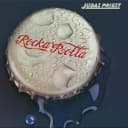 Judas PriestRocka Rolla
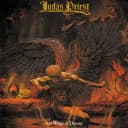 Judas PriestSad Wings of Destiny
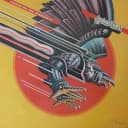 Judas PriestScreaming for Vengeance
 Judas PriestSin After Sin
 Judas PriestStained Class
 Judas PriestUnleashed in the East
 RainbowRising
 Rush2112
 ScorpionsVirgin Killer
 The BeatlesSgt. Pepper's Lonely Hearts Club Band
 The DoorsMorrison Hotel
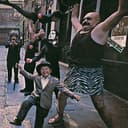 The DoorsStrange Days
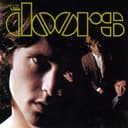 The DoorsThe Doors
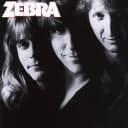 ZebraZebra
Spotify Playlist
● Open SpotifyA bug in Safari prevents playing full songs, please use Chrome.
Transcript
View TranscriptDownload Transcript ⇩
Transcript
View TranscriptDownload Transcript ⇩ⓘ This transcript may contain errors. Please don’t quote it in your yearbook.
There's a podcast that's sure all that rocks hard is gold. And they're climbing the stairway to 11. When they get to there they know the record stores are all closed. But online they can get what they came for.
And they're streaming the Stairway to Eleven.
So for those of you not familiar, Zebra is a band out of New Orleans that got their start in the mid-70s. It's the same three guys for almost 50 years now that started the band in 1975. They released an album, their first. They've released four so far, but their first came out in 1983, and it was called Zebra. So it's their, you know, they don't do the Led Zeppelin 1, 2, 3, 4. They just did Zebra, Zebra.
So it's a hard rock AOR album for the most part. It's got some prog overtones in it. If you don't know what AOR is, there's about eight different definitions of this, but it really is. Album-oriented rock. Thank you. A lot of people like to say it's adult-oriented rock. No. Actually, it started out supposedly just FM radio rock type format, but it boils down to album-oriented rock. Features three guys, Randy Jackson on guitar, synths and vocals,
and synths and Guy Gelso on drums. If you're not familiar with this band, they were pretty big on MTV in the early years. The two big songs that came out on the first album, most notably Who's Behind the Door, which is a song that got me really into them, and the song Tell Me What You Want. They had other songs that were on MTV years later, like Wait Until the Summer's Gone, Bears, which was, everyone seems to know Bears, I guess,
because it's hard to understand what he's singing during this song. He was in the hard rock scene. He was Axl Rose before Axl Rose existed, to be honest with you, because he has quite a range of low to highs, and he gets really high. Want to get high? That's kind of the charm of his singing abilities. It's a three-piece band today. If you see them live, which I have actually seen them live back in 1985 when they opened for Sammy Hagar.
on his VOA tour.
And I thought Zebra blew him off the stage with just saying something because
Sammy at that time was pretty awesome live.
This is amazing to see them.
It's just three guys.
And generally it's while Felix plays bass,
he also plays a lot of keys and synths most of the show.
So it's,
it almost looks like,
you know,
Led Zeppelin at times up there with a guitar and just keyboards and drums
or Rush for that matter.
Or even ELP.
if you want to go really deep in the woods for the prog nerds out there. So first album, like I said, came out in 1983, two big hits that were on the album. For me, this was a really important album because I really cut my teeth on this band. I got hooked instantly. I absolutely love the first album. And I love it for a lot of different reasons. But the main reason I like it is because I think the songs are great. But I also thought they were great musicians, which is kind of evident in their playing.
And whether you like them or not, you can tell they can play. They're not just up there, Nikki Sixxing it on bass. Sorry, I couldn't resist. They kind of have an early history like Van Halen and Twisted Sister. They started out as a covers band. They're a Led Zeppelin covers band. They've been compared to Led Zeppelin their whole career. You can hear the influence. I don't think they sound like them all the time, but you can hear the influence. But they were a covers band. And if you know anything about Van Halen and Twisted Sister early on, they used to play to huge crowds before they had record contracts.
I mean, Twisted Sister was at the Palladium in Long Island or whatever, New York, in front of 3,000 people didn't have a recording contract. Van Halen used to play these massive backyard, they used to call them backyard shows, but like literally 1,000 people would show up to someone's backyard. It was insane back then. Well, Zebra was like that too. They were a huge band in New Orleans in the 70s, playing basically Led Zeppelin covers and a lot of prog rock covers because they were fans of early prog rock.
and slipping in their own songs here and there. And while not as abundant of demos like Van Halen, if you're a Van Halen fan, you can find all these old demos. There are demos out there of all their early stuff, and they're similar to Van Halen in that every album's got a song from somewhere prior to their first album on subsequent albums. So other than that, they put out three albums and then got dropped by Atlantic in the late 80s, early 90s.
and have never really got the notoriety I thought they deserved. I personally think they're underrated and I think they're underappreciated. It's not for everyone. They don't. Some people like their style. I think they're great. Although I do kind of weigh in on some of their more AOR-ish type stuff. I think they're better when they stick to the hard rock and with the slight proggy overtones. They don't have to necessarily be prog for me to like it, but they put out a fourth album about
or 2003, I think.
And they've toured consistently since then without really putting out music.
They do shows predominantly on the East Coast and in the Gulf States,
primary New Orleans and the kind of New York area.
Randy Jackson does a lot of solo acoustic stuff around the country.
They're just still working musicians.
And that's what they love to do.
Yeah.
And they know everybody.
It seems like everybody knows them in the scene.
They just never got their due.
There's a lot of bands like that. Like King's X is a band that never really got their due. Although I think probably more people know King's X than Zebra. So that's my little opening on them. I don't know if you guys want to add anything. You know, I don't know if it was, I think it was last episode. We were talking about how certain, I think it was the, I think it was the Fagin thing that if you grow up hearing something, it sticks with you a lot more than if you come back to it 30 years later and you're like,
I'm like, you know, this is okay, but it's not really my thing now. So, you know, given that, I think it's a testament to this album that I still really liked it. You know, I'm on one hand, I am like, kind of like, yes, it's so dated. And I probably would have loved this when I was, you know, a teenager. So the fact that I do actually still dig a bunch of these songs, that's a testament to how good it must really be.
Yeah, and I'm glad you brought that up. I just was going to say that. It's interesting you say that, George, because yes, it does sound a little bit dated. So if you go back and listen to something they have called Workshop Demos, you can hear some of these songs that were written in the late 70s that sound like 70s songs. They have a song called Wait Until the Summer's Gone. That's off their second album. It's a pretty heavy tune. It had a lot of MTV airplay, but it sounds like it's a mid-80s song.
If you go back and listen to the 1978 demo version of it, it still sounds like the same song, but now it sounds like it's a 70s song. So it's got that little bit of a bluesy guitar sound to it just a little bit. They're not synths there. They're keyboards there. They used a lot of synths on this album. You can hear it. It's obvious. Kind of like when White Snake Reed did Here I Go Again. That's a good example because the early version's got that kind of bluesy
the late 70s 1980 sound and then you hear the new version and it's like over processed yeah so now i know a lot of fans uh you mentioned it sounded dated a lot of fans have complained that they don't like the production on the first song and i tend to agree the original i don't think it was that bad production wise and you know most things are dated to the era that they came from so it's not like you know a bad thing it's just that if you weren't there to right to latch on to it when it came out you don't have the same
Nostalgia for something.
I think when they finally remastered them, I think a few years back, they gave the album more pop.
It sounded not brighter.
It just sounded and not bigger.
It just sounded like it had a snap to it.
Yeah.
And then when you go back and listen to the demos from the late 70s, you're like, ah, okay.
So they were trying to get to this, but they got hung up in the 80s.
And now this will come up a lot, at least when I talk about the songs.
I mentioned they use synths a lot. You can't let that get in the way of this
because the synths aren't the kind of new wave or kind of post-punk synths. They're kind of layers more than anything else. And he does solo a lot when he plays, but he plays like a 70s keyboard player using current technology without it being over the top. So I would say think like Peter Gabrielson type work, which was never the kind of poppy,
almost new wave-ish sound. They were more layers to add to the kind of arty sound that they were trying to create. Lush. Right. Yes, that's a great word. So if we got anything else, I'll kick right into the songs if we want to get started. Yeah, no, I just, one thing I just, I wanted to completely agree with you after listening to this album, because I'd never listened to this entire album before, and I agree, this is a really underrated band.
It's kind of a shame that they didn't get their due because I kind of think that they got eclipsed by a few other bands that might have been kind of similar in this style, which is unfortunate because they've got a really tasteful use of the 12-string guitar throughout this album that I really love. And there weren't a lot of bands doing that. I knew this was going to come up.
Yeah, and I'm going to talk about this with a number of these songs, but that, I think, that layer and that piece of some of these songs, I think, really lends a really, I'm looking for the word, but basically it's just like a richness to this album that a lot of bands were not using at this time in terms of, like, 12-string guitar stuff really didn't get used a lot.
other than by a handful of bands. Yes was doing a little bit of that. Rush was doing a little bit of that. It gets sprinkled in here and there, but these guys just really had a very tasteful use of that throughout this album. Not every song, obviously, but the more epic songs get the 12-string on this album. I definitely feel like you definitely called it, John, these guys are underwriting.
And it's underappreciated. And it's kind of a shame because I completely agree with you. So it's interesting you bring that up. I watched an interview Randy Jackson did, I guess on some local PBS, you know, in Long Island, talking to a woman I guess he's known for years and she has her own show. I saw it on YouTube. She asked him about the 12 string. And he said to her, he says, well, I pretty much only play 12 string now. I don't play anything else.
He's like, I'm used to it. I know how to play it. He says, he just got to, you know, bend the strings a little harder. He says, that's all it is. This is really not that hard. And I'm kind of laughing because I'm like, well, it really wasn't that hard. Everyone would do it, Randy. I mean, strings on a 12 string, get out of here. Yeah. And so I think it's a testament to the fact that he got accustomed to playing a 12 string. Because if you watch any live stuff, which I would suggest if you guys are interested, there's, I can send you some YouTube stuff that I'm shocked that's out there.
I'm surprised. He comes out and he'll play his six string. And the next song, he's got the double neck. And he plays it the rest of the night. He never takes it away. And I'm like, other guys would bring it out. Like, let's be honest. As much as I love Rush, that was a big deal to show off the double neck a little bit. When that came out, like everybody loses their minds. I was like, look at my double neck. I have a triple neck, you know. Cheap trick. Yeah. And it was, Steve Vai was notorious for having the double side splitting. And Frank,
Not Frank Marino. Oh, God, what is this? The guitarist who has that same thing. He plays blood. Like D'Angelo something? Yeah, that's who it is. All he does is just do his neck work only, and he doesn't even pick on it. It's really funny. But he actually got accustomed to playing a double neck and switching back and forth all the time. And it's so effortless that, you're right, you can actually pick it out in the songs. I think that's because he's always playing it all the time, which is kind of unique for a guitar player.
And he sings. And he high pitches when he sings. Which, you know, I think that's why they got compared to Led's Up on a lot. Because the guitar work is similar. You can debate who's the better guitar player. I mean, Jimmy Page is great, but he can be a little loose with his playing sometimes. But you can hear the influence on some of Randy Jackson's playing and some of his solos. So anyway, if we want, I'll get right into the songs. The first song off the album is probably one of their best
songs, at least by money fans. It's got a ton of airplay. It got a lot of MTV play. I remember it. And it's what hooked me to along with Who's Behind the Door. But the opening track is Tell Me What You Want. And it's a little bit of, I wouldn't say it's a ballsy intro, but it is interesting that it just starts out with him singing and playing acoustic guitar to start it out. And you're thinking, oh, what's this? Oh, boy. Tell me what you want, dude. And then it just builds up and just kicks into this
I wouldn't say it's an anthem, but it has kind of that anthemic feel to it a little bit. Yeah. It's got the heavy guitars. It's got heavy synths in it. And it's got this kind of wailing chorus of tell me what you want, where he goes from his regular singing voice to this high pitch that is somewhat controlled. But he gets really up there. And I made the joke that he was Axl Rose before Axl Rose. He really was because he has that. I don't know if he has the same octavar.
that Axl Rose has, because he did have quite a range when he was in his peak, but he has this kind of range. He can go from really low to pretty high. I have a different comparison, but I'll get to that. Okay. I only used him because his vocals get so high, and there was times when Axl's vocals would get really, really high, you know, in some songs, and you could never figure out, well, why does he just sing like this? His lower register, he's actually, he's a pretty good singer. I sometimes feel that way with Randy Jackson. Sometimes, like, I wish he wouldn't go so high in some songs.
But I think it's a great opening track. It's easy to sing to if you want to sing. It's easy to jam to if you want to do that. It's a good hard rock song. It's got some slight AOR to it, just a tiny bit. But it's more, I think, rock than anything else. And I think the synths kind of add those layers we were talking about. I don't know if he's... They're not playing foot pedals, but you guys might know better than I do because I've never played keyboards or synths. But he must be playing some kind of a synth bass.
with one of them, because he's got about four or five on stage when he plays. I'm guessing he's covering the bass parts with one of his hands when he's playing. So. Yeah, probably. Anyway, it's a great opening track. I think if there was a song you wanted to tell somebody to listen to that's never heard this band before, I would pick this one first, because it's, while they do a lot of acoustic stuff, this is the one that kind of kicks in with a rock feel to it right away, and it's immediate. It just doesn't waste any time getting into it. So.
Yeah. Let's say you guys about this. So this is the only song I'm familiar with off this album. So in terms of being the one to recommend, you're spot on there. I really like it. The vocals on the chorus, they get that, as you mentioned, it's a kind of a harsher quality, a screechy quality. And it reminds me of Dave King from Fastway. Well, it's funny. You should bring that up, George, because Fastway and Zebra were lumped together as the new wave of Led Zeppelin bands.
I remember this in 83. Yeah, that's that's a great pull. I love how he's just like, tell me what you want. It's very, I don't know. It's that sound itself is very dated, but it's a dated sound that I already love. So it's like comes preloaded in my brain that I'm like, yes, okay, this is good. Because if you're a prog metal fan, you should love this. Because every prog band from the late 80s, early 90s had a screamer.
The Early 80s Called Just to Say Hello. Yeah, exactly. Yeah, this one's a definite earworm, I think. Yeah, I also felt this was a really strong rocking song. I remember this being on the radio. I got the 45. And, you know, lyrically, I think everybody's been in a relationship where you've been like, just tell me what you want, right?
Like, I just, you know, help me out here because I'm trying to make this work and I just can't figure it out, right? Help me to help you. Exactly. And, you know, like I said before in previous things, like on this podcast, you know, lyrics are not my thing, but on this podcast, I have been, you know, with, especially with albums I'm not as familiar with or songs I'm not as familiar with, I have been reading the lyrics as I listen to the songs.
to get more to try to get a fuller understanding of what it's all about. Right. And so so I've been, you know, literally every song that we that we go over and every album, I'm looking at the lyrics and and, you know, making an assessment of like, OK, how did the lyrics fit with the music and how does the music, you know, either complement that or or the lyrics complement the music, et cetera.
And so, you know, this is rocking. It definitely is something that I think everybody that's ever been in a relationship can, you know, relate to because I think we've all been there where it's just like, OK, I can't read your mind and I need some help here knowing what's going on. And that's kind of what this song is about. And so anyway, I think it hits all the kinds of things that you'd want in a in a rocking song like this. Completely agree with everything.
Like, yes, he's, you know, his falsetto is way up there. I agree that, you know, his low register also sounds really good. And I kind of agree with you, John. There's times where it's like, okay, I get what you're trying to do. And that's kind of the sound that people were trying to get in that day, you know, to either copy Zeppelin or copy, you know, like some of these high bands that, you know, with these vocalists that had these really high vocals.
But I think he could have easily just kind of sprinkled that in a little less in terms of overall. But I'm not against it. I mean, I like his vocals. I like everything on this album pretty much overall. Yeah, it's interesting you guys bring that up and then you bring up the lyrical content to things I'll say real quick is that in this particular song, you almost feel his angst.
The higher he goes when he says tell me what you want. Yeah. The level of frustration is like mounting. You're like my man Randy what's going on? And the second thing which is interesting and I have not gone through all the lyrics however that people people can't see this but hold on. You know the whole time I was thinking that this was like a lament of like a drive-thru worker but that's just me. I have my original 1983 print and it is
a special one because it does come with the lyrics not as cheap like bmg clear plastic
shitty things like my sabbath ones have but i need to go back and read the lyrics because one thing i
noticed about these lyrics is that while they are about relationships they stick to actually
relationships and not about you know the white snake type or deaf leffard type lyrics or the van halen
lyrics, you know what you're like, come on guys, really? Another song about that? Well, they do have that, but they put a twist on it. Right. And it's, it's done slightly different. We'll get to that a little later. But that's what I mean. I mean, they, I think that's what probably sunk them is that some of their lyrics, while they might be all about the same things are a little headier than some of the other bands, but sorry, moving on. Second song, one more chance. This is a song they wrote back in the late seventies. And it kind of,
I love this song, but there's something about it that kind of irks me a little. It starts out with this really cool, all the songs seem to start with this really cool synth layered background sound that kind of leads you into the song. And then he comes in with some really cool guitar work and some nice soloing, and it almost feels like you're kind of floating this ethereal feel. And he has this really cool vocal at the beginning, and then it kicks into the, you know, just one more chance kind of thing. And it sounds very,
80s and it sounds very AOR-ish at first. But as the song goes on, if you notice, then the backing vocals get a little more aggressive. And it's interesting how I think the song kind of sways that way a little bit. It starts out this way, but then it moves on getting closer towards the guitar. So it's not a long song. It's only three and a half minutes. It just picks up a little more steam, I think, and it picks up a little more aggression. But this is probably one of those songs that mixes everything about them.
all in a compact three and a half minute song. So it's a cool song. Not as big on the chorus on this one, because I feel like all the atmospheric stuff when he's doing his verse, when he's singing, and the kind of cool atmospheric guitar soloing going on is really nice. But I see why they picked the song up, because it is the second song on the album, and you do want to have some kind of oomph behind a second song, and not just kind of deadpan into something like ballady or ethereal type song.
So I like this one. It's good. It's one of their older songs. And I've always been a fan of it. And they seem to play it a lot still this day. Solid song. Yeah. When I was listening to it, I was actually wondering if I knew this one as well, because it just sounded kind of familiar. But then I was like, well, maybe I just remember this from listening to it a couple of weeks ago. But I like I like how he goes into the the fast way style vocals again for the chorus. It was pretty catchy tune. I liked it.
Yeah, and I really like the cool stuff going on with the drums at the end. Like you said, it builds and there's like this just killer drum stuff going on at the end that I thought was really cool. And again, another relationship song, right? And I don't know if this is like the answer to the first song, right? Tell me what you want, you know? And it's just like, well, just give me one more chance, right? So I'm not sure.
I don't know if that was kind of intentional or anything, but like, yeah, I mean, another kind of relationship song where it's just like, okay, we've been in this position too, right? Like you've all been in a relationship where you're like, ah, just give me one more chance. We can make this work. We can do this. And so it's very relatable, right? That's kind of the point I'm making with some of these songs anyway.
That's interesting. I'm looking at all the titles and I'm like, you can just like put all these.
It reads like a story.
As I said before, who's behind the door? When you get there, take your fingers from my hair. Don't walk away. I was just going to say, it would be really cool if you ran into them specifically. I think Randy Jackson writes most of their music, or wrote most of their music, and just say, okay, I'm going to ask you this now. The tracking on this album, is this done on purpose? Because they all seem to thematically match each other, like you just said, TR.
We're just following up or here we go with the next. And it's kind of funny because. A loose concept album. Yeah. You're looking at these titles. You're thinking, huh, how did I miss this all these years later? Yeah. So. All right. So moving on to the third track. Third track's a little odd on this album because it's a cover song. It's a song called Slow Down, which was originally written by Larry Williams. It's a rock and roll song from 1958. However, they kind of inject some lyrics.
from Carl Perkins' Blue Suede Shoes in the song. So it's kind of a hodgepodge of a song, but it's structurally the song from Larry Williams. And it's a cool song. It's a rock and roll song. It's a late 50s rock and roll song. And for somebody to say listening to this album, they might be like, that's an odd choice. But if you're back in 1983 and you're thinking, well, they're writing these songs, whatever, late 70s, early 80s, trying to get a contract. This period when this song came out,
was only roughly 20 years earlier. Yeah, exactly. You know, it's not. And that's pretty typical when, you know, there's always a look back to that time, like 20 years prior, and they draw from that stuff, right? And this is what he was probably listening to as a kid growing up, because he's 68 now. So, I mean, he's, when you think about only 13 years older, 14, 15 years older than us, but this is what he was
listening to probably as his drawback. Right. Or an inspiration, you know. Yeah. Yeah. And the thing that strikes me about this song, well, I find it odd because I'd rather have a original song from them. Right. I thought about this a little bit and somebody had made a comment. Is it, you guys are guitar players. Is it Steve Hoffman? What's the forum online? That's, it's a really big forum. Yeah. Yeah. And he's, he's like a real audiophile guy, right? Yeah. And a lot of guitar junk
and everyone's talking studio stuff and
someone had brought up can you imagine
it was a zebra topic in this form had they included wait until the summer's gone and bears on
the first album it would be considered one of the great debut albums by rock band and i thought
that would have been awesome and then i realized yeah but then the second album wouldn't be really good at all
yeah you know because while the second album's a good album it is a considerable drop yes but you see
If they had done that and had been such a big huge band, they would have brought in like Desmond Child or somebody for the second album and they'd have had plenty of great tracks. So. Yeah. Or Mutt Lang. Or Mutt Lang. Yeah. There you go. So now I feel comfortable with this song on there. And when you listen to this song, it is, it's typical rock and roll. And if you're older, like we are, we still heard this stuff when we were kids. It was still on the radio. You still, Sean and I was still showing up on Sunday nights on your television. Yep.
You know?
Oh, yeah.
And so and what I noticed about this song and if you don't recognize it, you might realize that the Beatles also covered it and did a pretty cool version of it back in the 60s.
Yep.
They sound like they played this song a million times.
Yeah, it sounds like it's been in their repertoire for years and it sounds like it's them actually playing.
It doesn't sound like a band that's just throwing a cover together.
I'm not a big fan of covers.
I said this on the podcast a lot, but there's a few I do like like a legions version of subdivision.
I thought was outstanding because they made it their own, but it still sounded like the song.
And I feel like they did it with this song. It just sounds like they play this. And I finally saw a live version of them playing this. It's like, God damn, they're good. You know, so. But there's really not much to say about it. It's just, if you don't know what I mean by rock and roll, just think those late 50s guys out there just banging away and creating all the stuff that all your gods from the 70s that you worship.
what they got hooked on and got them to start playing guitar. You know, they picked them up in the late 60s. So not much to say about other than it's out of place, but at the same time, it is kind of a cool song. So not to knock on this, but I get a bit of a Ted Nugent vibe from this one. Which has actually nothing to do with him. No, but it's just sort of a reminiscent sound. So that turned me off instantly. So this is probably like my,
like least favorite song on the album it sounds nothing like the rest of the album but it does have a cool groove i'm not totally knocking i mean the the nugent thing's just more of a joke um well which is funny because he actually used to cover a lot of those rock and roll type bands at some of his live shows in the 70s right but it was like land of a thousand dances and stuff like that so anyway no i agree john i i in fact i wrote those exact words it sounds out of place you
The style of this song is kind of too far out from the rest of this album. I agree. It doesn't really mesh well with their original material. But I will agree that it definitely sounds like they had a good time doing this. You can tell this is them having a really fun time. They love this, right? It's very raw. Yeah, right.
Right. It has a very loose feel, very raw feel, and just pretty much a very authentic, I guess, a very authentic live version of this. Because it sounded live to me. It sounded like what they would do in a live format, not really a studio track. Maybe if they'd put it at the end of the album, it would fit better. Yeah, exactly. Actually, yeah, that's a good point. I kind of wonder, like, if you change the tracking,
a little bit and you put this at the end, it sounds a little more live, it's fun, and then you kind of feel like, yeah, okay, that ends the album. But I think they wanted to make more of a statement than that, which is what they did with the last song. But yeah, I kind of felt like, you know, I felt like this was kind of disposable in terms of the rest of the songs on this album. Oh, I agree. It's because it's not their song. Exactly, yeah. I kind of felt like, okay, I get it, you like this, and you had a fun time, but
It's like you're kind of not part of the inside joke, I guess. That's kind of how I felt about it. Interesting thing, when I saw them play this live on a video clip, he doesn't go anywhere near his piano on this. He plays straight bass the whole time. So it may sound live in the studio, but I'm guessing that they had to layer it to get the bass parts in there because there's both bass and piano on this. Oh yeah, like this boogie-woogie kind of piano style. It does, it has that rock and roll boogie style to it. So it's followed up by what I consider
be one of their best songs they've ever written. It's a song they use a lot as an opener. I can't see it not being an opener or the first song in an encore. And that's the fourth song called, as I said before, this is another one of their songs from the 70s. This is a sadly short song. And there is a longer version of this song out there in the demos. That's about five minutes long. And I listened to it again the other day. I was like, son of a bitch, because this song is just, it's a killer tune.
It's even better live than it is on this album because he injects some really cool guitar work while he's not singing in between, you know, lyrics. He has guitar parts that are very reminiscent actually of Jimmy Page. Some things Jimmy Page used to do live that he didn't do on album that he injected like on Celebration Day. He injects little bits and pieces on the live version of that song. This is what Randy Jackson does on this song too. This is them at their power trio best, the three of them.
It's heavy. It's a catchy song. It's got a killer riff. And it's pretty straightforward and brings a lot. There's not much AOR to this. This is just a hard rock song. And it kind of, the way they have it on the album structure, it leads into another great song, the way they close the song out and open the next one. But one of my favorites from them, by far.
Yeah, this is back in the lane. I prefer to hear from them. And I was listening to this and it made me think that they should have opened for Spinal Tap. I just, I don't know. I just kind of got the feel like these guys would have got along. You know, similar type of sound, I guess, for that era, at least from like the music guitar drum perspective. They seem a little more legitimate. That's the only thing.
Well, yes, I know, but I'm just saying I could see them touring together. I don't know. I kind of feel like. Are you disparaging the tap? No, but I will say that, like, compared to Zebra, I don't think that they, I mean, there's just a level of sophistication. I'm not even sure how to respond to this. Yeah, so make sure you put your pinky out when you say that. Exactly. With your white glove.
Yeah, smell the glove.
Yes.
Anyway, what's next, John?
No, well, I just have my comments about this.
No, no, you have forfeited that right.
So, yeah, so quick.
I definitely like the riffs in this tune, and the solo was phenomenal.
Like, throughout this album, you know, there are numerous little notes that I put,
And half of the time I said the solo is great. The tasty solo. So Randy Jackson is phenomenal. I actually did see him, John, back in 2013 on an acoustic solo tour that he did. Oh, you did? Yes. And it was awesome. And so, yeah. And he is. He's an incredible player. And you're right. He sprinkles all these really tasteful guitar things.
throughout this album, in addition to the rock and riffs, he can back it up with really amazing solos and just ripping it. So yeah, I agree. Great song. Yeah, if there is going to be a comparison to Zeppelin, I think this is probably the song. I think that this is structurally like a little bit of later era Zeppelin in some parts, but the kind of power and the drive.
And it's, there's no, we're not going to have any kind of catchy chorus here. This is going to be balls to the wall type song. And that's, this is their song on the album where it does that. And it ends sadly short, like I said, because there's an additional two plus minutes, I think to the song are roughly two minutes that are in the demos, but it goes right into probably their most recognizable song, both for the song, for the title, for the lyrics. And that's the song who's behind the door, which is another,
a song they had written, I guess, back in the late 70s. That starts out with this kind of... It almost... It's funny. When I heard this again the other day, it made me think of when Queensryche dropped Silent Lucidity and it caught everyone by surprise because it was acoustic. And it has this buildup. And it builds to this big, massive ending. Well, Zebra did that too, but just like seven years before then. It was at least release-wise. And that's the type of song it is. It starts out with him on a
I don't know if it's really been answered, but you can kind of, you
What happens when I die and I open that door? What am I going to find on the other side? And it kind of leaves you wondering. And I think that's kind of the charm of this song. And the allure is that you can actually gravitate to the lyrics of it without it being too heady, but it's heady enough for you to make you think. The playing on this song is outstanding. It builds into this crazy ending. It's almost bombastic without being 70s bombastic. It's not ELP bombastic.
Bombastic. But it is. And it has a big, huge ending. There's just swirling synths and atmosphere. He has this kind of frenetic guitar solo. It's almost more like just noise than it is him playing notes. And it builds and builds just to kind of end and slowly fade out. And it's, I've seen them play this song, be it as of this year. Oh, no. Next couple of years, it'd be 40 years since I last saw them, which is
It's a bummer for me to think that. I was just blown away seeing them do this. And he'll sit there on acoustic. He doesn't play the modern technology game and run his acoustic through his electric. He sits in a chair and plays this on acoustic guitar, which is kind of wild to see that. Their stage presence is okay. I mean, he walks around and stuff when he plays, but it's kind of weird to see a dude sitting in a chair playing acoustic guitar and in the band playing behind him with all this noise. This was huge on MTV.
a lot of airplay. It gets a lot of radio airplay still. You still hear it on Classic Rock, on XM, Sirius XM. You still hear it if you have satellite TV for the music stations, for the rock stations. It's played constantly. And this is their calling card. This is the song that probably got their break. This and Tell Me What You Want. Two completely opposite polar songs that kind of showcase all the facets of the band. So if you had to hear a second song from the band,
This would be the second then.
So.
So my notes are this one opens like it wants to be a Rush song.
At the same time, I feel like there's a little bit of Ozzy's Mama I'm Coming Home in the guitars sometimes too.
Just kind of the jangly, melodic.
I don't know.
That's just what came to mind while I was listening to it.
It is a little jangle rockish.
And some of his, his, it's.
Well, yeah, I mean, you know, he's bringing the 12 string again. Yeah. So so that's that's really like that's that's another that's what I put on this like awesome 12 string work. I heard a Zeppelin influence, but I agree, George, there were there were some very rushed moments to this. And, you know, it just you can tell it's like definitely one of their masterworks, right? Like in the pantheon of zebra tunes like this is definitely up at the top.
And I definitely,
I'm hearing this on the radio when it came out,
you know,
and I just remember,
you know,
just thinking this is a really cool tune,
you know,
it's pretty ballsy for one of your early singles too.
When you think about it,
because you have to be sort of established to have a song that comes
out with just acoustic guitar for about 30 seconds,
you know,
and then him just kind of singing and some background stuff going on
before it builds up.
There's not too many bands.
So usually when bands get away with that,
it's because they've already got tons of other hits and singles in their radio mainstay.
Well, yeah, but I mean, the thing is, is the quality is there, right?
So, I mean, if you've got the quality, then it doesn't matter how you bring it in, right?
And yeah, I agree, John.
You know, a lesser band trying to do something like this, it wouldn't go over, I don't think.
Right.
But with the skills and the musicianship of this band, it works. And I think even though this is their first album, like you said, they've been playing for years. And it just, to me, you've got a phenomenally written song and it's well played because they're great musicians and it comes through.
So that's side A of the album. We'll move to side B now. Flip it over. Flip it over. Pick the needle up. Make sure there's no dust on the side. That's right. Because we're old enough to remember these on vinyl. Not like vinyl today, where you got like, oh, I bought a 60-minute LP. It's a triple vinyl. Back then, they jammed that whole vinyl onto one. That's right. It sounded like shit, but they did it.
All right, so the next track. So we get into a track now. I like this song. It's called When You Get There. It's pretty straightforward. There's nothing like out of the norm here that sets them apart. It's one of those songs where you get the AOR feel to them. It's got a catchy chorus line. It's got some nice guitar work in it. And it's got kind of a cool mid-paced riff to start it out. If you're going to talk about memorable songs on the album, maybe this is one that catches
you individually, but I don't know if it catches a whole group of people. Solid song. It's not a bad song at all. It's a good song, but it's not like who's behind the door. Tell me what you want. It's not going to grab you like that. Right. And probably a nice piece for them to throw in sets when they play to mix it up a little because it is a more mid-paced song. There's only not much to say. As much as I love this album and I like this song, it's like, eh, it's there. It's opening the second side of the album. I said, the snarly vocals are back.
And in relation to that, I also wrote, this brings to mind Fastway mixed with Night Ranger. I'm going to stop you right there and just tell you, that first Night Ranger album is freaking awesome. I don't care if anybody says. What's the second one? The second one is good. Yeah, that guy's an amazing guitar player. Yeah, so it's Jeff Watson. They're both great. Yeah. But I like the pull in Night Ranger because I saw them open for Sammy. The tour before.
I saw Zebra open for Sammy. And they knocked it out of the park, too. Yeah. You know, so nice pull, George. Continue, please. That was pretty much all I had. It was, you know, it was cool. I liked it. Yeah. You know, at first, I don't know what it was about, like, you know, because the cadence of the lyric or of the chorus, you know, when you get there,
When you get there, when you get there, it just, it seems kind of off. But the more I listened to it, the more I was like, this is really catchy. Like it just gets stuck in your mind, you know? Maybe that was the point, right? Well, it probably was. And so actually, you know, this is a song I alluded to earlier when you talk about a complicated relationship song, right? So I read the lyrics and it's basically the dude talking about his girlfriend.
who seems to be sleeping with another woman for a one night stand and he catches her in a lie and she's got to kind of fess up to it and so that's heavy for the early 80s yeah exactly it's kind of like whoa okay i did not expect that when i started reading the lyrics you know and and actually looking at this it kind of took me by surprise a little wow again you know we are talking about relationships just slightly different than what you're
I want to pull back something you said
earlier about Guy Gelslow's drumming on this. This song has kind of a cool little drum thing he does
during the verse section. He kind of, you know, they're doing this mid-paced riffing. He does a kind of cool little thing. It's not knocking anything out of the park, but it just kind of adds to the mid-paced riff. I thought that was noticeable from him. And it's nothing special, just little things that you notice.
You guys are guitar players, so you probably notice little things that other people don't. I notice these little drum bits here and there, and I'm like, that's kind of cool. I kind of like how it stands out. All right, moving it along, because I don't want to take too much more time here, but come to the seventh song, which to me is a crown jewel of their whole catalog. Take Your Fingers From My Hair is just, to me, this is their epic song. I think this is the longest song they have on
that they've recorded.
This is another late 70s song.
This has a lot of their influences on it.
It could be anything from Zeppelin to Rush.
You might hear this, but it's Zebra that's playing.
You hear them.
And this is the one that just builds up.
And it's, again, the relationship lyrics, you know, we've talked about.
But it's really hard to describe this song unless you sit back, put your headphones on and listen to it just to hear everything.
The Way It Kind of Ebbs and Flows, it goes from these low points and builds up to these heavy driven parts by the whole band, and it comes back down again. And it's kind of like the relationship ebb and flow cycle kind of thing that we've been talking about. Unreal guitar work at the end, and they have this big buildup at the end, and it just keeps going and going. And he gets faster and faster in his playing, but as this is all happening, starting to slowly fade out, and you're like, no, no, no, keep going.
You know, it's we we talked on the metalheads podcast about the Dio, Holy Diver, Barisi mix and how he let everything go to the end to the very end. I actually kind of dug that because I was like, so that's how that song ends. I didn't know that, you know, and I kind of wish you got a little bit of that from this song. But to me, this is their crown jewel. I just something more I can say about it other than you really have to sit down and just give it the full seven and a half minutes that or whatever it is and just let it.
just flow through and just give it all its time and let it breathe because it is a big monster song it's a proto prog metal song it really is and i could see why dream theater covered this song eventually on on one of their albums they put out a yeah on one of their eight disc versions of an album the deluxe edition the super super deluxe and they were very faithful to the original pretty much yes and to show you as skilled as they are as musicians
That was four guys playing that song. There's something about power trios. Yeah, that other bands can't replicate with more people. I don't know what it is. The joke is, you know, whenever you listen to a rush song, you're like, that's three guys playing that sounds like five. That's what this song is here. So I won't say any more because I'll go on and on. I just absolutely love all the work on this from all of them. I thought on this song. So I felt like the beginning,
me think of Simon and Garfunkel go 80s rock. Sort of a little like Sound of Silence but a little more 80s. And yeah this is a pretty long song. It's the longest song on the album and you know probably a little long to be a single so. And you know when I saw the song title I did not think I was really going to like this. I was like that sounds like a dumb title. But yeah it's not bad. It's pretty epic. And yeah the whole prog rock thing I get that.
Yeah, and another 12-string intro, right? Like, here's another epic tune where 12 strings rule the day, and, you know... 12 strings to rule them all. Yes. And then, like you said, John, the ending jam really rips like that. It's just like, okay, you know, you sat through the seven minutes of this. Now here's the payoff, guys. Right. Boom, here it is.
And yeah, what a killer ending to this song. I mean, it's just awesome. And it's all of them. They're all at a high peak on it. It's not just him soloing on his guitar. Everyone is just soaring. Yes. Oh, yeah. Yeah. Tremendous. I yeah, I love it. All right. Moving on. Two more songs. Number eight. Don't Walk Away. This is reminds me of a lot like when you get there. It's got that kind of feel. This is a jangly kind of AOR track.
I'll be honest with you if you switched out the musicians and had Tom Petty and Heartbreakers play this song you might think it's them because it has that kind of Tom Petty-ish type of jangle kind of what do they call that not homegrown but there's a heartland kind of a heartland rock feel to it while still being kind of AOR-ish and it's not necessarily hard rock it's a rock tune it's got a nice little feel to it it's kind of the in-between song between their two proggy songs on the album
that kind of they squeeze in there to fit in. And it's not more and more for me to say about it. I didn't think I was going to care for it again because it's been so long since I had listened to the album. I mean, I listened to it periodically, but I hadn't listened to it extensively like the last couple of weeks. And at the end, I was like, yeah, okay. I like this song just like all the other tunes. It's cool. Yeah. Yeah. I wrote down that I felt like this should have been a single.
I thought it was good enough for that. And I really liked the riff. Yeah, I felt like this was a song where the music was better than the lyrics. I kind of like, you know, I don't know. It was lyrically the weakest song on this album, I felt. The solo was tremendous. Yet again, like the so that like, as I listened to each of these, the solo to me was notable. And I felt like, yeah, he pretty much killed it.
But yeah, in this case, I felt like the music, because I felt like the lyrics kind of brought this song down. And it's unfortunate because I felt the music was really good, but the lyrics kind of, I don't know, kind of brought it down for me. Definitely a little bit different from the other songs we've heard on the album. I think thematically, at least, the way they structured the song, some of the stuff they did. But all right, final song.
It's called, and I'll even say this when I heard this the first time, it's like the La La song. What? This is one of their 70s songs, and if you go back and list the early versions, you can hear what they're doing. This is another kind of their proggy stuff, their proggy hard rock, and I think it's also one of their songs they try to, we're probably thinking we can get people to sing along to this live and still be proggy. Who would ever have thunk that? Who came up with this idea?
Whose weed was that we were smoking last night? But I got to tell you, I love this song. I don't know. Sometimes I'm like, here we go again with the La La. After a while, though, when you listen to the song a number of times, it almost identifies what the song is. Oh, it's the La La song. And they do some really cool kind of proggy things in this. The synth is probably the most prevalent in this song and how it dominates the sound of the song in itself.
and the way they play until you get to that kind of three-something part of the song, three and a half minute, four minute, and then the little kind of chug-a lug with the guitar comes in, and they do this kind of cool ending, which is reminiscent a little bit of Take Your Fingers From My Hair, where it gets a little proggy, and they do a little kind of jamming at the end of it, and it kind of does a little bit of an about-face, but they still don't forget to sing la-la-la at the end.
It's just now kind of done like it's in, it's ethereal. It's in the clouds. It's in the heavens while they're singing it, but the band's kind of just jamming away to the end and it kind of is their way to end the album. They kind of close the album out on their own terms as opposed to just slapping a song at the end. So I, it's, it's a cool tune. I saw them play this live and I remember it being cool. I was just was turned off by the title of the song. But every time I listened to it, I'm like, yeah, this song is cool. I don't care about the title. Sometimes titles are dumb.
and that's okay as long as the song is cool this is one of those songs for me yeah when i saw this i was like the lala song nah nah this is not this isn't gonna be for me and they weren't kidding about the lala there's a whole lot of lala at the beginning of this song that's right and i was starting to think i was like are the only words in this lala okay because because i was like that would be the ballsiest thing is to it's almost like the rush blah blah blah it's just a whole song of
I like this more than I thought I would. So I agree with that.
Yeah, I felt like it was a real yes vibe in the intro.
Like that's what came through to me. Yes. Like and the funny thing is, is like, you know, he sings so high most of the time, but yet there was no high part on the laws so much.
No, it's all in the verse. Yeah. And, you know, what's funny is, is like, as I thought about it, I was like, I could hear John Anderson singing over this.
I felt like it was very yes. And I like the way it slows down during the solo. Because it makes that section so epic. And then they had these dual harmonies. And I definitely felt like this was the most progressive song on the album. And that ending section in 5-4 time, it's like, how much more progressive can you get than putting something in 5, right? And that was what I definitely thought that was cool.
What was that joke, T? You and I heard what? It's in like 12-7. Who does that? Right. And so now this is another song that I, so in my notes here, I wrote another song where the music is better than the lyrics. I honestly don't really remember the lyrics to this song. It's la la, la la la. Thank you, Jordan. But, but, you know, again, musically, this thing was epic. The lyrics didn't always kind of, you know,
get that across or like you know if this could have been you take the lyrics away and it's it I think it becomes even more epic that again you know I've I've talked about in this podcast you know how much I like instrumental bands because lyrics are not that important to me usually and and I feel as though certain songs when left instrumental end up being way more epic than they could ever be.
ever be with lyrics. Sure. And, and, you know, we're going to sometime at some point in the future, we are going to cover a Satriani album. And I, I can tell you that his songs, if, if he had put lyrics on all his songs, they would not be nearly as epic as they are. And so we'll get to that one day. Are you not a big fan of big bad moon? That would be one of his five best songs. It is a great song. If it didn't have,
It is one of his meanest solos. He rips on that song. And so, and so the point I'm making is, is that, you know, you take the lyrics and, and some of the vocals off of a couple of the tracks on this album, and it becomes even more epic. Yeah, I just felt like this was, they were trying to create something with that, that vocal. And it, it just, there's a whole, I'd love to hear what they were thinking.
about when they wrote the song, what they were trying to get to, or what was influencing them, because it just has a different feel from the other songs on the album. Yeah, well, that's true. It really, and it's, well, I think because it's even more progressive than these other, and it's, like I said, it's more yes than, like, Zeppelin or Rush, right? Oh, yeah. That's, I think, I think that's probably part of it, but again, they bring in these dual harmonies,
on the guitars and stuff that, you know, you don't think of with yes, right? So they definitely put their own thing on this. And like you said, John, you know, while you can say that they're like, you know, influenced by Zeppelin or whatever, it's Zebra that's playing this music. And you can hear that, right? Like they've got their own sound. And while they may have been influenced by these bands, ultimately,
It's Zebra. And you can hear that throughout. Yeah. And I'll finish with one last thing about the Zeppelin connection. When people say, I sound too much like Zeppelin. Well, that's not really strange considering that they formed in 1975, you know, and Zeppelin had just disbanded three years prior to this album being finally released. I mean, it's like all the bands that sounded like Van Halen in the 80s and all the carbon copy bands that sounded like Metallica afterwards.
and all the bands that sound like Dream Theater afterwards, because those bands influence so many others. So I'll just finish. I didn't realize we talked so long about this album. I'll just finish by saying I absolutely I think this is one of my my favorite debut albums. Everybody. This is a really important band to me because this is one of the bands I really just gravitated to hard. And I was with them at the beginning and I kind of lost them for years. And, you know, the last 15, 20 years I've gotten back in and that's that's 15, 20 years. Yeah. But they came out.
And I just replaced all my albums with the remasters, and they sound so much better. So if you're looking to try something from the early mid-80s that was really big when it came out, and unfortunately they didn't make it past 90 with Atlantic Records, then this is a great place to start. It's a very underrated, somewhat unappreciated band, because I don't think people realize how talented they were. And still are, for this matter.
They're still playing. Yeah. Okay. So my pick takes us from the eighties back to the late 1960s. This is the doors and strange days. This is their second album. It was released on September 25th, 1967. It reached number three on the billboard chart and eventually went platinum. There are two hit singles from the album, but I think there's some cool deep tracks as well, which is pretty much everything else. It was recorded between tour breaks for the first
The first album was actually released in January of 67. So like, you know, they released the album and within the next eight months, they toured and also recorded this album. They recorded using something that was a cutting edge eight track machine. Okay. In 2023, that's pretty laughable. Even I started out with a four track machine, you know, in my basement. So.
I was going to say it's a single black metal or a single guy black metal band in his basement. Well like Black Sabbath stuff at least early on that was like four track. I think at least the first album was four track. So this is eight track and it was inspired by the Sgt. Pepper album. The band like blew their mind and so they wanted to try out new techniques for recording and one of the things was like a backward keyboard. So it definitely fits into the site.
The Doors fan. Yeah, so I just want to start by saying I got a lot of baggage with the Doors, you know. Did the doorknob get you on the way out? Yeah, I think so, but basically, you know,
Growing up in an age of just say no, this band exemplified the drug culture of the 60s to me, right? Really? See, I don't, I mean, I don't get it. It was only Jim Morrison for me. The rest of the people never did. Well, even, well, no, because I mean, musically, I felt like it was, it was pretty trippy. Like you listen to this album. Yeah, it's definitely psychedelic sounding. Yeah, exactly. And a lot of the keyboard sounds and everything, it was trippy, psychedelic, you know, Morrison reportedly died from a drug over
You know, they had a lot of spoken word in their songs. Morrison's low crooning kind of didn't do a lot for me. But I will say this over time, I have warmed up to this band somewhat. Yay. If you don't like the drug culture for them, you must hate Pink Floyd. Well, actually, I've always liked Pink Floyd. And and that's because they, you know, well, OK, so early Pink Floyd was definitely psychedelic, right? Right. That's early.
Yeah.
Yeah.
Yeah.
But I have to admit, like, you know, I've never really been big on the Sid Barrett days.
Yeah.
Floyd.
But but but this this so, you know, I know I have a love hate relationship with the Rock and Roll Hall of Fame.
But when I went there, I saw a number of displays that gave some background on Jim Morrison because I never really knew much about him.
And when I went there, you know, they had some of his like grade school papers and handwritten stuff that he had done. And, you know, I was surprised to learn, you know, when you when you when all you know of this guy is, you know, he's he's indecent exposure on whatever tour that was that they claim he never really showed anything. And then all the drugs and all the other stuff and the outrageous stuff.
And you find out like he was the son of a, of a Navy rear admiral. He had really good grades in school and you know, he was like really smart, read an enormous amount. And, and I, I was very surprised by all that because I, it didn't, I didn't, his persona and everything else about him kind of belied that whole background, which is, is unfortunate. And I feel like,
You know, say what you will, I don't know. I feel like drugs and alcohol really took a toll on him, and it's really unfortunate what that did to him because I feel like had he gotten through that, and you know, we've seen it with other bands and other artists that kind of make it through, and they kind of gain some maturity and some wisdom, and then they, you know, they have to do it.
I have like a second chapter and I feel it's really sad that this guy didn't get that chance and so I you know I definitely have warmed to this but I coming into it like early on like when I was a teenager like I did not like the doors I felt like this is like everything about drugs and everything that's bad and this is like you know and so yeah I mean I was a goody two shoes I gotta tell you like when I was growing up forget it right yeah you are yeah I love the doors I was
I was a fan in high school and I knew a lot of this stuff because I read the book No One Here Gets Out Alive which is one of the coolest first of all it was a cool cover it was an attention catcher the colors the yellow and red on the cover yeah and him just standing there looking all like Val Kilmer wait a minute oh that's kind of strange wait a minute Val Kilmer kind of looks like him you just put the cart before the horse yeah exactly you know and you read the book and you learn all this stuff about
him. And so I knew that. I was a big fan. I didn't get the hate from some people. Not what you're saying, T.R. There's some people who it's just like bitch roll. I mean, they just want to kill the band members. Like, OK, if you don't like them, that's cool. Right. If you don't like that kind of carnival sounding keyboard, you know, the way that he uses, I get that, too. And don't worry. There's a lot of songs by them I don't like either.
And I still like them. So, yeah, but I'm glad, George, that you picked this album because I think this album sort of gets overshadowed by the debut. But I think it's just as good, if not better, than the debut. And that's saying something because the debut is pretty damn good. It is. But I like the vibe on this album better, though, personally. So, yes, we'll leave it there. All right. So let's get into the first track, which is the title track.
Strange Days.
So this one was definitely hitting the trippy psychedelic thing pretty hard right out the gate.
But overall, a decent song.
Gets the head bobbing.
I like Ray Manzarek's signature keyboards.
They kind of give their own like weird sound.
I mean, I think their signature, maybe their carnival.
But I'm thinking of Light My Fire and Hello, I Love You.
I kind of listen to those songs.
I'm like, it's kind of killing me.
But then on other songs, I think his sound is amazing and it does great wonders for songs. This is one of those songs where it does. Yeah. I think. Yeah. There's plenty of keyboards and music at this time, but I felt like these were more like rock keyboards than some kind of, I don't know, like electric piano kind of thing, you know? Right. He wasn't playing it like a piano, like keyboard players would. He was playing riffs on that, on that thing. So anyway. Well, he was, he was doing the bass parts because they didn't have
a bass player early on. Exactly. So. Yeah, Mike, I was just going to say to me, like on, you know, on the Zebra albums, I said the music was better than the lyrics in some of the songs. And in this case, I felt the lyrics were better than the music on this song. I felt like as I started looking at the lyrics. So again, I looked at the lyrics for each of these songs and it's clear, you know, Morrison,
is definitely a very good lyrics writer or poet or whatever you want to call him. And in this case, I felt like the lyrics were better than the music. Yeah, he definitely was, you know, the center of this band. You know, I mean, the music's cool and stuff, but without his, his, you know, personality and charisma, they would have been nothing. Yeah.
Yeah, I agree. I think some of his lyrics get a little out there. Especially when you... That's almost an understatement. Come on. No, because songs like Crystal Ship and Moonlight Drive are pretty beautifully written lyrics. But he gets to some of his stuff where in the later period albums, I'm just starting to wonder how trashed were you when you were writing these lyrics? Because when he puts thought into his lyrics, he comes up with some really
and flow type lyrics that work really well together. I actually dig that. I think this is a cool intro song because it's not a typical door song. And that's what I thought I liked about it is more than there's no signature sound to it, which was different for them. It just kind of reminds me of some where they were still had the keyboards, but in the later albums, they became more rock albums as opposed to psychedelic albums. And I kind of like this song that I could see this song being played in the later period.
and it would sound more like this than if you pulled Light My Fire out and took a lot of the other keyboard Rayman's Eric parts out. It just wouldn't sound the same, obviously, because that song is built on that. This song has a lot that's built on besides Rayman's Eric, which is kind of cool. Even though it's really psychedelic and dark. The other thing, too, real quick, I'll say about this album that you noticed right off the bat, there is bass on this album. It's bass on every song. They actually have a bass player.
that they asked to join the band, but he chose not to. On the first album, they have bass, but the guy playing bass on a few of the songs is just mimicking Rayman Zarek's bass parts that he plays on his keys. This guy's actually playing full-on bass, his own parts. And he chose not to be part of the Doors. He chose to stick with his other band at the time. Whoops. Well, a few other. There was a few other reasons. I mean, who knows? It could have been he just didn't want to play with the guys or something like that.
I was playing on a lot of their albums after that, as far as I can tell. So. Cool. So the second track is Your Lost Little Girl. It's not as trippy as Strange Days. It's kind of chill, ethereal intro, and it builds up as the song progresses. I felt like Morrison's vocals on this one are both simple in their, you know, spoken word way, but also mesmerizing in his, like, soft lulling you kind of
What do you call those? Weaving a web of intrigue or whatever. Mystery. Mystery. Yes. I felt like he kind of had a sound all his own. I mean, you hear Jim Morrison, you know Jim Morrison. Unless, of course, it's one of the many people that try to sound like Jim Morrison. But simple as his style was, it was notable and memorable. This song made me think about the fact that there are kind of a bunch of different archetypes for 60s bands. You know, you've got the Beatles.
they were one and the stones or another you know people would fall in line between one of those the who the grateful dead of course have spawned a million fish clones and then i was thinking the doors but you know who the doors take after quite a bit any thoughts who could be the archetype for the doors in 60s rock bands who the animals the doors sort of
cleaned up and perfected the sound of the animals. I mean, while I was listening to the
doors, I was thinking about this and that just, you know, I could hear like Eric Burden and the animals like doing, you know, we got to get out of this place or something. And I was just like, huh. Well, actually that's not, that song isn't a great example of it because that's a little different, but, but a lot of the Eric Burden stuff, you know, misunderstood or, you know, it's my life and I'll do
I won't. That's very Jim Morrison. Yeah. Think about it. Yeah. And, and, and the, even the, like the, the, the keyboards, it, it, it, it, everything about the doors is the animals. Yeah. So I never, I could, I could, that
dark song to start it out. And then you kind of go into this kind of spa music. You know, and it almost relax. Yeah. And then it builds into kind of the 60s thematic type song a little bit, you know, like, I'm not going to say it's like a soundtrack to like a James Bond film, but you know, it comes in with the drum beat, you know, you know, it kind of has that feel. And it's like dual meaning, you know what to do. Right. And then it's,
We're going to find out there's a song about a guy trying to turn a girl into a prostitute or something, you know, with these double lyrics, but I like it. It just should have been a third song, but you know, whatever. I actually liked it myself. I like the air of mystery that it's shrouded in. It wasn't too trippy. Like you said, George, it's not super psychedelic or super trippy. So it's a little more mainstream normal. Yeah.
Yeah, so yeah, I kind of liked it. Next we have Love Me Two Times. This was the second single off the album, and to me, it kind of brings back the bluesy feel of the first album a little bit. It's another Krieger song, Robbie Krieger. While I said this is the second single off the album, it's kind of reminiscent musically of the first single off the album, which we'll talk about a little bit later.
But it's the second single and probably my second favorite song from the album. It's a cool tune. I love the bluesy vibe to it. I've always loved this song. And I kind of like the fact that there's an individual base that's not following the keys on it. It just kind of changes the pace of the album. Three songs in a row, all different paced songs, which you're going to see, it can continue every song to slightly pace differently than the last one, even though it's a really psychedelic album.
Yeah, I felt like this was one of the more, one of the catchier songs on this album. And it's, you know, saucy. Yeah, you could hear this in like a jukebox in a bar or something in the south, you know. Definitely. It's just like got that saucy kind of, you know. And it was a big hit for them, too. I mean, it's got tons of play. You still hear it all the time on classical. Oh, yeah, for sure.
So the next song is called Unhappy Girl. And this seemed like more of a kid. What are you laughing at? It's just funny because John's like, I think his, and you, you know, the way you're starting off with the way you're talking about this. Just go ahead, George. I want to hear what you want to do, what you're going to say. I apologize. I'm sorry. Yeah. So it's more of a keyboard driven song. I like most of the songs on this album.
And this one is no exception. However, it's definitely middle of the pack for the release. You know, not really one of my favorites. Maybe a little lower for me. I'm trying to be nice here. In my notes, I said, seems like a bit of fluff. Yeah, a little bit. And the other thing is, so the interesting thing about this is, you know, I looked at the lyrics and there's no real chorus to this.
Like the verses almost seem like choruses. There's no difference in any of the verses. Like there's no bridge and there's no chorus and there's no lyrics, right? It's just there. Yeah, exactly. It's like, okay, we're going to give you this and we're going to give you this and we're going to give you this. That's it. It
I don't know I was just structurally as a song they might have forgotten some parts maybe so it's very short yeah I think that's probably why I mean it just doesn't it like you know maybe two drafts more they would have had a chorus or a hook that would have been like oh yeah here's here's the reason for this song yeah for for me it's my least favorite song on the album now I'm saying this it's not it's not my
least favorite track on the album. Oh, thank you, John. It's my least favorite song. Because I know where you're going with that. Yeah. We'll just leave. We'll this will come up again. It will. Like on the next song right now. Yeah. Okay. So next we have horse latitudes and this one isn't really a song. It's more of a poetic interlude. This is the parts of the doors that TR did not like early on. This would be a prime example. This is this is but this is artsy fartsy.
I wouldn't say this is a drug thing.
This provided all the levity for me because you want to hear my notes on this?
Completely unnecessary and semi-pretentious.
Oh, definitely.
Overdramatic.
I'm reminded of William Shatner's Transformed Man.
And I don't know if you guys have ever listened to William Shatner's Transformed Man.
But this is that in spades.
It's just so bad. Over the top. Yeah. Let me add to that, TR. I wrote Jim Morrison speaking nonsense over chaotic psychedelic noise. Kind of pointless. Yeah. I said it's cool for what it is, but generally I just skipped this one. Yeah. You don't need to listen to this song. I mean, if you went from Love Me Two Times to Moonlight Drive, they ain't missing much. Yeah. Just my opinion. People might like this stuff.
It provided levity to me. I mean, you know, again, I was, you know, I was thinking of Shatner once more into the breach, you know, that album. Yeah. So this is the part of Jim Morrison that annoyed me, you know, but it's only a minute and a half. So it's not that much time out of your life. Yeah. You won't get it back, but still. No, sorry. So next we have Moonlight Drive, which John just mentioned. And I feel like the star of this song.
and many doors songs is Morrison's lyrics. Musically, the song almost has like a drunken lilt to it. Like he's kind of stumbling down that moonlit drive. But, you know, the lyrics are what keep me hanging around. You know, music's fine for what it is, but I think the lyrics are really cool on this one. Oh, this is some of his best written lyrics, I think. Just, they're real catchy. I think I was reading how Robbie Krieger was kind of hooked by the lyrics. Or maybe it was Raymond Zerk.
But one of the two, or maybe both, were saying that they were like, wow, this is really good stuff. This is one of my favorite Doris tracks in the whole catalog. I love the kind of slide guitar, the sleepwalk sound a little bit. You know, if you know the song Sleepwalk from Santo and Johnny. I mean, everyone's heard it, but he's playing that on a steel guitar. But it sort of sounds like that a little bit. And I kind of dig it, and I like how it builds up. And he has a really cool kind of explosion and
and then it just kind of fades out real nice. I love this song. This is easily one of my five favorite door songs. Easily. So I liked it too, although I felt like the solo was the best part of this song. I don't know. I didn't get as hooked on the lyrics as you guys did. Oh, I think Robbie, this is one of Robbie Krieger's better songs, I think. Yeah, but the thing was, is like, and I agree that the slide's kind of cool, but like, he kind of
of overdoes it. Like I felt like the slide
was a little gimmicky
because it, you know, he kept kind of
going back to that same sound
and I just, I don't know, it
it didn't work as much for me.
I understand, like
I get what you're saying.
Maybe I just need to give it more of a chance, but
like I felt like it was a little gimmicky.
I did like the solo and
I definitely kind of like the vibe
of the tune for sure.
Now this is one of their older songs too.
This was written before the first album. So I think it was written in 65. So that kind of sound says where they were with some of the because you think about it, that wasn't on the first album. If you put that on the first album, it's like, holy shit. I mean, what do you take off that album then? I mean, there's a couple tracks. There's a couple on the second side you could probably take off, but it's another band that has tons of material that they save for their second and third album. So. So the next song is People Are Strange.
I'm sure I heard this song previously, but I remember really getting into this song during the movie, The Lost Boys in the 80s. And, you know, at that point I was in high school and I kind of really connected with the lyrics to this song because I'm weird. I'm strange. And it's, it's definitely my all time favorite door song. I think I can't think of anything else that I like more than this one. It's kind of dark and it has like a, like a saloon music feel to it.
It always makes me think of like New Orleans or something. And it just feels kind of dangerous with that. You know, it's like people are strange and coming out of the mist and, you know, this weird chaotic music. And the lyrics, you know, you really, I at least really connect with feeling like an outsider and thinking that people are strange or people thinking that I'm strange. I rarely listen to this song just once. This is one of those songs where you, if you have that,
That ability, you rewind it and listen to it again. I mean, it's pretty short, too. It's only like two and a half minutes or something. But I end up replaying it and listening to it more than once, usually. Yeah, I felt like this was definitely, if not the strongest tune, one of the strongest tunes on this album. And I agree, George. The term saloon music is very apropos because the keyboard,
the piano or keyboard sound of this almost is like an out-of-tune saloon piano. And that does add to the dangerous quality of it. So I would agree. Yeah, this is one of my favorite songs on the album. And I definitely agree with you on pretty much everything you said about it. Okay. Yeah, this is one of the songs, I think, where the lyrics match the music.
Meaning when he's singing at the beginning of the song, and it's just got kind of slow prod before
where even his air comes in, you kind of feel like, man, there's some freaking weird people around here right now.
You almost feel like you're walking, and this song is playing in your soundtrack of your mind. And you guys mentioned saloon. See, I get the whole cabaret feel, which is not much different. It's just, you know,
It's the same idea. It's a French fancy saloon, basically. But it does. It has that cabaret saloon feel. I wouldn't say carnival, but you almost kind of feel like it when it starts building up and he's really heavily playing Raymond's Eric, you kind of feel like maybe you're in a drunken state at a carnival. You're like, I gotta get off this ride. Yeah, because there's all these weird things. If you've ever been to, I mean, I like carnivals better than Ferris because there's always weird things going on at carnivals. You know, carnies, that's the whole draw. The weirdness.
the strangeness, the oddness, you know, and I think that's what makes this song so catchy and probably why it's one of their, if it's not off their first album, you know, it's the post first album rates that they, they put out. Okay. Then next we have my eyes have seen you. I said, this is a very 60 sounding intro, but at this point in the album, I feel like it, it's a little repetitive and just, I'm like, yes. Okay. I've heard this.
like a couple times now and I'm starting to reach my threshold on that and I think this one kind of hangs out in the middle of the pack with your lost little girl they're both kind of like you know anyway I saw it as kind of straightforward for them on this album you know it didn't nothing really struck me about them it's it's a cool little tune you know the funny thing is I really like this song I felt like this had a really cool groove
And I really like this song. Like I like this song better than a lot of the other songs on the album. So I thought the keyboard and guitar riffs were pretty cool. Yeah. Like I felt like this had a really cool groove. Like it just I don't know. I liked it a lot, which I think is funny because you guys are kind of like, eh. But I know I like it. It's it's but it's but it's like the second tier you've got like people are strange. And I mean, I I like this. Yeah, I like it too. I mean, I like it.
I like it better than strange days I like it better you know like I actually really like this song like almost as good as like let me two times and people are strange like that like I put it like right under them pretty much yeah which is kind of funny because you guys I don't think like I don't think you guys put it at that level look we're not saying it's horse latitudes TR come on okay all right all right let it go yeah all right I think so
You know, one thing about this song I noticed was towards the end of the song, Morrison's vocals get kind of heavy. I mean, because he's just like, he's yelling it out there. It kind of made me wonder where he would have ended up later in the 70s or even early 80s if he'd lived. Would he have gotten heavy? Would he have doubled down on the soft parade? Well, you know, that's a good question because a lot of these 27 club people,
that passed away like Hendrix and you know, you kind of wonder like what would have become of these people? Like what, you know, would Hendrix have gone through like a disco period, you know? Right. I don't know. No way. No way. He was hitting jazz all the way. Fusion jazz. Yeah, that's probably true. And so the same kind of thing for Morrison, right? Like what would, it's beguiling to think,
about what some of these people would have done had they lived and what their futures would have held. It's really unfortunate that we lost these artists because I kind of wonder, had he gotten through all that and gotten past the drugs and everything, what kind of artist would he have turned into or how would he have grown?
And it's really unfortunate that so many of these artists that had obviously lived up to a great deal of their potential but not fully realized their potential were taken down at too young an age. So it's a shame. I really feel like I think we all probably would have gotten, it would have been interesting to see what would have happened to him.
and what kind of music he would have made and what he would have done. Who knows? Would he have stayed in music? Maybe he would have become an actor. Maybe he would have written books. Who knows what he would have done? But it's a shame to think here was a really bright person that as an artist had a lot to say and a lot to do and just life cut short. It's a shame.
You're assuming he's dead
Yeah
Oh I forgot
He's with Elvis on an island
No
No
He talked about this
Mr. Mojo rising
Yeah
You know
Remember
Mr. Mojo
From Africa
So that was
You know
If there was ever a person
That was gonna
Like show him and say
Hey I'm 97
I'm still alive
It would be him
Because he used to tell people
From what I remember
Yeah
You know
He used to say that
So
And then he
He mysteriously joins the 27 club. Well, this is where you have to, you know, kind of assert the importance of making sure that what you're snorting is cocaine and not heroin. Yeah. Because that'll kill you. Boy, I just think that was their problem. Not that I know the difference. I just read the book. Yeah. All right. All right. So second to last song. I can't see your face in my mind. That just does not roll off the tongue.
Okay.
Could have just come out and say this is my least favorite song on the album.
It's not a terrible song, but I didn't feel it was all that special either.
Yeah.
I didn't really care.
Yeah.
I wrote the lyrics don't seem to mean anything.
Wow.
I just, I couldn't, I don't know.
I couldn't interpret what it was about.
And then the other thing I wrote was trippy guitar lines, which I guess, you know, it was pretty trippy in terms of the guitar stuff.
But that's about all I... This is so funny because I actually like this song. I want to stop you, TR, on the lyrics part with the doors. Okay. Well, no, I was going to say... You can't assign meaning to some of this stuff, right? Don't even try sometimes because sometimes he just wrote gibberish because it really... He's not John Anderson gibberish. Well, right. And that's where I was going to go next, right? Like... He has a plan with what he's doing. Yeah. And... John Anderson just got high and just... Well, yeah. Exactly.
Exactly right. It's like, how does this sound with this word against that word? And they don't mean anything together, but they sound cool when you say them. Top of the teeth, tip of the tongue. Yes, exactly. There was a method to his madness in his lyrics, but I actually kind of liked how it's like Moonlight Drive meets Waiting for the Sun off of Morrison Hotel. It's got that kind of just strange, psychedelic Ray Manzarek part in the beginning. I love the marimba. I'm a drummer.
Oh, yeah, that's right. And there's some marimba on there. I forgot about that. Yeah, that part I really liked. This kind of Latin, kind of loungy feel, island feel. You know, if you don't know what a marimba is, it's like a xylophone. It's like a glockenspiel. Glockenspiel? You know, it's wooden bars played with mallets, and they have notes. You know, it's just not banging on drums. You know, percussionists actually have to know notes and scales and everything. What?
It just kind of gives it a nice little feel. So that's probably why I like this song is because I kind of dig the Latin kind of island loungy feel with the marimba. So but I could see where you might be like, yeah. All right. So the last track on the album, When the Music's Over. On their first album, they had the epic track The End. And on Strange Days, they end with another epic When the Music's Over. Clocking in at almost 11 minutes.
never had any aspirations of being a hit song being so long as it is yet it's a pretty cool song a little long yeah chorus is actually pretty catchy and even when he's not singing it's just kind of an interesting track as long as it is i was okay with like hearing it all you know just to get to the end and uh it's it's divided into five parts so it kind of has its own strange flow even though it's strange kind of a strange
I love this song.
Yeah.
You mentioned the end, not to cut you off, I'm sorry.
You mentioned the end.
If there was ever two songs that kind of describe this time, this era,
any of the turmoil people may have felt or had, it's those two songs.
I mean, the beginning of Apocalypse Now, when they're playing the end with Martin Sheen,
hammered in his hotel room, and he cuts his hand.
I mean, the song fits the chaos of the movie. Right. The song kind of has that same feel. And it's one of his greatest screams ever when he screams now, when he says, we want the world and we want it now. I always dug this song. It is long, but he's kind of going there. I always wondered if the Ramones took that, like, we want the world and we want it now, because they have a song called We Want the Airwaves. Right. And there's the lyric, we want the world and we want it now.
And it's like, hmm. It would be kind of funny if they did, because they would be the complete antithesis of the doors. Exactly. But they did a cover of Take It As It Comes. They never thought they were a punk band. They always just thought they were kind of an aggressive rock band when they first started, which is kind of interesting. Yeah. Thank you, George. I like to listen to the end just because there's so much going on, and it's kind of this weird jammy middle section, and he just starts doing his Jim Morrison thing.
When the music's over, turn out the lights, turn out the lights. It has a groove. It really does, even though it's got these interludes and ebbs and flows. To me, this song, more than any other on this album, is what the Doors are all about. It's well executed. It takes you on a journey. It's really the best of all the band members put together.
And for better or worse, you know, like, you know, if it's, it's what it's, it is the doors to me, like this, this is what the doors are. Like when the music's over and I agree the end, it, it, it really exemplifies what this band is about in, in a lot of ways. And, uh, yeah, I mean, it's, it's, it's really, this band,
And, you know, it condenses all the psychedelia. I mean, yes, it's a long song, so it doesn't sound very condensed. But it captures everything. It captures his spoken word, his screaming, his mellow lyrics, the trippy kind of sounds, the psychedelic sounds. It's all there. Like, it's all of it is in this song.
And in the end, I mean, it really kind of exemplifies every aspect of the band. It captures everything of the band. So I feel like this is a good way to end the album. And I feel like it's a really good example of what the Doors are all about. And I put it, you know, kind of in the top tier. Yeah, definitely. Of the songs of this album. I would put it top three at the very least. Yeah.
So I'm kind of pleased that, you know, when, when I said this, that we were doing this one, you were kind of like, and, but you kind of came out mostly positive. I did. I actually, like I said, George, I'm warming to this album and I'm warming to this band. And I have to admit, I never heard most of the songs on this album before. So for me, this was a new exploration and I kind of dug it. I mean,
I didn't love all of it, but obviously, like, you know, definitely caught the oomph of, you know, my eyes have seen you. And I kind of liked your lost little girl. I mean, I didn't expect to like that, but the more I thought about it, like, I just like, your lost little girl. It was Bernie, which is really kind of funny. It's like a Delic Lounge, baby. Exactly. But I like it. Yeah, I'm coming around on the doors, George. You're coming around the mountain. Yeah. To the doors.
It's so funny because it's one of my early 60s rock bands that I liked a lot early on. Going back 12, 13 years old. So that's kind of funny. We all get into these bands at different points in our lives. Yeah. TRs just happens to be now. Yes. It took a while, but I got there. So it's all right. Yeah. I think you might like a lot more than you know, especially if you go back and listen. Some of the later period stuff where the
kind of drops a little and they become a little bluesier on their sound. I think you might dig something. Yeah. Oh, yeah, that's true. And look, I'm so, you know, when his voice gets real gravelly, I think is when they do some really cool stuff. Yeah. And I have, I actually, I do have like some sort of, I can't remember which doors compilation or best of thing that I have, but I do have one of those. And I do.
like, you know, most of the hits. But it was interesting to kind of hear some of these other songs that, you know, I've never heard on the radio or that they would not play some of these songs for sure. So it was kind of cool to get a little bit of a window into some of the other stuff. I mean, it wasn't unexpected, obviously, like definitely, you know, psychedelic or trippy or whatever you want to call it. But it was, I enjoyed kind of exploring this album a little bit.
because I had never listened to it before. And it wasn't unexpected, but yet it definitely, I don't know, it was somewhat rewarding. So I appreciate that, George. You're welcome. Keep that in mind while I pick something you don't like. Those reactions are, we're done today. Yes. So the third album this week is the other metal band from Birmingham.
And that's Judas Priest. And this album is Sad Wings of Destiny. And this album was recorded in late 1975 and released in 1976. And as Priest follow up to their first album, Rockarolla. And on this album, you start to hear their dual guitar attack and Halford's epic, nearly operatic vocals further solidifying here. And I got to say,
Not only did their sonic presence start to gel, but even their album cover art started to kind of come into being here. And on this album, their album cover art is by Patrick Woodruff, and it's titled Fallen Angel, and depicts an angel sitting amongst smoke, flames, and a skull, and other bones. That's metal. Yeah, it is. With a downcast face and clenched
Pinched Fists, definitely a metal image, right? And so Priest is coalescing into a metal band on this album. Their first album also had some metal sounds to it, but there were a lot more kind of 70s tinges to it that I think they're starting to find their way on this second album.
And so, you know, I've read both Rob Halford's book, Confess, and K.K. Downing's book, Heavy Duty, Days and Nights in Judas Priest. And both of their recollections of this time was they had next to no money. Both Rockarola and Sad Wings were made with about 2,000 pounds each, fronted by their label at the time, Gull. When they were recording this album, they lived at the studio.
And according to Rob had no money to go anywhere. So they were really scrounging at this time. The look of the band had not yet come together. If you've seen their performance on BBC's old gray whistle test of Dreamer, Deceiver and Deceiver, KK is still wearing a white fedora and a Hendrix style shirt and Halford has long shoulder length hair.
Jeans, the leather and studs were still a few years off for this band at the time.
So let's get into it. This album is really one of the proto-metal albums and is just one of my favorites of all time.
And so it starts with a song called Victim of Changes, which really started as two songs, one called Whiskey Woman.
and one called Red Light Lady. And it's characterized by awesome riffs and the transition from the first part of the song to the second, which makes this really interesting. The way that they transition. It's kind of a victim of changing. Exactly. But it's not a victim at all. It triumphs. It triumphs in the change. The second part showcases their mellower side until it really cranks. And it's got some of the highest vocals.
I'd ever heard pretty much at the end of this song. This, I gotta say, I love this album so much, and I'm really gonna try to keep myself from being the biggest fanboy on this podcast for this song and this album, because it's just, it's so tremendous. I love it. And I know you guys are Priest fans, so I'll leave it there if you guys want to talk about Victim of Changes. This song's total garbage.
Just kidding. This is like the first real track
of the first real Priest album. Some would argue the first real
metal song with actual metal riffs.
You know, I know Scott Ian
I think it was
I think it was Scott Ian
was saying on XM how
for him
this album, Priest in general
were the beginning of true
actual metal. You know, Sabbath
was more bluesy, doomy. Yeah. This is the first kind of like real metal. So, yeah. And that just to interject in 1976, when this came out, the other semi metal albums that were coming out at this time were Rainbow Rising, which was heavy and kind of metal. But I would I would argue that the songs on this album,
were more metal than what Rainbow was doing. Definitely. Yeah. And then Dio, Dio, Dio forgive us. Yeah, right. Exactly. Then you had the Scorpions Virgin Killer, right? Which, which was heavy. And it was hard rock, but, and, and you could argue that parts of that are metal. But to me, this is more metal than that. I don't think Scorpions have ever been truly metal. Yeah, I would agree. Hard rock. Yeah.
Yeah, right. Yes. And then you've got Rush 2112, which I wouldn't call metal, but it's certainly hard on the verge of metal. It's on the cusp of greatness. It's angry like metal. And, you know, it was definitely their statement album that got them to where they ended up going. And it really kind of was the turning point for that band. But but in terms of metal, the way we like think
of metal from the beginning. This is more metal than all of them. Sabbath did Technical Ecstasy, which I would not consider, I would almost not consider a metal album. Definitely. So when you think of like, and there were a bunch of other hard rock albums that came out in 1976. I didn't bother to list them, but of the most metal albums that came out in 76, to me, this is the most metal of all of those.
And I don't know if you guys would argue that point or have any other thoughts about the other things that came out in 1976. No, I totally agree. I would. You would argue? Yes. Thunderdome! Get on it! I would say from front to back album, yes, I agree. However, Sabbath had a little song in 1973 called Sabbath Bloody Sabbath, which was a
They're heaviest song up to that point. And there are moments on that album that are very metal-like, even though people like... Sabbath now has become non-metal anymore because kids today think metal is what they listen to. Sabbath, you know, come on. But I think Sabbath was kind of the technical ecstasy and it all went down from there. And I would say, if you're going to mention Rush, I go all the way back to Anthem as being a metal-ish song.
But if you want to say front-to-back albums, then I will not disagree with that. Well, yeah. I was more focused on 1976. I know. Well, I know, but you were saying the first true metal album. Yes. I think there was metal out there. Right. Just maybe not front-to-back. More contemporary metal. Yeah. Okay. Yeah. I don't disagree with you there. Right. Okay. Yeah. I love this album, too. I'm going to get kicked off the podcast, but what I have to say next. Oh, man. Oh.
No, you better not. I'm saying it. All right. Are we talking Victim of Changes? Talking the whole album. Okay. Well, let me hear it. I just don't like the sound on the first two albums at all. I don't like the pacing on the songs. And I'm going to tell you why I don't like the pacing on the songs. And this is Victim of Changes. It's Genocide and Tyrant. Let me tell you why. All right. Because they put an album out in 1979 called Unleashed in the East.
which is supposedly live, supposedly in the studio. Yes. And those versions of those songs are so fucking good. I'm sorry I said it. They're that good. Victim of Changes on that album is just like mind-numbing how good it is. Yeah. Tyrant is so good. So when I go back and I listen to the album, I'm like, ah, where is that supposed live slash studio version? And it's because it's the studio technology. I mean, literally,
three years, three years later, it's that much better. Well, and they'd been playing it that long too. Right. Right. They'd have that time to hone it into, and they, you know. It's the 70s, and that's, and it's not them. It's a lot of bands. I'm just like, ah. Because when you go back and you listen to the, like the drums are buried, and they didn't exactly have the best drummer in the world on the album. Well, you know, Scott Travis has been in the band for over 30 years now. Yeah. No, but it wasn't,
Simon Phillips yet and it wasn't Les Banks. Two fabulous drummers to follow up. No, it was Alan Moore. And yeah, he was adequate, but right. I agree. So that's my only, only knock on the album is that when I go back and listen now, like when I listen to the Ripper, I'm like, ah, it's so much better on that other album. And so that's my only draw is it sounds 70 still to me because I mean, but you know, like I kind of like that though. I mean, I like, I like, I dig that 70s sound, right? Like I,
I totally understand what you're saying, John. And I agree. There's a noticeable change between this album and Sin After Sin. Yeah, well, that's because the band got $60,000 to make Sin After Sin. And they got 2,000 pounds to make, you know, Sad Wings of Destiny. So, you know, you can hear the cost of like... Of course. Yeah. And they even say, and they've said, yeah, we really consider Judas Priest really starting with Sin After Sin.
And I think that was more just to dig at their old record label more than anything else. I agree. Yes. But at the same time, there's an argument to be made that that's sort of kind of they're directional. Yes. They're directional because they sound more metal on that album. But that's probably because the studio. That's the only negative thing I have to say about the album. Okay. All right. So everyone just move on. All right. George complains about production on the Metal Hits podcast all the time. Yeah. I'm allowed to have an album once in a while here too. That's true. Because you will hear me,
about this on all 70s albums all right did we want to say anything more on victim it's it's it's one of their five best songs i agree period there's nothing more you can say about it it's a standout it's their deliverance every show i see priest i'm like oh they're gonna play it again and then they start and you're like that dueling guitar intro is one of the greatest things it is yeah ever love it love it yes and i've i've i've seen them live and they've of the times i've seen them live one two three four
four, five, six times they've played victim of changes. Right. And so we haven't seen them as much as Opeth. So we haven't sat there and said, all right, I don't have to hear deliverance tonight. Yeah. But after a while, like, well, can they play something different? I don't mind if they do. And then you hear it. Yeah. Oh, yeah. Yeah. Exactly. It's like, can you play it again? Keep it going. Yeah. Yeah. All right. So. All right. So the next song is The Ripper. And this is done from the perspective of Jack the Ripper. Hmm.
Convincing Performance by Halford. Throughout the song, you've got the guitars actually shrieking through some of the parts. So it's got some very, it's got some different effects throughout the song that, you know, are like haunting and shrieking and, you know, kind of grating or whatever you want to say. To have a song written from the perspective of Jack the Ripper is kind of interesting. And Rob Halford really delivers in his portrayal.
And the guitars, the dueling guitars, again, a hallmark of Judas Priest, the dueling guitars, the harmony riffs and just the solos and everything is just terrific. So this is another song they played a couple of times throughout their live career. I've been lucky enough to see him play it a couple of times. And yeah, I mean, I love it. I love the vocals on this because he just really,
goes for it and shrieks through like, you know, which this, this fearsome. I mean, you, you definitely feel like the fear and you definitely feel the shrieking of a victim when, when, when, when Halford screams shock, when you, when you, you're in for a shock and you, you definitely hear that throughout the song. So yeah, I love it. Yeah. I was like, now we're talking, this is some classic priest right.
here. Probably the most well-known track on the album, and it's certainly a vehicle for Rob's amazing vocals. What I find interesting about this track is that I really love this medium range of his voice in this song. He goes high in some of the chorus bits and stuff, but the verse, I really love the verse. And I think it's partly because the vocals are very upfront in the mix. It's almost like Rob's in the room with you going,
You know, and I don't know. I kind of keep feeling like I want to hear something like this in Latter-Era Priest. The way he sings, just the simple, the simpleness of his like medium level non-singing voice. Right. It's just, I don't know, I dig it. He does a touch spoken vocals-ness, you know, when he sings the part.
I'm the devil in disguise. It's almost like he's, as he's getting ready to stab his victim, he's just like saying, by the way, you picked the wrong dude to hang out with tonight. I'm the devil in disguise. One star on Yelp. Yeah. Well, you're not going to get to post that review, my friend. So I like this song, but I got to be honest. It's, and this is since day one, since I, I got into priest when I was 12, you know, with British steel and unleashed knees. I bought them.
the same time when British Steel dropped. I always liked this song, but it never grabbed me like everybody else. I was like, what is wrong with me? I should like this song more than I do. And I do like it. I do like it. I do like how it prods. Like the guitar work is very prodding. It's almost like you feel like you're walking on those streets in London at night and you're searching. And every time it builds up, it's like somebody just got slashed. See ya. It's like a video game almost. Right. Yeah.
And so I like it a lot. And I know it means a lot to to priest fans. And it was just one of the ones that was just slightly down the list for me. Still think it's great. You know, I've seen it live a few times. And it it's a home. It's actually been a hallmark for both their lead singers. Because Tim Ripper Owens. Yeah, you know, really, that's true. Really belt out. That's how they call start calling the Ripper. So I mean, it's a hall for it's a hall for it's a hall.
It's a Hallford trademark, no doubt. There's no question about it.
All right, the next song is Dreamer Deceiver.
And this has a definite 70s chilled out sound to start.
It's going to be on the first album.
Yeah, absolutely.
Because, you know, when you think of like Dying to Meet You or something like that,
it's got that same kind of 70s sound.
And it's a sci-fi fantasy that paints a picture.
The picked out riff is mesmerizing. And the vocals climb and climb throughout the song until Halford is in the stratosphere. The soloing is so tasty toward the end of this song. I mean, it's just incredible. And just when you think Halford can't get any higher, you hear a harmony vocal that just sounds impossible for a human to make where you hear him like singing that high, like where he's going. And you're just like,
Oh my god. Like is that a is that him actually singing? And it is. And and just the the it's just almost unimaginable like the vocals on this are so ridiculous and then and then the guitar playing on this is incredible and amazing. So it's just like the culmination of everything coming together to just blow you away. Like it's just I love this so much. It's just like
I can't even it's hard for me to describe how much I love this yeah you know yeah come on man give me a little more than that so I can't hear this song without thinking about the documentary of the same name which is around the court case that enveloped the band in the 80s because they were accused of influencing the actions of others I'm gonna leave it at that through their music and you know it was a sad story but you can't blame
the actions of people that listen to your music on the people that write the music. You just can't. People have to own their crap. Yeah. Luckily, they were acquitted in that. Yeah, exactly. Musically speaking, it's cool, too. That's pretty much all it is. For me, this is about as ballady as they can get and proggy at the same time mixed together, which gives it a different twist without being a ballad then. You know, because it just has that 70s vibe, like you said, TR. Yeah.
And when you listen to it, if you just listen to this, and you're kind of like, okay, I've heard this before from somebody else. I don't know who. But it's Priest, so it's a little different. Their first album off of themselves yet at this point. I'm good with that because I love the first album. And I know not everybody does, but I really dig that 70s Priest sound that you get, that this song has.
And like I said, dying to meet you and some of the other songs off the first album that that just have like a very 70s heavy kind of chilled out sound. I really love that from them. And, you know, over time, that would kind of start to disappear. And I kind of like this period of priest, like their early albums, like as they're basically starting to transform into
to the metal band that they became. Going into sin after sin and then, you know, hitting, staying class, which I feel like by staying class, they pretty much, you know, became what they were going to be or were really pretty close to what they were going to be at that point. And I love that too, right? I love what they became and that period of like late 70s, early 80s priest.
But I've got a real soft spot in my heart for this 70s sound that they were still kind of that they were, you know, this is their second album, right? So they're still doing this and it's late 75 when they recorded this. I just, I really love it. And I get it, you know, for some people, it's not for everybody because the people that really love what they did later, I can understand how this would kind of sound dated or might sound
kind of old or kind of like, you know, passe or whatever, but I just love it. Yeah, I think that's probably if people don't like it, they think it's a dated sound. And I can see that a little bit from this. You know, this is about, you know, their proggy leanings, and they were never a prog band, but they had proggy leanings at times. This would be one of the songs, and they don't get rid of that until after Sin After Sin. They still have just a little bit there.
It changes with Staying Class. Although, oddly enough, they bring a little bit back on Hellbent for Leather, which some people think is the first true priest metal album, you know, where they had the whole look and the image and all that stuff. I still think it's Staying Class, but that's another argument for another time. Okay. But this song does lead into something that I think is quite spectacular. Right. So Dreamer Deceiver leads right into Deceiver, which is a much more kind of
heavy riff kind of space theme. I don't really know what Halford is talking about here, but it couldn't sound more epic. And the soaring vocals, you know, are going on throughout. And it ends with that mesmerizing picked riff of Dreamer Deceiver to kind of tie it all back into the first part of the song. But yeah, again, it's huge.
It feels big. It feels epic. And it's just. Halford is just soaring above all of it on this with his highest vocals. It's tremendous. So I said, who uses the same word in two consecutive song titles? Judas Priest does. That's right. And other than that, I was just like, this is heavier than the last one and they're back on track. Not that they were off track, but I mean back on the metal track.
Yeah. Yeah. Yeah. Well, you know, it's really one song, to be honest, with the Dreamer Deceiver. Well, then it should have been Dreamer Deceiver, not Dreamer Deceiver Deceiver. Well, they sort of did the same thing off the first album with those four songs that they put together. It's really one long track. Yeah. Winter, Retreat, Deep Freeze and all that. Yeah. And they title them as individual tracks, but it all flows together. Yeah. Which was a common thing in the 70s. A lot of bands did that.
Yeah. Yeah. Yeah. To me, this was dissident aggressor before dissident aggressor was right. Yes. And it, it has that vibe. It's just as good. It's short like dissident aggressor. And it, it's the, one of the hidden gems on the album, to be honest with you, because you're thinking victim of changes, you're thinking, you know, the ripper and a few other songs on the album. And then this one comes on and you're like, Whoa, where'd this little bad boy come from?
And it's even different than Victim of Changes. It's structurally written different. It's written to almost be a metal song. Even though we still don't know what metal is at this point in the 70s. We haven't got there yet. It's coalescing and you can hear it. That's what's so cool about this album. They've tapped into something that they would further refine in the future. But you can hear like, okay,
Yeah, this is pretty freaking cool. And they're doing something pretty amazing here. And they've got all the ingredients. And it's and you know, when you hear what came after, you know, you can see where this is going. But like at the time, I'm sure like I can't imagine because of course, you know, yes, I was I was alive when this album came out, but I didn't listen to it till much later. But I'm, you know, trying to think about like what people were thinking when they
you know, put this on their turntable and listen to this for the first time. It had to be pretty amazing to think about like, wow, you know, this is pretty cool. Like this is really badass. Like some of the stuff on this album is incredible. It's a master of puppets moment. Almost. All right. So now we're getting on to side B and it starts with Prelude, which is a Tipton pen tune that sounds very classical.
And yeah, there were other bands that were using classical elements in their work. Deep Purple was kind of sprinkling in things. Richie Blackmore was certainly sprinkling things like that into their work. But this was primarily a keyboard piano kind of classical sound to it. It does seem a little like, look what we can do.
And it may have served as the inspiration of Nigel Tufnell's Lick My Love Pump. But it's still pretty cool. I mean, it's short and yes, it's kind of classical, but I kind of think it's cool. I said this is the prelude interlude. It's got decent atmosphere, but I didn't think it had a lot of meat on the bones. It was kind of a throwaway track for me.
Yeah, I just, you know, they got a prelude, they got an epitaph on the album. So I mean, I guess they're... Oh, I didn't notice that. Yeah. Yeah. And so I'm guessing that's all it is that, yes, therefore this is not uncommon. Opeth has done this a lot on their early albums. They have these kind of short piano pieces in between songs. And it's really just a setup piece for what's to follow with the next two songs is the way I look at it.
And I don't disagree with you,
well,
George,
to me,
it's also kind of a throwaway track,
but then I agree with you too,
TR that it kind of,
it's juxtaposition.
I mean,
you got this nice piece,
you know,
played on whatever keyboard or electric piano,
whatever he plays on.
And then you get slammed in the head with the next song.
Yes.
Which is kind of an interesting thing.
Yeah.
Which is the next song,
which is Tyrant.
And here's another song where Halford takes on a persona, right, based on the perspective of the song. So he alternately sings from the perspective of the tyrant character to that of the people oppressed by the tyrant. Hit me, hit me, I'm oppressed. Yeah, exactly. And so there are tons of tasty solo trade-offs between Glenn and KK in this song. Dual harmony arpeggios, the vocal harmony,
are really cool on this song. I remember, you know, as a singer, listening to the harmonies on this song and, you know, trying to pick out like the lower harmonies and then listening to the higher harmonies and then trying to sing them and just thinking to myself, this song is so, just so cool and so well constructed. And you've got these different characters, right? You got the tyrant behold, Desai the commander, you know, like he's like,
and he's like busting everybody's butts and then you've got like you know
mourn for us suppressed in fear you know and and it's and it's basically sung like you would expect
you know that they would be singing right like so it i don't recall like a whole lot of bands that were
singing from the perspective of these various characters like genesis did a little bit of that
on like,
um,
get them out of that.
Yeah,
they did a lot of that,
but,
but like,
there weren't a lot of bands that were kind of taking these character roles and singing from that perspective that I recall.
And maybe you guys might remember some other bands that were doing something like that.
But I kind of think that,
you know,
Halford embodied all of the different characters in this very well.
And he sings it in a way that really,
you know,
or suffer smite from this my hand. And it's just like he's spitting it out of his mouth. And then he takes a completely different tack when he's singing as the people that are oppressed. And I think that's a tribute to his ability as an artist to take on those different roles and sing them as such.
And so I think that, you know, in addition to all the amazing guitar work and the musical qualities of this song, the vocal piece and the ability of Halford to embody these characters is also a key to what makes this song really successful. I love the riffs on this one. However, I felt it was still a bit clunky.
I don't know. It just wasn't quite as heavy and in-your-face as I was expecting it to be, especially with a name like Tyrant. But they were kind of paving the road they were riding on at this time. So I know they're going to get there. Right. So I will say I'm going to bring up my gripe about 70s music and production and value. And this is one of the songs I think suffers compared to the
Unleash in the East version, which, George, if you want to hear that version you want to hear, go listen to Unleash in the East again. It is heavier, faster. There's more meat to the bone on it. What drives me nuts about this song, and I'm curious, Tiara, what you think, is I hate the tired tyrant that he sings during the chorus. I hate it. It should be more... And if you go listen to the live version, he doesn't do that.
He's aggressive and hard and fast the way he says Tyrant. And that's, so I just, I can't get behind this version of this song as much as I love this song. What is, what did I say to you when I found out you went to that show and they played Tyrant for the first time in like 30 some years? I was like, fuck you. I was just like, I waited so long. They played two nights later. And then I find out they did the same thing with Genocide on the following tours. Yeah, which I regretted not seeing.
So I absolutely love this song, but George, I agree with you. This on this album, it just feels like it's missing something. And I think it's the kind of tired. It's almost like it's the, you know, he's singing from the perspective of the downtrodden, like, Oh, the tyrants coming again. But then when you hear live version, it's just, it's the tyrant the whole time. Yeah. So, and I think, I think part of this might have to do a little bit with, you know, what version you heard first.
And for me, like, I, so again, I will give props to my buddy Alex, who, you know, educated me at my young age and said, look, you know, here's what you need to do. And literally like each band that I was like, oh, I want to learn more about them. He'd say, okay, start with the first album and work your way up. And, and so honestly, I didn't listen to Unleashed till,
like much later. And I agree, like it's got a lot more bite. Having listened to this many times and have, you know, having gotten used to like the way that this is, this is the version that I kind of, I guess is the definitive version for me, but I get where you're coming from and I understand what you mean. And yeah, it does sound a little kind of, now that you mention it,
It's like, oh, I'll take a nap. I just, so if I'm picturing seeing them play live, I'm not picturing Rob just standing at his microphone saying, you know, his hands out, Tyrant. I'm picturing him with his foot up on the monitor, all in leather, and just belting out Tyrant really fast. And so, you know, yeah, I've moved past the kimonos and the sashes that he was still wearing on Sting Class, you know. So, that's
That's my only issue. I mean, I actually love Ashley. No, it's fair. I don't know. He just sounds like maybe he recorded that when he hadn't gotten much sleep. So. Okay. Well, and that's possible because, again, they were, like, pretty wiped out and, you know, when they were putting this song, putting this album together. So the next track is Genocide. And this is pretty heavy stuff, right? Genocide. Right? Not cool, bro. I don't think, like, a lot of bands were talking about
something this drastic at this time.
Halford sings from the perspective of a person whose race is being eradicated.
Definitely paints the pictures with the words here.
And this song has a lot of cool parts to it, right?
The main riff comes in, then you get this sin after sin bridge.
Then it goes into this solo section, and then it goes back to the main riff.
And then the build up to the slice to the left, slice to the right section at the end,
till it just fades out to soloing guitars, which, you know, it kind of bucks the trend of any kind of classic rock construction of a song.
I mean, it doesn't adhere to any of that.
Like, it's completely its own thing.
So you've got like a really heavy topic. You've got ripping guitars. You've got multiple parts that are really diverse and different. But they all get sewn together so smooth and seamlessly. I just feel like this is a signature Priest tune and I really, really love it.
Yes. This is a killer tune. Heavy. Again, I'm going to reference back to Unleashed and Ease because I think what I like better on that version is they do this kind of cool intro and they do kind of a cool middle section. But you don't have to listen to that version to still like this song because it's awesome off of this album. A little shorter. It's about five and a half minutes compared to almost eight on the live album. Love it. I'm with you on this. I agree with everything you said. This is one of their heavier songs. I love the reference to Sin After Sin in it.
It's almost like saying, hey, we got some more coming for you. Or it just means that they were looking back on the album and said, hey, this would be kind of a cool album title. So yeah, not much more to say. This is one of the early versions of metal from them. Like Deceiver, also in Victim of Changes. This is where it's starting to show. I agree. Cool. Okay. So the next track is Epitaph. And again, this is more of the classical soft side of Judas Priest.
Alford kind of croons on this song. KK is on the record in his book as saying he didn't care for this. And in his opinion, it wasn't representative of the band. I love this band, but parts of this even make me cringe a little. But, you know, I think there were future songs where the softer side of Judas Priest, like Last Rose of Summer, Beyond the Realms of Death, other, other
of this style were better executed than what was here. I know what they were trying to accomplish, and I'm sure that they were trying to show like, hey, we're not all just metal. We can do this softer side. We've got feelings. Exactly. And that we can, you know, that. So, yeah, I kind of feel like I get what they were trying to do, but I don't feel like it really came together as well.
here. Yeah. For me, this is like Rob Halford does Billy Joel. Do you hear that? Like at least, you know, in the beginning, I'm like, what is he doing with his voice there? That's so un-Rob like, but yeah. At the same time, I don't hate this. I kind of liked it. Yeah. I don't hate it either. It's just that, you know, uh, there was some of the, some of the backing vocals on this kind of sounded thin.
And I think that's more of a production issue than anything else. But it kind of reduces the power of this song, I feel, unfortunately. So I agree with KK on this song. I'm not big on it. I actually like Prelude more than this. But I will say something, George, and this is for you now. In my notes, I wrote, reminds me of a priest trying to be queen.
I did not look up anything. This was just off me list. I was like, God, I get kind of a queen vibe with the vocals. So I go and I look on Wikipedia because everybody knows everything is real on Wikipedia. And I wanted to look at something about the album. I wanted to look up while we were talking. And somebody actually did a kind of brief write up on each song, which is interesting. You don't see that too often on there. And for Epitaph, it says,
A Quiet Track with Piano Backing and Queen-like layered vocals. I was like, I didn't even look that up, but I feel justified. So it just reminds me of that. Yeah. And so I can see the Billy Joel reference, too. It's just, like TR said, it's out of the norm for them. They're still working out the first album. You never make that much of a shift because all these songs were written around this. I'm sure some of these songs were written prior to the first album.
Yeah, for sure. You know, they have these riffs that are bouncing around. They're incomplete yet. And they save them. I mean, the biggest culprit of that is Eddie Van Halen. I mean, he saved everything. Oh, yeah. Kirk Hammett did too, but then he lost them all. Well, he said he'd had them and then he lost them, which means did he really have them? I know. So, yeah, it's it is what it is at this point in time. Every band has one of these songs.
during this period.
Yeah.
All right.
The final song on the album is called Island of Domination.
And Halford says he was reading a lot of sci-fi and Asimov at this time.
And you can hear some of that in this, in this song.
I like the transitions to different sections of this song.
The middle swaggering riff is particularly gnarly.
Gnarly.
It comes back to the main riff again and then trails off with repeated vocals. I like this song. And, you know, that middle riff is really pretty badass. And that's a cool riff, right? I mean, this is a great song. So I love it. It's a good way to end the album.
All I got on that one.
Right.
Yeah, this is my second favorite song on the album.
It's kind of got a little bit of everything.
It's, I don't know.
It's the song I think of when you say Sad Wings of Destiny.
Even though the Ripper's on here, this is the song I think of.
Oh, yeah.
Wow.
And, yeah, I agree.
It's a super cool album closing track.
Very appropriate.
Yeah, I am in agreement with both of you.
To me, this is the hidden gem on the album. This is the song you don't think of right away, unless you're George. Unless you're George. And you're like, well, it's the second song I think of on the album. Right. It's not underrated. I think it's just undone by a lot of fans. Yeah. Because they maybe don't get past the two or three songs they already know on the album, which, you know, most casual fans are hit fans. Not knocking them. That's just what they like. Dive, dive. I will say.
This is about as doomy as priests will ever get because that middle section is kind of doomy for them. It kind of has that pace. It's not traditional doom as we know it, but it's got a little bit in there. It's, you know, it reminds me Epitaph and Island of Domination sort of remind me of Dreamer, Deceiver and Deceiver. They kind of go hand in hand together a little bit, you know, in the way that the songs bleed together. I think Dreamer, Deceiver,
I'd be fine with that.
And I'm not slagging on the song. I'm just saying I would be fine with that.
It's a cool tune. It's a great lesser known track.
And it's probably why my favorite period of the band is from this point to Stain Class.
Those three albums are group-wise not all my favorites, but I like that period the best.
You know I'm with you on that one, John. So according to Halford in his book Confess, this was also the time that they worked on a cover of Diamonds and Rust, but because it didn't fit into the mood of the album, they held it back. So it's interesting that this is when they actually worked on that, but they didn't put it on the album. Isn't there two versions of this song too? Yes, that's true. And I can't recall the circumstances around that.
But I do. Yeah, there were two different versions of that. So the one on Sin After Sin, I think, is the more hard rock metal-ish version than this one. It was, I think, a little slower, wasn't it? I'm not mistaken. I could be wrong about that. Right. No, but I just wanted to throw that in because, you know, this was the time that they actually worked on that, which I was unaware of until I read Halford's book. Yeah, I thought that I'd read that somewhere.
Again, I'm not a super covers fan, and that's one of their covers I'm not so big on. Unlike Unleashed, or The Green Man of Leashed, which I think is actually great. I love their version of that. Yeah. Diamonds Arrest, just so. So just one other little note to add to this. As you know, for a long time, Priest did not own the rights to these first two albums,
because they broke their contract with Gull when they made their next album, Sin After Sin with CBS. So by abandoning their contract, they surrendered their rights to the first two albums. But earlier this year in April, we learned that Reach Music had acquired the rights to the first two albums. And that's related to elements of Priest.
So they basically, through Reach Music, have acquired the rights to those early Gull albums, which is a great thing because Gull for a long time had just kind of retreaded all that stuff and hadn't really done much to it. They milked it for everything. They totally did. And I think now that the elements of the band own this, I think you're going to see some remasters.
come out, you're going to see some stuff that fans have really wanted for a long time. So that's kind of the... Yeah, exactly. Yes. Come on, do it. Everyone else, 50th anniversary, do it. Everybody else is doing it. That's right. So anyway, that's kind of a silver lining to some of this stuff when you think about some of that early Gull stuff, the first two albums that kind of been out of reach for the
the band for many, many years. To be able to start to bring that back into the fold of the Judas Priest library, I think is going to be a great thing. Well, they must have made all their money off the live albums for those songs. And that's only for a few songs. When they surrendered their rights, you know, what they got. That's a good point. They were probably only making money off of Victim of Changes and The Ripper, you know, Genocide and Tyrant off of Unleashed Knees. That kind of sucks.
You know, so, but hey, just real quick, if you guys could, where would you put this album in Europe? Because we're all Priest fans. Oh, my. Just, if you can't, then don't. I'm just curious. I'd need to look at the discography. Yeah. See, for me, it's number four. It's, yeah, definitely up there. Yeah, I would say somewhere around there. I mean, British Steel, Screaming, Defenders, this one. Yeah, so there you go. I'm just curious. Yeah.
I don't know like yeah I love these early albums and so I don't know it would be I've never honestly I never really ranked them but I don't know between this and sin after sin and staying class I mean man that's pretty tough I'm not sure but it's definitely top five yeah me too I just thought of when we did it for Led Zeppelin it just made me think for this one yeah see for
I got stained class and screaming and painkiller and then this one comes in yeah so I kind of you forgot defenders John and then sin after sin was after that yeah and British steel I have never ever not hidden from that fact that defenders is down my list I know it's I like it it was it was my first you know and it was probably will's first so that's why we are where we are which is funny British steel is my first and it's not in my top five
That was my first one.
Hoity toity you.
No.
Just some idiot.
All right.
Awesome.
So we've sort of reached the end.
We've given you three albums.
Now go out there and see if you agree with what we say.
But I have one more thing to add.
These guys don't even know I'm going to say it.
What?
My friend Derek asked if we could mention like new rock releases, you know, because
He doesn't have time to go out and figure things out, as many people don't. And they turn to places like, I don't know, podcasts, to tell them about things that they should listen to. And when he said this, I was like, that's a good idea, but I didn't really have anything on deck. Now I kind of do. I mean, it leans more of it. It's an interesting album. I've mentioned this, John, to the Metalheads crew, so you may be familiar with this, but there's a band called 1476.
and their album in exile and this is one of those albums we got a promo for it and i was like i don't know where to put this it really is a child of many genres it's like neo-folk punk rock like literally punk rock mixed with black metal and post-rock
It's kind of weird. Musically, it's very odd. People that are into classic rock and things like that, you're probably not going to dig this. It definitely leans more in the metal direction. However, I would be hard-pressed to call it a metal album. And so I thought this might be the place to talk about it. It's almost got a, like vocally, the first track is sort of an anomaly.
But after that, vocally, he sort of has a punky snarl that's sort of like rancid meets social distortion. Probably means nothing. That's quite a description right there. And then the music will just go off down this totally like blast beat metal, black metal thing, and he'll scream a little, and then it comes. It's weird. So I definitely recommend this.
if you like interesting, different rock music. So there you go, Derek. Try that one. Check it out. All right. Anything else before we go? Onward to episode four. Yes. Oh, man. Now we got to pick something else. Yeah. I'm ready. I'm looking forward to it. I don't have anything firmly ensconced yet. We'll see. All right. Thanks for listening. We'll talk to you next time. See ya.
Bye.
And we done.
More From Stairway
View All Episodes › ▶E36
Riding the New Wave
September 30, 2026 · 2:57:56This month we're diving into the colorful, synth-soaked world of New Wave, exploring the movement that blurred the lines between punk, pop, art rock, and electronic music. We discuss the bands that defined the era, how we each discovered them, and why its influence can still be heard across rock and pop today. Jay follows up on last episode's Joe Jackson discussion, and we wrap things up by talking about some of the shows we've been to lately. Join us for another trip up the Stairway to Eleven.
 ▶E35
Albums We Think People Should Know About...
July 30, 2026 · 2:51:05On this episode of Stairway to Eleven, we wrap up the 2026 World Cup before diving into albums we think more people should know about. From overlooked classics to forgotten favorites, we're sharing records that deserve a spot in every music fan's collection. We also catch up on some recent concerts we've attended... or maybe we didn't. Tune in and find out.
 ▶E34
Rock Docs That Rock
July 2, 2026 · 3:13:21On this episode of Stairway to Eleven , we start by sharing the albums and artists that have been dominating our playlists so far in 2026. Then, for our featured discussion, we discuss our favorite music documentaries that cover the artists and albums we love (and some we don't love). We also catch up on the latest concerts we’ve attended.
 ▶E33
Our Favorite Album Covers
May 28, 2026 · 3:09:47In this episode of Stairway to Eleven , George, John, TR, and Jay dive headfirst into the wild, brilliant, creepy, beautiful, and unforgettable world of album artwork as we discuss some of our favorite album covers of all time. Album covers matter. Sometimes they’re the reason you picked up a record in the first place. Sometimes they become as iconic as the music inside. Judge a book by its cover? This time, absolutely!