 David BowieScary Monsters
‹ Back to Episodes
June 22, 2023
Episode #2Stairway to Eleven Episode #2 - The Cure, Donald Fagan & Rush
June 22, 2023 ◷ 2:07:08
In the second episode of the Stairway to Eleven podcast, the hosts delve into the depths of three albums that have left an indelible mark on the music scene. They kick off the discussion with The Cure's haunting masterpiece, "Pornography," exploring the album's brooding atmosphere and Robert Smith's introspective lyrics. The conversation then takes a turn towards Donald Fagen's solo debut, "The Nightfly," a jazz-infused gem that captures the essence of the 1950s and '60s with its nostalgic yet forward-thinking sound. Lastly, they dive into Rush's iconic "Permanent Waves," a landmark record that showcases the band's progressive rock prowess and their ability to seamlessly blend complex arrangements with catchy hooks. Through insightful analysis and passionate dialogue, the hosts dissect these albums, shedding light on their significance and enduring impact on the rock music landscape.
2Albums Mentioned in This Episode
View Albums
Albums Mentioned in This Episode
View AlbumsOur AI is a real Trooper (Up the Irons!) but it still doesn't get everything right. So please excuse any missing or incorrect items.
#ArtworkArtistAlbumYou Must Listen
David BowieScary Monsters


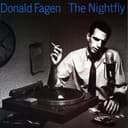 Donald FagenThe Nightfly
 Rush2112
 RushA Farewell to Kings
 RushCaress of Steel
 RushClockwork Angels
 RushFly By Night
 RushGrace Under Pressure
 RushHemispheres
 RushHold Your Fire
 RushMoving Pictures
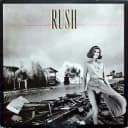 RushPermanent Waves
 RushPower Windows
 RushSignals
 RushVapor Trails
 Steely DanCan't Buy a Thrill
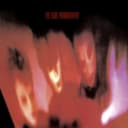 The CurePornography
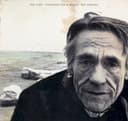 The CureStanding on a Beach: The Singles
Spotify Playlist
● Open SpotifyA bug in Safari prevents playing full songs, please use Chrome.
Transcript
View TranscriptDownload Transcript ⇩
Transcript
View TranscriptDownload Transcript ⇩ⓘ This transcript may contain errors. Please don’t quote it in your yearbook.
There's a podcast that's sure
All that rocks hard is gold
And they're climbing the stairway to 11
When they get there they know
The record stores are all closed
But online they can get what they came for
Ooh, oh, oh, and they're streaming the Stairway to 11.
Welcome to the second episode of the Stairway to 11 podcast. My name is George.
This is John.
And I'm TR.
Thanks to everyone that listened to the first episode and gave us comments and feedback. It was really great to hear.
We appreciate everybody that gave it a listen and hopefully we'll continue to provide something that you enjoy listening to. So this episode, we didn't intend it to be this way, but we have an 80s centric episode for you. All three albums were released in the 1980s. So early 80s for that matter. Indeed. 80 and 82, I believe are the two years where all three of these albums were released.
The First Album of the evening was my pick, and this was the band known as The Cure, and their fourth album, Pornography, released on May 4th, 1982. This album was fueled by drugs, infighting, and Robert Smith's depression. So see, good things can come from bad things. When I was in high school, I really didn't like The Cure. I was pretty much a metal guy, and
anything like not metal, particularly stuff like The Cure, was something that I railed against. And so it wasn't until after high school that I, a friend of mine actually, I was like trying to expand my horizons and I was like, hey, what are some things you think I should listen to? And he said, check out this album, Staring at the Sea, a compilation of early Cure songs. And I was immediately hooked. I was like, this is cool. I like the drum and the bass.
And I took it from there. The newer stuff, the more recent stuff like Fascination Street and Love Song and all the stuff that they were really popular for, it's all right, but I didn't like it as much as the early stuff. And when I discovered this album, this was the perfect blend of the early years of The Cure where there's a lot of drum and bass work that's really cool with the haunting vocals.
and where it wasn't quite as ethereal, even though it is very ethereal, but it's not as fluffy as latter era Cure to me. It's a little bit darker, a little more dangerous. So ultimately this is my favorite Cure album and I'm curious to see what you guys are going to say about it. So without further ado, let us go track by track through the Cure's pornography album.
The first track is called 100 Years, and it's got this drum machine staccato type sound and trippy guitars, this immediate ethereal feeling. As I mentioned before, the vocals are a bit stronger than the latter era style. Not stronger, but just more insistent. They're way more creepy than the early stuff, and this is one of my favorite tracks on the album. I thought it was a great track to start the album and set the tone.
There's these haunting ghostly melodies. Sounds to me kind of like a lost soul haunting the moors. Funny you should say that this sets the tone because that was exactly what I thought about this song. It's got this cool riff that starts off like the guitar riff is pretty cool. And then you couldn't set the tone more by starting with a lyric that says it doesn't matter if we all die. So that pretty much sets the tone right there. And it's not a happy album.
Yeah, exactly. And I think that's, and from my standpoint, okay, this is an album I never listened to. Okay, this is a band I obviously was familiar with and certainly knew certain songs by this band. But I don't think I ever heard this album. I don't recall really any of these songs. So it just wasn't anything I ever listened to. And I think I know why. I was too happy to listen to this.
When I was in school and like growing up and even now, I just, I'm just not depressed enough to listen to this. So it really isn't something that like, I get it. It definitely sets a mood and I can see if you were really like going through some dark stuff, you'd want to curl up with this, but it just, it's a little too dark for me. I mean, I get that, but at the same time, I find it chill. It's cool. It's meditated.
and relaxing.
It sets an atmosphere that it definitely gives you an atmosphere and a kind of a mood that is pretty much pervasive through the whole album. There's no there's very little on this like the whole album feels consistent throughout in terms of the mood and the style and the sound.
So it's not like you're going to get some kind of offbeat weird thing that comes in. It's, oh, this is the happy song on the album. It's all the same. Not the same in terms of it doesn't all sound the same, but it definitely has a theme that like really takes you through the whole album. Has doom and gloom. Yes. Country and Western. Doom and gloom. We've got both kinds. Yeah. All right.
So for what I remember this song, yeah, it's doom and gloom. I'll be giving away, I guess, all my notes as we go along, as opposed to something at the end, which is fine. What I like is that it's not the doom and gloom pre-emo sound that I feel like they contributed to, while they may not be, but they definitely contributed to that in their later era period stuff of the 80s that was MTV bound. I think this is a cornerstone of goth.
Yes. And yeah, it's doomy and gloomy, but it's not that doomy and gloomy and oh, poor, woe is me. I don't know if they necessarily sang those types of songs. I don't know them that well. However, I think they probably influenced a lot of those bands that followed afterwards. They're one of those bands that everybody followed. Like when Nirvana came out, everybody went grunge and a lot of bands that weren't original sounded like Nirvana.
I don't know.
Sisters of Mercy, another goth type band, when they came out to this day, there are still hundreds of bands a year probably putting out albums that sound just like the Sisters of Mercy.
And The Cure is another one of those bands where there are still bands putting out music that are in this same exact style as The Cure.
So they clearly made an impact.
I agree.
And TR said, I come from the same.
I was not into this band early on, and that's probably because when I first heard them, it was all of their kind of pop singles. And they weren't necessarily pop, but they were pop because they were getting radio play. So I would have never gone back to listen to this because I would have been like, eh, that's not happening, based on the later songs. So you mentioned them as an influence of goth, but the funny thing is that like Bauhaus and Peter Murphy and The Cure, they are obviously significant.
mainly influenced by David Bowie's late 70s material because there's a lot of post-punk in this too maybe not written like a punk song but you can hear it and I hear a lot of Bowie influence in there but it's them it's they're not mimicking him at all you could just hear the things that he was doing that they picked up on and use his influence for themselves and in the process as opposed to mimicking they created their own sound or they helped create a genre sound which would be goth at some point.
point.
Yeah, no, I definitely agree. There's got to be some Bowie influence in there.
It certainly is in the next song, but I don't want to jump to the next song just yet. I definitely hear it in the next song.
All right. That next song is called A Short-Term Effect. This song, I really like the drum and bass interplay, holding the foundation while the guitar sort of is in the background and like winds in and out. A lot of the stuff on here is very drum and bass oriented, which is what a lot of their earlier stuff was like, too. And then the vocals on this one,
kind of a hint of the more commercial style to come, but it's still a very cool song, I think. Yeah, I actually, I'm sorry, I actually like this one the most on the album, personally. Okay. And that guitar work you were talking about, I think of, it reminds me of Scary Monsters from Bowie. I love the album, Scary Monsters. There's just a similar kind of play to it that reminds me of it. I'm not saying it sounds like it. I get that kind of feeling when I hear it. Cool. Yeah, and George, so I didn't,
I don't really write a whole lot for this particular song but the point you just raised is one of my frustrations with this album. As a guitar fan I feel like the guitar got buried on this album and I think it's unfortunate because there are songs on this album where the guitar is doing some pretty cool stuff and it sounds like it's intentionally buried and I think I would have liked this more if that hadn't been the case. There are a couple songs on this album.
And I won't jump ahead, but where they actually do bring out some really cool guitar work and you hear it and it's like, oh, that's cool. And it's just on this one little part. And it's where was that for the whole song? Why didn't they have that for the whole thing? And so that was frustrating to me as someone who really likes guitar oriented music, like rock music. We need the TR remix. Yeah. And that was another thing. So one of the other, one of my other frustrations,
with this album in terms of the way that it was recorded is the drums. Like the drums have a very splashy sound on this album. And they just don't, I get it. It's part of the tone of the album. But I think that's another element of this album that I just don't care for is just the way the drums were recorded and kind of the splashy way that they sound.
I don't know how to it's very hard to describe but I was trying to identify and so that's another like I was talking to you guys earlier about one of the things that I am enjoying about this podcast is I'm as we look at these albums and some of which I'm sure I won't have listened to much like this album here I'm identifying the things the reasons why maybe I don't like something
or the reasons why I do like something. And when you actually have to quantify it, it's not as simple or as straightforward as you might think. And this album was one of those where initially I was trying to figure out, okay, why don't I like this? I don't want to say I don't like it, but overall, I don't think I would really reach for this album a lot. Honestly, it's not the style of music that I particularly care for.
But there are definitely cool elements to this album. Like I said, there are guitar parts that I really like about it. And there's like the mood and the atmosphere, the lyrics that are nebulous, right? The lyrics really don't mean anything, right? It's impressionist painting, right? It's like there are words and they set a tone. But in terms of what it really means,
I read the lyrics on these songs and yeah, you get a kind of an impression, but it doesn't really mean anything. And so I'm okay with that because look, I like early yes. And you listen to John Anderson and his vocals and they don't mean anything. It's word play and it's the way words sound and the impression that the words give that really paint the picture. And that's happening here, but it's just, I don't know, I guess it's too depressing for me.
I don't know.
What are words for if no one's listening anymore?
That's a great album.
Yeah, I've heard that a bunch of times this last week, and I'm like, oh, yeah, got that stuck in my head.
All right, let's move on to the next song.
This is The Hanging Garden.
This is the quote-unquote hit off of this album.
It's the one that...
It's not much of a hit.
I think a lot of pure people know this song.
That's not what I was going to say.
Oh.
It's not your traditional radio-friendly hit.
No.
I think it's a classic amongst pure fans. Yes. I don't know if it charted or anything like that. I'd have to look. But this is another one that I really like, which isn't surprising, because I've heard it just so many times. This is the one song off this album that I knew before coming to the album. Again, the bass and the drums, I think, are really cool. They provide an urgency to the song. The lyrics are kind of mysterious, and the vocals are almost commanding. When Robert does the faraway vocals,
in the chorus. It also makes it ominous. It's like half of the vocals in the chorus are like in the background. And in the hanging garden. Ooh, spooky. I don't know. Altogether, it makes for a really cool, unique kind of track, I think. Yeah, this was my favorite song on the album. Excellent. And I like the echoey vocals like you were talking about. I like that the drums were mostly the toms. I agree. That gave it a lot of urgency.
took away the splash for me so that I was good with that and to me this kind of sounded like an old U2 song yeah I can hear that I don't know it just as you too could have done this something on the first couple albums yeah exactly yeah like that time time frame it was it sounded very similar to that to me which I like I love that stuff and so yeah this is my favorite song on the album yeah I don't have many notes on individual songs but I would agree
I thought for a one, two, three punch to start an album, it's actually very good for someone who doesn't really know much about them. I liked all three songs and I don't have much to add to it other than I did research to see what songs off this kind of show up on compilation albums or what are fan favorites. And you really don't see these songs showing up. Maybe the Hanging Garden you'll see on stuff. And so that says a lot to me about the album.
be so highly rated and you don't see a lot of their songs showing up on those quote unquote casual fan compilations. It's more of an underground kind of album, I think. But for like real fans that aren't just casual radio listeners, this is probably something that is very treasured. Yeah. So I would describe this album and this goes out to all our extreme metal fans. This is their still life.
I agree.
I agree.
Because all the songs are good for what they are.
And I'm being that for both albums.
But there's not one song, maybe one song stands out name-wise.
But if you ask the casual fan or like the semi-casual fan, you know, I like the band.
I've got six or seven other albums.
They wouldn't reach for this one first because they're reaching for that one that they got hooked in on because of some popular song.
This album is, or what's the album I always quote to you, George?
And you're always like, but it's got two hit songs on it.
That sounds by the Beach Boys. Oh, oh, sorry. It has two big songs, but then the rest of it, hardcore fans know that. And that's why it's so beloved, as opposed to their other albums that have six or seven songs about surfing and are all popular and everybody knows them. Yeah. So I see all these albums are similar. They have one or two that stand out and then the rest are just strong foundational songs for the band's core. Cool. So next we have the track Siamese Twins. This one brings the tempo down a little bit.
after the frantic quality of Hanging Garden. It's definitely more morose and dreamy, introspective, atmospheric, and I guess introspective and atmospheric probably qualifies for most of the songs on this album. But this one definitely brings the mood and tempo down a bit. It's okay. It's not one of my favorites. I didn't really have any comments about this one. All right. Although I did read up on it a little and it was supposed to be like some, like lyrically, I guess it has to
do with lovers entwined or something like this.
That doesn't surprise me.
It's funny though because it's so depressing.
There's nothing uplifting or loving about it at all.
I think it's his terrible experiences with love or something.
Yeah.
Even in Hollywood movies and stuff, people break up with somebody and they'll make some comment about going back to their room and listening to The Cure.
Right.
Yeah.
It just fits that.
So the next track is called The Figurehead. A little more up-tempo, but still kind of dreamlike, hypnotic, floating, mournful spirit vibe. I'm channeling my inner Marcus on here, which is clearly the tone of the album. Swirling guitars and pounding drums. Robert remains sad and apparently dirty based on the repeated line, I will never be clean again. He says that over and over. I will never be clean again. So I don't know what The Figurehead title is.
I didn't look up the meanings I don't know if you did I yeah I look as I listen to this I looked at the lyrics which is different for me because honestly when I listen to music I don't listen to the lyrics and this is something that I discovered a little more about myself there are songs that I've heard thousands of times but I couldn't tell you the words because I don't listen to the words like I'm more focused on the music itself the melody yeah and my buddy Dave I was talking to him about this and he's
He's just like, oh, dude, I'm all about the words. I'm focused on the lyrics. And I'm like, wow, that's like kind of the opposite of what I do. I really typically don't listen to the lyrics. I listen to the overall sound of the song. And yeah, I hear the words and I get an impression of what the words are telling me. But overall, I'm not in it for the lyrics. I'm in it for the music. This album is because it's setting a tone and it's improving.
and the lyrics really don't mean a whole lot. They mean something in terms of they're setting the tone by saying, yeah, you know, it doesn't matter if we all die. You know, I'm never going to be clean again. You're getting these sounds and you're hearing these things. But you're if you listen to the lyrics and you actually read them, it's difficult to it's just impressions. It's just it's not really telling a story per se. Emoting without purpose. Exactly. That's one of the things I actually like about this album.
that the lyrics, they set a tone, but it's not important what they're actually saying. Because you get enough of an impression from a few of the words, but if you really don't know what he's talking about, the sound of the song will pretty much tell you what the song is about. I actually kind of like that element of this because you don't need to know what he's saying to get an impression of what the song is about or what you're supposed to feel or what the tone of the song is.
it is.
And so in that regard, I really like what they're doing.
It's funny because when you talk about not really being into the lyrics and your friend was like, I'm all about the lyrics, I'm kind of both.
And it depends on what I'm listening to.
If I'm listening to death metal, could not care what the lyrics are about.
I can't tell you what they're saying.
Yeah, I could look up the lyrics, but most of the time it's something dumb.
I don't care.
It's more about the impact and the aggressive nature of the music. But then when it comes to rock music, I tend to be more of a lyric person. I mean, sure, there's plenty of rock songs that I love that I don't care what the lyrics say. But you'll find that my favorite songs are the ones that I have a lyrical connection to. Yeah. Yeah, I'm a toss-up on this because when it comes to 70s and 80s music,
and it comes to lyrics. I generally don't like them because they're usually about phallic symbols. And I find that to be just the reason I say that is because today Love Gun from Kiss came on. I was going to say Kiss. And the radio in the car. No, I was going to originally go with Whitesnake, but I went with Kiss. And Paul Stanley yells out, that's not a pistol. That's my Love Gun right before the song starts because it was a live version. And I thought, you made millions.
I have millions of dollars talking about little Paul.
And it just, so when it comes to lyrics, I have a little bit of both of you guys.
Yeah.
Generally, I don't pay attention to lyrics because I played an instrument and I didn't sing.
So my focus was on my instrument and being part of the back line of a band.
But I wonder, TR, is your friend a musician at all that likes lyrics?
No.
So that's the thing.
You know, he's like, I can't read music.
I don't play music.
And so that's why I think he gravitates to the words. I think so. Like as a musician myself like my focus is more like what's going on musically here and that's what kind of reaches me more. That's a very that's that whole concept of yeah there are people out there who are very focused on the words and they want to sing along or they're very the message of the song is more important to them than the music of the song.
And which is, I don't know, to me is like, I listen to a lot of instrumental music. I love instrumental music. And a lot of people that I know that are like, that listen to regular music with vocals can't understand like why I would want to listen to something without a singer. Different strokes for different folks, right? Everybody's got their way of kind of processing music and the way that they like to take that in or what reaches them.
And so it's interesting to me because that's not something that I typically do in terms of like really paying attention to the lyrics. But you have no soul. I guess. But there are people out there that's very important to. And I get that. They're called power metal fans. Yeah. Yep. Just like that. It just ends. Right. Yeah. That's. Yeah. Yeah. Pretty much. He summed it up. What do you want to say?
Yeah, the music all sounds the same, and they just sing about riding waves of glory to Valhalla. On the backs of dragons. Yeah, exactly, yeah. That they slayed in the next song. Yeah. Bad dragon, bad. Next, we have the song A Strange Day. This one starts off a bit more synth-heavy than the other tracks. It works well with the minimalist drums. I'm looking for another synonym for somber. The date.
These songs are pretty depressing. But at the same time, I feel like this album provides a nice relaxing catharsis, as I alluded to earlier. Yes, it's depressing, but depressing things can be cathartic because you can relate to them, you can get through things, or just because the tone of the music is also soothing. It's funny you guys keep mentioning it being depressing music because I don't necessarily think of it as depressing.
And I think back to, I don't know where it was. I don't know what tour it was. I don't remember if I was sober or if I was hammered, which I'm generally not hammered at shows. But on a few of those tours, when I was following Porcupine Tree, there were a few nights that were towards the end of the night. It was a little wobbly. Wobbly is a great word because I was still coherent. I never passed out of the show. Unlike some people we know.
I wasn't implying that. Hey, I fully admit I passed out in a park next to the Opeth tour bus one night in San Francisco. Yeah, I know that story. So I can fully, I'm not at all saying that. But I remember during the song Stop Swimming from Porcupine Tree, Stephen Wilson sang, this is quite a depressing song, but I find sometimes you find more beauty in depressing songs than you would in a beautiful song. Some did that effect. I'm paraphrasing. Yes, no, you got it. And I get a lot of that from this album. Yeah, it sounds depressing.
But in my opinion, I'm not saying anything about how you guys feel about it. You almost choose to make it more depressing than it needs to be. Not you guys, I'm saying. That's true. It's true. It's our fault. Okay, so you read the lyrics, so you know more. This is actually one where I don't really know the lyrics to most of these songs. But lyrics are also subjective, too, on top of that. Yeah, so this is stuff that I listen to, and it just washes away.
I don't listen to the I don't follow the lyrics on this album and so
when I say it's suppressing I mean more somber it's oh and I'd say you guys yeah I think you may have
taken that literally damn it man I'm referring to the legions of people yeah and I say this because we all grew up
during the curious absolute explosion heyday and a lot of kids that listen to them that were younger than us that were getting into them
were wearing all black like robert smith they were painting their faces white like robert smith teasing their hair like him boys and girls and i thought i just always felt like they chose to be that morose the edward scissorhands look that miserable exactly that's painted a picture not and like you said earlier this album was all the excesses of rock and all the negatives that came with it with the issues that bam was having i think sometimes when you're younger you don't see
that or realize that.
And so they take this as, well, this is what it should be.
And it's, I should be miserable.
You can be, if you want to, I listen to death metal and I'm not going to go out and kill like 47 people with a machete.
It's dramatic, right?
Like it's a, it's melodramatic almost.
It is.
And it is.
People can feed off of that, right?
When you're a teenager, you're looking for how to, who you are and how to express yourself.
And you latch onto something like that.
And, you know, I'm guilty of that as much as anybody else.
But you brought up a really good point, George, when you said that you feel that while the music is depressing, it's cathartic to some degree. And I listen to a lot of dark ambient music. And people are like, oh, it's so depressing. It sounds so evil. But I get a lot of clarity listening because I hyper focus on a certain part of it that kind of takes me in a different place. I'm not like floating in the air and singing kumbaya.
or anything like that.
No, Dark Ambient is super cathartic.
Yeah, or I get a clarity that I don't normally get listening to other music.
And I could see that a little bit here if you let those kind of sorrowful, depressing,
as we've used that word a thousand times without using another word, if you let that kind of wash over you and wash off of you,
I think you can go to kind of an interesting place with it without being so depressed.
So that's, again, I'm not saying anything about you guys.
That's how I view the music.
I actually found a lot to like about the music. I didn't read the lyrics because, quite frankly, I already knew what they were going to be about. I've read enough of other stuff to know. I want to put one other thing. I don't want to forget this since I don't have as detailed notes by song like you guys. George, you mentioned synths on this song, and TR, you mentioned the lack of guitar. I actually found this album more guitar-driven for them compared to their later albums that became very kind of synth-y, electronic, not electronic in the sense of,
Yes, thank you. The kind of synthy, like belly sound that they used on a lot of their hit songs, I agree. I would like to have heard the guitar better in the mix, yes, and more up front, but I always felt it was more guitar driven with minimal synth work on the album. They didn't realize so much on the synth at this point, like a lot of bands were going to do coming up in a year or two from now where the synth dominated the sound and the guitars were there, but they were like, hey, you might as well just be the bass player in the band.
the way they were treated. I just want to make sure I got that in real quick because you mentioned synths on this song, A Strange Day. I'm going to mention it on this next one too. Before you do, one of the things that I wanted to say is even though you mentioned the synths on this song, the thing that jumped out at me was the guitar at the end. I wish that the guitar at the end of this song went through the whole song. That was the thing that I came away with thinking, man, he goes off at the end on the guitar.
And it's, man, where was this for the whole song? This would have really been awesome if he had just played the whole song through like this. You know, it's funny. I feel like I was thinking about you when I heard this part. And I was like, I bet T.R. will like this part. Yeah, I did. And I really felt like I wish that it had gone through the whole song. I wonder if there are any Cure fans out there, serious fans, and you actually pay attention to us and our social media.
I would be curious to know if there is a reason why the guitar was used not sparingly but selectively for highlighting different parts because part of the whole punk scene prior to them was very anti-excess of the 70s was anti-prog and it was anti-hard rock because of all the excesses of yes releasing an album with four 20-minute songs or led Zeppelin playing a 26-minute song live in concert that's only six
on the album. So they really hyper-focused on short, quick, fast,
and no guitar solos. Everything was gone. So for these post-punk bands,
which they are a post-punk band, that's where they started, I wonder if some of that
mentality was still there. But they realized, hey, using guitar here is going to add an extra layer of texture to this song
that we normally wouldn't have. Because a lot of these bands don't solo that much. There's no
spotlight solos on guitar. So it just makes me wonder is there's still that mentality with some of these bands like Duran Duran's another band. They had a pretty good guitar player, but he really didn't do much. Their soloing on that band was more on the bass side than it was on guitar. Yeah. And the other part of this album is like most of the songs when the lyrics are happening, the guitar is out. It's bass and drums and the guitar is not there. And so there's like most,
Straight Ahead Rock stuff, there's a riff going on. There's a guitar riff happening, and then somebody's singing over that riff. Maybe Robert's like me and he can't sing and play at the same time. Well, I don't know, but I can tell you that in most of the cases on the songs on this album, the guitar drops out when he's singing, and it's all bass and drums, and the bass and the drums set the riff, if you will, and then the guitar adds some, like you said, John, it's like a texture, and they add
it as they feel necessary. Other than, of course, that riff in 100 years where, you know, that's like the riff of the song is like that guitar sound. But a lot of this, it's just it's bass and drums and the lyric. And then there might be some guitar stuff on the side. Yeah. Bass and drums with a side of guitar. Make mine a double. All right. So this next song, the penultimate song is called
And I'm not sure what the synth is on the opening of the track. I was thinking maybe like synth cello. No, it is an actual cello. It is an actual cello. Yes. Wow. You can't get more dirgy than this. Yeah. It's pretty dark. Violin and cello would maybe take it to the next level. Maybe so. This song made me think of it being like a precursor to Nine Inch Nails. Like weird Trent Reznor kind of stuff. And then of course,
of the cures special brand of happiness, as we'll call it. Oh, and Robert Smith actually plays that cello. Did he really? I'm reading the liner notes online. Oh, wow. I was like, oh, that's got to be a synth. But guess not. I stand corrected. He does play, he says it, they say he played keyboards here, but we all know that those are synths. Come on now. Yeah. That's pretty cool, though. Yeah. All right. So the last track of the album,
is the title cut, Pornography. And this is the one song on here I don't really care for very much. Didn't need it. Yeah, it's just like a lot of sample dialogue going on for the first few minutes of the song. At least I assume it's sampled. It sounds like stuff from like movies or TV or something, but I suppose it could have been done in the studio and just made to sound that way. They were samples. They were samples of BBC and other shows and some of it's backward tracked and whatnot. Yeah.
So it's a few minutes before Robert even starts singing, but overall the song is just disjointed and it's, I tend to just turn the album off when I get to this point. So it's killjoy a little bit on the album. I think it, you know, for someone who doesn't know them that well on a list, I'm like, okay, this is actually pretty cool. Um, then I got to that and I was like, I'd rather have this at the, I know this is a debate on the metal hits podcast, but you want these songs at the, in the middle or the end of an album. And sometimes I'd rather have it in the middle to give a break.
and the album to divide it. A bathroom break. Yeah. In this case, I would prefer neither. So that's just me. To me. So, yeah, my notes on this say trippy, dissonant, and the samples make it feel like a nightmare sequence. So, I mean, it's like a bad acid trip. Yeah, pretty much. That's the vibe I got from this. Yeah, it's just really, I don't know.
It sounds experimental to me
Yeah
Which I find interesting
That they
They made this track
The title track of the album
Basically
And they left it for the end
And it's just
I don't know
It's surprising to me
Because
It's clap
I just
I don't understand
Like this is the title track
Of your album
And it's the most
Kind of
Weird song on the album
And that's saying a lot
because these other songs are pretty weird too. Maybe it was meant to represent the period and what they were going through. Yeah, it's probably. It was very difficult, I think, based on some of the things I read about it. And I think one of the members left the band after this. And yeah, it's just, it's an odd song. And it's a long song, as I recall. Six and a half minutes, yeah. Yeah, one of the longer songs on the album. And it just, I don't know, it's just creepy.
and weird and just strange and it doesn't really resolve.
Yeah.
There's no payoff.
You want an album to, yeah, exactly.
You want an album to resolve a little and this doesn't really do it.
But maybe it's supposed to leave you uncomfortable when you're done.
That's, yeah, that's what it did.
And it's, yeah, mission accomplished.
All right.
So in summary for me, I think the album, it works as good background music, but it
also works under scrutiny and provides a thoughtful, introspective listen for those who choose
to dig into it. I don't know any other album quite like this one.
And it captivates me every time I listen to it.
I used to play a game on PlayStation called No Man's Sky.
If you've ever heard of it, I don't know.
And I would always play this while I was playing that game because it's a,
it's like a space exploration game and you spend a lot of time flying around and walking around on planet's looking for things.
And this was just like the best soundtrack to play that game.
And so I would just listen to this album on repeat while playing this game.
And so that's my take. Yeah, I would say for me, this is my first real full album listen for a Cure album. And definitely dark, definitely bleak, definitely twisted. The vocals, like I have a problem with Robert Smith's vocals, I have to say, because they're not really, they're not really, he's not really singing. It's to me, and I know this is
going to probably offend a lot of Cure fans. But this podcast is about us giving our unvarnished opinions about the music we're listening to. And for me, it sounds like he's whining. Yeah. All the time. And it's all like a lament. Everything is a lament. And so anyway, one of the things that I tried to identify about this,
was like, okay, he's not really a singer, right? Like he's a vocalist. He's not singing. He's more of a vocalist. So I'm like, okay, maybe I have a problem with just like vocalists. And then I thought about David Lee Roth. I thought he's not a singer. He's a vocalist, but I love him. And, and I, it's more perky. That's true. And it's a whole different kind of vocal delivery, which may be part of the reason. But so I was just trying to,
Okay, what is it about the vocals that I don't care for? I'm not sure I can identify it exactly, but I think the fact that he does sound like he's whining and it does sound like a lament on everything that he's doing, I guess it just doesn't appeal to me. I hate to say it, I'm just not a big fan, but I really appreciate that I got to listen to this and experience this album because
Again, it's not something I probably would have done if I had not been part of this podcast. So I really appreciate the expansion of my knowledge of bands that I have never listened to. So for me, this was on the last episode, one of the things that I did was I wanted to talk about the things that I like about these albums. And so I want to tell you the things that I do like about this album. Now, one of them is that to me, the whole is greater than the sum of the
parts on this album. Taken individually, the different elements of this album are not really that impressive. But when it all comes together, it delivers a lot more than what you would think on paper. It just, it gives you, it sets a mood, it's impressionistic, and the lyrics fit the song, but it's not really clear what they really mean. So those are the things that... It's up to the listener to decide what they mean.
Exactly. You can interpret it the way you wish. And that's cool because it gives you a little bit of flexibility in terms of how you interpret this album. But overall, I prefer to beat people over the head with my lyrics. I pretty much that those are the things that I like about this album. So I am also not a Cure fan, but I would listen to other Cure albums if they were like this one, because there's nothing that stands out in terms of radio play. And the reason I keep bringing that up is because of when this came out,
It came out in the 80s. And in the 80s, especially the early, the start of the decade to the middle of the 80s, radio was still king before MTV took over. So if this wasn't on FM radio that I was listening to, which at that time would have been KRQR, KSFX, KML, KSGO, Vidan and San Jose, or KOME. Hey, don't touch that dial. It's got KOME. Come on it. I'm not kidding. That was the actual ad radio bumper for it.
98.5 in San Jose, California.
If it wasn't any one of those hard rock stations, I would have never listened to this.
But going back and listening to it now, I would listen to more stuff like this because I'm not hearing Boys Don't Cry or Love Song or Friday I'm in Love.
Because that's all I heard from these guys 24-7 whenever I heard anything.
And it soured my view on this band.
I dig the kind of darker, I wouldn't say it's ethereal.
It's kind of skirting towards that a little bit
But somber I think is a great way to describe it
Maybe the production is not the best in the world
Which I'm a little surprised for them
I didn't think it was that bad
But it's not bad
I think it's more the mix and not the production
I think sometimes
Yeah
We get that confused including myself
And we meaning just music fans in general
I dig the kind of goth
It's not gothic
It's more goth
There is somewhat of a difference
because gothic seems to fall more on the metal side and i know it sounds silly to people but
this is what we do we keep subgenarizing everything i do dig some of the post-punky vibes but
they're very minimal in the sound and it is it does have a cold wave feel to it whereas the
later stuff gets a little more not happy but the lyrical or the music rhythms get a little more upbeat
yeah no i actually dig this album a little bit like tear i don't know how much i would reach for it
If we were hanging out, drinking a beverage or two, and this was on, I would be into it. It wouldn't bother me. And I would seek out more if I had more time to listen to music like this. But I have zero time to listen to music because my cue is just bursting at the seams right now of stuff I have to listen to. Why ever do you mean that? I've got about 87 reasons why that is.
The recent vinyl I'd just gotten, and I had no idea they were all coming in the same week. Jen's looking at me like, really? And I'm like, I didn't plan this. I'm so far behind. Anyway, I don't want to belabor this anymore. I think it's a good choice, and it's a good choice to do this early on because it is different, but it is worthy of a lesson without question. Excellent. Glad to hear that. Yeah, thanks, George. It fared better with you guys than I thought it might, so I appreciate the open mind.
I think probably I don't know if this is accurate or not we'll find out as we do the podcast I probably am a lot more sympathetic to some of these bands maybe than TR might be but we haven't really talked about that so I don't know yet sympathetic jerk not at all I mean there's some of these bands I did not like at all yeah back then that I'm a really big fan of now like a lot actually yeah and that's what I'm also looking forward to that I have to say that I was pretty closed-minded at the
and I think I blocked out a lot of stuff that probably I jumped the gun on some of that stuff. And I'm slightly regretful about that. But I see this as an opportunity to give those bands a chance and to listen to some stuff that I never really got into, but might have some merit in terms of musicality or whatever it might be. I'm sure that there will be things that I will discover that maybe I might have been a little hasty.
on some of this stuff. I'm sure we all will. Yeah. At least I know I will. Oh, you will. Now we will move on to the second album of the evening, which shall be introduced by TR. Yes, George, you said that this podcast would also include things that were rock adjacent. Yes. And so for my first selection, I chose Donald Fagan's album, The Nightfly,
in October of 1982.
And this was his first solo album.
And it came a couple years after Steely Dan had broken up.
And Donald Fagan, as you know, was one half of Steely Dan with Walter Becker.
And the band had broken up.
He had split from Walter Becker and decided to do a solo album.
However, he employed Gary Katz to produce the album, who had produced all the Steely Dan albums up to that point. And he also used many of the same session musicians that he had used on the Steely Dan albums to include musicians like Jeff Peccaro on drums and Larry Carlton on the guitar.
This album was an album that was autobiographical for Donald Fagan. The whole album gives basically is a look back at his youth. And so there are a lot of songs on this album that kind of look back at the late 50s, early 60s, and that time frame. And the songs on this album really paint a picture from that time.
And it's optimistic. There are a lot of things about that time frame that he captures very well on this album, throughout the album. And so the album, and just to back up, so Fagan was 34 years old at the time of this release. Looking back, he was born in 48. He's looking back at the time when he was between the ages of 10.
and probably 15. And growing up in New Jersey and listening to the radio at night and the impressions that he was getting. And this is a for those of you that have listened to Steely Dan or maybe even Donald Fagan's solo albums, you'll discover that there's a very heavy jazz influence on the music. And so when he was growing up, that was something that he really got attracted to.
And so he was listening to jazz at that early age. And listening to late night DJs and all of that kind of permeates this album. And though he in the album itself, it says the songs on this album represent certain fantasies that might have been entertained by a young man growing up in the remote suburbs of a northeastern city during the late 50s and early 60s, i.e. one of my general height, weight and build.
So while it's basically saying, yes, this is an autobiographical thing, it's also fantasies of a person from that period of that age. And so the album kicks off with IGY, International Geophysical Year, which in 1958 was a collaborative effort with scientists across the world where they were working together on a lot of things.
of physical science activities. And so it was a very collaborative effort. And the song itself is really, while that collaborative effort and the international geophysical year was something that took place in 1958, this song is really more about what was going on at that period and the optimism and the new, like the future that was here, right? Like the whole kind of Jetson's concept of, hey, we're going to have all this cool stuff in the future.
And the part that I really appreciate about this song is the fact that he wrote this in 1982 about a song, like about a time in 1958, looking forward to the 1970s, where the future was going to be amazing. And he knows how it really turned out. But yet he's able to capture that optimism and that feeling of, hey, everything is going to be amazing.
is at our fingertips and we're going to have all this technology. It's going to make things easy for us. Things are going to be great in the future. It's going to be beautiful. It's going to be amazing. And we're going to have all this, the ability to go from New York to Paris in 90 minutes and all these kind of cool things. And he knows how it really turned out, right? Like he knows in 1982, yeah, we still couldn't do all that. But yet he's able to write it from the perspective of somebody in 1958.
thinking about how cool is this? We are really going to, this is going to be amazing. When we get to 1976, it's going to be incredible. And this is one of the more popular songs on the album, I think. And I really like this song. And I think it sets the tone of the album. It's very optimistic and it's very upbeat. And when you think about going from the cure to this, I think it's funny, but, but I don't think it could get too, like it couldn't be more polar opposite, but.
Do you guys have any comments on the first song or the album overall? Up until this point in my life, I never intentionally listened to music like this, but I'm going to do my best to be fair. In retrospect, technically there is no single element of this album that should be offensive to me. It will ebb and flow as we go. While listening to this... That is so diplomatic that it's... I'm just going to slap you in the face and then
you off and fix you up. Nothing here should be offensive to me. And then the unspoken but is. No. There's good and there's bad. Ultimately, I was okay with this. But while listening to the first song, I said, I think perhaps this music sounds dated to me. Which most music sounds dated to whatever period it came from. And I was like, if I had heard this when it was first released, I might have understood that.
and been like, it's 1982. Yay, this is cool. I get this. And I might feel nostalgic for it now. And I relate that to hearing a new thrash band that comes out in 2023 sounding like an 80s thrash band. And it sounds dated. And it doesn't appeal to me because I know that came out now. But even if there was occasionally I'll come across an 80s thrash, early proto thrash album that I hadn't heard.
that I probably would have loved in 1982.
But I hear it now and I'm just like, meh.
Because it's like I've moved on from that sound.
And I feel if I had listened to this in 1982 or shortly thereafter, I would probably feel better about it.
Or more attached to it.
More attached to it.
As it is, I hear these songs and I'm thinking the love boat.
You gotta remember too, one of the things about this album is he's drawing from influences of music from the 50s and early 60s. So yes, it's going to sound dated because he's drawing from his influences and that early period of time. So while he's playing synthesizers and while you're hearing modern sounds, what he's drawing from and the types of music that he's drawing from
is from that period.
Yeah, but this has a much more...
Actually, I would have thought that if I didn't know better,
I would have said this was a 70s album,
at least late 70s album,
because it's a little more funky,
got a little more bass.
I like jazz music.
Just give me straight up jazz music,
like Miles Davis or something.
I'm absolutely chill with that.
And I think I talk about this a little more later,
so I'll leave that alone.
But as for this first song,
I thought it was catchy.
He had a nice beat to it, got my head bobbing, so I was like, all right, let's see what you got. So I actually do like some Steely Dan, especially their first album, Can't Buy a Thrill. It's probably my favorite. It's got their more popular song, or more famous songs, but I actually like Dirty Work is my favorite song by them, so I do like some of his more, the slower stuff that he's written. So I kind of went into this knowing I was going to get some of that, but maybe not that sound.
So this first song, I'm not as big on as you guys. It's okay. But there's a problem I have with the chorus, unfortunately. Because to me, this has, even though he's, all the things you mentioned here are the influences of the 50s, maybe early 60s, and he's writing it in the 80s. And George, you mentioned he sounds dated. I hear something that I can't get out of my head. And I'm going to be hated by every Steely Dan and every Fagan fan in the world.
I'll still love you.
But when I hear that chorus, and I hear those backup singers, I'm thinking one name only.
And that's Michael McDonald.
And I cannot get it out of my head on this particular song.
Because the whole song sounds like Donald Fagan.
And then the chorus comes in, and it's like, to me, it sounds like a departure.
And that's fine.
I don't have a problem with that.
You can't do the same thing over every single album, or the same thing you were doing in your
first band, your main band. But I couldn't get that style of chorus writing out of my head. It's so, it dragged the song down a little bit. The song's fine. I don't have a problem with the song, but when I got to the chorus, just like, they're going to hate me or TR is going to hate me for this. No, dude, it's fine. But it's funny, like you mentioned Michael McDonald, because actually now that you say that, like I can totally picture him singing that part. And I never thought about that until now.
So it's interesting because obviously
he was in Steely Dan
sang songs with them
and so
yeah I could definitely wonder that
yeah
is he a slight influence a little bit
I don't know if Donald Fagan would ever admit that
I don't know how
what their relationship is with those guys now
but
it just has a little bit of that feel
interesting
Michael McDonald was in Steely Dan
oh yeah
that's another reason I don't like that band
come on
a McDonald's fan, but I'm like, so is Jen, whether you like Michael McDonald or not. And I, there's a lot that I don't like because I do like the Doobie brothers. Here's no doubt that he is a prolific writer and he knows how to write a catchy song for a lot of different genres of music. He can, he just can. I agree with you, John. It's true. And if I hear it, yo, yo, mom, one more time, I'm going to, I'm going to, I'm going to, I'm going to, I'm going to
I'm going to just kill myself. If anyone knows what I'm referring to there. I know who Yo-Yo Lara is. 40-year-old virgin. Does anyone not remember that scene? Crickets. Oh, man. Oh, my God. Really? You guys don't know that? I haven't seen that movie in 20 years. Yeah. If I got to hear this one more time, I'm going to kill myself. I'm going to kill myself. That was like the video that they had on the TVs that were playing in the place where he was working. Every single day. At some point, he's drunk and his butt comes out. Come on. Yeah. It's classic.
Anyway. All right. So the next song is Greenflower Street, a funky tune. And again, Larry Carlton's guitar playing throughout this album is outstanding. The Larry Carlton. Yes. I did not know that. Yeah. And I'll tell you, all the tasteful guitar music. Rick Derringer plays on this too. Really? Yeah. The album's loaded with musicians. There's no hoochie-coo on this. Yeah. A little bit. Maybe behind the scenes. But yeah. So,
Anyway, cool tune, kind of jazzy, funky, almost also bluesy because it's like you say a lyric, you repeat the lyric. So yeah, I don't have a whole lot of comments about this. I like this song as well, but I like all the songs on this album. This one is the one song on the album that did remind me of Steely Dan more. And maybe it's just because of some of the playing on it, former Steely Dan musicians. It just reminded me a little more of that song structure. Song's fine.
I don't really have a problem with any of the songs on the album.
To be honest with you.
Yeah.
I have a problem with this one.
I'm just kidding.
But I would say that this is probably my least favorite on the album.
It's all okay.
It's tolerable.
It's like, yeah, I get it.
And I'll get to that later.
But this one, as you mentioned, starts off a bit more funky.
And funk is one of the things that I've never really been able to get into.
Funk just doesn't do anything for me.
This song makes me think I need a pimp suit and some platform shoes. The 70s called. I got it right. The 70s called. It wants its funk back. But I was still bobbing my head. Okay. Well, that's fair. The next song is Ruby Baby. And the funny thing about this song is it's actually a Lieber and Stoller song. So this is a cover. And I didn't know this was a cover.
I actually heard the original song on the radio one time and I thought wait a minute I know this song and this is not what I was thinking this song was and so this was originally written and released by Lieber and Stoller wrote it it was released by the Drifters in the late 50s and then Dion put it out in early 60s so obviously again keeping with the theme of the late 50s early 60s
He did his own kind of remake of this song with a lot of jazzy, super jazzy vocals on this, which I really, I love the vocals throughout this album. Like the jazzy harmonies and the, just the, the dense harmony vocals with the jazzy dissonance that takes place where it's just, I don't know.
I really like that sound. This album sounded just more sophisticated than the things I was listening to at the time. And so I felt, ooh, this is different. And this is something I should aspire to somehow. Sorry, I agree with the sophisticated, that's for sure. Yeah. So for this song, I'm glad you told me that I did not realize this was a cover because my one note about this song,
I tend to have this knack. I don't know why, because I have people tell me all the time I didn't hear that. I'm not saying I hear music better than anybody. I just hear different things. And the intro, which is that drum bass piano bit at the very beginning, it's really funny what I thought of. It made me think of Rosanna by Toto a little bit, just that little bit of 10 seconds at the beginning. And it's funny that it's a cover because that would be, is that Toto mimicking some of the early
early stuff from before. So Jeff Porcaro plays drums on this. He founded Toto. Him and his brothers, yeah. And I'm a huge, not so much solo work, but I like all Steve Luthaker's work with Derek Sherinian. It just reminded me of that, and I dug that about the song. I was like, wow, they're not doing it all. Certain notes and certain playing sometimes just conjures up different things that you hear. I thought that was a neat little thing that I picked up on that, obviously,
is not what he was doing. I get that. No, but that's interesting because I didn't think of that. Yeah. That didn't occur to me. Yeah, no, but now that you mention that, it's, oh, yeah. So apparently Michael McDonald and Toto looked this album. They should have been involved more. Yeah. So then the next, did you have any comments? I do. I've got comments for everything. All right. So I like this one better than the last one. It's less funky. I thought the piano was really cool.
I liked the middle instrumental part. I thought that was cool. And I definitely prefer this bluesy, jazzy sound to the funk. Definitely. Yeah. Yeah. That's it. Okay. Good. All right. So the next song is Maxine. And this is a young man's, again, another fantasy about a high school love and his vision of where it's going to go. But you get the impression,
The end of each of the lyrics is try to hang on, Maxine. So it basically gives you the impression like she's pulling away or maybe she's thinking like, okay, this might be over or I'm out of here. But yet he's got all these romantic visions of what it's going to be like together and what they're going to do in the future. And so one of the things that I found interesting about this album,
Being a fan of Steely Dan and thinking about the kind of music they wrote, it was rarely romantic. There's not a lot of romantic music in Steely Dan, but Donald Fagan comes up with some of the songs on this album that are semi-romantic, and this song, I think, is romantic, even though ultimately it's not clear that Maxine has the same interest. He's got some, I think, very romantic views of where they're going to go and what they're going to do together.
and he's just begging her to try to hang on. So I like this song a lot. I like the saxophone in this song. And I don't know. It's one of my favorites on the album. Probably not my favorite, but one of my favorites on this album. I agree with that. I think this is my favorite song on the album. And I just got to say, I feel like this song was used as the inspiration for Faith No More's Edge of the World. It's like total piano jazz.
Jazz Lounge Music. Other than the fact that the Faith No More version is way sketchier. But it's the same kind of like... I'm in this piano bar in the middle of the night. How you doing, baby? Yeah. Yeah. I don't honestly remember much about this song. And that's not... It just... It didn't... For me, it didn't stand out as much. And it might have something to do with the songs that followed. And maybe I gravitated a certain way. I got your back, TR.
at all. I don't, there's nothing about it that I dislike. I just, it didn't stand out to me as much. Sure. No, that's okay. The next song is called new frontier. And this is one of my favorites on the album as well. It's another late fifties, early sixties piece, because basically he's talking about having a party in a fallout shelter. And which if you think about the late fifties, early sixties, I'm sure.
and you're young, right? The specter of nuclear war is, as an adult, it would probably be pretty frightening. But as a teenager, it's like, hey, this is a cool place to have a party and we're going to have all this beer in here and we're going to have music in here and it's going to be cool. So the perspective that he's putting onto this song, I think, is pretty funny. And the fact that this is the only song I think I've ever heard that uses the word wingding.
in it, I think is pretty cool. But yeah, so the whole thing is about, hey, we're going to have this party in my dad's fallout shelter. And there's this pretty girl there and I'm interested in her and she likes Brubeck and this is really cool. And yeah, we're, this is, I'm having a good time. And so I think it's funny that again, the optimism and the looking at it through the lens of a teenager in that time,
takes precedence over all the horrible things that were going on at that time in terms of nuclear war, the brinksmanship that was taking place and all the stuff that was going on in Cuba and just everything that was happening then. And he turns it into, hey, we're going to have a party in this fallout shelter and surviving on the new frontier. Like when we emerge from this fallout shelter with our beer and our music, that's what we're going to be prepared for.
for the future somehow. And so I like the message because I think it's funny and it's just a cool tune. I feel like I wish I had heard all of your descriptions of these things before I'd listened to the album. I think it would have had an impact on the way I, you know, took it in. So when I listened to this one at the beginning, it gives me this like Billy Joel, my life vibe. It's like, do you hear that?
You know what I'm talking about? Now that you mention it, I suppose maybe, but gosh. It's adjacent. Maybe it was the tone of the piano. I don't know, but it just, it sounded like that. And it reminded me of it. I had to, I actually was like derailed for a while because I had to go and figure out what Billy Joel song that was. It only took about 10 minutes, but so I thought that was cool. Billy Joel leaves the building when he starts singing, however, completely different. Not that that's not a detraction or anything. It just went a different way. And I wanted to mention that it was at this point in the album,
that I realized that the guitar solos on this album are really cool.
Because the one on this song was really cool.
And I was like, you know, I do like the little like guitar embellishments that like float up to the top every now and again.
And so that is something that I like about this album.
So I actually did know this song.
I just didn't know the title.
But I have heard this song a gazillion times without even realizing it.
And this is by far, it's not even close, my favorite song on the album.
And for it's for a number of reasons. TR, you brought up the whole idea of the nuclear age. Yes, this is like the soundtrack to the atomic age. I picture the families all getting together for dinner and enjoying themselves and driving around in their atomic age world of new technology. But still, the old world is still there a little bit. The clothes are slightly changing. Everyone's smiling. But on the other side of the video, we're in Nevada.
and we're doing another test site and we're blowing up another nuclear bomb or there's ships gathering in the ocean off the coast of the country it's so bizarre how this song for me represents the soundtrack to the atomic age and i absolutely love this song but there's another reason why i love this song and this is for all the wrong reasons but at this time in the 80s we did not necessarily have cable in college like all kids do probably today we had regular stations and
At a certain point, the regular station stopped programming and it was all infomercials. And I just remember the infomercial for Ambervision Sunglasses. And the song they used during the Ambervision Sunglasses reminds me of this song. And it has haunted me since the 80s, this sound. And there's a certain kind of... And this song is a little...
It's poppy, it's jazzy. There's a little bit of fusion in this song too. Slightly. And he was never a big fusion guy, but there were times in Steely Dan's career, they had a little fusion going on. They jammed a little bit. And this is all that wrapped up into one neat package. And this Amber Vision Sunglasses theme song. And I found the video on YouTube. I played it like a hundred times since I found it. I found it before we started reviewing this album. There's something about it that conjured up.
I remember those days in college or in high school when everyone's asleep and I'm still up because I can't sleep because I'm just filled with all kinds of crazy energy and it's like two in the morning and it's just before the American Fly comes up and the national anthem and the static and there's all these infomercials and so when I heard this song I was like the sunglasses and I do know this song and it made me happy to hear that because I actually do like this song I think it's a well-written song I think to me this is
the song that stands out for me. I know IGY stands out for most people who like Fagin. This is the one on the album that stands out for me. And you like those sunglasses? That's because they're going to protect my eyes from UV rays. Okay. All right. The next song is The Nightfly, which is the title track from the album. And this song, he's basically taking the persona of a nighttime DJ playing jazz, getting weird calls from
in the middle of the night about people in the trees. And he's also relaying a lost love and a time in his life when he had love, but it's gone. And so he wishes he had a heart like ice. There's this cool, jazzy dude that's out there for the night shift. And he's playing this music and he's thinking about this lost love.
And anyway, I liked the vibe of this song. I always felt it was like really cool. And again, here's Fagan kind of processing those late night listens to DJs when he was a young man or pretty much a boy listening to the radio and just glomming on to these guys that were essentially heroes to him.
And he really gets that across in this song because it's basically like, yeah, this guy's, this guy's cool. This is, this guy's awesome. Right. So I really like this tune. And again, I like all the songs on this album, I gotta say, but this, I can see why he would call this album, the night fly, because I think this of all the songs on this album, I think this gets across the, what was most important.
to him at that age.
And if you look at the album cover on the backside of the album,
it's basically late,
a late evening picture of a suburban house where the upstairs bedroom window has a light in it.
And theoretically he's sitting there in his room with the light on listening to this late night jazz radio guy.
And so it's not surprising. And of course, the cover of the album has Fagan himself in the role of this Nightfly character transmitting his jazz radio show at 4.09 in the morning. So yeah, so that gives you the vibe of what the album's about. I thought it was pretty cool, too. I thought it was a nice follow-up to New Frontier. I don't have much more to add to it other than I liked it.
Yeah, I thought it was alright. I liked the whole DJ thing about it. I was like, that's pretty cool. Yeah, and it kind of ties in, like you said, the sleeve or the cover to the album. He's got the smokes. It's obvious it's late night because the clock's off there on the left side of the image, and it's cool. That kind of ties in with the song and with the kind of underlying of the album itself and the stories on the album. So the next song is called The Goodbye Look. I think that's a cool song title. It is, and what's
Interesting to me. So in this song, it's some sort of island that he's on. And there's, again, you're talking about the late 50s, early 60s. So you can picture in your mind what's going on. It sounds like there's some sort of espionage or, I don't know, some sort of situation where there are kingpins and people that rule the island and they're looking out for him and he's in trouble and he's got to get out of there.
And I've always felt like there was a Casablanca feel to this song. I never saw the movie Casablanca, but I know it's an island. There's like people that are out to get the main character and that's what's going on here. The funny thing is, is I always had a feeling like in my mind when I listen to this song, I've always had a black and white Casablanca image in my mind.
But yet, all the lyrical information in this song talks about women all in white, the sun in the islands, and just basically like a bright island kind of situation. But in my mind, when I listen to this, and when I think about it, I feel like a kind of a Casablanca kind of a feel. But yeah, I like this song.
I like the kind of the sound that, you know, there's like a marimba type of sound to this album, like a kind of like a bossa nova style beat, which I kind of liked. And again, that's drawing from the songs from that period of time when Island music was big and there were marimbas and there were xylophones and all these kinds of types of tones in music. And he's drawing on that in this song. I thought the keyboard intro was cool or whatever it was that was playing.
I like this song and I don't know if that's because I was starting to get used to this style of music or whether it was just Stockholm Syndrome setting in I'm not quite sure but either way I thought it was all right I may have had the reverse of that I didn't dislike this I was just starting to not lose my interest but feeling like I had heard this already on the album and you mentioned Bossa Nova and for me there's only one Bossa Nova baby and that's Elvis
As we got to these last two songs on the album, I don't have much to say, unfortunately, because I wasn't checking out on the album, but I wasn't picking up anything that was standing out for me anymore. Maybe because the previous two songs are the ones that I liked the most on the album. That might be it. And not being a super fan, not knowing this, that it may have detracted a little bit, or distracted me, actually, I should say, a little bit. Yeah, and I can understand that. This album, you guys know, in terms of
this podcast, when we bring albums to the table, I think a lot of times these are going to be albums that are that we've adopted from maybe not an early age, but we've adopted. And it's been something that's been close to us for many years. And as such, there's a very close connection personally to the albums that we bring to the table.
And I think that one of the things that I believe that we all experience is there are certain albums that we, especially at a young age or in our teenage years, we get, we listen to and we get attached to and we absorb so completely that it's easy to lose objectivity. And so for me, this album, it's hard to be objective about this album because of that.
It was an album that I really got attached to early on. And so as such, all these songs are very familiar to me. I've listened to this album many times. I love it. And so you start to lose the idea of the objectivity where if you were to listen to it for the first time, like you guys, certainly you, George, hearing it for the first time, I don't know what my reaction would be if I had never heard this, listened to it for the first time.
I probably would think, yeah, this kind of sounds like Steely Dan. It's not Steely Dan because I think it's definitely more upbeat than Steely Dan is. It definitely draws from the tones and the songs from that late 50s, early 60s because of the theme of the album. So in a lot of ways, I think it's different than Steely Dan, but there's plenty here that sounds like Steely Dan for sure. Obviously, all the musicians were pretty much the same. Donald Fagan was writing the lyrics.
and a lot of the music. So it's not a surprise, but it definitely has its own space. And I don't think it's clear that this was different from Steely Dan because, first of all, the album as a whole, I think thematically holds together a lot better than most Steely Dan albums because the Steely Dan albums, they weren't really necessarily thematic. This was an autobiographical account for him.
And I think it holds together pretty well because of that fact. Each of the songs draw upon something from that period. The last song is called Walk Between Raindrops. And to me, this kind of has a big band sound. And again, to me, it's semi-romantic. I like the song. I think it's a good way to end the album. It's a quick song. I think it's only two and a half minutes. And it's an enjoyable track.
The drums and the bass were the guys from David Letterman's band, the most dangerous band on television or whatever they were called. But Will Lee plays bass and Steve Jordan is on drums for this track. Oh. I thought it was when you said Paul Shafer's band, right? Yeah. Oh, I thought you were going to say Anton Fick. That was his drummer also. Oh, Steve Jordan and Will Lee were noted as the drums. Oh, no. I just thought you,
That's who I always remember from the band on Letterman. So I'm not saying he's not. I just, that's, I thought you were saying Anton Figg. Oh, wow. So at least I thought it was Anton Figg. Oh, somebody can correct me if I'm wrong. I don't care. I'll correct you if you're wrong, but I don't know. Yeah. Now I got to look. So go on without me. I'll be right here. I liked the bass line. I thought it was cool. It was a very simple, like kind of, you know, but it just stuck out to me and I was like, yeah, groovy. Cool.
Yeah, Anton Fink was a drummer. Anyway, yeah. Like I said to you guys, it's not that I didn't like these songs at the end. I think I was just a little drawn back to the other two songs prior to these two. Just in closing for me on this, I think initially for me, this was more accessible than Steely Dan was at the time and actually served to get me into Steely Dan. So this was my Steely Dan gateway drug maybe. And then just recounting some
live kind of situations.
Donald Fagan, after he wrote this album, did not tour on it.
He actually became a recluse in the rest of the 80s.
And it wasn't until the mid 90s when he got back with Walter Becker and Steely Dan revived and they wrote an album.
They went on tour.
And so in the mid to late 90s, they got back together.
But no time during that period did he ever play any of these songs live. And in fact, like I said, he became very reclusive after this song or this album was written. And so he didn't play any of this stuff live until the mid-2000s when he actually went on a solo tour back in 2006. And I saw that tour and he played, what, five of the eight songs on this album?
at that time, which was awesome for me as a longtime fan of this album to hear those songs live, which had really essentially never been done. And then in later years with Steely Dan, they played New Frontier. Some of the Steely Dan tours in 2017 and 18, they would play solo songs from each of the guys. Walter Becker would have a song and Donald Fagan would have one of his songs from his solo album.
And New Frontier was one of those tracks. So I've been fortunate enough to hear some of these songs live. And of course, they always do an amazing job. If you like Steely Dan, seeing them live is tremendous. Of course, Walter Becker's gone now. But the band that they, the live band, has been together for many years. And outstanding musicians, super tight, and a really great sound. I feel like I took some baby steps towards accepting this kind of music. I'm proud of you, George.
Maybe eventually I'll be ready for Steely Dan. Yeah. We'll get you there. Yeah. We'll get there. Yeah. I already am. I like, I already like some Steely Dan. So this was still a new listen for me because the only Donald Fagan I knew minus new frontier, which I didn't know the title, but I knew the song was the song true champion off of the heavy metal soundtrack. Yeah. Actually true companion or true companion. I'm sorry. And so that's the only one I remember or do.
So when I listened to the album, I was pleasantly surprised and happy that I knew New Frontier. I don't know how much if I go back to it. I don't reach for even my Steely Dan stuff that I have, but it doesn't mean I wouldn't listen to it when it was on. Cool. Yeah, I might not run away if I heard it again. I might actually listen. We'll see. That's progress. We're in a new Frontier with George. Indeed.
for this one. So when we were deciding on what albums we were going to go with next, I broached the question, when did we want to decide on the next album? And how did we want to pick? And we didn't really have a way of doing it. And the door was opened for me to pick first. And so I figured the door is open. I'm going to drive my truck right through it because they gave me the option. And the band I chose is going to be a band that probably comes up more than once.
But if I'm going to be given the option to go with them first, I'm going to select them. And the band is Rush. However, before I get to the title of the album, you might think, oh, if you're going to talk about Rush, he's probably going to talk about moving pictures. Or he's going to talk about 2112. Or it's John's. He'll probably talk about a Farewell to the Kings. That's his favorite Rush album. No and no. It's not the album I went with. I chose to go with the 1980 album Permanent Waves.
Because I feel like this album, while it's a very popular album amongst Rush fans, it's a somewhat underrated album. Even though it's rated fairly high in their catalog, I think it's rated high because of two songs. And there's more to this album than those two songs. And if you're a hardcore Rush fan, your two songs that you probably mentioned first are not the two songs that a lot of other people would mention first. And I feel very confident in saying that.
being a hardcore fan. And before I continue, I'm a hardcore fan. I'm going to give a shout out to an old, old friend of mine, Jim Rossi, who got me into Rush despite my reservations of fighting him because I wanted him to like ACDC more than Rush. And he planted that seed, that bug in me that I eventually came to. And they're now one of my probably three favorite bands of all time.
So I chose Permanent Waves because of some of these feelings. I wanted this to be the first album because I think this is the perfect gateway album into Rush if you've never listened to them before for a number of reasons. And I'll get into those. If you're not familiar, this is their seventh album. It was released in January of 1980. However, everything was written and recorded in 1979. And probably they had some stuff that they were writing at 78. So this is actually not an 80s album. It's actually from the 70s.
Just barely squeaked into the 80s. And that's all strictly release date, meaning we can release it on this day. But they were done with the album in the 70s. And I actually think they were playing a song or two from the album on those early kind of pre-permanent wave tours. If you know anything about Rush, it was produced by them at Terry Brown, who is famous for being with them for, I think, every album from Fly By Night to Signals, if I'm not mistaken. So he's a permanent fixture in that band.
They even name a song after him. Although it's called his nickname is Brune and the song is called Brune's Bane which I think is funny. It's a short album that consists of only six songs and it's under 36 minutes. It's probably their I think it's their shortest album up to this point in their career. It definitely leaves you wanting more but in the end I think it serves the purpose of not being excessive. It's a transitional album for them because they're moving from their at the time they were not
They're not prog rock. They're now considered a prog rock band. They're proto-prog metal. They really are. But at that time, they weren't considered that. But it was a transitional album. As a matter of fact, I think it's their third most important album in their whole career. 2112 being probably their most important because that was their make-or-break album. If they didn't make it on the album, they were done. And they obviously knocked it out of the park. The second would be Moving Pictures because that solidified them as one of the great bands of all time. Even if that was the last album they had ever done,
They would still go down as popular as they are now. Maybe wouldn't have gathered as many fans later on when they kept touring in their later years, but that album would still be considered one of the great albums of the 80s, if not all rock. Permanent Waves, to me, is the third most important because they are transitioning. They're adding FM radio songs. You're hearing Rush on the radio, not closer to the heart. You're hearing Spirit Radio, Free Will, on rotation constantly, and it hasn't stopped for 40-plus years.
So I think that kind of sets this album apart at this point in their careers. We're also seeing new influences of other genres. There's a little bit of new wave sprinkling in, just a tiny bit. Not the new wave that we see coming with Signals, but it's just some different things are happening. There's little bits of reggae showing up now all of a sudden. You know, that ska sound you hear, just tiny bits of it here and there in a couple songs. Again, it shows up more,
when you get towards signals and moving pictures. But it starts here first, I think. The sound isn't as polished as moving pictures, which to me, I think is their best sound they've ever had on an album. This sounds a little raw. This is definitely more guitar-driven, this album, the sound of it. It has that hemispheres up front, heavy, in-your-face guitar. It's not Anthem from Fly By Night, but it's there, and it sets that sound different. If you're familiar with Rush's albums up through Grace
under pressure. Every two albums went together like brother and sister or yin and yang kind of thing. And permanent waves and moving pictures are the two together where they change their style and move in a new direction. And for the better, some people say for the worse, but it'd be hard to argue against this period of their careers. The lyrics are different. They're still the science fiction, but now they're a little more introspective. There's more interpersonal lyrics. He's writing about different subjects now.
Yeah, we're going to tackle that black hole in Sirius X1 at some point, or we're going to find Kubla Khan out on the plains of Mongolia, but we're also going to try to talk about free will and this cool thing called the radio, or for that matter, an opening in the sky. Now we'll refer to it as Jacob's Ladder. These are all new things that they were doing. And so with that, let's get to the songs. And the opener of this album is probably one of the band's most
Well-known songs. I can't think of another song. This has got to be a top-five song, whether you like it or not as a fan. It's one of their most recognizable songs. That's The Spirit of Radio. There's really not much to say other than this is a great, well-written song. The intro, every time. This is Rush's Deliverance from Opeth for me. I don't want to hear it every time I go see them. And once the riff starts, I'm all in. And I go with it. This is where you first start to hear that little bit of reggae.
just a little bit towards the middle end of the song. And it also has one of their best kind of fan participation moments of anything they do live, which is the sound of Salesman. And everyone, yes, there's also the finger clapping things they do. And when Neil's playing on his, I don't know if it's a xylophone or what he's using there, but it sounds like the only way I have the cheering on the album where literally the whole crowd erupts every live show when they do that. And that's every show, every time they play, probably since,
after moving pictures, they started doing that. So it's a great song. It's a grabber that brought a lot of people into the band that had not listened to them before. It's an absolute staple. I can't tell you how many times I hear it on Sirius XM all the time. And there's a reason for it. It's a great song. It's a good opener. It's a good closer. It's a great encore song. Not probably good in the middle of the set because it stands out as like, why are you playing it now? But that's my take on it. So I'll let you guys comment on the song.
I know this one, of course. It's one of their radio songs. Celebrating the power and freedom of music. And as you sort of alluded to, when this song starts, it's just like, yeah! And I don't know. I think this song is tattooed on my soul. Not that I have any tattoos, ma. Yeah. No, yeah. It's just the musical piece of this and the lyrics of this go together so well.
So, you know, he's doing this, this trilling kind of guitar thing that's going on. And he's talking about, you know, crackling with life. And it's, yeah, that's, that whole thing is crackling. Like the whole thing is just, it's exactly what he's talking about. It's the marriage of the lyrics and the music on this are really good. And, and John, you're correct. Like they, they played this almost every tour. I went back and looked at set lists,
from their various tours. And they played it. They played the Spirit of Radio on the last tour of 2015. The Time Machine tour in 2010. They played it on the R30 tour in 2004. The Vapor Trails tour in 2002. And the Test for Echo tour in 96. And probably numerous times before that. That's as far back as I went. But definitely a staple in their live set.
for sure.
This is also, if you'd never been to a Rush show, you would not know this, at least not in the later years.
The later years, it was a little more diverse crowd, meaning it was probably for every 10 men, there was one woman.
But back when we were going in the 80s, it was like 50 men to one woman.
And when this song would start, because of the just so well laid out drum parts, you could literally watch the first three or four rows of the floor of fans standing there playing the drum parts all in unison to the opening of this song. And it's really, it's, we laugh, but it's the truth. Literally everyone is playing the drums. No, I'm laughing because I did that too. Yes. And all these uncoordinated drunk dudes are all in sync.
It's amazing. It really is. All right. So I'll move on to the next song, Free Will, which is another of the newer sounding songs that just garners unbelievable amounts of radio play. And there's a reason why. This song is amazing. And I like this song even more than Spirit of Radio. It contains just some of their best work. It's some of Neil's best lyrics. T.R., you mentioned that Spirit of Radio lyric and music are married hand in hand here.
It's the same with this song too. I can't imagine any other lyrics to the music that was written for this song. And it contains by far, I think, the greatest moment for Alex and Getty on stage, which is the bass solo that leads into the guitar solo towards the middle of the song. That is the one minute that every hardcore fan, Rush fan that's driving in their car that's playing this will drive around the block until that solo is done. And I think I'm pretty confident in saying,
That's probably true. Or you won't get out of your car until it's done because there's just something about the playing. It harkens back to sections of the Necromancer off of Caress of Steel. It's like a mini jam put into one minute's worth of time that sounds like it's going on for 10 minutes. It's fast, aggressive. It's probably the most aggressive moment on the album. It contains incredible playing. And then without kind of leaving
Leaving all the previous albums behind with this new sound, they still incorporate a few things. We still get Getty's shrieking vocals that remind you of Anthem right after the guitar solo. So it's an interesting song that's new. It's different for them, but they still haven't disappeared yet with the old sound, but it's done in this new direction. It's another live staple. I haven't seen it on every tour. I think I've only missed one tour. I missed two tours since 1985.
I missed Hold Your Fire, so I didn't really miss much there. And I did miss them on their, not Reuni, but their comeback with... Oh, Vapor Trails? Thank you. I wish I would have gone to that, because it's... Yeah, that was actually a really good tour. Yeah. At least to me, anyway. I love that album. So they played it almost every tour. It's another staple. And I think another song that all fans have gravitated towards. Yeah, this song is definitely on the mix.
of my life.
It's cringe for me to say this, but
these first two songs are the only ones on the album
that I've actually heard before.
Don't hate me.
That's why I picked this out, because that's exactly what I thought of.
Yeah, I'm not hardcore enough.
I should be, though. I love Rush.
But every time I try to do a deep dive,
I get stuck on something and I don't move on.
And just listening to you guys talk about this,
I'm like, okay, I gotta do it.
Now I gotta go back. I gotta try again.
I gotta do another deep dive.
I got to know all this other stuff that I don't know. I know a great many Rush songs, but I don't know enough. So from here on out, fresh opinions. Yeah. So I remember hearing this song for the first time and having my mind blown, not only musically, Neil's lyric, if you choose not to decide, you still have made a choice. It's like, oh, he got me, you know, like, how did he do that?
Totally spoke to me as a kid. Exactly. This is so freaking clever. I was drawn by the intelligence of the lyrics. And even though I'm not a lyric person, I really appreciated the fact that this band always had smart, intelligent lyrics that were pretty much the antithesis of every rock band at that time who were, like you said, John, singing about Little Paul or White Snakes. How many times can we talk about getting it on?
And this band, like, essentially never wrote anything like that. Minus the first album. Yeah, exactly. In the mood. Okay, got it. But yeah, they took the high road every time with Neil, and the lyrics were thoughtful, intelligent, and thought-provoking. And Free Will is a great example of that. And I've always just really, I've always been amazed that this song got popular.
in terms of like when you think of it lyrically like just thinking about like the other songs that were popular at this time lyrically you wouldn't peg this song to be a popular song just because of the lyrical content of it now it rocks right it's there's no question and as you said john like that solo piece right there and there's like the dive bomb guitar stuff that's happening it's awesome and just incredible and does harken back to their older material
as well as like you said getty going up for the real high notes at the end of that solo but yeah it just it you wouldn't think that this would be a popular song but yet it you're right it's been on the radio for 40 plus years and it's still going strong now and yeah it's tremendous so we moved to the third and final song on the first side because these were sides when we were kids side a and side b and that is the song jacob's ladder
Before I go any further, one thing that stands out about this album is every name is cool. You can't get any cooler. That's true. Think about it. Permanent Waves, Spirit of Radio, Free Will, Jacob's Ladder, and I'll mention the other three in it coming up. There's no love titles. This is not Slided In from Whitesnake where it's like every song has love in the title. There's no goofiness to these songs. They all sound intelligent.
back in the day, but they didn't realize this band is full of goofballs. That's what's really funny about all this. All right. So back to the song, Jacob's Ladder. I mentioned before, a lot of fans know Rush for two songs off this album, Spirit of Radio and Free Will. If you are a hardcore fan, and I mean hardcore, and I'm being pretentious when I say that, yes, I'm also self-deprecating at the same time. And TR knows what I mean by that.
Because we all have such strong opinions about this band. Off of this album, this is one of the two songs I always think of first. Jacob's Ladder is just massive. It's dark. It's slow and prodding to begin with. And it's all about a hole in the sky. That's literally all it's about. There's no march of armies like it sounds like at the beginning. It sounds like you're getting ready for battle.
And it's just you're building up like, oh my god, we're gonna go into battle. Jetty's leading us there and the sky opens up. No, that's it. It's just about the sky opening up. And we called it Jacob's Ladder because that's what Jacob's Ladder is supposed to be. And it's a funny twist on the song, but it harkens back to their old sound without sounding like the old sound. It doesn't sound like A Feral of the Kings, even though the synths kind of remind you of Feral of the Kings. It reminds you of Xanadu a little bit. But this is a new Rush sound.
They don't get rid of their old sound. They don't drag a kicking and screaming on this album. They say, hey, come along for one last ride. We're going to finish out with moving pictures, but just come along with us. Let's see what we can do. And in the process, they created two epics, I think. Now, it's not an epic in terms of time. It's only seven minutes long, but it's an epic in sound. You and George are the guitar players, but this guitar sound is just so big and ominous and dark. And as he plays through during the verse,
which there's no lyrics obviously because there's sparse lyrics on this it like changes like every
certain amount of measures on the song and then it becomes even more ominous and more dark and
bigger and faster and not fast but speed but just you feel like your heart rate is pulsing and going up
i absolutely love this song it's one of my favorite songs from rush not just as a deep cut but it's
probably my top 10 of all time rush songs and i waited 40 years to see this live because they only
played it, I think, on the Permanent Waves tour. I don't think they even played it. They may have played it in the Movie Pictures tour. Yeah. And that was it. Yeah. Done. Until the final tour. Yep. And while it didn't sound as good because Geddy's voice wasn't great, even though it's not singing that much, they played it a little slower. Highlight of 40 years of seeing Rush live. It really was. Yeah. I'm with you on that. And I agree. Like, this song, to me, has the most
It sounds the most like Hemispheres to me. Like the stuff that they were doing on Hemispheres, you get a kind of a feel like that. But unlike Hemispheres, somehow everything sounds tighter on this album. And I think they reeled a lot of it in on this album to make everything more taut and tighter and more concise.
And it's just another example of how this band evolved over time. Because when you listen to the first album and you listen to the last album and you listen to any set of albums in between, the tonal qualities, the styles of this band was constantly changing. And this is just another example of them evolving.
And when you think about the late 70s, like you said, the prog and the excesses that were going on at that time, they read the tea leaves and I think they understood that that was unsustainable. And this album is a very good example of that. Even though we're only talking about six songs here, everything just sounds tighter and sounds like they really made a conscious effort.
to pull it all in a little more. And just the sound of the drums, everything just sounds tight, like just really tight and crisp. Like this whole album just to me, you mentioned it sounds rarer than moving pictures, but I think there's a crispness to this album that even though they've always been known for this precision in the way that they play, when I listen to this album again, that crispness and that
That tightness really sounded even more. It just came through to me more than it had in the past when I started really thinking about it like that. Yeah, I'm with you, John. To me, Jacob's Ladder was definitely a highlight of that last tour and is a favorite of mine from this album. Yeah, I think raw is not the best description. Sharp might be a better sound. I guess what I wanted to say is that Moving Pictures was such, it wasn't a warm
sound, but it just, it was more layered in the sound. And so it was more expansive sound. It incorporated more. This one just seems to be a little more organic in the sound than moving pictures does. And I think that's why I use the word bra because it does have a little more oomph behind it on the sound. If you compare Limelight, which is very polished without them sounding like polished eighties, you know what I mean when I say that? No. Then you listen to Free Will and you're like, oh man, that's,
It's got a heavier sound, heavier vibe to it.
Yeah, and I think that's because even though they're bringing some of the synths and keyboard stuff into this album, it isn't as pervasive as you find it on albums that come after this.
Right.
And so, yes, you're getting more of a drums, bass, guitar sound with a little bit of sprinkled in keyboards, which may make it sound a little less layered.
and a little more kind of, like you said, organic maybe. They sound still like a power trio here. Yes. Yeah. George, what are your thoughts on this one? This is now, we're now getting into the part of the album that you are not familiar with, so I'm curious to see what you think. So when I heard this song, I pictured them saying, okay, we got a couple radio hits in the bag. Let's do what we really want to do now. And they head down this prog path. I agree.
this would be my favorite.
I really dig the repetitive, heavy riff.
And I was just like, wow.
It wasn't unexpected.
I do no rush.
I'm not a complete noob.
But I was just kind of like, I'm down.
This is cool.
Let's see what else they got.
And yeah, I dug it.
Cool.
So we flipped to side B.
And we say it again because it's such a short album.
And it's hard to believe that there weren't two more songs on this album.
But the fourth song, which is now the new Rush sound again, we're back to that. And this is even different than Spirit of Radio and Free Will. That's a song Entree New, or for those of you who don't know, Between Us, which is in the lyrics. Exactly, it's just Between Us. I wouldn't say this is a pop song, but if you had to say one of these songs on this album was a pop song, this would be the one. I think it fits that song structural mode a little bit.
I saw that they released this as a single and I was like I've never heard it before but I saw on Wikipedia that it was a single and it doesn't surprise me it does start out with the kind of proggy intro when you got the keyboards coming in or the synths and then it just goes in this nice kind of and I won't say it's ska or reggae but it has that vibe a little bit in the verse guitar parts and it just moves that way it's got a catchy chorus and like George said
or T.R. I can't remember which one he said, Just Between Us, which is the kind of catchy line in this song. I love this song. I believe it was, I cannot remember the tour, T.R. maybe you remember, where they focused on this period of albums, and they played this as the third song in the set right after Digital Man. I had never seen either one of those songs before, and I was just like, that's it, three songs in, let's call it a night, I'm done. I got to see everything I need to see tonight.
I never thought I'd ever hear the song. I use these lyrics from the chorus just between us. I think it's time for us to recognize the differences we sometimes feared to show. There's Neil again. Wow. I feel so smart knowing these lyrics. I feel like I am smarter than other people. I'm an idiot still, but I felt smarter. I use those lyrics in my yearbook. When you had your senior yearbook picture, I put those in. And what really makes this super funny is that my friend, his lyrics,
or his quote,
our high school is called the jungle.
And he wrote real jungles don't have fences,
which I thought was really funny because I really felt stupid that I put this
as my lyric and he came up with something so clever as that.
Anyway,
I actually like this.
I love all these songs on this album and there's not a song on here.
I don't like,
and I love this one too,
but this is the new direction that rush is heading.
Oh yeah,
for sure.
And again,
another kind of taught song that,
and this was really,
a switch for them because this to me is their first real relationship song. When you think back, yeah, there were some other songs where they certainly the early albums talk about some typical, yeah, Little Paul and that kind of stuff. But they had avoided that kind of topic in most of their lyrics for the most part. And this one, it was a revelation when it came out because
It's, wow, this is Rush. And they're talking about, they're actually talking about relationships and how you interact in a relationship and how rectifying different things in a relationship. And I agree. It was unlike any other relationship song that you would hear because it has nothing to do with, yeah, baby, I want to love you. Yeah, woo. It's, hey, this is stuff that I'm wrestling with. And even though we think we're close, sometimes we don't, we aren't.
And for Rush, this was like really different, I think. Great. So for me, it certainly has a more accessible sound than Jacob's Ladder, but it doesn't have the irresistible hooks of the first two tracks. I would agree with that. So it's in the middle there. I like Jacob's Ladder better, but it's still a cool song. Yeah, I agree with that completely. And it's a super deep cut.
It's a deep cut for a deep cut, to be honest with you. But I love it. And that's the magic of this album. It's the spirit of radio, man. There's no excess on this album. You don't have a chance, at least I think, to get bored with the album. My opinion. All right. Two more songs here. Next one's called Different Strings. This is, if you had to pick a ballad on the album, it's about as close as you're going to get. It's a little different from the rest of the album because it
It reminds me of Older Rush. This reminds me of Tears off of 2112. I was thinking that too. Or Magical off of A Farewell to Kings. It has that vibe. And that's cool because, again, it's almost like Rush is saying, hey, we're not done with that sound yet, but we're closing the book on it. We're writing the final chapter on it before we move on. And we've moved on through Spirit of Radio and Free Will and Entree New, but we're still going to do a few things.
But we're doing it on our terms. It never feels like Rush ever was forced out of their sound to a new sound. They always felt like they brought it along and phased it out themselves. And they do that with this song. And I think it's a cool song. It structurally reminds me of Closer to the Heart, the way it starts with the guitar and piano parts. And it builds up. And there's this really cool guitar solo at the end that's just slightly bluesy that I'm like, hey, Alex?
I thought of
430. Let him do a little more. He's still got the chops.
And that's my only downside on this song is that I felt that
had Alex done a little bit longer solo,
it would have been even better for me.
Yeah, I'm with you on that. And it's funny you should mention
Cinderella Man, or Tears, I guess.
Tears, you said it's Tears, right? Tears and Magical, the two songs.
I also thought of Cinderella Man as well. But yeah, all those kind of lyric type songs like Cinderella Man and Tears felt like this harkened back to some of that as well. And yeah, I agree. That kind of outro solo is just really cool. And I agree. I wish there was a little more of that because it is just an awesome way to take the song out.
There's some really cool Getty bass work at the end, too. That he normally didn't do that type of bass work before. Which I was like, man, you guys missed a golden opportunity here. And I don't think they've ever played that live, if I'm not mistaken. I could be wrong about that. I don't think so either. But I don't think, because there's actually a Rush site, I don't know if it's still out there, Petition Rush to play these songs they've never played before. Every song I put on there, they still haven't played yet. So, anyway, George.
I didn't have a lot to say about this one. I thought it was a cool song and I was just like, get slower and more introspective. And that's all I said. It's a little sandwiched on the album, I think, because the two songs that are the hardcore fan songs, they sandwich the Entrez Neu in different strings in there. It's because the following song is Natural Science. It's the epic of the album. It's the nine plus minute song. It's their longest song for the rest of their career, minus the camera.
which is really hard to believe. This is it. You're only getting it one more time on the next album and we're never going to play a song over seven minutes again. I think until the last album Clockwork Angels, if I'm not mistaken, which is really hard to believe. For the next 12 albums, all their songs are under seven minutes. For a band that has how many 20-minute songs? Or at least 50.
But Natural Science is an absolute beast of a song. It's broken up into three parts. The first part, Tidal Pools, which is their kind of intro, kind of acoustic guitar with water in the background sound, which kind of harkens back to 2112 a little bit when he finds the guitar. I thought that was funny. Oh, yeah. It's just this kind of distorted, because this is their science fiction song. It's their science song, not even science fiction. It's their science song. And you have this kind of
their worldly feel.
And then it moves into what I consider one of their best sections of any song they've ever released.
That's the second part called hyperspace, which is only two minutes and 28 seconds long, but it shows some of their heaviest, most complex technical playing of their career.
These are the songs that if you're a fan of bands like Dream Theater and all the bands that followed them, these are the songs that they, along with some of the Rainbow stuff, that really hooked them and got them into doing this stuff. And that hyperspace is just, for them, it's brutal. It's not brutal music, but for them it is. And then it closes with the title of the album Permanent Waves, which is a great kind of ending. And you almost feel like it's a closer to a concert.
it almost a little bit. It's a great song. Nine and a half minutes. I think the first time I saw it was during the Test for Echo Tour, and it just blew me away, and I couldn't get enough of it. I always wanted to hear it every time they played it live, so great finish to the album. Excuse me. Yeah. I actually, it turns out I'm a liar because my notes now say this was my favorite non-radio track, and I also said,
This is the harbinger of Voivod. I love it.
I would not doubt that George that
I bet this played an influence
yeah has to because they thrashed
out this sound yeah
totally I love it
and it's funny that you
mentioned that these two songs that
you like Jacob's letter natural science
these are the two songs the hardcore fans
gravitate towards first not because they're the long
proggy songs I think it just represents
rush that they like the most
clearly I know what I'm talking about
I'm glad you came to that
the opinion independently.
Yes.
I was thinking about how I was talking about how every time I get,
try to get into a deep dive,
I get derailed and it's probably because you can't just binge rush.
That's like eating all the candy in the candy store.
You're going to get one,
one all over and you're just going to barf because you've had too much.
You have to rush should be savored like a steak.
Yeah.
Throw some mushrooms on there maybe,
but you know,
And you savor each one and then move on. You don't binge rush. Yeah. It's hard because this is, it's pretty dense, right? And you, John, you're spot on. It's interesting because the three parts of this song have very distinct sounds and hyperspace. Definitely. I just remember thinking to myself, like counting it out and it's holy crap, the songs in seven. And how many songs do you hear that are like in seven and these reverse echo,
that are going on and just you're right it's like this chaotic thing and yeah they're talking about the universe expanding and this mechanized world out of hand and it's intense right and why is it intense did they not have houses sorry wait where it is where's the sound meanwhile back at the justice league yeah
So this is definitely one of my favorites as well. And they did play it on the Test for Echo Tour, as well as the Vapor Trails Tour, and the Snakes and Arrows Tour, and on the final tour as well. Which, when I thought back to it, I always thought that this was more of a rare tune for them to play. But when I actually looked up the set lists of them, and when I say most recent, like I said, going back to 96, they actually played it on four of those tours.
which kind of surprised me because I thought it was something that they didn't play as often but then looking back it was like oh yeah they did. I think during the synth years so after I have to check if they played it during subdivisions but I think the last full tour where they played it a lot was moving pictures until Test for Echo. Okay. It just didn't fit the mold at that point anymore. Well that's true. Yeah and it's a long song right. I think they were trying at that point in time to play more of their new material and
When you're thinking about how much time this takes, you almost can't do it. So I'm sure that was probably one of the reasons that it ended up taking a hiatus for a while, because you could essentially play two of their songs from their later career in the time it would take to play all of this. And it is the kind of great final way to end the chapter of the 2112 of Farewell to Kingston Hemispheres period in this song, because even though the camera eye
is longer. It doesn't sound like those songs when you get to moving pictures. It's different. Yeah, and it's not as intense as this. I mean, this definitely, and it's not as diverse. It's not as diverse as this is, I don't think. And you have the kind of synth sound that dominates a little bit during the camera eye, whereas this one sounds, this to me would be what Rush would sound like had they continued with A Farewell the King
and hemispheres on this next album. If it was like those two albums, this is the sound it would be. It still sounds like hemispheres, but it doesn't sound like hemispheres. It's moving in that direction. But I think it's a great send-off to say, hey, we're not ditching our past. We're just moving on to something different. I really wonder how those early Sir Gawain and the Green Knight things sounded before they busted that song.
up into the parts that became other songs on this album. I really wonder what that, because you know that would have been an epic, right? It probably would have. They really don't. The stuff I've read about that, they basically said that, yeah, they were writing an epic based on that, but they ended up busting it up and using parts of that epic song to make the various songs that came on this album.
But had they continued in that vein of Farewell to Kings and Hemispheres, I really wonder what that would have sounded like. Because that's something we'll never know. But it's a tantalizing thought for the fans of that period to have that wonder of what would that have sounded like and what would that song have been and how long would it have been? Wait, are we talking about Rush or Stonehenge? Throwback!
the questions and what were they doing yeah anyway i agree i think i can speak for
most rush fans and say that i think that album had they gone that direction would have been
epic yeah because this album is epic in itself so yeah i don't regret that they made this album
because honestly again like they had to evolve and they had to tighten it up and they did on this album
And you can hear moving pictures coming, but they're not there yet. You have to have this album before you can make moving pictures. Yeah. And it's interesting when you say tighten it up, I don't think you're at all implying that they were loose before. I think what it is, they are focusing, they're almost hyper-focusing on what they want to do. Not that they weren't doing that before, but they went in with a mission on what they were going to accomplish with this album.
And they stuck to it. And it drives them. This is the album that changes their career yet again. And it's funny to say that what I said earlier, the three albums that changed this band, two of them are back-to-back because it's true. It just is. So I guess I'll conclude then real quick. I've gone on and on about this album enough as it is. I think we all could. Yeah. I will say that at the time when I started,
listening to this album again for probably the 4,000th time. It was sitting firmly in my number four spot of favorite Rush albums. There's 19. I do not count the covers album as a Rush album. I just count that as a covers album. So it just does not count in the catalog for me. This was a solid four. It wasn't getting past the Farewell to Kings, Moving Pictures, or Hemispheres. Those are my three. And it certainly wasn't going to drop back to Signals at number five. However,
It has since moved up
And it has taken hemispheres
By the roots
And just gently moved them
To number four
Yeah
Yeah
And this album leaves me
Wanting even more
But at the same time
When I finish
I'm like
It's okay you didn't do more
Because it's perfect
As it is
So
Excellent
Yeah
It really is a perfect album
And I would agree
Like it's definitely
For me
It's about that same
kind of zone in terms of Rush albums. It's hard to, it's hard because different moods and different things, you know, you get in a different mode for certain albums. And there are times when I really, I want to listen to Power Windows. And there's times when it's just like, no, give me 2112. How about Hold Your Fire? Yeah, there's never a time when I want to listen to that. Sadly, that is my least favorite Rush album. And I honestly, I know there are people that love that album, but I just,
I cannot. It's just, it's the reverse of the, some of the parts are greater. No, the singular parts are better than the same. Yeah. That album did not work for me. Yeah. Yeah. But yeah. All right. Here we are at the end. Thank you for listening to yet another episode. Number two is in the books and make sure to go like us on Facebook so you can get updates and also any of the extra special pictures that are posted.
to go along with the episodes.
I'm going to try to do it on Instagram too.
Maybe not as frequently as Facebook,
but we'll try to do it too there.
Yeah.
And make sure to subscribe on whatever app you're listening to us on
Apple or Spotify or whatever.
And we'll talk to you next time.
All right.
Yeah.
More From Stairway
View All Episodes › ▶E36
Riding the New Wave
September 30, 2026 · 2:57:56This month we're diving into the colorful, synth-soaked world of New Wave, exploring the movement that blurred the lines between punk, pop, art rock, and electronic music. We discuss the bands that defined the era, how we each discovered them, and why its influence can still be heard across rock and pop today. Jay follows up on last episode's Joe Jackson discussion, and we wrap things up by talking about some of the shows we've been to lately. Join us for another trip up the Stairway to Eleven.
 ▶E35
Albums We Think People Should Know About...
July 30, 2026 · 2:51:05On this episode of Stairway to Eleven, we wrap up the 2026 World Cup before diving into albums we think more people should know about. From overlooked classics to forgotten favorites, we're sharing records that deserve a spot in every music fan's collection. We also catch up on some recent concerts we've attended... or maybe we didn't. Tune in and find out.
 ▶E34
Rock Docs That Rock
July 2, 2026 · 3:13:21On this episode of Stairway to Eleven , we start by sharing the albums and artists that have been dominating our playlists so far in 2026. Then, for our featured discussion, we discuss our favorite music documentaries that cover the artists and albums we love (and some we don't love). We also catch up on the latest concerts we’ve attended.
 ▶E33
Our Favorite Album Covers
May 28, 2026 · 3:09:47In this episode of Stairway to Eleven , George, John, TR, and Jay dive headfirst into the wild, brilliant, creepy, beautiful, and unforgettable world of album artwork as we discuss some of our favorite album covers of all time. Album covers matter. Sometimes they’re the reason you picked up a record in the first place. Sometimes they become as iconic as the music inside. Judge a book by its cover? This time, absolutely!