 AC/DCBack in Black
‹ Back to Episodes
February 22, 2024
Episode #10Stairway to Eleven Episode #10: King Crimson, The Sisters of Mercy, The Cult
February 22, 2024 ◷ 2:06:40
In episode #10 of the Stairway to Eleven podcast, the hosts discuss another three iconic albums: "Red" by King Crimson, "Floodland" by The Sisters of Mercy, and "Electric" by The Cult. The episode touches upon the progressive rock brilliance of King Crimson's "Red," the gothic and atmospheric elements of The Sisters of Mercy's "Floodland," and the electrifying rock sound of The Cult's "Electric."
10Episode 10Stairway to Eleven Episode #10: King Crimson, The Sisters of Mercy, The Cult
0:002:51:04
Albums Mentioned in This Episode
View Albums
Albums Mentioned in This Episode
View AlbumsOur AI is a real Trooper (Up the Irons!) but it still doesn't get everything right. So please excuse any missing or incorrect items.
#ArtworkArtistAlbumYou Must Listen
AC/DCBack in Black

 AC/DCHighway to Hell

 David Bowie"Heroes"
 David BowieScary Monsters
 GenesisThe Lamb Lies Down on Broadway
 King CrimsonDiscipline
 King CrimsonIn the Court of the Crimson King
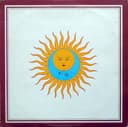 King CrimsonLarks' Tongues in Aspic
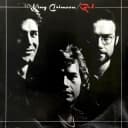 King CrimsonRed
 King CrimsonStarless and Bible Black
 Led ZeppelinPhysical Graffiti
 Led ZeppelinPresence
 Porcupine TreeIn Absentia
 RushA Farewell to Kings
 RushHemispheres
 Steven WilsonThe Raven That Refused to Sing (and Other Stories)
 The CultCeremony
 The CultElectric
 The CultLove
 The CultRare Cult
 The CultSonic Temple
 The Rolling StonesTattoo You
 The Sisters of MercyFirst and Last and Always
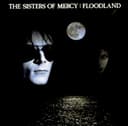 The Sisters of MercyFloodland
 The Sisters of MercyVision Thing
 YesTales from Topographic Oceans
Spotify Playlist
● Open SpotifyA bug in Safari prevents playing full songs, please use Chrome.
Transcript
View TranscriptDownload Transcript ⇩
Transcript
View TranscriptDownload Transcript ⇩ⓘ This transcript may contain errors. Please don’t quote it in your yearbook.
There's a podcast that's sure
All that rocks hard is gold
And they're climbing the stairway to 11
When they get to there they know
The record stores are all closed
But online they can get what they came for
Ooh, oh, oh, and they're streaming the Stairway to 11.
Hello, and welcome to Stairway to 11. My name is George.
This is John, and I'm TR.
We've got three more albums for you today, and it should probably be interesting today.
Put on the boxing gloves and take us away, John. All right. I'm not wearing boxing gloves because I already know my album is spectacular. Whether or not everybody else feels that way, it could be another story. Because I did not choose an easy album to go over. However, I think it's easy. But I love it. So with my choice, I went with the Godfathers of Progressive Rock. At least I think they are.
TR, would you agree that they're probably considered the first true progressive rock band before I announce the name? Yes, or at least certainly one of the early progenitors of the genre. See, I would think since they probably had the first true album that came out in 1969, it would put them there. But they're more than just progressive rock. They're a lot. And I did not choose the album most people think I or would think I would choose.
So I went with King Crimson and the album Red from 1974. No, I did not go in the court of the Crimson King, the first album, like everyone would think you would go if I went with this album, because I think this album is better. And I think there's more to this album personally. If you're not familiar with it, it was King Crimson's seventh album at this point from a band that started putting out material in 1969.
It was released October 1st, 1974. It was recorded in July, August of 1974, but also earlier in June of 1974, because one of the songs on the album is a live track. How to describe this album? Well, the general umbrella falls under is progressive rock, but there's so much more going on. There's jazz rock. It's very dark. It's atmospheric.
There's some people who have even labeled this somewhat heavy metal because it is very metal-esque at times. It's certainly influential to metal. I don't know if I would call it metal. Yeah. But it definitely laid the groundwork for a lot of bands that would follow for many years as kind of a blueprint for the sound and the atmosphere that they capture on this album. It is the final album of a trilogy.
for three main musicians, being Robert Fripp, who is the longstanding only every album member who's on guitar, John Whetton on vocals and bass, if you're not familiar with that name. You do know the band Asia. That's probably the biggest band he was in that he's known for in terms of popularity, but he's also been in a host of other bands. And then Bill Bruford on drums, who if you're not familiar with Bill Bruford,
is.
Bill Burford is famously known for being one of the original members of Yes and played on their first five albums. He then went and played with King Crimson for a number of years. He's been with Genesis as their touring drummer in 1976, which is an absolutely fabulous live album and video. I know TR has watched it from 1976. And it also features somebody who's been featured on this podcast a lot, Peter Gabriel.
So we'll just get that out of the way. Peter Gabo is our new Leviathan
from the Little Heads podcast. And it also includes a host of other guest musicians, David Cross, Mel Collins, Ian McDonald, all either were members or guested on albums with King Crimson in the past and Mark Kerrig, I believe. And they all play violin, metronome, you know, saxophone, alto sax. There's an oboe, cornet, all that.
So it's all covered here. The album is produced by King Crimson. And what I said earlier, it's the final album of three that would feature Robert Fripp, John Wettin, and Bill Bruford. It was kind of their second version of the band at this point. It was a short-lived version. They only put out three albums in the span of basically two years. And then they decided to take a break for a while, all the way to 1981 for the next album to be released. But Bill Bruford does continue with King Crimson at that point.
John Wynn does not. So some just brief insights on the album, mainly my insights, but I think that some of them are pretty consistent with other prog fans. This album is considered one of the greatest progressive rock albums of all time. It's hard not to see this album in every top 20 lists from any reputable site, you know, or maybe I don't even know what we call these people online anymore. They're, I guess, rock critics, but they have their own
on YouTube channels or there's print media. I'm referring to people like, you know, Pete Pardo has his big channel on YouTube, See Tranquility. There's other progressive rock sites. There's the Gagli Archives radio. They talk about this album a lot. So there's a whole slew of people that consider this one of the great albums. Whether you consider it a top 10 or top 20 or top five, it's all at that point preference. But this is definitely one of those albums because it brings so much to the table, even for only having five songs.
Sadly, the band broke up two weeks prior to this album being released. So they never really had a chance to properly tour this album to get it out there. They hardly played these songs live. As a matter of fact, they only really played one song live a number of times before the album came out. And some of them weren't played until well into the 2000s. Which is a shame because, again, I consider this to be their finest work of all their stuff. Now, I know there'll be a lot of King Crimson fans that would disagree with me. That's fine.
That's all part of it. So in terms of their music, this is definitely heavier. It's darker. There's almost kind of a menacing feel throughout it for some of the direction they go. It's not for everyone. If you don't have patience, keep driving by because you need to be able to take this in and let it absorb. This is not one time listen and you have an idea what you're listening to. If you don't get it, you just don't get it. It's as simple as that. But I think if you give it time, there's things that you can pick out.
from this album that really stand out and it starts to kind of, what's the right word? Marinade. Marinade's one of them. I'm thinking of brewing, you know. Absorb. Absorb. It spreads out. It has to breathe. This album's precise. It's methodical. It can be repetitive at times, but there's a reason for that. Robert Fripp has always demanded precision in playing. And you have to listen for the subtle changes and the subtle key changes and time changes.
And then you just get walloped with something you don't see coming, which I think is great. Other than that, like I said, I consider this to be one of the best progressive rock albums ever. They are certainly one of the great power trios of all time. It's hard to argue the musicianship in this band with other bands. There's very few I can think of that would stand out. Rush, obviously, we talk about them all the time. I know people think Cream is an outstanding band. I like Cream.
I like a lot of their stuff. I don't know if they were as great of musicians as some of these other power chairs, but they're definitely great. There's not many. I would put them up there. So I won't go on because I'll talk too much about this. I'll let you guys jump in now before we start. So I've never listened to much King Crimson. So this was a new experience for me listening to an album front to back. I have listened to a little bit of the first album, as you mentioned, which I found to be very different. I have to admit, after my first listen through, I texted TR.
and I asked if you'd listen to it because I had no idea what to make of this album. It was a shock to the system. But I was determined to find something about this that I could consider positive, so I gave it a few more listens, and I'm happy to say that while it's still a hard sell, I can at least appreciate certain aspects of the songs. And I will go into those details as we move on. Yep. So King Crimson is another one of those bands that I never got into.
I probably should have given my prog leanings, but I always perceived Crimson as less melodic and a little more out there than the prog bands that I was into. The funny thing is I've seen them live in a number of their various lineups as King Crimson, Project 6, Crimson Project, Robert Fripp in the League of Crafty Guitarists, and Robert Fripp solo, and they are always interesting if a little weird. So I'm glad John picked this so
that I can expand my palette and really check them out. So thanks, John. I agree. Yeah. Yeah. If you're looking for a flowery English prog, this ain't for you. See, no Genesis. No, and it's not. Yes. There's no happy frou-frou lyrics that mean absolutely nothing. They just kind of are banded together to sound kind of like a hippie dream. And I like those bands. This is not that at all. This is dark.
I'm surprised about that Asia connection that I need to listen to him sing again now.
Because Asia very different.
Yeah, well, yeah, for all the musicians in the band, it was really different.
So, all right, well, let's get started.
So the album opens up with the song read the title track.
It's a relentless instrumental that makes its presence known immediately with the start.
As I mentioned before, this is a heavier and darker King Crimson.
This wasn't like anything from before.
Although they were leading up to it with this power trio with the two previous albums. But this was still darker than the previous two. This is a take no prisoners song. It just goes right in and starts up. And you are not really given much of a break until the middle of the song. Every change, whether it's a key or time change is deliberate and methodical. You have to go through a number of kind of repeats to get to the subtleties and as they build the song.
And you really,
if you hear all these comments about Robert Fripp and how he plays and you're like,
okay,
whatever.
I don't know what that means.
Well,
this is a great song to hear that every section has just slight changes,
even though they're repeating a lot of the background rhythms,
it just starts to build and build.
It changes slightly from the prior sections that they were in.
And as I mentioned,
precision is key to the playing methodical is key to their playing.
And the musicianship is amazing.
from all three players. I'll be honest, I didn't realize how good of a bass player John Watton was until I really spent more time with his King Crimson years. Because when you think of Asia, you don't think of him just laying down some heavy bass lines. You think of them doing some kind of poppy, semi-80s. It's like some Boris the Spider kind of heavy bass on here, you know what I'm talking about? He's got more feedback, yes. Not so much on this song, but he does do that. No, no, but on some of the stuff. Yeah, the song maintains
It's heaviness throughout. And I mentioned that midsection. The midsection kind of just drops into like a solo Robert Fripp guitar work with these kind of almost doomy sounds in there with cellos that come in and just kind of give this ominous feel. And it picks right back up to finish even heavier than where it started. Like I said, there's stuttering bass work from John Whetton. Again, I was, this is the album I'm most impressed by, even though I like the other two albums he's on. This one, I feel like he does even more. There's a lot of kind of crashing cymbal work from John Whetton.
from Bill Burford throughout the song. I'm a huge Bill Burford fan. I always have been for all his projects. Specifically, yes. I loved what he did when he was in Genesis because I thought as decent to pretty good of a drummer Phil Collins was, I thought Bill Burford was like light years better than him, but for different reasons than other people would think. He just has a certain kind of groove and a certain kind of sense of timing that I really like a lot. I like him in Saxon. Bill Burford's in Saxon? Biff Byford.
It's a joke. His long lost cousin. One last thing I'll say about this song that really stands out is that a lot of prog metal bands point to King Crimson as an influence. And this is a song you can hear that because so many prog metal bands, at least those early prog metal bands, all had to do instrumental work. And you can hear that this style of instrumental. This isn't your, you know, kind of fluffy instrumental, like lots of key bands.
and soaring and, you know, thousand notes a minute, you know, from guitar players. This is a lot different. This is almost reminiscent of YYZ from Rushmore. It's in that darker vein where it's more technical without being technical, if that makes sense. So to me, it's a tour de force to start the album. I think this is amazing instrumental and I could listen to this all day long. Although I would probably get tired of it because I'd like to hear other songs. But I like the opening riff for this.
It's unusual, but after a few listens, it's cool. This leads into a different riff that is also cool. For the whole of this song, it's all uphill anticipation, waiting for a payoff that never comes. It's like the song is traveling along, but then it never gets there. The horizon always stays the same distance away. But that said, the riffs are definitely cool, and I like the song.
There's some cool bass on there too. And that's, it took me some, you know, a few listens to get used to it, understand where it was going or not going and to like it for what it is and not what it isn't. So. Yeah. So this is heavier than I was expecting and a little grittier too. It actually has a memorable riff and was easier to follow than I was expecting. I don't know. I think I was expecting this. I mean, there's plenty on the album that gets to that kind of thing, but.
this was pretty straightforward in a lot of ways. And so I was kind of surprised at how easy it was to follow for me, at least initially. And of course, I'm always good with an instrumental. So the lyrics and the vocals will never let this song down. Yeah, yeah. I hadn't really thought about it until you mentioned it, but the album as a whole is not as kitchen sink as I would have thought.
You know, it's not ridiculously complex and a million things. I mean, there are parts where there's horns and guitars and things and everything going on, but it's not that crazy. Yeah. I was expecting like it to be just so obtuse that you couldn't really know what the heck was going on. And actually, I mean, there are parts in there, but nowhere near like what I thought it was going to be. Yeah. Agreed. Which was a pleasant surprise.
So it's interesting that no one would take my word on it when I told them all this. Hey. Because, yeah, you know, I'm just making a bunch of stuff up. Like you always do. I told you so. Oh, no, this is not for me. But anyway, maybe next time people will listen to me when I say things. Probably not. No, you won't. And then I get laughed at. And then they're like, but we were wrong. So let's move on to the second song, Fallen Angel.
This is the first song on the album that has vocals on it. This is a song that was kind of debuted early on in 1972 when the band was supporting, it was pre-tour supporting or pre-release support for the album Lark's Tongues and Aspect that came out in 1973 early. They were starting to kind of play early versions of this song back then. So this goes back before the first of the three albums came out with this trio.
It's got an interesting start of kind of bass feedback fuzzy sound kind of stuff going on. I don't know if I want to call it noise because I think he's actually playing something. He's not just maybe I'm wrong. I don't think he's just like fiddling around with his knobs and any pedals, but it kind of builds into this loud noise. Then it just drops into this real sweet proggy folky melodic verse that has this kind of delicate John Wett and voice singing. And it's a complete turnaround.
in the span of like, I guess, 10 seconds, 15 seconds. And now we sound like we're back to original, traditional King Crimson from their first album almost. It's an interesting twist after what you just heard in the first song in this opening kind of bass feedback noise intro. And like I said, John Whitten's vocals are subdued. They're classy throughout the song. He doesn't really stretch his voice too much on this. He kind of just lets it flow with the way the song goes. He really doesn't overextend himself at all, which is kind of nice.
It's not like a pop song
the way he sings, but it has its very standard almost in parts before it gets kind of proggy in other parts. It kind of weaves in and out of this folky prog section jazz interludes then to this kind of larger than life guitar moments. Again, execution is precise. And when you hear that, you're thinking, oh, this has got to be like some real super technical band. And like we've all said, it's not that type of technical. It's different. It's all about timing and it's all about placement.
that makes this so technical. It's about not missing your part, which is something that's always been pretty interesting about King Crimson. Okay, if we want to talk about the lyrics, because we do have somebody who's a member of the Lyrics Police Bureau here with us. It's my understanding this song is about a man being asked to join the Hell's Angels by his brother, and then his brother seen him tragically stabbed on the streets in New York City. Oops. Yeah. Damn, that didn't work out. I think it's a cool song.
It's definitely an about-face from the opening intro Red, but there are moments that kind of harken back to that style of Red. But they do a really nice job, I think, in this song of creating just kind of a nice proggy rock song that you can follow, but then they kind of pull it away from you a little bit and put you at arm's length and go down those kind of jazzy proggy interlude sections where they get a little more. What's the right word? I don't want to say out there.
it's the band can or something you know which it's not yeah no they take you off into a different direction and then they pull you back in and give you the nice sweet stuff you know so i said cool synth intro vocals there they are i like his voice in the heat of the moment i i wrote a note that i think this is probably my favorite song on the album because it's the most normal quote-unquote normal in terms of the structure however since i wrote that i think i've changed my mind
So much for your sole survivor. Yeah. I can see how this album would provide inspiration for metal bands. It's definitely avant-prog and has interesting ideas. The horns on this are cool. Would you call this jazzy? Oh, yeah. I think it is. Yeah. Jazzy rock. Yeah. Jazzy jazz. Yeah, definitely. Or it's a collision of jazz and rock. If that makes sense. Almost like two things going on.
at once. T.R., you've seen them with the dual bands, right? The two trios. Have you seen that version of them? Yeah. Where they had two sets of drums. And I mean, two basses type players, two guitars playing not two different things, but sounding like you've got to be you've really got to be good to pull that off. I mean, it's hard to have two drums like two, you know, rhythm sections going on at the same time. Yeah. OK. So, yeah. So, yeah, George, when you say it is a jazz, I think it's a jazz.
I actually think it is jazz but then it's also rock but it's not jazz rock if that makes sense it's almost like two different things going on playing the same song so laid over top of each other kind of like the new Eson album but different don't head down that avenue yeah so I said this is actually accessible and the introductory lyrics kind of you you kind of mentioned John like this folky proggy thing and it made me think of
early genesis actually obviously didn't stay in that kind of vein for very long but like there was a the snippet there that kind of made me feel like it was like early some of the early genesis stuff and wetton has a good voice although i think his singing got even better in his later years he seems to be like he was certainly a capable singer and you know he's got a good voice but but his technique i can hear in his technique that he wasn't he was relying i don't know
I don't know if he took lessons later or what but I feel like his technique improved with his singing after this because he here he sings well but I can hear that you know in later albums and later on in his career that he developed an even better singing technique I like Bruford's drumming on this and Frip is really tasteful the horns start to push it for me but they do add a nice texture overall yeah
That's an interesting point about his singing. As you're saying that, I'm thinking, okay, what would it sound like if he was singing from the first two Asia albums? And it wouldn't work. I think it's interesting. I don't know if, and I don't know, I'm being honest, and I'm not disputing what you're saying. I think you're probably right. He is a much better singer with Asia. But I almost feel like his voice has to be like this to kind of go down those, again, it's not, there's no chaos on this album, but it's like a controlled chaos of that
Yeah, but when I mean chaos, it's laid out chaos. Like, this is what we're going to do. It's not just like, all right, let's all smoke weed and just start playing and see where it goes. Well, they don't do that. Wait for it. Actually, no. That's improv there on that song. Yes, I'll give you that for that particular song. Okay. Yeah. The rest of the album, I think, is very structured.
And this is what's going to happen. Tiara's correct. We're getting to that. But I have positive thoughts about that. Are we good to move on? Awesome. So the next song is called One More Red Nightmare. It's the third song. Hey, there's vocals on this song, too. Great. Which is awesome, because I do think he is a good singer. I think he's much better. People give him credit for. And I think he's a much better bass player. I didn't realize how good he was until I listened to his early material over the years.
I absolutely love this song and it starts out with this big huge opening riff it's very metal-esque almost it almost has that rush of Farewell to King's Hemisphere bigness to it although this would be prior to that so maybe Alex Lifeson's gleaming something from King Crimson there's large big crashes from Bill Bruford on his playing he has this interesting great groove that he does at the beginning but then he's also hitting
his cymbals in such a way his crashes are coming on odd notes and everything or odd beats and it just sounds abrasive almost and then it just falls into this kind of really cool groovy rock song with hand claps i don't know if you noticed that there's these like a little bit of claps in there and it's got just this kind of different groove but you know like t.r and george have mentioned it happens for a little bit and then they pull you away and go a different direction again they go slightly different about
One thing I noticed about his vocals before we move on is that they're a lot more aggressive on this song I thought than the previous song and so maybe TR that lends a little more credence to what you're saying about him being a better singer with Asia I think his aggressiveness and he's not raspy at all but he kind of gets used the word grittier or gritty earlier he's a little grittier on this song which I think kind of helps for the aggressiveness of this song
So I moves on to this instrumental middle section that kind of features Fripp's unique style of playing. If you're not familiar with his style of playing, it's hard to describe. If you're a fan of David Bowie's work, you know, like the album Scary Monsters or I believe Heroes, I have to check. I'm ashamed to say I can't think of it off the top of my head right now, but definitely on Scary Monsters.
Robert Fripp plays guitar, and the guitar is jagged-sounding and abrasive and almost sounds like scraping metal sometimes. And he does a little bit of that here. He gets this unique playing. You've got Ian McDonald's alto sax playing. They kind of get to that again, that kind of jazz and rock playing together at the same time. The song kind of returns to the vocal verse, and it gets back to that kind of groovy kind of rock vibe. But then it just goes right back to the big ominous
sound and it just kind of starts going back and forth to the end of the song and it kind of does that and it kind of gives you a little bit like you guys were saying oh there's a little bit of this that's nice and then it pulls you away and gives you that big dark stuff and it just has this ebb and flow throughout it i absolutely love this song lyrically if we want to talk about lyrics again suppose this song describes the nightmare in the form of a crashing airplane with the dreamer waking up just before the plane's about to crash
I read this online somewhere and I was like, alrighty. Interesting. Yeah, so even the dream is weird, you know, so, but this is a song, I've never seen them, I passed up one time on CN1, I had tickets, and I'm really disappointed because they played this that night at the show, and I was like, ugh. As a matter of fact, they played three songs from the album, so I'm very disappointed I didn't go because I would have gotten to see this, but anyway, you guys go now.
So I said another really cool opening riff, very metal sounding, which you stole my homework, very ominous. The bass is a monster. And then Sgt. Pepper era Beatles show up to do some vocals, like a little McCartney, you know, it's just very like the phrasing and the tempo of it. It just sounds like something, an outtake from that era. I said, definitely my second favorite track, or maybe even my first, it's my first now.
Upon further reflection. I don't know. They're both pretty cool. I think there's so many different things going on in these songs that it can be confusing and seem chaotic. And now when I say that, I don't mean all at once, like the kitchen sink we mentioned. I mean, it cuts from one thing to another thing to another thing to another thing. But I've noticed the more I listen to it, the more I pick up on little things that are cool. And this is just like a collection of a bunch of cool things thrown together. And let's not worry so much about structure and moving the song along.
Let's just make some cool stuff. But in a strange way, it does. It's almost planned out like a storyboard. Like they have it up on the board and I would do this. We're going to this. We're going to go back to this. Wait, we'll go back to that then. And it kind of, like I said, it's that old cycle of ebbing and flowing up and down the business cycle. If you guys are in a business world like some of us. It's non-traditional song structures. And once you understand that and can get your head around it, then it's easier.
to understand, accept it for what it is. Yeah. So this definitely influenced Stephen Wilson because I can hear stuff on it in Accenture that seems to draw from this. Main lyric sections are not exactly melodic, but it's supposed to be a nightmare after all. I like the section from two minutes to three minutes before the saxophone comes in. Sounded like a cross between Rush and Yes. Yes, Rush. Rush, yes. Is that all you got? That's all I got.
Okay.
So we'll move on to the song that TR was alluding to.
The song is Providence.
It's the fourth track on the album.
It was not part of the recording sessions for the album because it's a free improvisation
recorded on June 30th, 1974 at the Palace Theater in Providence, Rhode Island.
Okay.
I get it.
If you don't like this song, apparently there's a much longer version of this from that
And they edited it down for about... This was the compromise. This was the... Well, if you know anything about them in TR, you've seen them live. You'll know that they do these improv bits during shows. They will start out, somebody will start out playing, and they'll all start jumping in at some point. And sometimes it just sounds like noise, which the first half of the song does. I will give you that. It almost, you could almost say, are they tuning their instruments at some point?
But if you listen carefully, though, you start to hear things starting to form. Now, I get it. This is freeform King Crimson. We hope you enjoy their new direction. I get that. The song opens, like I said, freeform improv. There's a lot of bass feedback, Mellotron, there's fanatic violin playing. And there's this kind of random percussion from Bill Bruford. That's the first half of the song.
It kind of reminds you of Yes's meandering moments during Tales from a Topographic Ocean meets The Waiting Room from Genesis Off the Lamb Lies Down on Broadway. It's got like a vibe of those moments. But then eventually Bruford starts to kind of lay down this cool, groovy drum beat. And then John Whetton starts to match with his bass playing and it starts building into something at the end. He's still getting those kind of jagged, rugged soundscapes from
I would frip on guitar but the final two minutes you finally hear the band playing
together it's not your thing I get it had they not included on the album put another song like
fallen angel or one more red nightmare that would be fine by me too but what I think this song proves to
you is how good they really are as musicians that they can come from absolutely nothing and started that to kind of finally get to a song at some point and it's interesting because TR and I George I'm not sure how much because we haven't talked about it but TR and I are
I would say, and I think I speak for you, and I say this to you, are huge fans of the early years of Dream Theater. Those first three releases, that period, to me, is the stuff that I still get giddy about listening to because it was so different. But they used to improv all the time on stage during those early tours. And they would sound like, what the hell are they doing up there? And all of a sudden, a song would start, and then you'd be like, whoa, they are actually playing a song they've never played before, and nobody knows what the other person's going to do.
And I think you get that, that you realize how good these musicians are in the band. I mean, you have to be good to be able to, you have to have an ear to hear this. But again, if you don't like it, it's, this is avant-progue at its finest moments without question. And it's not everyone's cup of tea. So have at it, destroy it all you want. I get it. I do like the last three minutes of the song. The first five, I'm kind of like, all right. And then I realized there might be another like eight minutes of that from the show. It's like, oh, geez, I don't need to hear all that.
The orchestra is tuning up. Please take your seats. The show will begin shortly. Hold on. Lights flickering on and off a couple times to let you know we're starting. They dabbed a bit of extra avant-garde on this one. And then past the halfway point, the bass kicks in, the guitars wail, and we start to have a song, albeit more jam, less structure. I kept waiting for him to bust out the Black Sabbath and I-B riff on the bass.
You know, it just kind of sounds like he's headed that way, you know? Yeah. Or that maybe Nib is like an excerpt from this. But yeah. That's a good point. I never thought of his bass being that, not fuzzy, because Geezer's bass is fuzzy on that album, but being that kind of almost black hole-ish, the sound. And it really is when you think about it. That's a good point. Yeah, so this is an improvisation.
and it sounds like it. You could get away with stuff like this in the late 60s and early 70s. And while it's impressive that this came from a live performance, I could have done without this track or at least the first five minutes of it. I feel like there were some good ideas that they could have built into a proper song. But a lot of this is a train wreck to me. I didn't know it was live. So that, you know. Yeah. Oh, I'm fine with that. There's some people who think this album is a five out of five, even with that song on it, because they don't even
They just skip over it every time. I think it's a test of wills. To your point, John, and you know this because we saw Fripp do his Frippertronics stuff when he opened for Orcubine Tree on that one tour. I have no doubt that those were completely improvised sessions that he did. He may have had a blueprint in his mind as to where things
we're going to go. But, you know, this guy has spent a lifetime improvising and he's very capable of doing that and, you know, having it go in some interesting directions. So it doesn't surprise me that, you know, at an earlier time in his career, you know, I'm sure that as a musician, especially a group of talented musicians who are pretty much at the top of their form, there's something exciting about,
about doing something like this because there's obviously chemistry between
the members of the band and
do we have what it takes to kind of make something happen here
and you know whether you feel like something happened
or not like something still happened and it is
it does take a great deal of skill and
talent to be able to do you know this
so it doesn't surprise me that this ended up on the album
just because I think, like you said, probably felt like this was a good example of the band at this time and what they could do, especially with like some very kind of unconventional instruments coming together in this song like that. Agreed. All right. So the final song on the album. And to me, and let me first say, I am not a King Crimson aficion.
I love this band. I think I have everything but two albums. So I have almost everything. I love almost everything they've done. Not everything. But I would never consider myself a hardcore fan because this is one of those bands that just has legions of hardcore fans that know everything about them. Every live show. And there's hundreds of releases that they've put out. And this band has, this is what I wish,
more bands would do. They put out just so many live releases. They'll put out every show from a tour. Every night will be recorded and you can buy them. Like Pearl Jam and Metallica? Yeah. You know, they're one of the early bands that started this and other bands have followed. I wouldn't say they're the godfathers of this, but they're definitely one of those early bands that did this. You know, that's kind of like Deadheads. There's people who just know everything about every show they've ever done. You know, and so I would never consider myself one of those people. So when I make my statements about this,
And this is based on my opinion. I'm sure there are plenty of fans that would disagree with me. But to me, this is the crown jewel of not only the album, but of their whole 50-plus year existence. I know people say, oh, it's got to be something off the first album. To me, it's this song, and that is the song Starless, which, while not a long song for epic-esque statuses, you know, it's 20 minutes, it's an epic, you know. However, Rime of the Ancient Mariners is only 13 and a half minutes,
And I consider this an epic song at 12 minutes and 18 seconds. It was originally written by John Wettin with the intent on being the title track for the previous album, Starless in the Bible Black. But Frippin' Brewford were like, eh, I ain't feeling it. So they shelved it. But with more song development. But they still called the album Starless in the Bible Black, which I think is kind of funny. Yeah, I think that was the intention. And they kept that title because it is kind of a cool interest.
You don't forget that. You're like, wow, what does this mean? Well, like Zeppelin didn't put Houses of the Holy on Houses of the Holy. Yeah. So I think it was the intention of John Wendt and the other guys were not having it. But with more song development, they eventually recorded the song for the album Red with the shortened title of just Starless. So I kind of liked that they did that because they took away the confusion. Why is this on the other album? But then again, they created confusion. So maybe that was the whole point.
to get to the song. It opens this kind of subtle playing, this kind of reserved vocals. There is some melodic guitar playing. It's not frenetic soloing. It's just nice, mellow, melodic playing. There's Mellotron that's reminiscent of their early days off the first album in the Court of the Crimson King. It has that feel. There's plenty of sexy sax on there from Mel Collins and Ian McDonald. So it's got all that.
But this song is methodical and deliberate. And it's going to be that way the whole way through. And for about the first four and a half minutes, it kind of just prods along and does this. It's done with such precision and it's well done, but it's deliberate. You have to get through this. And then it takes this dark twist into a whole new realm of Prague. I mean, it goes to a place you don't expect. It's ominous. There's low end bass. Fripp has this hypnotic guitar.
where it's just him playing. And then percussion starts coming in and you're kind of taking down this dark chasm. Almost it's like their version of Prog Doom when Prog Doom didn't even exist or Doom didn't even really exist at that point for that matter. There's subtle key changes. Again, the percussion and the drum work from Bill Bruford somehow makes the song even more menacing because he's so great at playing percussive on such a small drum set.
He's able to use so much of the set and the kit. He uses pieces. He's got all kinds of things going on. And it continues to build this crescendo. It's just this ominous feeling. It's anxiety is building up. It can't possibly get bigger. And it just continues. And then four minutes later, it takes this nether crazy turn into this funk driven jazz field jam session. Our Metal Heads podcast co-hosts,
and brother, Matt, the situation, would have proved this sax-soaked musical snuggie that blankets this part of the song in a euphoric or a warmth. Sax-y. I mean, it really, it just creates this wild jam session there. And then the song kind of closes during the final two minutes of this kind of semi-avant-prog jamming that kind of revisits the opening section of the song. And by the time you're done, you're like, whoa, what was that?
you go back and say, I've got to listen to this again. What did I miss? Because there's so much going on in this, even though it is deliberate, it is hypnotic, it is methodical. Lyrically, this song was written by someone, I believe, called Richard Palmer James, and he described the lyrics as being about a breakup between two close friends. All this information about lyrics I get, one, to avoid being docked by the lyrics police, but two, I also do it so that I get it from this genius.com
So I have no idea if this stuff is accurate or not, but I want to give the source. I'm not just lifting this shit. Everything on the internet is true. Exactly. However, I do go and I kind of source back and I find other sites that kind of have the same lyrical explanations. To me, the musicianship's outstanding on the song. The song is absolutely massive. I mentioned the whole precision thing. I've kind of beat that over a little bit, but me saying it all the time is, I have to, because that's what's really going on. This is a clinical performance.
And to me, it's one of the true great epics of progressive rock. Not just from the 70s, but all progressive rock. I can see where metal bands gleaned onto this atmosphere that's created on this song. This kind of ominous feel. I can see where friends of ours, like I believe Galen, George. Oh, yeah. He's a huge fan of this album, if I'm not mistaken. Yeah, I recall you guys talking about it. Metalheads Podcast, he's in a number of different black metal bands. He's also a Fates Morning fan, so he gets that.
too, but he even talked about how this album was just important. There's other people we've had on that have mentioned this album, and I could see where they get it from this song and from the opening track, Red. So I'll stop talking. You guys go. This is one long mother. I love the guitar lead at the beginning. I can't say for sure what he's doing there, but I know I used to get a sound kind of like that by using my neck pickup and then turning the tone knob all the way down. It gives you that
It's kind of buttery. So that's definitely cool. The vocals kick in and for some reason make me think of the moody blues. I don't know. But then it's sexy time. As you mentioned, that's for Matt. I've mentioned several times the lack of structure or even cohesion to these songs, but what they lack in structure, they make up for an interesting parts. And this song at over 12 minutes goes
as many interesting avenues. But you can't be looking for some verse, chorus, verse, poppy song. If you're listening to this album, you really have to work for it and want to find the goodness in it. And as I said, every time I listen to this, I hear something else and something more. So I like it. Yeah, another fairly accessible track, certainly for the first four and a half minutes. At that point, it feels like you are traveling through space as the song slowly and gradually builds in volume.
and complexity for the next four and a half minutes when a saxophone comes in and the song takes on a Pink Floyd money vibe for a bit and then mellows shortly before a wall of sound freak out and then coming back around to the themes used in the first part of the song. I liked this. Not bad, John. I like to hear that. I would think you guys would agree that if you get this,
you probably can get a lot of what the band does. Because this is pretty much everything in 12 minutes that they're known for, I think. Just with the darker vibe, which is unlike the previous albums. And for that matter, some of the albums that followed, the 80s stuff is not dark at all. It's got a whole different slew of things going on. But you had to be there in the 80s to get it. So anyway. All right. So let's wrap this up.
Like I said earlier, Red's a true iconic progressive rock album. It features this outstanding trio of Robert Fripp, John Whetton, and Bill Bruford. To me, it's one of the great rock trios of all time. I think even though it's very short-lived, I don't know how they felt about it together because it sounds like it didn't go so well because they broke up fairly quickly. But I will say that this album grows in stature for me. The more I listen to it, the higher it goes up on my list. Yes, it's another one of those albums.
My Desert Island Discs. And it's amazing how it seems like almost all my albums in that list are showing up on albums that we talk about here in the podcast. I haven't picked all of them. They've been picked by other members here. However, this is another one that just keeps moving up. And this is slowly creeping to that top 10 level for me. But I get it if people don't like this album or if they don't understand it or if it's too much or if it just goes all over. That's okay. This album's not meant to be accessible, even though it is accessible.
if you break through the barrier.
It's kind of like when you first got into extreme metal and you had to get past
harsh vocals.
Or if you're like people like our good friend Will
on the Metalheads podcast, you had to break through the barrier
and get to clean vocals.
Love you, Will.
But anyway, I'll just finish with that.
I think this is one of the great prog rock albums of all time.
And that's all I'll say.
This was easier than yes.
And I don't mean drama yes.
Drama yes was very easy.
But like some of the other, yes, this is easier than that. But ultimately, I feel like I'm starting to come around to the charms of this album. Probably not something I would reach for very often, but when I have a need for a very specific set of skills, this is what I would send Liam Neeson after. Yes, yes, I like it. Having never spent much time with this band, it was nice to dig in and really pay attention to it. What would you recommend for further listening?
style of the band? No. I just want to know what I should listen to. Regardless of style. Obviously, I would always tell people, oh, we'll listen to In the Court of the Crimson King. That's the first album. It's got two of their biggest, three of their biggest songs on it. But I would also say, hold on, let me pull my list here real quick. I would say Lark's Tongue and Aspect, which is two albums previous to this.
Wow, imagine that. We're going to get crazy, but we're going to go to the 80s. You can list the album Discipline, which has got the whole 80s synthy vibe thing going on. But it features two new band members, Adrian Ballou and Tony Levin. The god Tony Levin on bass, you know. How do we know? Where do we know Tony Levin from, guys? That would be Peter Gabriel. Thank you very much. I just saw him. Tony Levin was playing, wasn't he? Yes.
He's like 77, 78. The dude is in amazing shape. Did he have his long fingers on bass? I couldn't see that far, but he did. He certainly got the reception when he was introduced. Oh, yeah. He's the long fingers. T.R. I know you've seen them. He's got like, they're almost like. Well, they're like Steve. I little drumsticks on his fingers. It's called the long fingers because I hold them up. It'd be way up in the air. So he's awesome. I am the exact opposite of that. I have extremely short fingers. Well, he applies.
them to his fingers. Yes, they're like long fingernails that he applies. Well, they're actually like little drumsticks, like tapes to his fingers. And then he uses them like to like as a percussive thing to hit the strings with. So he's basically, you know, hammering the strings with these sticks on it that are tied that are like taped to his fingers. There's like a Freddy Krueger thing going on. Yeah, exactly. Does he have little mallets on them? I can't remember. I don't recall. I think.
They are.
But I didn't know if he had the little soft mallets on the bottom to soften the ears.
I don't think so.
Because I have to look.
Because if you're hitting drumsticks on, you know, those big, heavy, thick bass strings, that could be quite the sound.
But he's so good, it doesn't matter.
That's interesting.
Yeah.
Well, let me wrap it up.
Overall, I like this album, and it certainly offered insight into Stephen Wilson's catalog, both with Porcupine Tree and Solo.
I just I was surprised at how many things that I heard on this album that that Wilson kind of used in in a variety of circumstances later on so I think this definitely was a huge influence to him throughout his career more so like later on but like you know because the early stuff the early porcupine tree stuff doesn't really have a whole lot of this kind of thing but you know later on when you get to in absentia and some of the other stuff around that
that period. I think even more his solo work, don't you? Yeah, definitely. Well, exactly. I mean, what Raven that refused to sing or whatever was kind of like his King Crimson album pretty much, I think. I mean, I think he explicitly even said it, you know, like, yeah, this is what I'm shooting for on this. So, yep. Well, good choice. I'm glad you guys liked it. So if you are a Metalhead and you listen to the Metalhead podcast and you want to hear one of those albums, I'll just give you a quick rundown of bands that have mentioned them as the
influence. Opeth, Macedon, Between the Buried and Me, Leprous, Haken, The Ocean, Voivod, Enslaved.
That's a pretty wide range of bands. And most of them are good. You know which one I'm talking about. Yeah. Haken be faking. I'll say it again. I've told Tierra this. We've had this discussion a million times. Musically, they don't bother me at all. I think they're great musicians. I just can't get into the singer. However, I like the singer's solo work, though.
It just doesn't make any, it just don't make no damn sense. Anyway. All right. I'm glad you made it and survived. Yeah. More so than the next one. ATR. All right. So we're going to move from something that has very loose structure and cohesion to something that is very regimented and not as avant-garde. This is my pick. The Sisters of Mercy.
Floodland. The Sisters of Mercy are an English rock band formed in Leeds in 1980.
They released three albums, 1985's First and Last and Always, 1990's Vision Thing, and in the middle of those two is our album today, 1987's Floodland.
Each of the Sisters albums sound fairly different from each other to me, though they are all tied together by the haunting vocals of Andrew Eldridge.
Bloodlines is my personal favorite, so that's why I went with it today. This was probably outside TR's wheelhouse, so we'll see how that goes. I'm sorry for taking you out of your comfort zone. You took his whoobie away from him. I want my musical snuggie of the other thing to put on now. The Sisters of Mercy only released three albums and a number of singles, but the band has remained active all these years only playing live shows. Last year, I finally, after 30-odd years,
got to see them live and it was terrible uh
for whatever reason andrew's vocals were mixed very low i don't know if it was like a you know
self-conscious thing or what but they were even lower than the bass player who sang backup
so it was the bass player you heard most of the time and he can't sing despite the sound it was a cool
show just to see the performance and these three classic albums will always make regular
on my playlists.
I'll go next TR.
All right.
Save the best for last.
I'll go next.
So I am familiar with the sisters of mercy.
I do have this album and I've had it for a while,
but I did not come into this band as early as George did.
I came in as band because of my friend,
Lisa told me I should check them out.
We were hanging out once.
And that was probably the early two thousands,
maybe mid two thousands.
I got into the,
so,
and I liked this album.
I have commentary no doubt but I was familiar with this and I did know it so I'm just gonna start giving you guys albums I know you're gonna hate I didn't say I hated this album no I know yeah but I have some there's things about this album that you'll you hear you'll know why so fair so I had heard of this band but really knew nothing about them and goth is not my thing as we've previously said it's too dirty
and the vocals are usually subpar and it's just generally depressing. But I was determined to give this fair shake. So I listened with open ears. All right. We'll leave it at that. We'll leave it at that and move on to the first track. Dominion Madarasha. While I'm not usually a fan of drum machines in rock music, Dr. Avalanche, a.k.a. their drum machine, brings a heavy, solid presence to the sisters' songs that just makes sense with the songs.
So in this case, it's a cool opening, followed by some cool guitar. Andrew's vocals come in and right now, right away, you know what you're getting from this album. Yeah, it gets heavier, but this is essentially the sisters in summary. Vocals were kind of unique for the time, but they became the blueprint for goth rock along with the Cure, and this is the voice that launched a thousand imitators. You can go on Bandcamp now and type in goth rock,
And I guarantee you, many of the bands that come up are going to sound like this. Some are better, some are worse. But there's four songs on this album that rock my world, and this is the first one. It manages to be heavy without being all that heavy. While it's not terribly complex, it gives the impression of a lot going on when you're in the chorus section. All right. So again, we'll save the best for last on this album, I think. We'll make it easier for you, TR.
So, yeah, I kind of like this song, too. It's got a cool, dark, gothic vibe to start the song. I agree with you there, George. I'm immediately reminded of another singer who was doing this style before this band. Oh. Yes. This is a darker David Bowie at times. Okay. No, I accept that. Yeah. He has that cadence. Now, I agree. His voice is what launched a lot of bands at Fall, but he has a similar,
sound to Bowie, but he's much darker. I agree. I thought the chorus was memorable. I tried to look. You can tell me if I'm wrong. Is there sax on this song, or is that a synth overlay that comes through? Because there's a kind of a cool background sound, you know, right there in the chorus that kind of reminded me of a sax, but I couldn't tell if it was a synth patch or if it was actually real. I looked online and I couldn't find anything on it, but it's kind of a nice touch to the song, which I think it's the only time they do that on the album.
We'll cut to Matt for confirmation on whether or not it's saxophone. And Matt says unsure. So sexy enough to tell. So I will disagree on one thing about this album right from the bat. I don't like the drum machine. I can't stand drum programming. I understand where it comes from and I understand why it's used, but I'm not a fan of not having acoustic drums to go along with the
Yes. When they played live, there was no drummer. Yeah. I figured as much. Dr. Avalanche has always been in the band and always will be. Yes, I know. And I'm just not a fan of that because I'm a former drummer. I get that, you know, but this style of music does not require drum acrobatics. It just needs a beat. Just like,
You know, various like synth wave and stuff, you know, it's like, yeah, okay. It's not a drummer, but you know, it works in this situation. And that's the way I feel about Dr. Avalanche. I agree wholeheartedly. I was saying I would like to have the combination of two if you're going to have, because this is very prominent drum programming. It's loud and up front. There's even sections where it's just the drum machine playing. Yeah. But I mean, I've seen bands. I mean, I've seen
Psychedelic Furs Live, Simple Minds, they're not maybe necessarily goth, but they're from that synth world itself, and they have live drummers. So this is just my nitpick. It doesn't mean it's not right. No, it's not a problem. It'd be like Rush without a drummer. Really? Well, that's what we have now. So who said that? All right. And on that note, let's go to TR. Yeah, well, so this was a little too synthy for me.
And the vocals were just so low. Oh, yeah. And I will say it had a catchy chorus and I like the riff, but the vocals detract from this for me. You should see it live. Yeah, oh, God. Yeah. So it's just a bunch of kind of low, it's kind of in the background. Emoting. Yeah. I'll get into that a little more later. But yeah, it just, I don't know, it just didn't hit me.
But there are more songs on the album. Okay. Well, track two is called Flood One. This track is a bit more ominous. I love the keys on it. Combined with Andrew's deep menacing vocals and, of course, the Doc's drum foundation, this song is subtle. It doesn't go really crazy. It just kind of lurks and digs its way into your brain and then you find yourself humming bits of it later. Yeah, I agree. I actually like this song.
of goth that I like more. I'm not as much into the dance beat rhythm as much. I get it. I get where that comes from in goth, but I dig this more. I like the slower tempo of the song. It has a darker feel, like you said. I get it. If you're going to have drum programming, that's fine, but it's a little up front on this for the snare. The tom work, the programming is fine, but I thought the snare was a little up front. For this tempo, this pace that they were
I went with.
This Snare or Lars on Justice?
Yeah.
All right.
You're bringing up, you're bringing up like nightmares for me right now with that
snare.
All right.
Let's just stop while we're here.
Okay.
So that means this one's better, right?
Everything is better.
Everything is better.
I kind of dig the sense on this.
And if you're a child of the 80s, it has that kind of, and I, it's, I don't want to
I say horror film because horror film today to people is different what horror film meant to us in the 80s yeah but it's the ensemble cast you know and there's some ominous thing happening in their town and literally the whole film is at night but like it's a week in time on the movie but it always happens at night so nothing happens during the day apparently in these movies they sleep yeah they sleep during the day yeah but it has that kind of feel the sense on this and it's I kind of felt I feel reminiscent when I hear that it's
Nostalgic to me. There's not much variance in this song. I wouldn't say it gets monotonous on this because it's a shorter song, but it doesn't deviate too much. But I do like this vibe a little more than the previous song. All right. So I said more low vocals. The song has an air of mystery to it. Kind of dirgy. I don't get hooked by this. That's it. That's all I can put together. That's all I got to say about that.
I have to say about that. That's why I'm going second on every one of these. No worries, my brother. No worries. I'm going to give the extra content. I still love you. Maybe not at the end, but at the moment, I still love you. Okay. Yeah, we'll see where it goes. All right. Track three, Lucretia, My Reflection. So this is my jam. This is my favorite on the album. I've been actually working on recording a cover of this since probably the beginning of the pandemic.
and I never quite finish. I go back and I rerecord guitar and I rerecord bass parts and I think I'm stalling to conquer, stalling from trying to conquer the vocals. But anyway, this song starts with drum and bass and what a cool, simple bass line. I think it's a cool, simple bass line and it just kicks ass. Kind of like A Forest by The Cure. Andrew begins sighing words over top and then the guitars and keys kick in and things get real, John.
It's a slow buildup to the chorus
The track is just freaking haunting
And it's just so cool
I can't stand it, I love this song
Yeah, I'm in agreement with you on this
So, in the first three songs
On this album
We've already gotten three different
Kind of directions of the goth scene
If you think about it
And this is what I think of
When I think of goth rock
I agree with you, George
The bass line's simple
But it's got a real good groove
And when I hear it, I'm like
Oh, I know exactly what kind of music we're talking about here. And I love the chorus. I think it's great. Again, another common thing that I saw on the album, minus the drum program, is the songs don't veer off much. They don't go into different directions. They kind of stick to the same formula. And that's okay. You know? If you're trying to recover from a King Crimson album, this is a nice way to have some structure. Yes. But this is by far the most goth rock song on the album.
There's no dance vibe on this. There's no kind of broodiness of the second song. This is just a straight ahead goth rock song. And it's cool. I love the synths on this. They kind of fill the back end nice. There's great atmosphere. It's kind of an ethereal feel. I dig this song too. This is one of my favorites off the album. Excellent. So more low vocals with next to no energy. I did like the cool bass riff. And the song kind of picks up.
But these vocals do nothing for me. I just don't. I had a hard time getting anything out of these vocals. And I'm spent. Yeah. When did Will join the podcast? Yeah. Now we got the vocal police. It's all right. I'm just kidding, TR. That's okay, because I put the lyric police on getting a holiday today. All right. You didn't even bother to read the lyrics, did you?
I did actually I always do look at the lyrics and you know you know the thing about it is like you wouldn't really know because the vocals are done in such a way that it's very hard to hear what he's saying see I can hear everything he's saying yeah I don't know I just I feel like what are you listening to it on it's just it's like I feel like he's mumbling and it's low and you need heavy headphones I don't I just don't feel like there's any passion in it
It just sounds just like devoid of any energy. I don't. I'll be honest. I don't get that at all. Honestly, that's just how I feel about it. Yeah. So yeah, you obviously are not a David Bowie fan then. I never have been. Yeah. And you would hate his vocals, which means I'm going to pick his most obscure album for that just to do it on purpose. But if you're not, and I'm not saying he's imitating David Bowie, but he has similar inflections from 80s Bowie without question.
And Bowie's considered one of the great rock singers of all time. So. Yeah. All right. Well, track four is called 1959. Piano Ballad? Yup. You got it. The piano, along with Andrew's mournful vocals, give the impression of actually traveling back in time, actually traveling back in time to 1959. It has an old timey feel with the vocals lacking dynamics they make up for in raw,
and then you're not getting that but this is the third of four songs that are among my faves it's kind of a nice break after the continuous drum beats of the first three tracks i think it's well placed in the track list that way to give you a break before flipping the disc over i would agree with you on the point of getting away from the drum program and you're going to need it and you're going to need it because it
Yeah, there's, to me, it's a great album, change of pace and palate cleanser if you're looking for that. There's, it just kind of, I'm probably more in a boat with TR, I'm guessing, maybe not, maybe he does like this song, but I think I'm probably closer with him on this. I find it interesting that while it's vocals and piano, there's not actually a piano used at all, it's a sequencer, so they don't actually have one piano key being touched the whole time.
which is interesting.
But that was the times and that was the technology.
And it's still the case.
Yeah.
So I find that interesting.
It is a nice palate cleanser.
It's nice to slow the beats down and to remove the kind of the drum program because it is very upfront on their sound.
So I just kind of I didn't go anywhere with it that much for me.
But I do agree that it's in a good spot on the album to kind of give you a little bit of a breather. Yeah, I agree. I felt like this was a really nice change up in terms of, you know, the tonality of it. I still feel like the vocals are still dull or overly dramatic. Like there's this, you know, and I'll get to that in a minute, but on another song here, but this would be a totally different song if he sang in a higher register.
I feel like he saps all the energy out of these songs by singing so low that it just feels like there's no there's just no energy in it like I just feel if he's saying like in a higher register somehow there'd be a little more energy to it but I'm sure that would completely defeat the purpose of the style but I just I don't know like maybe it's just I don't like the style but like I just feel like I don't know all these songs it's just like this lack of energy
Even though he's kind of sounding dramatic, it just sounds... I'm guessing you're not a Peter Murphy fan then, TR. No, never was. I was going to say, I'm guessing you're not a typo negative fan. Are you not a typo negative fan? Well, I have to say that I really haven't listened to them, so I can't tell you whether I am or not, but I can... All that kind of style, I've just never really appreciated it much.
Well, we all have our things that we like. That's true. I thought you were going to say idiosyncrasies or something. It's dumb to judge people on what they like. I know. We're just having fun. I mean, come on. Yeah. Look, I just made them listen to King Crimson, all right? I'll bear those scars for the rest of my life. But you'll keep opening them because they feel so good to let them seal back up. Yeah. All right.
Track 5, This Corrosion. And here we have number 404 of my favorite tracks on this album. Probably the most played song off the album based on what I hear on the radio. Starting off with the choir and then into a steady heavy beat again with bass and synths. This one switches up the feel of the song compared to the others. It almost has a little funk snarl to it. I don't know what else to call it.
the backing vocals are icing on the cake. And was that a guitar solo? That's weird. If listening on the vinyl, this is the first track on side two. So it kind of makes sense to change things up a bit. And again with the choir, I love choirs in any and all types of music, unlike Will. And then... No, it's kids. It's kids, not choirs. I don't like that either, I don't think. But, and then we've got Sauron in there saying, give me the ring. So Barb heard this track on the radio.
and liked it. And we had to go track by track through the first two albums so she could identify which one it was. While goth is a bit of a lonely little subgenre, this song proves it can win over people that listen to more mainstream music as well. Except here. Yeah, this is, I agree with you, George. I actually like the 40 piece choir that they had for this. I like it at the intro. I think it kind of is cool because it's different than what was going on the rest of the album up to this point.
It definitely has an 80s synth pop vibe to it. Again, the program drums. You can see why this would be a popular song in a dance club. It's just got that beat. So this reminds me of the opening track, Dominion Mother Russia. It has that feel. It's more on that side of goth. It's not brooding. It's not that kind of driving bass version that we talked about on previous songs. Again, it doesn't very much, and that's where I get a little fatigued on the song. I think it's a little,
too long, but I get why it is because it has that dance club vibe to it. Again, I hear a lot of Bowie in this and his vocals on this, and I could almost, you know, I can almost see if I wasn't paying attention, if I heard this on Sirius XM on the first wave. Probably, probably. Did I miss a Bowie release in the 80s? Because I could see him singing this song at that time when he was doing this kind of vocal style.
I will say that Andrew Eldridge seems like an angry person based on the lyrics from this song. Beer in my nose. Thanks. You're welcome. At least it's not milk coming out of your nose. I know the lyrics, I guess, are based on previous band members. He directs it at them who left the Sisters of Mercy to form the mission. And I know the opening track has some lyrics on there that he seems just like he might be.
A little bit of a curmudgeon. A little bit, yeah. I don't, and we've said this before, unless they're Steel Panther lyrics, which I just find to be just, I don't even know what to say. I'm not even going to say anything. Just stay annoying me. I don't generally get super mad at lyrics. I don't subscribe to the whole political thing in lyrics. I don't buy this. Well, that's what rock and roll is. That's a bunch of crap because most of rock and roll in the 70s was about,
White Snakes and having sex and doing drugs. But at the same time, it doesn't bother me. That's what you want to sing about. Knock yourself out as long as the chorus sounds good. So it doesn't really bother me. But it just seems like on this song, he's twisting the knife a little bit on this one. But I can see why this is a popular song amongst fans. Because it has that beat that really uplifts you to want you to get into this. So I think it's a decent song. Just a little long for me in the end.
All right. So I was kind of amazed when the chorus comes in. I was like, what is this? This is kind of cool. And so you get this really cool chorus thing. And then all of a sudden it's just like, you know, it's real interesting. And then the plug gets pulled and we're back to 80 cents. And, you know, I feel like I'm, you know, watching some movie with Oingo Boingo in it. And what do you have against Danny Elfman? Nothing.
Just that synthy, poppy, I don't know, I just don't care for that kind of tone. So I think I remember hearing this on the radio in the 80s. This definitely has a catchy chorus. The verse lyrics seem to be taking up space until they can get back to the chorus. It seems like, it's like, oh, we've got this awesome chorus, let's just kind of fill the other, you know, verse so we can get back to the chorus because that's really the, you know, that's the part of the song everybody wants to hear.
That was kind of my impressions of it. All right. Moving on to track six, Flood 2. I don't know that this is exactly a reprise of Flood 1, but it does begin with the same minimal sound and then gets a little heavier. Again, the keys are key. Ha ha. There's some acoustic guitars that are a nice touch, if a little hard to pick out, but they are in there. This one sort of reminds me of the song Ribbons from their next album, which is one of my favorite songs.
my all-time favorite sister songs.
Yeah, I like this one too. It obviously has a similar take as the first Flood one, but like you said, the tempo is a little more upbeat and the drum program is a little more up front. So that adds that a little bit to it. I do like how the synths kind of create an eerie feel throughout the song. Again, I think they do that well on the album. I think they capture that time period really well.
that seemed very popular, whether it be in music or in film or television shows that had that used that type of scent. Again, when I mentioned to you with Lucretia, that song, I prefer my goth rock like this when I want to listen to it. So I like this. So this is one of the songs that I definitely like on the album. Cool. So here come more low vocals. I felt like the fake drums kind of held this song back.
themes and lyrics from flood one sorry that's all that's all i've got to say about that
yeah let's move on to track seven then driven like the snow i've never actually been a big fan of this one i mean it's okay it's cool i'll listen to it but it doesn't really have anything about it that stands out like the rest of the songs filler perhaps so for me i thought the baseline was was nice on here and i
I do like the mix with the kind of ethereal synths in the background. But I will say at this point, the drum machine is starting to exhaust itself with me. I'm ready to move on. I want to get to, you know, I'm ready to listen to Dark Star from the dead. I'm ready to go that direction now at this point. I mean, I get starting to check out here. I get it. Oh, but if you've ever seen them play Dark Star, you know, it's that huge drum solo thing they do in the middle of it. And you're just like, wow, this is making lead.
look like amateurs. I'm glad to say I only know two songs by the Grateful Dead. Truckin and... J.C. Jones. And Touch of Grey. That's all I know. No, you know J.C. Jones. No, I don't. Yeah, you do. I'm sure I don't. I bet you do. I'm sure you do. Damn it. I
All right, well, I have to look that up. High on that train. Or is it? Riding that train. Driving, riding at your home. High on cocaine. BC Johnson. I like cocaine. Oh, boy. Met in a apocalypse. Hello. I agree, George. It's not that this song's bad. It just doesn't do much. It almost feels like it's saying, hey, we are reaching the end of the album here. Yeah. In essence, you kind of feel that way a little bit, which is funny because I like the end song better than this song, to be honest.
Interesting. But I just got fatigued with the drum program at this point. Sure. Just because it's so up front. But I did like the bass line and I do like the kind of ethereal sense that go on throughout the song. So. All right. Hit me, D.I. Well, I just don't enjoy this guy's vocal delivery. You don't say. It's kind of haughty and slightly dramatic and somewhat self-important. And I just, I don't know. I just. George. I'm going to say,
PR has never listened to one goth rock album ever. Well, that's because I just don't care for that style. He has, because he's listened to The Cure for previous episodes. Well, that's right. Didn't like that one either. Well, yeah, that's the thing. Like, well, and I'll tell you, like, I, you know, I've heard this stuff and I just never liked it because it's just like this depressing, low kind of, I don't know, dirgy stuff that I just,
What's wrong with dirges? Well, I want something that's got a little more energy and feels a little more. I mean, I like some dark music, but like, just, I don't know. It doesn't connect with me on any level. I just don't. I know. We're just having fun with ETR. Yeah, I know. I'm actually. I'm trying to try to figure this out because, you know, when I've listened to this in the past or, you know, I don't, I can't say that many of my friends like music like this because we just, I don't know.
I don't know this is not the kind of things that I listen to and I remember like hearing kind of stuff like this on the radio and thinking like I just it didn't it just kind of washed over me and just didn't really feel compelled to like investigate it further or I just I don't know I just it didn't connect with me at all like on an emotional level or like a any kind of level and so did you not watch 120 minutes at all on MTV I never
I really like that alternative kind of stuff. Wow. I'm actually really happy that you have never clearly felt the need to listen to music like this. So it's, well, that's the thing. I mean, like, because it didn't connect with me, this style of music, I can honestly say, I don't have any of it in my collection. I am, you know, only mildly familiar with it enough to know like, okay, yeah, here's these guys.
I knew that they were around in the 80s. I've heard of this band. You can't help but know about certain bands and different styles. I read Guitar World for how many years? They're going to be doing interviews with these guys and transcribing the music and all that kind of stuff. Obviously, I'm familiar with the style and the bands to a degree just to know what kind of genre they fit into. But it just wasn't something that
connected with me at all. So I never really kind of looked for it or got into any of these bands or, you know, listen to these albums. And so I appreciate the fact that we're doing this so that, you know, I can kind of have a better sense of what this album is about, you know, because I think I, you know, when you hear something, maybe it's just one song, right? You can kind of jump to a conclusion. Sure. And you can say, well, oh, I know what this band is about.
And maybe you don't. Maybe you didn't really give it enough of a chance or you didn't listen to it enough to really make a real conclusion like that. Right? So I'm glad that we're taking the time to like, and I listened to each of the albums that we are talking about here at least three times or more. In fact, I think I listened at least four or five times for these, you know, for this. And so like, I really tried.
That's all you can do. But it's just not something that connects with me. And so I do feel as though like, okay, in a lot of ways, this kind of validated some things for me. Yeah. But I, you know, I feel like, you know, I can make a more informed decision about this now because I've actually listened to the whole album. I can confirm. I do not like this. I do not like this here or there. I do not like it anywhere. I'm sorry to say it, George.
It's alright. Still love you. Alright, let's move on to the last song on the album. Neverland, A Fragment. Not the strongest closing track I've ever heard. Honestly, I don't listen to this one as much as the others because I usually run out of steam by the previous track. I would definitely call this filler. It's too bad because the first six songs are classic goth majesty. If they could have just come up with two more good tracks,
to end on. That would have been awesome. But regardless, not all great albums are great front to back. This is still one of my favorite albums of all time. Yeah, I think the title says everything you need to know about this song when it's in parentheses a fragment, which it is a fragment, I believe, of a longer version of the song, which I think is, as I was telling you earlier, George, 12 minutes. And it feels that way. It feels like it's a piece of a song.
And I kind of wish it was a little longer because I think we would have gotten more from it. Because there are some interesting things they do in this short little two minutes and 46 seconds. It's just they don't do it. I do kind of like, again, this very, again, I don't want to call it 80s horror film sound, but it has this just very memorable synth-y sound in the background that kind of makes me nostalgic a little bit to this period. It's very, very periodical.
The Sound Itself Doesn't really transcend the 80s. Meaning, when you hear it, you know when it's coming from. And I dig that about the end. That's why I actually like this more than Driven Like the Snow, the previous song. However, I don't like that it kind of just... Trickles up. It just, yeah. Boom, we're done. Yeah. It's kind of like the end of Stop Swing from Porcupine Tree Off the Stupid Dream Out. It just...
kind of stops you know at the very end after it fades out and I feel like that this song kind of just does that it just kind of it just ends and I kind of like the Sopranos yeah it's like does he die does he live what do they get their meal I just feel like another minute and a half might have given this more context sure but yeah which is funny I actually like this more than the previous song but I agree that at this point in the album you're kind of maybe can we go back to the previous stuff if that's what you like yeah so
I think it's funny because I actually like this song. This was the only song that I felt was too short. Now, the fake drums were really over the top for me. They're called drum machines. They're not fake. They're still drums. They're electronic drums. The electronic drums were over the top for me. I like the rest of the music. Yeah, I think it's funny. It is. It's ironic.
This is the one thing that I kind of liked and you guys are like
No, I said you kind of liked it
You actually felt like, yeah
And I kind of feel like
I felt like, oh man, you know
This is about the only thing that I kind of got into
And it was like half a song
Where's the rest?
This is not bad
Well, I'll take a little
like over
nothing
Okay
Yeah. You survived. You know, I made it. I don't really have a closing statement for this one because I kind of closed the song with it. Talking about how it's one of my favorite albums of all time, which it is something I come back to very regularly. So yeah. Is it a DID for you? Desert Island Disc? Absolutely. Nice. Okay. That's cool. Yeah. Cause it's different than so much else that I listened to. So it's, you know, it's got,
It's a lane that I need to have. It's no doubt an influential album on other bands. There's no question about that. It's ridiculous how many people sound like this. Yes. So I dig most of the album. There's a few spots on it that I'm a little iffy on. And like I said, you guys, I'll harp on the drum. I say programming because I don't think he's actually using stick to electronic. No, no, no. Yeah. So, but that would be fine too. If he did that,
I've got an electronic drum kit sitting right in front of me. Nothing wrong with that. It's quieter. All right, let's move on to our last album, TR. All right, so my selection this time was the cult's album, Electric, released April 6, 1987. Electric was the third album by British band The Cult. Their previous album, Love, had gained some popularity from the track She Sells Sanctuary.
Down by the Seashore.
The cult was considered a goth rock or alternative rock band, and Love had guitar tones that were jangly and shimmery. The band began recording songs in the UK at the Manor Studios with Love producer Steve Brown, but ultimately they were dissatisfied with the results and enlisted the services of producer Rick Rubin.
They had wanted him to remix Love Removal Machine, the first single, but he would only agree to work with them if they re-recorded it. They went to New York and ended up re-recording the entire album. The difference was substantial. Rubin was able to turn them into a hard rock band and managed to record a ballsy, aggressive-sounding album in Electric. This transformed the band and Electric propelled the band to new heights of success. This is one of my favorite albums,
Musically,
tonally,
maybe even lyrically.
Okay.
The lyrics aren't profound,
but they work well with the type of album.
This is,
I was all in when this came out.
And when I went to London for 11 weeks in 1989,
I bought all kinds of singles that were only released in the UK and
Europe at the time.
You got to remember back then,
a lot of imports and stuff really didn't get over here too easily.
So it was a treasure trove when I went over there and found all this
stuff.
I first got into the cult with this album and the cover track it contains but I'll talk more about that when we get to the song electric is the first album by the band that completely sheds their previous goth rock slant it's not really all that goth previously I mean it's not like sisters of mercy or the cure but I did wonder whether the cult and the sisters were too close to be on the same episode after we chose these
But anyway, I love this album, and it was nice to revisit it again.
Yeah, I'm a fan too, and I find it interesting that you recognize their goth rock sound in their previous releases. And do you like the previous album?
I did like Love.
Okay.
Because, you know, while it may be considered goth, the songs are not as dirgy as that, I would say.
No, definitely not.
Yeah, there's more of a tempo. And there's no drum machine. So yeah, I actually first got into them with She Sells Sanctuary. We're all from the same period. Yeah. Forgetting this band. I like these three albums in a row of Love, Electric, and Sonic Temple. Sonic Temple. Yeah, I was, God, because George and I got, we said, what's the one we said, George? Ceremony. Ceremony, yeah.
Yeah, because they all run together quickly. So I do like this album. I may have critiques of this album, but it doesn't mean I don't like it. I do like it. So yeah. Okay. Well, with that, we'll get underway. And the first song on the album is called Wildflower. It's got a super cool riff, excellent tone, punchy and crunchy, ballsy rock song with great vocals. I almost couldn't believe this was the same band that put out Love.
The Solo rocks, and this is a great start to the album. Very cool riff to open the album. It's like an ACDC or Rolling Stones riff. Vocals immediately remind me of a Jim Morrison that can sing better, which, as you may or may not know, Ian did sing with the Doors at some point later in time. I've always been a big fan of this one, and I was rocking out to it in the car the other day. Like, it was on the radio, as the post-its.
to me listening to it for this. I'm not going to add anything new that these, well, I might add something new here, but I agree. It's an excellent song that kicked things off. There's three things that this song demonstrate right away that are thematic throughout the whole album. The riffs, like every song starts with a riff. I get, yes, I get the Jim Morrison, but I get a little Glenn Danzig in his vocals too. He has, he does that a little bit.
And I had to read some reviews and I found some people that agreed. I was like, I'm getting a little dancing here. Doesn't sound like Jim Morrison. Doesn't necessarily sound like dancing, but he has some of those inflections like those guys, which he is the bridge between the two. Yes. He's the Jim Morrison of dancing and dancing is the Jim Morrison of the doors, whatever, you know, however you want to say it, but there's that. And this is obviously a Rick Rubenstein album because it's very,
ACDC sounding in the riffs. Totally. Every song. Literally. I can hear Brian Johnson singing some of these songs. I can hear them doing it. And that's not enough. I like ACDC too. Maybe not a super fan, but I like them up to a point. And there's a lot. This is a very simple album. You're not getting King Crimson on this album. No. Okay. This is the complete opposite of King Crimson. It's simple.
They stick to their formula. They never venture out of their lane. And they've got some killer tunes. So it's a great about face album to talk about with what we've already talked about. Yeah. All right. So the next song is called Peace Dog. It's got another cool riff. The lyrics don't make much sense, but it does feel like a B-52 bomber is dropping some serious rock here. The solo cooks while you get peace dog.
Gang vocals. Peace dog. Wild flower. Is this hippie music? Peace is a dirty word. She used to be a painted bird. Very catchy tune, though. I found the peace dog chant kind of amusing and perhaps a bit out of character for the song, but I also sang along. So what are you going to know? Cool solo at the end underneath all of that. So yeah, I'm going to echo similar things again.
Riff to start the song, memorable riff that you're going to notice. Again, similar song structure as the previous song. Difference is slightly slower tempo, which I think gives it a little more groove. I like Ian Asbury's vocals a little more on this song. Again, hints of Danzig for me, but now he's more distinctive on his style. I think you get more when it slows down a little bit. And I'll echo the same thing. During the Peace Dog gang vocal, there's a very cool guitar solo.
And it just, I'm not a huge gang vocal fan. I like some. I don't like most, but I like some. This one doesn't necessarily bother me because the solos is good. One thing I did notice on this album, his solos tend to be louder than the rest of the instruments on the album. But it's okay because the way it's mixed, you can still hear the rest of the instruments. Sometimes when a certain instrument is higher in the mix than others, you lose, like you lose the drums in the background or the bass gets kind of drowned.
out by the drum pedal or bass pedal sometimes. You can still hear everybody playing on this, but he's definitely up front with his solos. So, yeah, it's cool. Yep. All right. So the next tune is called Lil Devil. One of the singles from the album, another rocking tune with another sizzling solo. It's compact. It's the shortest song on the album, but it packs a punch. So when the vocals start on this one, he's like,
Yeah, you know, it's interesting. All of our comments are going to be like this. Direct, straight. We don't vary off the path, beaten path too much. We stick to the formula. Again, you're going to hear this for every song, the riff. And I think that's true. Billy Duffy, man. Yeah, but I'll say on this song, there's better driving bottom end on the bass that creates that cool groove to this song. I think that's a little different than the first two songs. You can really, this one, I could really
I could see him prancing around like you know
you know that's that just smoker's voice all over you know you could hear that from him
but it's got a great chorus you can sing to this song was big when it came out was on the radio
all the time you know back when people listen to the radio I still listen to it but a little different now
but yeah it's three bangers in a row to start the album yeah exactly let's go for four song
Yeah, I think we can, because the next song is called Aphrodisiac Jacket, and it's got absurd lyrics, but it doesn't matter. This rocks, and I remember thinking that this album doesn't let up when I was listening to it for the first time. Of all the songs on this album, this one starts off the coolest, and the riffs and chords are catchy AF. I never would have guessed it if you'd asked me a couple
weeks ago.
But I think this is one of my favorite tunes on the album.
And like the chords under the vocals and the chorus combined to just,
it's just heavy,
man.
Deviate from these guys on this song.
No,
no,
no.
This one didn't do it for me as much.
It's a decent song.
Again,
exactly.
It's a little samey at this point though.
That's my reason for it.
To me,
this was a complete different change for it.
Yeah.
I mean,
Yeah, it's great. The riffs, I get it. But we're always starting with the riff. And so after three, what I consider bangers, three songs I love, this one's just kind of like, okay, I've heard this. I'm not saying it's not good. It's just, it's the fourth song for me so far out of the four that we've listened to. I thought the chorus was a little weak in this song. I thought the other songs had more defined choruses in them. That's what I liked about it, that it was a little more subtle. Yeah, yeah. It relied more on the guitar, I thought. Yeah, but then what's
What's funny is I have a note here saying cool guitar solo that works because it's there you hear it it's good but it's not excessive it doesn't go past it's where it should be it's the right length and I thought that this I mean that's one thing about all the solos on this album they're all good they all sound great they're not excessive meaning they don't noodle off somewhere when he does them yeah you know he keeps them in check while still giving you some good stuff so yeah that's all yeah so the next
This tune is called Electric Ocean. It's got a driving bass and beat. Another great riff. And it's so well mixed. Asbury's vocals are high energy and Duffy's solo is frenetic. Another short, compact song, but rocking. Angus Young still in the house, my people. Yes. Billy Duffy is the unsung hero of this album. Yeah, Ian can sing. But this album is nothing without Billy.
I really dig the spoken backup vocals of like the place to be line the place to be you know it's just it's like subtle it's not like in your face it's just kind of back there and it was cool yeah I thought it was really weird how this song opened with riffs you know not that they haven't done that the first four songs I dig the groove on this song and I kind of like the stop and go song structure it kind of allows the bass and drums to breathe a little bit of a song
a little more of that. Meaning he's not constantly playing. He pauses a lot on certain parts of the song and I kind of like that. It gives the drums a little more oomph even though they're there already. I just like how it gives a little more. So the bottom end's a little more prevalent in the song. I like how he uses his floor toms on this song instead of the hi-hat to give this song a little bit of a different drive and a little bit of a different beat which is cool. So another song sticks to the
It doesn't overstay its welcome. You know what you're getting. And it's not going to meander. Which is cool. So you bring up a good point, John, about some of the start and stop that comes from some of the songs on this album. Because they later issued the songs that they recorded prior to recording this. So when they went to the Manor studio,
and they recorded this album prior to meeting up with Rick Rubin. Each of the songs, most of these songs were, you know, they had it like they had already recorded them, but in a different, you know, a different style is like the songs have a different feel to them altogether. And if you listen to this electric ocean tune from the manor sessions, it's like a continuous wash of guitar.
so that you don't have this kind of start stop you know it's not open air it's not yeah it's no yeah you don't get that
space yeah because it's just constant and you could say like you know that was a holdover from their love days
because if you listen to love there's like the guitars are always kind of happening right like you don't get that
that kind of that kind of like pull back to just silence or quiet or space it's just like there's like guitars there's shimmery guitars everywhere and on this there's nothing shimmery about it it's like punchy tight and crunchy and right it's tight and read this thing online that says engineer tony platt recalled that rubin used acdc as a benchmark for the album sound
Rick Rubin was recording in recording the cult in studio a and we plat and the studio
engineers stood in the airlock just outside the studio a snatch of highway to hell would get played
and then a snatch from back in black and then a snatch of led zeppelin and we thought what the hell's going on here
the studio assistant said well he's getting the guitar sounds from back in black the drum sound from
and the voice sound from Led Zeppelin. Literally, he was mixing, as he was mixing, he was getting a guitar sound on the Colt and then comparing it directly with the guitar sound that he wanted to get from Back in Black. The same with all the other instruments. So that's an interesting little glimpse into, I think he was highly successful in that because everything we've said is, boy, this, you know, this, I could hear AC Doocy doing this and, you know, it's,
He definitely captured that sound. And by, you know, taking this band that sounded nothing like that on their album before this or any of their albums before this, I mean, it's a radical approach to making them sound like a totally different band. And it worked. Yeah, I actually, and ACDC's got a lot of stop and go in their songs too. Just think, I'd have to go back and listen to those demos from before.
to see how much I don't like the layered guitars. Because to me, this is a polished garage band sound, you know, with the big, thick guitar. And it wouldn't sound good with layered guitars, you know, and other parts. And so when you do the stop and go, you need to have the breathable space to allow the drums and bass or vocals to kind of stand out a little bit because the guitar is so prominent on this. So I'm actually glad he did this. I'm not the biggest Rubin fan based on some of the stuff he's done.
But you know, they didn't stick with this sound. It's really only this album. They kind of went back to what they were doing before in a different way. The next sound was kind of a merge of the two, I thought. Yes, I would agree. They got Bob Rock on Sonic Temple. And it sounds like a Bob Rock album. Exactly, it does. And so, yeah, so it's like, you know, maybe they felt like they went a little too far and they, you know, kind of left a
a lot of their old sound behind. And so for that reason, I think Sonic Temple was kind of a... It did kind of pull a little bit more of their older sound into it more to sound more like them. I mean, not like this didn't sound like them because, like I say, it really... You could tell that they wanted to go in this direction because the way that they played on this album, it just feels like this is what they want.
to kind of help them find the sound.
And I think, you know, Rick Rubin did that for them.
So let's keep it rolling here.
The next song is called Bad Fun.
The ride continues with this rocker.
It's a thundering tune with searing guitar.
The solo scorches.
It's a frenetic, upbeat rocking song.
And this ends side one of the record.
And I really couldn't believe how rocking this album was when I first listened to this.
It's a cool opening riff leading into a quicker paced song than we've seen so far. I felt it has an Elvis meets punk rock vibe, maybe like a Psycho Billy kind of thing. Regardless, another banger of a track. And I'm kind of glad it breaks out of the mid-paced slog of the first five songs, kind of a mid-album wake-up call, kind of like 1959. So, I mean, like nothing like it, but just in what it does. In terms of pace and yeah.
Yeah, that's funny. My very first comment was the same thing. I liked a nice change of pace, because at this point, I think it was needed on the album. Because those five songs are all, they're in the same vein. And so it was kind of nice to kind of mix things up, because you don't obviously want it to be repetitive for every single song. You're like, I've heard this already. So that was nice. I think the guitar work is great during the chorus. Some diversity in the drumming a little bit, because for this kind of music, you're not going to get a Bill Bruford or a Neil Bruford.
like we've mentioned earlier.
Or even a Biff Byford.
Yes.
You're not going to get that.
But you do want to have a little something that gives it a little more backbone.
To me, the 4-4 player that doesn't do anything, which is actually very reminiscent of ACDC.
The drumming just doesn't do much.
It's nice to get a little something different on this.
And there's a little bit of frenetic good harcelot, which sounds kind of cool with it.
So, yeah, I'm down with it.
All right.
So, flipping the record over to side two, we come to King Contrary Man. This is another kicking riff, a high-energy vocal delivery. It's bluesy with Reckless Abandon. I love the guitar tones on this album. Hello, Satan. It's me again. What do you mean? Cool tune as always, but you know, these boys definitely been hanging down the crossroads with Robert Johnson on this one.
And now they have those hellhounds on that trail. Excellent episode on Supernatural when they go to the crossroads. Oh, yeah. Oh, yeah. Damn it, Dean. Why did you have to do what you did? Anyway, again, big ass riffs. I love to stop and go on the song. They kind of fall back to the formula again a little bit, but this time it's grittier. It's a little dirtier. It's grungier, but not grunge. The sound is just dirty. And I kind of like that. It's nice. Dirty, dirty.
Yeah. Again, the solo is a little loud in the mix. That's for the time. That's what was happening. You know, again, it doesn't take away from the rest of the instruments. I just prefer better balance, but that's my own personal preference. That doesn't mean it's not right. But I do dig how the song is just a little grittier and dirtier, like almost like, hey, I got to go wash my fingernails out because they're dirty from working on my car all day. You know, it's got that little bit to it.
So I think that's, again, not deviating. They're not changing their lane, but they're adding a little more spice to their palette, you know? So. Yeah. All right. So the next song is Love Removal Machine. The first single from the album, another great riff and another energetic performance. It's got a gnarly solo. And the end of the song blasts into a more frenetic zone that feels unhinged. Speaking of the Stones,
That said, can't complain how it starts off. Ian starts off singing, check this one. I think he meant to say, stole this one. But love removal machine is how he has to say that. But I could listen to him sing baby, baby, baby all day long. Yeah. I agree. This is a great song. And you know what's weird about this song?
the traditional riff they've been using for every song prior to this. It just kicks in with the drums and just bang right off the bat. Right into the stones. Yeah, right into Tattoo You. I mean, what I always loved about this song is that when I heard on the radio, it just, you want to turn the volume up. It's great. Their signature songs have always stood out and they've got three, one from each of these albums, you know, Love, Electric, and Sonic Temple, that anytime I hear them, I want to crank them in the car.
This is cliche to say my favorite song is the biggest single off the album, but this really is my favorite song off the album for a lot of reasons. I mean, this is their epic at four minutes and 16 seconds on the album. I think Ian's vocals are outstanding on this. I agree. I love the baby. It just oozes. It's got a bluesy twinge to a hard rock song without being bluesy, which is kind of, I like how they thread that fine line there a little bit.
But ending's great. I agree. They create this kind of frantic fast tempo outro, which is cool. And yeah, the chorus is memorable. The guitar soul is killer. It's just a great song. It really is a great FM radio song because it's the right length. It's got all the ingredients and it packs a punch. You raise a good point. Like, I'm not a big blues guy and I really don't always go for like the stuff that's really blues soaked. You need to get a blues one.
My Brother? Well, I mean, I like it okay, but after a while, it just kind of all kind of sounds the same or just doesn't really, I don't know. That's where we came from. I guess, but I'm just not that blue. But, you know. Not like Miles. Like you say, John, there's blues aspects to it, but this, it's firmly entrenched in hard rock, and I feel like it doesn't, you know, while it draws from the blues, it's just, it's more,
hard rock than anything else. And I think that's why I really like this as much as I do. All right. So George mentioned this earlier. The next song is Born to be Wild. I like Asbury's vocals, and this is a rocking version of this. But I have to admit, I think I would have liked to hear another original song rather than this. But it is kind of a cool tune.
So, as I mentioned, this was my first cult song and the one that got me into the band. I remember the first time hearing them being on the school bus and someone was playing it and I was like, that's not terrible. Keep in mind, this was 1987 and I was in the thrash metal glory days. At this immature point in my life, I was too into my metal persona to allow myself anything but thrash.
But this song coined the phrase heavy metal. So I was like, let's check this out. And I was really conflicted over liking this album at the time. But I liked ACDC. And so on that basis, I grandfathered the men. And eventually it was just normal. But anyway, it's a good version. So my first comment on this song is no. Absolutely not.
Way to just completely discredit my whole life.
If you guys like this version, great.
No.
First off, I mean, I really don't want to waste that much time.
I have more notes probably on this song than any other song on the album.
The absolute lackluster intro, the kind of you got another thing coming, guitar,
This song, originally recorded, has one of the greatest riffs ever in the history of rock music. I mean, as soon as it starts, you know it's Steppenwolf, not this version. This slow buildup is weak sauce, as far as I'm concerned. I think his vocals... Who allowed this to be put on the album? Seriously. Because the chorus, he oversings it, there's nothing behind it, the
Reflections, nothing like John K. from Steppenwolf. Look, I don't want an actual
replication for a cover song because that's useless as far as I'm concerned, too.
I'm not a big cover fan. I like some, but most of them I don't like.
So I want it to be theirs. That's without question. I want it to be theirs.
However, when you change it to such a point where it's missing some of the
key signatures from the original song, then it's just kind of like,
why? That's just me. You guys like it? That's cool.
I don't like this. I would have rather had another
root of tune on it. Question. Had this been
a reissue that's remastered
and it's a last track bonus track? I'm fine
with that. I got no problem with that.
But it's inserted into the song
listing.
So I just won't waste any more time.
I came for the heavy metal thunder and all I got was a hard
rock blunder.
Nice.
Just me.
I respect your opinion.
Just me.
All right, so the next song is Outlaw. Another great riff, and it's dirty. Another great vocal delivery. It's dirty. Yes, it's dirty, dirty. And it's a quick tune under three minutes, but very good. This opening riff sounds very familiar, but it could be because I've heard this album so many times. I like the riff under the chorus, and then the heavy chords backing the solo section.
That's what I like about this one. Yeah, so I'm glad this song came up after the last song because I needed to get to one of their own songs next. It reminds me of Bad Fun a little bit with the tempo vibe. I kind of dig that. I find it interesting that this song is titled Outlaw, given that Born to be Wild precedes it. And that song was from the album Easy Rider, which was kind of like Biker Outlaws. And I just would have preferred Outlaw next instead of Born to be Wild. I'm going to tie this back to our last episode.
I can actually hear Vince Neil from Motley Crue singing the chorus to this song. It just seems like it's a simple chorus for him to sing that he would butcher it, of course. But it just seems like it's something he could sing. It's not saying much. I'm just saying I feel like I can hear him singing it. But it's a good song. Again, I've said this every song. We've all said this. It doesn't stray from the template at all. And I think that's the smart thing they do on this album, minus the cover song at this point.
Yes.
I would agree.
Because they actually had like a handful of other songs that they,
that they could have done.
Yeah.
I'd rather have that,
but there were a lot of B sides from this album,
groove company and zap city being,
being a couple of them.
And,
you know,
I really like they would have had to have re-recorded those as well,
because those were part of the manner sessions and they still kind of have
that sound.
So it,
it wouldn't have,
As they were recorded, it wouldn't have fit in with this sound. I'm guessing if that's the case, they probably would have to do some reworking to the songs as well. Let's be honest. This is the very tail end of record labels forcing bands to put covers on their albums. Now, maybe they wanted to put a cover on the album for all we know, but anything from the mid-60s all the way through into the 80s, there was always these bands that as they were breaking and becoming big, these covers got jammed onto these albums.
Yeah. Now, again, they may have chosen to put in the idea of the song fits them. No doubt about that. It just makes me wonder. It definitely kind of fits into, you know, the mood and the style of this. Yes, I agree. A hundred percent. I just don't like the execution. I agree. And you know what? What I think is funny is that the record company probably thought this was going to be the big single off the album. And yet, you know, there were four other singles. Yeah. His first three songs. Of Removal. And Love of Flower.
Lil Devil, you know,
I know Love Removal, Wildflower,
and Lil Devil were all singles from this album.
Staples, yeah.
And they were way bigger than Born to be Wild.
Like that really, I don't recall,
like I'm sure that got some radio play,
but nowhere near what the actual singles
from this album got, you know?
And let's be honest, of all covers,
you know what, I'll tell you what else
really works me about that song.
It doesn't have the psychedelic feel to it. I know it should be their feel, but I missed the psychedelic keys in the background a little bit. But I'm not going anymore. Yeah. Okay. I've gone on more about that song than I should have. That's all right. All right. The final song on the album is called Memphis Hip Shake. And I'll say the drums sound so good on this album. And this song is a good example. The outro guitar is excellent.
Again, I love Asbury's vocals throughout this album, and this song is no different. He sounds phenomenal on this. Yeah, here we are again with a modern, for the time now, a modern hard rock song with a bluesy tinge to it or sprinkling of it. And I get a little bit of a hybrid of later era Zeppelin and ACDC on some of it. And it's funny, I should say that, because you mentioned trying to get those
sounds when they were in the studio. And as soon as you mentioned Zeppelin, it's like, wait a minute, I got that in my notes. Where did I put that again? I can't remember. It's on the last song. And I do get a little bit of that presence, physical graffiti guitar sound a little bit there. Yeah, I guess I could see that. Which is, I think you and I are in agreement. There's nothing wrong with that at all. Oh, yeah. I mean, that's, I know Presence is a favorite album for a lot of fans, but I absolutely love that album. Oh, yeah. And physical graffiti is my favorite from it.
them. But I think this is a great hybrid of those styles that they capitalize on.
They do well with. Again, we're not venturing out of our lane. It's got that cool stop and go rhythm.
The guitar song over the top, it's a decent song. It's got the whole bluesy song title, Memphis Hipshake, you know, but it's still their version, which is sprinkled blues, which is nice.
All right. So this riff sounds more Aerosmith to me than ACDC.
Oh, okay. And then it turns into doom metal. It slows down. Not a bad album closer. I find it interesting how, so George, I mentioned that it has a little later era Zeppelin meets ACDC vibe with a blues twinge to it. And it's just, I love how we're all getting so many different things from a song. Yeah. And yet they're all correct. They really are. Yeah. They all kind of fit in there. We're all hearing certain things.
And let's be honest, you know, Aerosmith is a dirtier version of the Stones, you know, that the bluesy Stones part. And we get a little blues on this and it fits right in with what we're saying. I like how we all got different feels to it. So, yeah. So let me wrap this up. So even though this was a huge sonic shift for the band, it didn't sound inauthentic. The band plays with gusto and seems to be reveling in the discovery of their newfound sound.
They would continue in this vein on their next album, Sonic Temple, but I feel like nothing they ever did after this rocked as hard or had as ballsy of a sound. I love everything about this album, to include the art that they used on the front cover and on all the singles. To me, everything came together perfectly on this album. I saw them in 2013 when they played this album in its entirety along with B-sides from that time like Zap City. It was pretty much a dream set list in a small venue.
the theater of living arts in philadelphia oh you saw them at the tla yeah wow and they played all of this album in its entire man yeah it was it was that's a great show i bet on the whole i've been a fan of this album ever since i allowed myself to listen to it and it's definitely my favorite album from these guys they got more popular after this album with songs like fire woman and one of my favorites sweet soul
I will sing the heck out of that one in the car. But this album is where it's at for the cult. Yeah, like Tiara and George, I like this album too. I'm not a super cult fan, meaning I don't have a lot of their stuff. I have the three probably most popular albums from them, meaning Love Electric and Sonic Temple. I will say, in terms of sound, this is, if you're a Maiden fan, this is peace of mind, whereas Sonic Temple is their power slave.
in terms of became the big stadium sound at that point, even though it was still similar to this album. And this is the album that was still, we're still playing theaters kind of sound, which is cool. And it's nice that it's slightly different between the two albums. Cool. Got some great tracks on it. You know what you're getting from them and they deliver. Yep. Yep. And I would also recommend that if people are interested, they should, you know, go out and listen to,
some of the manner sessions. There was an EP called the manner sessions that was released
that had the original some of these songs that were recorded prior to Rick Rubin's involvement.
And you can hear the evolution. You can hear the songs as they, you know, had originally written them.
And then you can hear what Rick Rubin did to them on electric.
And so it's pretty interesting to, you know, if you have an interest to hear,
like how these songs evolved and the impact that Rick Rubin had on this band. You can listen to that. You can see how big of a factor a producer, you know, the right producer can be, you know, when you listen to the manner sessions and and then listen to electric. And, you know, originally this album was going to be called peace. And but, you know, they ended up calling it electric, you know, once they recorded it with Rick Rubin.
So later on, they did release it as an entire album. They have all the original versions of the Peace album recorded. So you can find those out there if you want to hear how those changed. They were originally on the Rare Cult box set. And you can, you know, you can find, I'm sure you can find that if you dig around on the internet or YouTube or whatever. But you can really, you know, hear the difference and how that album transformed into something that sounds,
like it was kind of growing up from love and then something that sounds completely different and really just completely rocking once Rick Rubin got a hold of them so that's your homework assignment I want to hear that all the listeners out there and now for something completely different I'm glad they called it electric and not peace to be honest with you yeah I agree it would be a little bit of a letdown title wise given the songs that well the songs have
nothing to do with that right i mean i don't know yeah just one song yeah really so peace dog right i mean yeah so yeah i agree i mean it they did the right thing yeah great album i mean i love it so it's cool all right it only took us a little over two hours but we have achieved agreement yes wow that's amazing to consider i had the shortest album in terms of number of songs and yet they somehow seem to dominate the time
Because it's them. Yeah. It's King Crimson. Nothing's easy with them. They are the king. Still funny. All right. Well, that's another episode in the books. Thank you for your time this evening, gentlemen. Yeah. And we will do this again soon.
Субтитры создавал DimaTorzok
More From Stairway
View All Episodes › ▶E36
Riding the New Wave
September 30, 2026 · 2:57:56This month we're diving into the colorful, synth-soaked world of New Wave, exploring the movement that blurred the lines between punk, pop, art rock, and electronic music. We discuss the bands that defined the era, how we each discovered them, and why its influence can still be heard across rock and pop today. Jay follows up on last episode's Joe Jackson discussion, and we wrap things up by talking about some of the shows we've been to lately. Join us for another trip up the Stairway to Eleven.
 ▶E35
Albums We Think People Should Know About...
July 30, 2026 · 2:51:05On this episode of Stairway to Eleven, we wrap up the 2026 World Cup before diving into albums we think more people should know about. From overlooked classics to forgotten favorites, we're sharing records that deserve a spot in every music fan's collection. We also catch up on some recent concerts we've attended... or maybe we didn't. Tune in and find out.
 ▶E34
Rock Docs That Rock
July 2, 2026 · 3:13:21On this episode of Stairway to Eleven , we start by sharing the albums and artists that have been dominating our playlists so far in 2026. Then, for our featured discussion, we discuss our favorite music documentaries that cover the artists and albums we love (and some we don't love). We also catch up on the latest concerts we’ve attended.
 ▶E33
Our Favorite Album Covers
May 28, 2026 · 3:09:47In this episode of Stairway to Eleven , George, John, TR, and Jay dive headfirst into the wild, brilliant, creepy, beautiful, and unforgettable world of album artwork as we discuss some of our favorite album covers of all time. Album covers matter. Sometimes they’re the reason you picked up a record in the first place. Sometimes they become as iconic as the music inside. Judge a book by its cover? This time, absolutely!