 Black SabbathMaster of Reality
‹ Back to Episodes
May 18, 2023
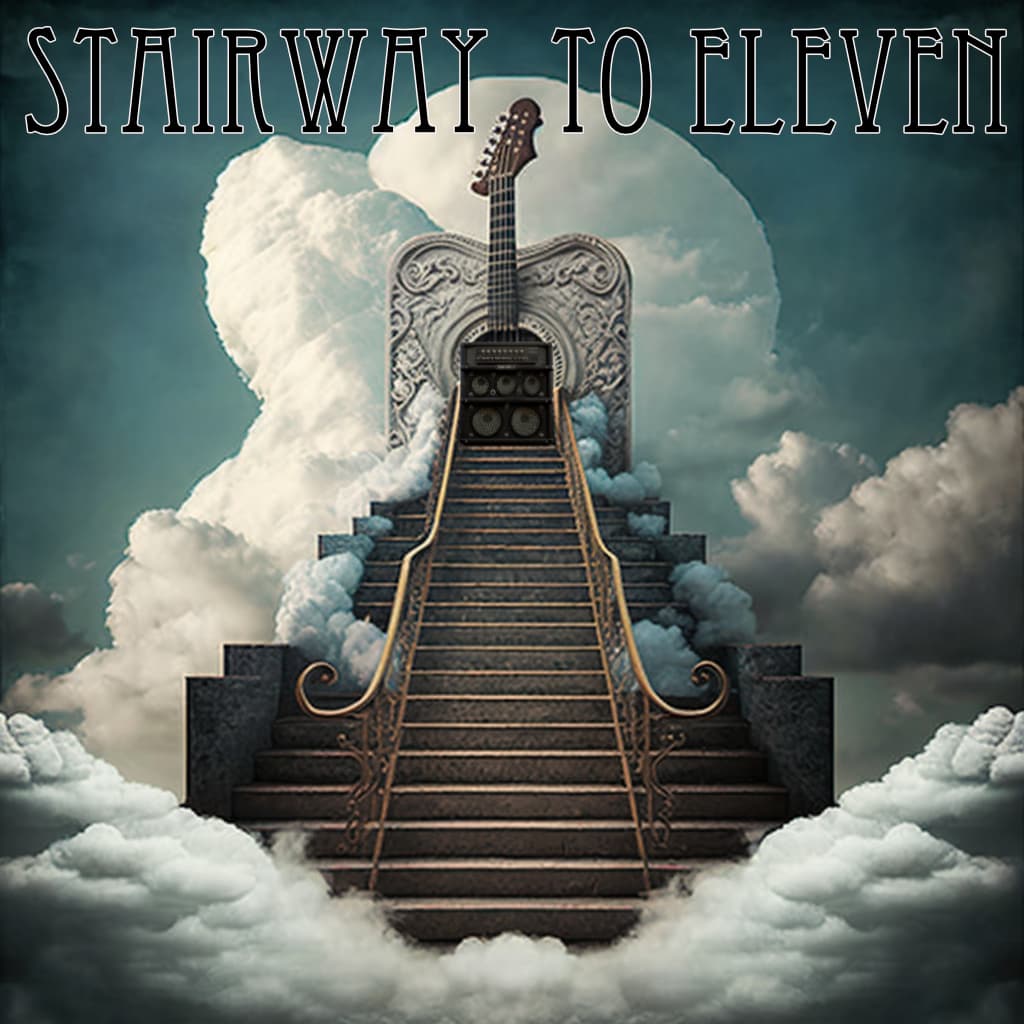
Episode #1Stairway to Eleven Episode #1 - Led Zeppelin & Spinal Tap
May 18, 2023 ◷ 1:53:50
Introducing the electrifying new rock music podcast, "Stairway to Eleven"! Prepare to crank up the volume as George and John, two of the crew behind the Metalheads Podcast, team up with their trusty companion TR (aka The Metalheads Butler) to deliver a fresh dose of rock 'n' roll goodness straight to your ear holes. With their knowledge of the genre and infectious enthusiasm, these rock aficionados are set to take you on a thrilling journey through the depths of the music that defined generations. Brace yourself for epic deep dives into iconic albums, and passionate discussions on all things rock. Get ready to rock out as "Stairway to Eleven" drops its highly anticipated first episode, promising an unforgettable audio experience that will leave you craving more.
1Albums Mentioned in This Episode
View Albums
Albums Mentioned in This Episode
View AlbumsOur AI is a real Trooper (Up the Irons!) but it still doesn't get everything right. So please excuse any missing or incorrect items.
#ArtworkArtistAlbumYou Must Listen
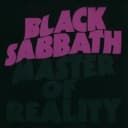
Black SabbathMaster of Reality

 David BowieHunky Dory
 Jethro TullAqualung
 Led ZeppelinCoda
 Led ZeppelinHouses of the Holy
 Led ZeppelinIn Through the Out Door
 Led ZeppelinLed Zeppelin
 Led ZeppelinLed Zeppelin II
 Led ZeppelinLed Zeppelin III
 Led ZeppelinLed Zeppelin IV
 Led ZeppelinPhysical Graffiti
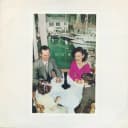 Led ZeppelinPresence
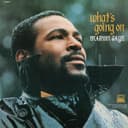 Marvin GayeWhat's Going On
 Pink FloydMeddle
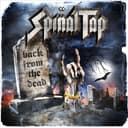 Spinal TapBack From the Dead

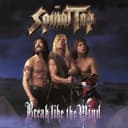 Spinal TapBreak Like the Wind
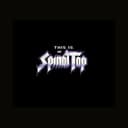 Spinal TapThis Is Spinal Tap
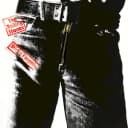 The Rolling StonesSticky Fingers
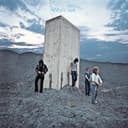 The WhoWho's Next
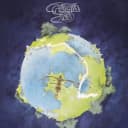 YesFragile
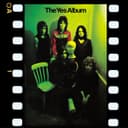 YesThe Yes Album
Spotify Playlist
● Open SpotifyA bug in Safari prevents playing full songs, please use Chrome.
Transcript
View TranscriptDownload Transcript ⇩
Transcript
View TranscriptDownload Transcript ⇩ⓘ This transcript may contain errors. Please don’t quote it in your yearbook.
There's a podcast that's sure all that rocks hard is gold. And they're climbing the stairway to 11. When they get there they know the record stores are all closed. But online they can get what they came for.
And they're streaming the Stairway to 11
Hello and welcome to the premiere episode of Stairway to 11. My name is George.
This is John. And this is TR.
Some of you may know John and I from the Metalheads podcast.
Even TR made the occasional appearance as the Metalheads butler.
While fans of metal, we also have a great fondness for rock music in general. And for several years now, John and I have been talking about spinning off this podcast to cover music that doesn't really fit on the Metal Heads podcast. To me, every time I think about the beginning of this, I think of us in Baltimore at MDF eating breakfast in a hotel. Do you remember that morning? Oh, yes, I do. And we were throwing around ideas and it's been a while.
I try to remember which MDF that was. Is that the indoor one, I think? Yeah, it was. That was in Baltimore with Ram's Head and the soundstage. I can't remember. It was probably the Thursday night into Friday morning because I left early on that Sunday. Yeah, that was. And so that was like 2018. So this thing's been knocking around for five years in our head, waiting to come out. But it's finally here. And our good friend TR, a wealth of knowledge as well.
is going to be joining us. So get ready. So this is the first episode of Stairway to 11. Now you might be thinking to yourself, hey George, what's with the name? I like to think that Stairway to 11 is a fairly obvious mashup of two great pieces of rock history. Led Zeppelin's classic song Stairway to Heaven and that famous scene from the greatest rockumentary film ever, Spinal Tap. You know the scene. This one goes to 11.
Smoosh those two things together and you've got Stairway to 11.
I like it.
Yes.
It's a little bit irreverent, a little bit irrelevant.
It's all of those things.
And you've transcended that fine line between stupid and clever.
And one thing I want to mention before we get started is I want to shout out,
Thanks to Jay Stevens, who recorded the parody intro of Stairway to Heaven that you just heard at the beginning of this podcast. I planted my tongue firmly in cheek and rewrote the words just a little bit to make it a sort of a modern day homage. He cranked out that music in no time flat and recorded it. Thank you very much, Jay Stevens. Well done, sir. Excellent. All right. Moving on to the theme of this podcast. What are we going to do? If you know the Metalheads podcast,
you know that we can go for hours and hours and it's just crazy revelry and we're just getting a t-shirt and beer check yeah so this is going to be a little more focused hopefully no promises on that note thank you very much we're out of here our plans for each episode moving forward after this one is for each of the hosts to pick a rock album and this is anything from Elvis to the Stones ZZ Top Jack White the cars
or Steely Dan, I don't know, whatever. Anything that even remotely comes into the territory of rock music is available. So we're talking about fewer boundaries and more inclusive music that we can talk about here, which is part of the idea. Classic rock, prog rock, punk rock, new wave, alternative. It's all fair game. Classics, classic oldies stuff, whatever. Yeah, we don't get a chance to talk about it that much on the Metalhead.
podcast.
And then we do, you know, fairness to our co-hosts.
They're like, all right, enough of the Jeff Beck talk.
And I understand it.
I get it.
Yeah.
So this allows us to scratch that itch and cater to a different audience that might be able to appreciate the finer details of rock music that are perhaps lost to the death metal crowd.
What we'll do is each episode, each of us is going to pick an album that we want to talk about, try and limit ourselves to like 20, 30 minutes a piece. So we're looking like an hour, hour and a half. If we can fall within that range, it will be a miracle because we've had some pretty long episodes on the other podcast. And we're going to be passionate about these albums too. Exactly. Let's just follow Mike and the mechanics. All we need is a miracle. All we need is a miracle. What we'll do is we'll give you some background on the albums and like any personal stories of our
our own that might tie in with the history or just, you know, how we came to know about the album. And then talk about some of the songs and just talk about rock music. Works for me, right? Yeah. The idea that was, who said it? Was it Lester Bangs? I can't remember who said rock was dead in what, 72 or 73. At some point, they really deemed it dead, but it does feel like it is at least not even underground, like under the covers, under the ground almost. And there's not enough. Deep underground.
Yeah, deep. Yeah, and I tend to think of rock as now at least coughing and wheezing and using a walker because there's just not many people doing it. But that's very generalizing of me, and I know that is absolutely wrong. And so that's another thing that I'd like to bring to this is that there is good rock music still being made. It's just not highlighted in the media. Like you said, it's like underground again because everybody's listening.
to hip hop and pop and country and whatever. Yeah. It's, and I, and a lot of these albums we'll talk about are pretty well known. I think a lot of people know them, but maybe our perspective on them, at least from George and I coming from the metal world, we'll give our reasons why we liked them, but then TR is not in the metal world. So we get a different perspective on why he likes these albums. And I didn't start out as a metal head. I was a hard rock fan right from the very beginning. So that's where my roots are. So it's,
It's fun to talk about it. Even though people have heard these albums, hey, so what? Maybe some people who haven't listened to them will check us out. We'll drag some of our cohorts from the other side over to listen. Yeah, maybe you have already, this episode here, at least one of those albums is going to be known to just about anybody who listens to rock music. Love it or hate it, you know it. Yeah. And so maybe you're like, ah, whatever. Maybe you'll hear something new about it or just find one of our stories.
about it interesting and maybe the next episode will have something that you've never heard of before and you find something that you like this is the first episode so anything can happen we may pivot who knows this is quite fluid yes like i said moving forward each episode we're planning on each of us bringing an album to the table however for this premiere grand opening episode we thought it proper to use the two albums that make
up the name of the podcast. Stairway to 11. So we're going to be starting with Led Zeppelin 4 and then we're going to move on to This is Spinal Tap. All right. Shall we get to it? Launch away. All right. So the first album, Led Zeppelin 4. Never heard of it. Never heard of it. What? Who's Led Zeppelin? Who? So Led Zeppelin 4, kids, was released on November 8th, 1971.
As the unofficial name applies, this was Zep's fourth album. It was not named Zeppelin IV. Technically, it was untitled because of part of the blowback from Led Zeppelin III's critical responses, what I read on Wikipedia or whatever. So technically, it was untitled, but the artwork contained four symbols, one to represent each member of the band. Zoso, being the most famous of the symbols, represented Jimmy Page and also happens to be the name of
Our Friend Marcusan's cat. Yeah. So, shout out to Zozo. Meow. Before we go any further, since you mentioned the symbols, does anyone remember where it is on the album? No. In fact, I was trying to figure that out because I was looking at the artwork and I was like, I didn't see it in the front. I didn't see it on the back. I think it's on the sleeve. Yeah, do you remember? Go ahead. Now, at least it's fine.
That and oh is it on the spine of the not on the spine it's the I'm referring to the inside of my
yeah yeah and it was also on the label of the record yeah record I think that's the only place it
originally was but I think it's shown up later in other spots but I think that's the only place it was am I
am I wrong am I right I think it might have been on the sleeve as well because okay they also talk about Sandy Denny having her symbol in there as well which was that's right the three isosceles triangles and so
So it's interesting, and we'll get to this with Spinal Tap too, but the joke about the Spinal Tap album was like there's nothing on the album that's black. Yeah, it's all black. And this album, I think Zeppelin wanted to push the boundaries. Like they were so popular and so huge that they basically said, look, we're not even going to put the name of the band on this record. And you can see what it did. Everybody knew who it was, of course. Like there's nothing on the album, on the outside,
of the album cover that would lead you to believe that Led Zeppelin recorded it. And I think that trend continues for the most part for the rest of their albums, doesn't it? Is House of the Holy have actually a name on it? Or was it one of those banners? Remember how they used to put the banner on the vinyl? And you'd slide it off. It was a thin paper banner, at least on the one I got. But I don't know if it's actually physically on the album. I don't think it's on physical graffiti, right? It is on physical graffiti. Yeah, and Presence has Led Zeppelin.
written on it, but it does. Yeah. Okay. And into the outdoor was a paper bag, but I couldn't remember if the, if they actually stuck the stamp on the album cover originally. I don't know. I think it was a, I don't know. I remember the ones that had the actual stamp with the name of the album and the title, but I don't know if they originally came out like that. I remember it originally came out with a paper bag or some of the, some version of it had paper bags. Yeah. And there were four different covers of it. Yes.
That's the other thing. See? We've already deviated. It's absolutely amazing. I love it. All right, let's get back to Zeppelin 4. Sure. So Zeppelin 4 was the best-selling Zeppelin album of all time, topping 37 million, or John just told me it's now 38 million. Since the podcast started, they've sold another million copies. Probably sold about 5,000 copies since we started talking. That's exactly right. But I think you'll probably find that most diehard Zepp fans wouldn't list this as their favorite. I know nobody here.
would do that. Not even close. Bud. Yeah, probably not. Not even close, but that's an 80s reference for you. Breakfast Club, hello. Yes. Yes. But I'm not dissing the album at all. I'm just. No, it's just that they've got so much good stuff that, you know. Yeah. And I think if you all, I don't know if I'll speak for myself in this case, but I got burned out on this album because I played. Oh, yes.
out of it.
Yes.
Yeah.
In high school and college, I just played this album along with many others incessantly to the point of when we talked about doing this album for this podcast, one of the things that I wanted to try to do.
Was not ground.
Is no, is to approach it with fresh ears.
Yeah.
to approach it objectively and to think about, okay, let me listen to this album again, having not listened to it in quite a while because of the fact that I got burned out on it. And I have to admit that when you don't listen to something over a long period of time, you do gain a new appreciation for the music. And I having, again, you hear this stuff everywhere. It's on the radio, it's on TV commercials,
It's everywhere. And we've heard it all so many times. But if you just really sit down and listen to it, it's a pretty amazing and impressive album. And while I agree with you, George, it's probably not my favorite Led Zeppelin album. And it's a victim of its own success, I think, because it was so popular and we did listen to it a trillion times. And it probably wore out its welcome in a lot of ways just because we listened to it so many times.
When you go back and you listen to it and you think about the first time somebody put it on their turntable and listened to it in 1971, when the heaviest thing that was coming out at that time was like Black Sabbath, Master of Reality or whatever, it's pretty amazing to think. We've become numb to the fact that this stuff at the time, songs like Rock and Roll, songs like Black Dog were pretty heavy.
for the time. And it's really unfortunate that due to the passage of time and all these songs that came after this that have become part of the lexicon of rock have diluted the power and the massiveness of this album. And it's a shame. And that's happened to a lot of bands and it's happened to a lot of albums. Bands that kind of set the standard and then the standard kind of takes place.
And then that original level, that standard, that original standard kind of gets diluted a little bit and it falls a little to the point where it just doesn't have that same level of newness and the same level of impact that it had when it must have. I can't imagine. I was three when this came out. So obviously I don't really have any recollection of hearing this on the radio for the first time. But I have to believe that when this came out,
people were probably pretty astonished.
One of the things that I wanted to find out about this was how old everybody was when this album came out.
And Page, who was the oldest of the band, was 27.
And Jones and Bonham, or no, Bonham and Plant were 23, and Jones was 25.
So these guys were all under 30, and they made this album.
Their fourth album, it's pretty astonishing.
As many times as we've heard all these songs, when you think about these young guys creating this album, it's pretty amazing. Yeah. You kind of touched on something that sparked a memory to me, which was while part of the purpose of this podcast is to tell people about music that maybe they don't know about or things about the music they know that they didn't know they knew. But for us, it's also a change.
to revisit things like you just said to go back and try to have something with fresh ears or at the same time I know plenty of classic rock songs that I've heard on the radio but I only know like one or two songs from a band I don't know the rest of the tracks I don't know the deep tracks and for me this is an opportunity to explore as well as educate so I can go and be like what are the rest of the tracks I don't know the deep tracks and for me this is an opportunity to
on this album sound like. And maybe, you know, maybe they're garbage. Maybe that's why nobody's heard them. But maybe, just maybe, there's some awesome stuff out there that I can learn about. And I feel pretty confident in that because how many albums do you have where there's one or two hit songs, but you love the whole album? Oh, yeah, for sure. Just to put in perspective, to emphasize what George and T.R. have said about this album, I'm going to just read real quick. Some of the other albums that came out in 1970,
I don't know if George you were planning to do this or not. I was not. This is off of Rate Your Music. So this is based on albums ranked for the year of 1971 for rock. Actually all albums. This is everything. So I'm just going to read just a few off. This is what came out in 1971. All right. To put in perspective. The Yes album from Yes, which is regarded as one of their best albums came out in 71. All right. Let's scroll up. Aqua Long from Jethro Tull. Yes. Okay. These are some heavies so far.
It gets heavier. Who's next by the who? Nice. Okay. Oh, yeah. Later in the year, yes, released Fragile. Wow. I was released later in the year, too. Yes, you were. Rolling Stones. Yes, you were. You were unleashed. I escaped, really. You were unleashed to the earth. Yeah, you were unleashed. You were released about nine months prior to that. Sticky Fingers and Rolling Stones. Wow. Pink Floyd's Metal. This is, oh, I haven't even got, now I'm reaching the top five.
Bunky Dory. Nice. Black Sabbath, Master Reality. I'm going to throw this one in just because it's the number two album. Marvin Gaye's What's Going On, that album was huge. Yeah. So the number one album ranked for 1971 on Rate Your Music has 41,000 ratings. Sled Zeppelin, four. So people have that album number one over all those other albums I just mentioned. That's how good 1971 was. Even if you don't like those bands, those bands were huge. Yes. So that's really saying,
something because those albums that you listed, they're all massive. They are. Yeah. They're incredible masterpieces by each of those bands, which were all huge. Yeah. And now mind you, this is rate your music. So this is people rating them. But when you have 40,000 ratings, I think it's safe to say. Yeah. That. And of course, there's an algorithm involved to base the ratings and to come up with the right scoring. But our lives are dictated by algorithms. Yeah. But just to say,
that people put it that high with those albums is and now the funny thing is like marvin gay's album is
actually has a higher rating it's 4.15 but it has 24 000 review ratings whereas it's up that's 41 000
and it's average of 4.09 so right the average weights up higher because it's more ratings and it's also
quite a different genre oh no this is for all this on i just went with everything for the year
Okay. I didn't just go with rock. Just everything. But Marvin Gaye's album, that album is. Oh, yeah. I was about to say, what's going on here? Just one quick thing I'll ask. Where is, before we delve in, I think this is actually important. Where is this album in your discovery of Led Zeppelin? Now, this was my band. Once I started listening to them, nobody topped this band. Going almost through grade school, into high school, and into college,
And it started waning though as I got into junior, senior year of high school. It was waning fast because I was getting into Rush. I was getting into David Bowie. And it was, I was in the US. Let's not forget Van Halen. No, I had a love-hate back then with them. What? David Lee Roth just, uh, he had my- Oh, dude, don't say that. I'm saying it. We'll get, we'll get to another episode. Yes. But Led's Up was my top dog. Oh, dude, yeah. I'm with you there because for a long time it was the same for me. Like I was,
all about Led Zeppelin in all their forms. Because here's a band that is incredibly diverse in the musical output that they did. Just from the acoustic stuff on Zeppelin 3 to some of the more progressive tracks on Presence to the bombast of Zeppelin 1. It's really incredible when you look at the diversity of the music that they put out.
And to go from something like when the levee, even on this album, when the levee breaks to Battle of Evermore, to rock and roll, to going to California, all of the, just the diversity on this album is really impressive. So this was my very first Led's Up and Up. I got it for Christmas. It was at my cousin's house. I'm not kidding you when I tell you this. We played Black Dog, I think 20 times in a row.
Nice. Our parents had to have been hammered because they were just laughing at us and we were dancing like dumb kids. And I was. I find it very impressive that you were able to dance to Black Dog because. Because that's one of the things that I really like about that song is the fact that you almost can't count it out. No, it's actually a tough song to play. It is. Yeah. Because that is the first Zeppelin riff I learned.
Yeah.
One of the only ones I learned.
The drums are at a different time than the guitar.
And that's the funny thing, because
when you start to try to count it out, it doesn't make sense.
It doesn't add up.
And yet the drums, that's the incredible thing about this band.
They made this stuff sound easy.
And when you really listen to it, you start to think about, okay,
are they adding an extra beat here?
What's going on?
what is the time signature of this piece right here? Because it's not immediately apparent because it's very peculiar. It's in the full ESB tempo. But yet when you listen to it and you listen to the drums, because the drums are very, it's smooth. You don't notice anything, but it's really amazing to me. And that's one of the things that I love about this. So one of the things I'm going to do on this podcast is tell
you guys like the things I love about this album and I actually want to hear what you hate about the album I'm sorry I yeah I don't care for that I'm not a hater but that's that was one of the things that I love about this album is the odd timing of black dog it's just it's a peculiar thing and yet no it it became very popular and people were attracted to it but yet it was just it was strange what else is what sounds like that riff
Nothing. Yeah. Okay. So hold that. I want to hear all that. So my first is Zeppelin 4. George, what's your first one? Mine was Zeppelin 4 as well. And I got it on vinyl. Me too. Because I wanted, because this was in the early 80s, so I still had a turntable and the dual cassette deck and all that. And because I wanted to be able to play the record backwards to hear the like My Sweet Satan thing. I did the same thing. Yeah. All right.
Your first one, your first Zeppelin album. You know what? I think what I did was I went through them like chronologically. So I think Zeppelin one was my first Zeppelin album. That was a lot of people's also around our age. So one or four. So my buddy Alex helped me out with this. And at the time, so my buddy Alex has had a brother that was like a few years older than him. So his brother had all this awesome music. The hand-me-downs, man. Yeah, exactly.
We'd go over there and steal his brother's stuff and listen to it. And so when I started getting into this stuff, and I gotta admit, like, I was late to the party on a lot of heavier stuff. I started with real not-so-heavy stuff because I wasn't ready for that. Not-so-heavy. Not-so-heavy. It's a little lighter. And so it was a little lighter, you know? So, no, so I was like, I started with the Beatles and that kind of stuff. And I liked the early Beatles, like 62 to 66, the Red album, that kind of stuff.
You want to know the very first stuff that I listened to? Yeah. I taped theme shows off of the TV with my tape recorder. So I was into Three's Company, Magnum PI, Different Strokes, The Fall Guy. The Magnum tune was awesome, dude. Yeah, so those were the very first things I listened to. And the A-Team? And the A-Team, yeah. Yeah, so those were nice, but TR, come on. We're children of being born in the end.
60s and in the 70s.
Streets of San Francisco.
Yeah, so.
Canon, all those shows.
Yeah, so don't worry.
I made up for it later.
But initially, I was late to the party.
So, yeah, so my buddy Alex helped me.
And he was like, okay, yeah, here, start with Zeppelin 1 and just work your way through.
And so that's what I did.
And I went and got all that stuff and listened to it one after the other.
So I'm pretty sure that Zeppelin 4 came obviously a little later. And back then, what, an album was like $7.99? You had to save up your money to get like your... I remember $5.99, $6.99. I mean, it was crazy. Unless you had a penny and you could go to the Columbia House Record and whatever tape club, which I did several times. Yes. I did some of that later on. But yeah.
So I grew up in Dover, Delaware, and there was a place called the Tape Hut, and there was Sound Odyssey, which was in the Blue Hen Mall. So in the Blue Hen Mall, there was Sound Odyssey, and you would go in there, and they had all kinds of cool vinyl and cassette tapes, and I'd save up my money, and then I'd go in there, and I'd get these albums, and so that was the deal. Yeah, mine was Record Town in the Briarwood Mall in Ann Arbor, Michigan. Nice. Record Town. I was spoiled.
Mine was Rainbow Records and I for it Tower Records. Oh, yeah, they were from California originally, but they spread like wildfire before they disappeared. Yeah, I eventually was a disciple of Tower. Tower was so good. All right. Are we ready? Well, so, you know what? I wanted to say that what made Zeppelin Force such a formidable release other than these mini classic
songs that we've mentioned is the classic of classics. Stairway to Heaven. Oh, yeah. This song is both epic and timeless, but also overplayed to death. And to the point that some guitar shops jokingly post signs banning customers from playing the song. If you don't believe me, just watch Wayne's World for a funny example of the signs. I've actually seen them before, though, in stores. So, yeah, if you start playing, which I can. I do know, like, the part up until,
I don't know the first couple of minutes anyway but yeah you start playing that ain't having it on the one hand it shows what a massive smash hit it was and also that it gets on people's nerves sometimes when they hear it so much but I wanted to mention that my only real anecdotal story for this song or this album even other than the my sweet satan bit was that the stairway to heaven was predictably my class song of the year I graduated high school
It seemed hokey back at the time, but given what 80s music was popular then, I think we did. I think we made that okay with that one. Actually, that's pretty good. Yeah. I think that's, it was the last song at my eighth grade when graduated. I remember the girl I danced with still too. And that was the last song that was played. And I was into it. And I was like, wow, this is a long song. I'm getting a dance with her for this song. Yeah. Well, if you're going to pick a dance partner that you want to be with, seven minutes and 55 seconds is a pretty good long song.
I'm pretty sure I was not her first choice but she was kind enough to stick it out.
Stick it out, yeah.
Anyway.
That's another thing I love about this album is the build of Stairway.
Yes.
It just builds and builds and builds and that was the whole idea, right?
Paige wanted to make a song that starts real quiet and keeps building and then just freaking rocks at the end, just blows up.
And he did it.
It was. The song was popular. And there's a mystery to it. I remember the first time I heard that song, I felt like something secretive was being revealed somehow. Like, you're walking into this thing where elves are doing some sort of secret dance and you're, like, present and you're watching this somehow. And Ozzy's outside the window going, It's that fairy of a bitch and you gotta believe me now. Yeah. So, that's the whole thing.
There's like a mystery to that song. Yeah. That we take for granted now. But when you listen to it, and I have to believe like when they first started putting this together, there had to be like an excitement in what they had unlocked. Because when you listen to this song, you feel as though there are certain songs when you hear them, you feel like it's obvious. Like, how did this not get put out sooner?
There are certain songs like by the Beatles where you're just like, this is so obvious that it's just, it makes sense and you just can't believe nobody figured this out earlier than this. That's Ed Sheeran's problem right now. He lucked out, he doesn't have to quit playing music. There was the other thing I sent to the podcast thing about the Living After Midnight, the riff from that, there was a band, I don't even remember the band, it was only like a week ago that I sent this, but
some band that nobody's ever heard of before or since. They were on some like Top of the Pops thing and they played a song and the riff was straight up exactly Living After Midnight. But it came out like before Living After Midnight. And people are like, uh-huh. Yeah. Yeah. The rest of the song's not close, but that riff is pretty close. Dun-dun. Dun-dun-dun-dun. Dun-dun-dun.
There are, without going off the rails too much, slight differences, not to the point of being exaggerating. Vanilla Ice, too, and he said, no, mine's different. It's sampled entirely, but different. Yeah, with an extra beat. I've got an extra duh in there. It's close, but it's a little, there's just a slight bit of separation. And then the song obviously is not the same after that, but I was like, wow. But how is that?
never been a lawsuit that we've heard of because you would think somebody at some point so who knows maybe there was we just didn't hear about it anyway yeah stairway is interesting because taken scientifically looking at this song it's eight minutes long it's not like verse course verse chorus it's not what you would expect for radio father yet it's this huge massive hit yeah like for the longest time on fm radio and i want to say
over 20 years, maybe even longer. I guess it would become then classic rock radio at that point when FM rebranded the style of music. It was the number one song every single year. And that's not just in one locality. I think that was on a lot of radio stations in all major markets. It always ended up being the number one song requested every year on these kind of FM, now we call them classic rock stations. Back then they were just FM rock. That's all they were called.
So they had something special. Yeah, it's a tad bit. Yeah. I want to just go through some of the tracks. We've pretty much mentioned them all. Black Dog, Killer Riff, about a dog that wandered into the studio. Rock and Roll, another classic. Broke my heart when it became a car commercial. What was that, like Lincoln probably? I think it was Lincoln. I don't know. But you know what? Here's another thing I love about this album. The propulsion of rock and roll.
That song has propulsion. Yeah. And I think that's one of the things about that song that when you hear it, it's okay, here we go. Boom. It's on. You know, it's like, you know, and it's just pow, like it goes. And I think the funny thing about this is like, this is just like blues with like rocket fuel. It's basically Chuck Berry and it screams of that late 50s.
rock-style rockabilly sound.
But with distortion and just extra oomph.
But the whole back end of it, the bass and drums, when you hear it with the guitar, it sounds like you're listening to an amped-up song from the late 50s.
It's really their homage to that.
That's the progression of music in general.
It started off with a 12-bar blues thing, and then everybody did that, and then somebody changes a little and speeds it up.
And eventually you've got the Ramones taking the Beach Boys and playing them really fast. And they invented puck rock with the Beach Boys. TR, you mentioned something when you said, all right, let's go. If anyone's familiar with the album, the song remains the same. When the show starts at Madison Square Garden, if you listen very carefully, you could turn it up or get your headphones on. Somebody on stage yells out, all right, let's go. And John Bonham starts with the drums. It's actually really funny you should say that.
because that's actually how the live album starts when you listen.
Yeah.
Nice.
Then we've got the Battle of Evermore, which in itself is a great song.
If you haven't heard it, you should listen to the heart version as well.
Yeah, I would agree.
Or at least the Wilson sisters.
Anyway, I don't know if it was actually heart.
What do they call them?
Love mongers or something like that?
Yeah.
Yeah.
Yeah.
But yeah, so one of my, so this is another thing I love about the song.
The haunting vocal harmonies on Battle of Evermore. Just the harmonies, the dissonance, and just the way that they made the harmonies on that song are haunting and chilling at the same time. And it still gives me goosebumps when I hear that song and I listen closely to the harmonies on that song. I can't imagine being in the studio when they put that down because it had to have just been
like chilling when they did that and that's i love the fact that they're using
mandolins just it's really it's an unexpected song from this group to do something
like this not so much given the fact that they just did zeppelin three and they did a lot of acoustic type
stuff on that album this is not a surprise i guess given that but given you come out of black dog and
and then bam you hit battle of evermore and you're like doing like this acoustic mandolin song with these heavy duty like haunting vocals it's it's pretty amazing and yes the heart version is awesome i'm gonna i'm gonna take it back further tiara actually i think i've read that they were trying to do the crosby stills and nash young thing on led something three but i think this was in the band before that you go back to the first album
Black Mountain Slide, he already is doing that with this, that kind of dark, acoustic, folky thing. It's a little bluesier, but it's there. And it starts creeping in a little bit on Ramble On, just a tiny bit. And then, yeah, you're right. They hone it on three. But to me, I agree. It's dark. It's foreboding. And it's by mistake. Because Jimmy Page had never played a mandolin before. He picked up John Paul Jones' mandolin in the studio and just started playing.
And then this song gets written. And you're right. The duet between Robert Plant and Sandy Denny from Fairpoint Convention is just, it's unreal. You don't notice her singing until you really hyper-focus on the song. I don't know about you guys. I want to mention this because we've moved past Black Dog, but I do want to say this. To me, it's the greatest a cappella intro to a hard rock album.
Robert Plant. Hey, Mama. It's recognizable. That's true. But while he was already honing his craft on the first three albums, to me, this is a song where he said, hey, everybody, I'm fucking here. I'm the best hard rock singer in the world. Yes. And you could suck it because I'll never be able to do it. I could hit the balls to come out. Oh, yeah. On the very first song. And it's the whole song. Yeah, exactly.
I wanted to make sure I got that in. No, you know what? So here's something that like when I think back to being a kid in the 70s and I think about like vocalists at that time, there were I don't recall very many vocalists that were in the stratosphere like Robert Plant was on this album and even earlier albums as well. But just when you listen to this album,
And you, what to me was like kind of caterwalling at the time, like when I was a little kid, I just thought I'd never heard a man sing like this. I just, I'm thinking back to my earliest recollections of what Led Zeppelin, like being a little kid and hearing this on the radio and being like, like a really young child and hearing like, this is a man singing like his voice, like the highest possible register.
that you could think about.
And just like thinking to myself, nobody sang like this.
Other than maybe like an Aerosmith was like years away yet.
I mean, you're not even going to get to dream on until what, 75?
73?
74?
73.
Okay, yeah.
But think about like early 70s.
Who else was doing high falsetto register other than John Anderson, who was like in yes,
who was not singing, like really blasting it, right? He was more of a kind of a lighter singer. Yeah, like a hippie singer compared to like hard. I'm just wailing, right? I'm just like wailing. I can think of one guy and his voice was not at that high register, but he had the same power. This was pretty much Roger Daltrey's prime. But he didn't have the high register. No. But he had the power. There's no doubt he could compete on that level.
And I thought of that because I'm thinking he's outstanding on who's next. Some of his screams on that you're like whoa. Yeah oh yeah the screams are there. But he just his register is different that's all. Yes exactly and so when you think about what was coming out at this time nobody there was nobody that I can recall that was singing in a register like Robert Plant was. Until Whitesnake came along. No you just meant thank you for mentioning that.
Ian Gillen would be another one. Yes, that's right. Oh, yeah. He was more of a shrieker, right? Like, he didn't sing, like, too much in that register, but he would shriek in that register. But he could get up there. Yeah, he definitely could. But he couldn't hold it. Yes. That's all I could think of. Yeah. Certainly not Ian Anderson from Jethro Tuller. No, no. Or the guys from Pink Floyd. None of those guys. No, yeah. That wasn't happening. And certainly not Black Sabbath. They weren't shrieking around. Yeah. We forget about that because we've lived through everything that came after this.
and roses and everybody else it's now it's de rigueur like for rock bands to have some shrieking high dude but at the time nobody was doing this and i think that's it's another element that we forget when we think about like when we talk about these bands we've heard all this stuff so many times and they set the standard and we forget nobody was doing this at that time and it's really a shame that like it became
that when we look back on it, we forget they were some of the first people to do this. Yeah, even Dio, when he finally hooked up with Rainbow, was a much lower register. Freddie Mercury at some point in the 70s would start to hit a range that would... I mean, he stayed in the same range. He just was the best in that range ever for rock. But anyway. So, George, are we going to do Stairway to Heaven?
more? Nah, we already talked about that, so I'm going to move on to Misty Mountain Hop, which to me is probably my second favorite riff on the album, and this was John Paul Jones's piano riff. It's a pervasive earworm that gets stuck in your head, and then Plant took us to Mordor. They're dipping to psychedelia a little bit with The Rock, because when you listen to it with the lyrics, you're kind of like, this is not what they've been doing already. They've been doing the blues thing, and now they're venturing a little bit more.
Yeah, like a medieval kind of hobbit. Yeah, they get credit for one of the bands that started hobbit rock. Yeah, exactly. That's like a lot of the there's a fair amount of this album that lives in that world. Yeah, for any of you metalheads who hate folk rock or folk metal. Now you know where it came from. Yeah. So then we have four sticks, which to me is my least favorite track on the album. Yeah, I'm with you there. You're both.
So wrong. I like the I like the bottom drum stuff, but it doesn't have it doesn't have the hooks to me. While everything on this album is great. And I'm not saying it's a bad song. I'm saying of the eight tracks, this is my least favorite. Yeah, the epic feel like alarm is sounding right now. I will say I really like the middle section where there's like the like right before the solo.
really cool section there that i really like but a lot of this is i don't know it's
annoying it's okay that's the whole point it's almost this is almost rocking opposition a little bit
tr this has a little bit of a rio vibe to it because this there's it's a reverse song they avoided the
hooks to do this and by the way he plays the song with four sticks in his hands yeah that's the beauty of it
we all have our favorites don't worry sure i'm mentioning my least favorite coming up yeah
All right, next is Going to California. Is that your least favorite? Oh, God, yes. Really? I like it. So I do like it. And I kind of wonder, it's interesting because, again, I wonder if songs like Battle of Evermore and Going to California would have even existed if they haven't done Zeppelin 3. Because you've got these acoustic songs that pretty much didn't exist.
prior to Zeppelin 3. Zeppelin 1 and 2 were pretty heavy and they're pretty consistently rock and heavy. Zeppelin 3 comes along and you get all this acoustic stuff that people were like, what the heck is this? Then you get Zeppelin 4, which ends up being a combination or a mixing of, okay, you've got these ingredients from Zeppelin 3 that are acoustic and then you've got Zeppelin 4 where, okay, let's bring in some of that acoustic.
stuff. And we can let that live and breathe alongside of rock and roll, which is this heavy, propulsive thing. And then boom, Battle of Evermore. You got this four sticks, bam, and then you've got Going to California, which is like this acoustic-y, chilled out thing, which I don't know that they would have done prior to Zeppelin 3. They were capable of it, obviously, but I don't know if they accepted the concept of,
having that level of diversity in their music. And by this point in time, they have accepted the idea that like, yes, we can rock out and do this rock and roll thing, but we can also have these acoustic numbers that are, have some impact and some heaviness to them, but also like they're chilled out and also bring like this other dimension and this other texture to the album.
I actually think they would have. John Paul Jones, who doesn't get enough credit for being a writer in the band, because everything says Page and Plant, but he's been involved in a lot of their stuff, and he gets more writing credits as time goes on. But he was their keyboard piano player. He played their mandolins, acoustic guitars, and that was all his stuff that he was doing already. And so I think his influence, I think, is, let's be honest, the reason Jimmy Page plays a mandolin on the album for the first time is because they were
John Paul Jones' Mandolines. So I think at some point it shows up. Maybe it doesn't show up to the magnitude that it did on Led Zeppelin 3. They don't do it. But this idea that they wanted to be like Crosby, Stills, and Nash Young just proves that all bands were looking to do something to catch a wider audience. I think they would have at some point to what degree. Who knows? But I think John Paul Jones' influence is greatly understated in the band. Significantly understated. I think everyone just saw its page of plant.
The most important guy in the band was John Paul Jones. I don't care what anybody says. Yeah, he's the only one that kept everything going when everything going into the outdoor happened. I mean, that album probably wouldn't have come out if he hadn't been there. Probably should just really be his solo albums, to be honest with you. Anyway, so you guys like this album? Yeah. To me, it's their pop song on the album. I don't have a problem with that. Yeah, I like it. The subject matter is lame to me. Oh, we're going to California to look for a girl. I was like, oh, boy, I've heard that story before.
It's what music is about. Yeah, it's gotta be about the babes, dude. It's what it's all about. That's why the first guy picked up a guitar and said, girls like guitar. Me play. But then you watch the movie Almost Famous and it just tweaks it a little bit for you. So anyway. All right. So the last song on the album, When the Levee Breaks. Now, I'm going to say this is my second least favorite song on the album. But hey.
But the point here is that I really like the song. The point is that the other six songs are so freaking awesome that when the Levy Brick, it's such a cool, I'm not dissing it at all. Okay. It's such a cool, like bluesy kind of thing. It's a great song. I love the song, but it's not Black Dog. It's not Stairway. It's not Battle of Evermore. So just chill. Yeah, no, it's cool. But you know what? This is another one of the things that I love about this album.
The Massive Sound of the Drums on Levy. Actually, the whole album is drums. True, but it's really apparent on the opening drum riff on this song. Do you guys know the reason why? Yeah, because they were at Headley Grange and they hung the microphones from a story up in the middle of the stairwell. Then he played out in the lobby. He wasn't actually in with them. He played in the lobby. That's why it has that big, huge boom when it starts.
It's incredible. And they've said like this riff has been sampled so many times and for good reason. Just the recording of this riff, this drum riff is so huge. And just when you hear it, it's just, I don't know. To me, it's one of the high points of this album is the recording of this drum riff that just sounds so huge. Like you just get punched in the head when you listen to this. I just, I feel like that's one of the,
one of the great elements of this album. And there are a lot of great things about this album. But that's even that's like that that ride that to me. That's like some of the cream that rises to the top for me. It's the first hip hop beat. We'll get the cream next episode. All right. Yeah. Yeah. I'm with you on this one. I don't know if this is my favorite song on the album, but it's close. It's a cover for a rearrangement of a cover. Yes. So it's not a traditionally arranged type song, which you can get away with without having to. Right.
But they do they eventually do credit the yes Memphis mini and Kansas Joe McCoy from 1929. But they it's a blues song that's been hard rocked out hard. I'm transitioning us into the next album hard rocked out and it explodes. You're right. And they do some really cool kind of guitar effects on this and his vocals. They do some really cool. Oh, yeah. There's all kinds of backwards guitar stuff.
It's almost like the Stephen telephone thing is going on a little bit here. Stephen, listen how he uses the telephone. And something we haven't even mentioned, Robert Plant's harmonica playing is actually pretty good on this. Yes. Yeah, I'm glad you brought that up because it is. He was like, his harmonica playing throughout was really impressive. Yeah. Now, I'm going to ask this question to George. Uh-oh. Because, George, you will appreciate me asking this question. It is amazing.
on this album.
And it goes back to the first album,
to this album.
So 69,
70,
71,
four albums in three years.
I don't know many bands,
maybe the who possibly that sounded better production wise,
big bands like this.
Cause Les Up and Three is a little off compared to the other three albums
production wise.
But Jimmy Page is producing all these albums and they sound big.
You can actually hear the drums on these albums.
I bitch about 70s albums where the drummer basically,
is in like a grave buried six feet under. You can barely hear the drums because they mix them down so low. Yeah. And everybody in this band, you can hear them. Nobody puts Bonham in the corner. Yeah. Bonham's putting everybody in the corner. That's right. So I'm curious what you think about the production on this album. Because I, and the remastered version is even better, which is hard to believe. I have no. The ones that came out, the double disc, double disc things that came out eventually.
on these. Yeah, I got the final ones. Oh, I bet that sounds awesome. But no, I got no beef with the production. Got no beef. I was going to say, geez, this album just, it pops across the board. Yeah, no, it's great. No complaints whatsoever. It's never even crossed my mind with this album that I would complain about the production. That's what I wanted to hear. Because there's a lot of shitty sounding albums in the 70s. Some really bad sounding albums that are great albums, but you're just like, oh.
Really? Yeah, and I'm known for being a bit of a production snob on the other podcast, so that's why John is asking me that. Yeah, I'll say actually the one song that to me that sounds different than the whole album is rock and roll for me sounds slightly different production wise than the rest of the album. I don't know why I'm wondering if it's because of the style of music they're playing. It sounds just slightly different now live. It doesn't sound any different when they play it live. Everything obviously because you're playing live, but they don't change it up to sound like the album. They stick to the sound of what
They're playing live, which some bands go to painstaking efforts to change their sound every song live. That's the only one that to me sounds slightly different. I think it's just because it's got that traditional rock and roll vibe to it. The acoustic songs, I think, sound amazing. Yeah. Don't be wrong, I don't dislike going to California. It's my least favorite, but it still sounds amazing on the album. Yeah, definitely. All right, so I have two more questions to ask. All right. What's your favorite track on the album?
You go first, TR. Oh, thanks. New guy goes first. Yeah. I don't know. You know what? It really depends on the mood, right? Because there are times when Battle of Evermore is, that's a pretty freaking cool song. Yeah, I think I'd have to go with Battle of Evermore on that. All right. John? This is going to be the coolest day of your life.
Battle of Evermore.
Oh, yes.
It's just, you could hear them playing that song, the acoustic.
You could actually hear them playing that with electric guitars if they wanted to.
It would still be cool both ways.
I'd love to go for the hat trick, but, you know, I just cannot do Stairway just because even if it is something that I've heard so many times that it's annoying, every time it comes on, I turn it up.
Yeah.
And I can't just listen to part of it because I got to get to the heavy part.
Yeah. Right. So, you know, the second half of that song is some of the best stuff they've ever done. No doubt about that. Yeah. And the solo is ridiculous. Now I will say this. Yeah. Has anyone heard what Jimmy Page says and what Rubber Plant has said is the actual real sound of Led Zeppelin? This conversation, because Stairway always comes up and they both are like, no, yeah, it's not. That's not what they think of as Zeppelin, which surprised me when I heard that. To them, it's cashmere.
Yeah. Interesting. Yeah. So just throw it out because those are probably two of their, you know, what, top five, six songs. Oh, yeah. For sure. Big time. So anyway. All right. So we have two acoustic songs, acoustic and hard rock as our favorites off the album. That's interesting. I like it. Yeah. All right. So then, John, do we want to say where does it fall in their catalog? Oh, OK. OK. Was that the second question?
That was the second question. Okay, very good. All right. Thank you. This is a John question. I find this a hard question, so I'm not happy to answer it, and I'm going to be as vague. All right. I'll go first then, since I made Tiara go first. It's not my favorite. My favorite's physical graffiti. Likewise. And that's not even remotely close, which is funny because three songs off of physical graffiti were recorded during these sessions. Right. But two of them I can't stand, which is really funny. What was that? Boogie with Stu or whatever? Boogie with Stu.
I'm by the seaside. I'm just like, ugh. I don't know, but down by the seaside's not bad. It's okay. But Night Flight is also recorded during this session. Okay. And I like that song. Yeah, it's a cool tune. Yeah. I had to be fair about this. To be fair. See, I love Led Zeppelin III also. That's, I think, my second favorite by them. I'm going to put it... Fuck. I love presents also. Yeah. That's my number one. So...
Those are actually my top three. Believe it or not. People are like, what? Not one, two, and four? I would say four would come in. It would battle with one for that four spot. I do lead up on one a lot. Yeah. Interesting how far down the list lead up for two is. It's good, but it ain't that good. And part of it, too, is like what I said, you get burned out on stuff.
And I think that's why, like for me, like Presence is my favorite album. Then maybe Physical Graffiti. And then if they hadn't, if they hadn't put hats off to Roy Harper on Zeppelin 3, I'd probably like it a lot more, but I can't stand that song. Had they, this is, T.R. and I have talked about this a thousand times. Had they taken that song off and put, hey, what can I do as the closing song? Oh, dude. It would be my favorite Zeppelin.
Yes. Actually, that is not even close. Yeah. It's off to Roy Harper is so bad. It's just, I can't understand who let them put that on there. Like just, but so yeah. So Zeppelin four, it's like maybe fourth or fifth. I don't know. Somewhere in there. Like somewhere. Yeah. Just not as good as all the songs are. Like, I don't know. I just prefer, I think again, the whole burnout thing has an
impact on this. And then you've got, I don't know, I think a lot of the reason, so not everything on physical graffiti is totally awesome, right? There's a lot of good stuff. Like the majority, it's 80% really great. And then a couple of songs that is, eh, okay. See, I only have two that I don't like off that album for being a double album. So I'm like probably 90 some percent, but yeah, it's still 80% on the double album is pretty damn good. Yeah, exactly. Right.
Anyway.
All right.
I'm not going to get specific.
I'm going to just put it somewhere around the middle.
Yeah, I think that's fair.
We all put Led Zeppelin 4 in our number 4 spot.
Yes.
Or at least, yeah, somewhere in there.
Yeah.
Physical Graffiti is my favorite one.
I like the first three albums.
I really like Houses of the Holy.
And I like four.
We're talking about fractions.
What I meant to say was Coda is my favorite.
The expanded version is much better. Yeah. I'll go with you there. Put it way more in context. Yes. Yes. Way more. All right. Any last words before we move on to Spinal Tap? So two things. If you've never heard the album before, give it a listen, whether you like the band or not, to see what we're talking about. If you're coming from the Metal Heads podcast, you don't know it, here you can hear why, as Metal Heads, we like this album so much.
as deep of a metalhead as us. He does like metal and we all gravitate to those songs because they have a root in early proto-metal. And if you've heard this album a million times, you should check it out again anyway to see if you can hear something different. That's all I'll say. It is where it is in the lexicon of greats because it is a great album. Yep. Yeah. Alrighty. Agreed. All right. Before we continue, I want to put a disclaimer out there.
Because all these albums we're going to talk about, depending on how many we talk about at some point, have been listened to and have been talked about ad nauseum. I mean, we're nothing new to the game here. I can get, at least from my perspective, I am far from an expert on these albums. These are all my own personal opinions. So if I botch anything up and anyone who listens, by all means, you can send a message and say, hey, dude. You're an idiot. Yeah, this is not what happened. That's fine.
I was there man yeah which is funny because actually we would have been there most
these people are going to be saying so have weren't there but nonetheless I just feel like I need to say
that there's we all opinions of the Stereoism Podcast are their own and should not be blah blah blah blah blah
so the key word is here everything is subjective not objective so anyone don't don't take us as take us
with a grain of salt and a side of a beer. So that makes no sense, but it's not supposed to make sense because of what we're going to talk about next. Hey, we can be both genius masters of the art and complete idiots at the same time. It's a fine line. Between stupid and clever. Exactly. And we're going to delve into stupid and clever right now. Yes. So this is Spinal Tap.
So the next album we're going to talk about is actually the soundtrack to This Is Spinal Tap, which was released in March of 1984. It was the soundtrack to the film This Is Spinal Tap, which is a mock documentary of a fictional band called Spinal Tap, England's Loudest Band.
And it was a mock documentary that was Rob Reiner's directorial debut. It featured comedians Michael McKean, Christopher Guest, and Harry Shearer in the lead roles of David St. Hubbins, Nigel Tufnell, and Derek Smalls of the band Spinal Tap. These comedians also happened to be musicians.
They wrote all the music. They played all their instruments. And I think that's one of the things that really sets this movie apart because they weren't faking it, right? And they sing, too. They all sing. Yeah, oh, yeah. They're true musicians. And so I had a little trouble, like, thinking about this in terms of, like, just an album. We're talking about this as an album, but it's really the soundtrack to the film. And so what I would recommend,
for anybody that has not seen this film is you really need to watch the film to get a greater even greater appreciation for the actual soundtrack now in the film the this band spinal tap is that it's a the idea is that they're going to follow this band on their 1982 smell the glove tour which is the smell the glove is their latest album they're a heavy metal band from 1982
So you got to think about heavy metal in that time, which was you think about Judas Priest, you think about like bands like that, that that mold. Not that they're at all like, I guess, UFO or Rainbow. They remind me of Saxon a lot. So you've got this band that's going on tour. And this documentary is supposed to capture that tour of them going out in the on the United States tour to promote their album. And one of the best
things about this movie. So there are a lot of things I love about this movie.
And one of them is the fact that like all of the actors and all of the people that were associated with this film developed a an entire backstory for this band.
This is a fictional band, but they fought long and hard about where this band has been, what they did, how they came together, the relationship of each of the members of the band.
And all of those things was thought out before they even started filming. And one of the great things, this is completely satirical, right? Like they have decided to try to nail this genre down and they've done it impeccably. If you think about bands at this time, we all, like when we watch this film and we listen to this music, we think about, we all know bands like this, right? And for people of our age, like this was especially poignant.
to, I think, our generation because it captures a time. It captures a moment in time for this kind of rock band and this kind of heavy metal at the time band. This is like when heavy metal wasn't quite like what it became, right? It was just like the earliest beginnings of heavy metal and like the, there's a lot of tongue in cheek here. It's very close to reality. You watch this film and you think, wow, this is, yeah, this is hitting pretty close to home.
and many bands that have watched this film have felt like this is about us and one of the things that that has been said about this film is rob reiner watched like judas priest as like a model for this band and i think it's very interesting that this album was released in march of 1984 and has a song called heavy duty on it uh-huh it's also a priest's defenders defenders of the face which faith which was released in
January of 84, just two months prior.
And they had a song called Heavy Duty.
Coincidence?
Perhaps.
It's just, it's uncanny, right?
But one of the things that, if you're listening to this album without looking at the film,
one of the things that you have to keep in mind is there are a few songs on this album
that represent an earlier period of time for this band.
So during the film, they have flashbacks to the earlier period of this band.
So you got to remember this film takes place in 1982. It was released in 84, was filmed in the 82 timeframe. And so the concept as they're doing this documentary is there's flashbacks to earlier periods of time of this fictional band. And as they show the earlier periods of this band, which like essentially an early sixties element of this band where they have footage that replicates what you might've seen.
for some band showing up on the Ed Sullivan show or one of those early TV shows. And they nail it. It's in black and white in the film. They're wearing the style of clothing of that time. The guitars and everything that you see in the film is completely indicative of that time period that they're trying to mimic. And there's a lot of bands that transcended that 60s, 70s, 80s era.
70s and then in the 80s much like Spinal Tap we're starting to struggle with
relevance and to me the first thing that I thought of was Deep Purple and how like hush now that you
know exactly it's like that was like they're like 60s pre-heavy metal stuff and then Ian Gillen and right and so when you listen to this album you're going to hear songs like Cups and Cakes give me some money listen to the flower people these are all elements of their earlier periods so as you
you listen to this album you're going to hear this and you're going to be like okay
this doesn't really sound like the rest of the album which is more like a hard rock type of sound
which is more they're proto metal right exactly and it's the rest of the songs i guess you can
imply or infer that they would have come off of like their smell the glove album or there's also
their so the cool thing is if you go and get the vinyl of this album and you get the gatefold
of all the albums that this band put out. And one of them is Rock and Roll Creation, which is one of the songs on this album. And they have some really great album covers. The art from these album covers is really terrific because it really, it's clear that people that made this, they did their homework or they were fans because it's clear that they understood the elements of rock and the elements of rock.
The Elements of what was popular about these bands and what people loved about these bands. And they honed in on that and they distilled it. And that's what I think is so great about this film. Because while they do make fun of this band and all these kind of really bad things happen to this band, it's done in the most loving way. And the characters are dim-witted, but they're lovable, you know? And you want them to succeed, even though they're kind of dopes.
But they're passionate about what they do. They love what they're doing. They're rock and roll. And they're out there trying to rock out. And anyway, just wanted to get across like this documentary kind of format enables them to nail these different early levels of the genre, like where they're playing early stuff like Cups and Cakes and Give Me Some Money, which kind of like when you listen to Give Me Some Money, that sounds like either Early Stones or King.
almost like a kink song pretty much and then like cups and cakes which is like a like a kind of a light twee kind of british cheesy song and then and we all know these like 60s bands that made songs like that and they completely nail it and that's what's so awesome about this film is the authenticness of each of these periods like they are able to
exactly what was going on in those periods of time and just distill that into what this band was doing and how they became this hard rock metal band. So I would say if you actually want to see those album covers, you can also go to SpinalTapFan.com where the whole discography is there. All like 17 albums they have. Even though there's only two. Well, three if you can. No, there's actually three.
Yeah, but that one's not like real. The way I approach this is that this band is fictional and the myth has grown so big and so large that it's become real. Because I actually went song by song and I listed every album they're off of. Oh, wow. Okay. Yeah. Because I find this to be pure brilliance, this album. It is. It really is. And I think TR makes a good point.
Actually, I think you should watch the film first. Yes, I agree. And not listen to the album because... Context. There's a couple songs off of the latest version of the album that are like America's briefly in the film. It's not really there. It's just a playthrough in the studio that they get into a huge fight. Yeah. Which is really funny. And you don't know it if you're not paying attention. You won't see it. And then the bonus tracks off the album, which is really just one song, but two different versions. Christmas with the Devil's not...
in the film.
Yeah.
But it helps.
I guess they did that on what Saturday Night Live.
I think so.
Yeah.
And there's a scratch version of it.
Yes.
But you have to, because Tierra said they're talking about the period, but you have
to see them on stage playing them.
You have to see what's evolving and revolving around them when they show these songs.
And then you go back and listen to the album and to hear the full versions, because you
don't get the whole songs, the movie.
Yeah.
And it just puts it in way more context in it.
And if you like this kind of thing, then it would give you a greater appreciation for how brilliant the songs are. There actually are really good songs, some of them. They are. Yeah, they're catchy, but the lyrics are hilarious. Yes. When you think about tonight, I'm going to rock you tonight, right? It's essentially a lullaby, right? So when you look at some of these songs and you think about like all the double entendres of various things that are going on in these songs,
And like, it's like, it's comedy rock almost. But the music's legit. It's real. Yes, exactly. And they're playing it and it's catchy and it's really well done. And the lyrics are really tongue in cheek, but they're hilarious and just witty. And I just, I think when you listen to it, if you're not really paying attention to the lyrics, you could miss the whole point, right? So tonight I'm going to rock it tonight. It sounds like I'm going to rock it, right? We're going to get down and we're going to do this.
But it's really about looking after a baby. And I'm going to rock this baby tonight. And that's really what it's about. You're too young, but I'm too well hung. It's just, it's funny because it's like, it sounds like something else. But when you really listen to the lyrics, it's not exactly what you thought it was. And so that's what they're really professionals at doing in this. And some of it's just completely ridiculous, like Sex Farm, where it's just, okay, we're just, this is. It's a kiss song.
It's a kiss song. I modernized it for me. I went with Whitesnake because the lyrics just scream Whitesnake. All right. My first experience with Spinal Tap was not even the movie or the music. The first time I heard about Spinal Tap was in the newspaper. Because back in the 80s, before there was internets, everything was analog.
If you wanted to go to the movies, say, you had to either call up the recording at the movie theater and find out when the times were, or look in this thing called a newspaper. And as a teenage person with few options and no internet, you would frequently find yourself going, Hey guys, let's go to the movies. And you would go and you'd look in the paper and look to see what was playing. And in Ann Arbor, when I was growing up,
There was always the midnight movies. And I'm sure no one would be surprised that one of those midnight movies was Rocky Horror. Yes. Always was by us. And it was the midnight movie for years. But the other midnight movie was This is Spinal Tap. And I had no idea what it was. I didn't know what Rocky Horror was either until I actually went. And I was like, this is Spinal Tap. I had no clue that it had anything to do with rock music or anything. But I just remember seeing it in the paper every week.
like years because it was in the theater on the midnight shows for years
eventually i saw it and i was like yeah okay you know i'm all in uh i just found it amusing
that it was just in right in front of my face for all these years and i didn't know about it yeah
anyway yeah i caught it when it first came out oh wow it's just like wow this is amazing i love this
That's rare because it didn't really take hold until as a real cult film until it went to VHS when people started to discover it a little more because when it came out it was critically acclaimed but there really I don't think it really reached the audience that it was supposed to reach at the time that it came out and it just built over years and years of people catching it either on like midnight shows like you're talking about.
about George or on VHS, people renting it or having it as a movie and discovering it that way. Because when it came out, I don't think it really had much of a resounding impact at the time. So many cool things don't. Yeah. And it's interesting because when you think about reality TV now and some of the things that have really taken hold over the years, these guys were like,
some of the earliest purveyors of this kind of concept of this mock documentary concept granted like you had the ruttles all you need is cash like that that came out a little before this but it was that was based on the beetles and it really didn't it didn't really have the same level of i don't know to me spinal tap is a little more original than the ruttles because
Even though the Ruddles, it was very clever and you had all these songs that were like Beatle-esque. Spinal Tap made their own music and it wasn't really, it was, yeah, it's based on a genre, but it was really like they came up with all, everything, the music and the lyrics and it really wasn't, yeah, it was based on like rock and heavy music, but they did their own thing and they came up with their own story and yeah, while it was based on other bands that were like, that they're echoing,
in the film, it was, I felt like a little more original than the Ruttles. Cool. All right. Any other stories about this? Like when, TR, when did you first learn about them? The funny thing is when I first saw this, I didn't get it. And I hate to admit this because I'm like the biggest fan of this movie and I'm like totally into Spinal Tap. He is. It's a little sick, like how much I got into this and like how much
like paraphernalia and everything else collectible stuff that I've got that has to do with this film.
And we're going to post some of these pictures of this stuff on the Facebook for you so you can check it out.
Yeah. But when I first saw it, I didn't really get it. And I don't think I really understood what was going on. And it took a few watches for me to really fully appreciate like what was really happening.
And at the time, I think I didn't really, until you understand the context and you understand like what bands they're kind of, I don't want to say making fun of, but embracing in a loving way. Nodding to. Yeah, nodding to in a kind of a knowing way. I think once I got that context, it became more brilliant. So I don't think I got, when I first saw it, I didn't have the, I didn't have the,
of bands that I needed to have to fully appreciate the satire and what they were making fun of. And once I fully understood that and had that vocabulary, it became so brilliant that I was so on board and so fully on with this that it really became something that has become a central point in my life.
Yeah.
All right.
Let's go through some of the songs here and see what people think.
So the first track on the soundtrack album is hell hole.
It's hard not to love this one.
Super catchy chorus,
but what's this about?
I didn't read the lyrics.
Just going based on the chorus alone.
Somebody wants to get out of a hell hole and they get out of their hell hole and they realize they want to go back to the song.
to the hellhole.
And just to read you the second chorus,
the quality of writing in this band is amazing,
but it's better in a hellhole.
You know where you stand in a hellhole.
Folks lend you a hand in a hellhole.
Girl, get me back to my hellhole.
That's all you need to know about the lyrical content of the song,
because that's how I took it.
It's a great track.
It's from the Smell the Glove album from 1982.
So it's off of that album. It's a really well-written song. It really is. They start out talking about how the mattress stinks and it's awful like where they're living. But then later when they make it big, the butler leaves and all these things that like first world problems, once they're rich and it's get me back to my hell hole. Yeah, go, let me get back to the hell hole. It's actually, when you break it down a little more, it's somewhat of an intelligent song when you think about it. It is. It uses humor to describe that, you know, you can make it big,
but sometimes it's better just to stay where you were from. I love it. I think it's a great opening track. Yeah. And did you guys try to think of similar bands? It's really hard because they mix so much stuff in all these songs. It's hard to pinpoint a particular band. I tried. I've got a few. This one, I couldn't really come up with one except, I don't know. I hear, they don't sound like them, but they have a similar blueprint, like a Uriah Heap a little.
a kind of hard rock driving song. It's funny you say that because that was one that I was going to use for one of the other ones. Yeah, but because they inject a lot of keyboards in the music actually. Yeah. And I just, again, it doesn't sound like you're right here, but that's a little bit of a similar blueprint, I thought, to some of their early stuff. Yeah, I can hear that. Yeah. All right, so then we have Tonight, I'm Going to Rock You Tonight, which... And your comma, by the way, on that second tonight. It's just all one. And it...
You know, that in just the title alone is indicative of an inside joke with like 70s, 80s music. To me, that's like sort of a UFO kind of thing. I just feel like that's something that UFO would write on as a song title. But it's circular because it's tonight. I'm going to rock you tonight. Tonight. And it's circular, but they have that like superfluous tonight at the end of the title.
Do you feel it has a UFO vibe musically? Is it close to them? Not necessarily, but... This one was really hard to pinpoint. A lot of their stuff, I think, in terms of the hard rock aspect, could come back to UFO. I would think that one of the bands that they probably used as a blueprint was probably UFO. I could be wrong. You could hear a little bit of Foghat in their stuff, too. Yeah. To some degree. Now, I should point out, this was off their 1974 album.
These are all little snippets if you're going to watch the movie.
They apparently needed an opening track.
By the way, this band did perform live numerous times.
They toured, actually.
Yeah, I saw them in 1992.
Yeah, they really tour.
They have a real band.
And they rocked.
Dude, that show was so awesome.
Yeah.
When they wrote this, they needed an opening track.
And I think they've used this as an opening track on some of their shows.
It's a good tune. And apparently about a baby. I did not know that before this show. You listen to the lyrics. Yeah. So then we've got Heavy Duty, which both TR and I, mostly TR, mentioned is also the name of a Judas Priest song. And so that was where my brain went as soon as I heard this, even though it doesn't really sound like a priest song. But, you know, it's Heavy Duty.
It's got a weird ACDC, the Jack vibe, even though it doesn't sound anything like that. It's kind of prodding. Nothing happens in the song. And the Jack is like that a little bit. It just prods along. That's interesting. Yeah. It sounds nothing like ACDC. No, no. But just make me think of them. But like big and dumb like ACDC. Yes. Hey, who are you calling dumb? Oh, wait, ACDC? Never mind. Oh, yeah. I should point out that this was released in 1976 off the Benchrist.
for rent album so it calls the question did judas priest rip off a second song that's right maybe
maybe they ripped off spinal tap hell vent for rent yeah you know it's funny yeah i thought of that i
thought it was the album title for this ripped off from judas priest yeah for hell vent for leather
so that's it's hard like good call it gets really cloudy here like it's a little gray you guys are
right there's a lot of judas priest in this song for obvious reasons so so then we've got
and roll creation, which if you've seen the movie, is not the best time to be in a pod. I think this is one of the more progressive songs of the album. This was the one to me that was a Uriah Heepish, like Demons and Wizards kind of thing. Right. Yeah, because there's like these different sections where it gets mellow and then it's rocking and then there's just, it even has a little doomy vibe on the riff a little bit before it gets proggy. I think it's a little kind of,
It's introspective when he sings, but he's outside staring at the stars.
And as they said, like in the movie, when Rob Reiner says about rock and roll creation, what day did God create Spinal Tap? And couldn't he have rested on that day too?
So like TR said and George said, it's off of rock and roll creation. It's also known as the gospel according to Spinal Tap, which was released in 1976.
Allegedly.
Allegedly.
Allegedly.
These songs, there's a very odd Sabbath-y feel on this song a little bit. Yeah. There's another one, too. From the Dio era. Yeah. Because it just transitions like a Dio-esque first run with Sabbath, a Dio-esque song. Or even Rainbow. Yeah, or later Rainbow. The last two albums he did with Rainbow, not the first one. It just has that little bit of feel. Doesn't sound like Sabbath again. No. That's what I think is what's so authentic about this.
because they have distilled all these various sources of rock and metal and they've put them into these songs which you can say oh yeah it's tongue-in-cheek and it's a bunch of jokey lyrics and stuff but musically you can tell these guys were they had to be fans of this music to be able to pull from these sources to make what they did and it's you can't you i have to believe that you have to be
a fan of this stuff to be able to mock it so thoroughly exactly to do it so well and to do it so effectively and to nail it as they did it's you really have to and i think that's why i think that's why fans love it so much because they have done it in a way that is like i said it's lovingly done but it's like it's poking fun at it but in a loving way and
you can't do that unless you're a true fan of it right i think that that comes
through on all of this because you can tell that they love it but they still see that it's that
there's like some stupid aspects to it and some slightly ludicrous yeah exactly but yet but we still love it and i think that's what makes this so great yeah all right so the next song is america which is was mentioned was briefly in the film and you're gonna hate me for this this
For whatever reason, it reminded me of a non-American band, but a band north of the border. Okay. Was a little proggy rush to me. Ah, interesting. Like very at the edge of it. Like just, I don't know. It was just like the first thing that popped in my head. I was like, oh, maybe rush. I don't know. You definitely go through some different little phases of this song, right? There's this kind of almost Simon and Garfunkel intro piece that's, oh, they're coming to America. And then it goes.
Now it's okay. It's like some 70s rush kind of stuff. Yeah, exactly. And so it definitely, it's another kind of semi-progressive song because you've got these kind of very different sections of the song that kind of represent different things. But yeah, it's definitely like, that's what I think is so amazing about this. It's really, they put all this stuff together that draws on all these various sources of rock bands at that time.
And they really,
they got it.
They nailed it.
Yeah.
I'm going to ruin this song for you guys.
When the drums come on into the song and TR saying the heavy riff that they do,
because it does,
it transitions fast.
Yeah.
Listen to the drums and pay attention and then go back and listen to the children of the grave by Sabbath.
And then go and listen to the flower people.
It's got this really eerie,
similar drum pattern.
And I couldn't help think.
I was like,
it sounds nothing like Sabbath.
But I can't get this drum beat out of my head. So anyway, it's yeah, I think it it puts Paul Simon and Neil Diamond to shame their versions of their songs called America. Oh, God, don't put that in my head. Anyway. Oh, geez. All right. So then we have cups and cakes. As mentioned, one of the retro throwback songs. I tried to come up with something like this.
But this wasn't really my era of like 60s kind of music. I probably know some stuff, but I couldn't pin the tail on the donkey for this one. This has got a little bit of a Beatles vibe to it. Early Beatles. Yeah. But you got to remember, they used the whole Masterpiece Theater theme intro with the horns. If you go back and listen to Masterpiece Theater's intro song, it's similar horns. And it's a very English song when you think about it.
because it's a lot of pomp and circumstances, very simple kind of pop, jangle, baroque song that they do. Yeah, I got the whole kind of very English with the horns, and it's a very short song, circa 1965 roughly when this came out. Well, the songs back then were very short because people were shorter back in the 60s. They weren't as big as they are now, and so they needed smaller songs for the smaller people. It's interesting you should say it, George, because we go from,
the smallest song with the biggest title.
With the biggest mud flaps.
And that is Big Bottom.
If you like bass, this is your song.
I did not notice this until today.
And I watched the movie again today so that I was up to date.
And I texted these guys and I was like, hey, I just noticed, obviously, Derek is playing bass.
A double necked four string bass.
I'm like okay there's four and four I don't okay whatever and then I was like wait is Nigel playing a bass too I only see four strings there and then I was like wait David it's only playing a bass too I'm like and I had to rewind it and watch to be sure and it's like they're all playing bass yes I didn't respond because I was laughing so hard when you said I didn't notice I'm like come on man that was the beauty of the song they're all playing bass and it gives new meaning to the name of the song Big Bottom because it's all bottom end yes
It's all low end. That's what's so great about this, right? Like there's multiple layers of every song in terms of lyrics, in terms of the music. They are able to hit all those buttons in each of those layers. Mm-hmm. Yeah. By the way, off the album Brain Hammer, which I believe was released in 1973. Allegedly. Yes. All right. So then the notorious sex farm.
Yes. Bring your tractor. Bring your hoe. Yeah. We took something sophisticated like sex and put it on a farm. In the words of Derek Smalls. Yeah. You would do yourself a favor to listen to this song. And if you're not offended by double ententras, then this is your song. I will say that this is the original Steel Panther. Steel Panther will never be able to achieve the brilliance of this song. That's right. Ever. Honestly,
and sex farm to me like i said those are kiss songs so oh yeah i would agree and i only
mentioned white snake because the whole song is about sex and that's all david coverdale sings about
his albums absolutely his white snake but yes more like a white worm yeah the kiss reference especially
with big bottom it does kiss had some low-end bottom songs early on oh yeah i can see i bet they
regret that they didn't write these songs well gene simmons probably did write this song it's just
He hasn't told us yet. Now, I should note that this song was released in 1980 off the album Shark Sandwich, which received a scathing two-word review. Shit sandwich. Shit sandwich. You can't write that. I can't put that in a magazine. That's just nitpicking. That's nitpicking. Really one of the best moments of the whole movie. Oh, yeah. All that was done when they did those interviews. They didn't know what.
It's clear that they didn't know what he was going to say because their reactions are clearly, you could tell that like they're hearing it for the first time and their reactions are clearly like you could tell they almost come out of character because they're laughing so hard.
They're smirking and yeah.
Yeah. And that's one of the, those interviews were added at a later point in time because if you look at like the, so there's like a four hour cut of this film and I've watched it and it's not all,
Not all of it's great, but there are some really cool moments. And in that early cut, there were no, none of those interviews were in that early cut. So I think they did those later. And the, the authentic kind of reactions that you get in those interviews, I think are even almost funnier than like what they're saying, because you could tell like they were almost like surprised or taken off guard by. It's like improv. Yeah, it was. Exactly. Most of the film, there's a blueprint, but I would, there's,
The only written piece was for Patrick McNee,
who was a legitimate actor who I think needed to have a line.
when he says tap into America, that was the only thing that they wrote because I think he needed to have a script. But the rest of it was completely improvised with an outline of where they were going to go with each scene. And of course, like I said, they there was a detailed, extensive backstory for all the characters and all the music and everything else. Like they talked all that out and figured it out in advance to so that there wouldn't be any contradictions as they went through the film.
But for the most part, yeah, it was improvised. So like one of these podcasts, we have a, we have an outline and then we just run rampant. Yeah. Now we're getting to the part of the album. That's my favorite, which I'm excited now going forward. This is Stonehenge, which aside from being a hilarious part of the film, this is the one to me that is very Sabbath, very rainbow Dio Dio. And that like, it's so mystical.
and Sabbath because it's dark.
Yeah.
I would add in all the other prog rock giants of the era.
There's so much in this song.
Yes.
And this song proves the importance of one hash or two.
Yes.
Yes.
I have one,
only one comment to make about this song.
I will keep it brief.
I said,
with Stonehenge,
Spinal Tap were able to capture the majesty and complexity of a 20 minute prog rock epic into a lean and compact four and a half minute song.
So much so that they even achieved this brilliance in their life stage setup during their tour for Support of Smell the Glove. If you don't know what that means, you need to watch this because George just mentioned the difference between one or two on a, I guess what they call those. Quotation marks. I guess a quote. Single quote, double quote. Yeah. This is absolutely brilliant. The bands you mentioned, yes, you hear Black Sabbath. You could even hear Led Zeppelin there in the mandolin.
part of the song.
Oh yeah.
Oh,
there's,
you could pick out little bits and pieces of Russian,
Kansas and Genesis and yes.
And speaking of black Sabbath and all these bands on this one,
four and a half minute song.
Speaking of Led Zeppelin as if we haven't.
Yeah.
So one of the funniest parts of this movie is when he's playing that solo where he's
using the violin.
Yeah.
And he tunes it because you can tell he's like,
something's off.
And then he tunes the strings on the violin as he's like
Using it as a pick
Sliding it on the guitar
Which is all like poking fun at using a violin bow on the guitar
For Daisy Confused
Yeah, exactly
Yeah, if you go back and watch the song I'm going to be the same
Jimmy Page pulls out a violin bow during literally 20 minute just meandering of the song
And it's a classic moment, but that's what he's doing
He's mimicking Daisy Confused
Yeah, yeah
Making fun of that
It's brilliant because just the idea that he can hear like one of the strings on the violin is out of tune so he fixes the tuning on that. Meanwhile he's playing the other guitar with his foot that's sitting in a guitar stand. Exactly. This is so preposterous and it's just like hilarious and that's just yeah. Take that Geddy Lee. Yeah exactly. Exactly. But it really is the highlight of the whole film. Absolutely and Stonehenge you're right like it's the most progressive
on the album. And it really captures so many bands from that time in the construction of the song and just like the theme of the song and what it's about. And yeah, it's just so perfectly done. Nobody knew what they were doing or where they were going. Yeah, nobody knows who they were or what they were doing. But their legacy remains hewn into the living rock of Stonehenge.
So I think the most important question to ask going forward is, are we playing Stonehenge? No, we're not going to do Stonehenge. I'd like to raise a practical point. Yes. Anyway. All right. We've got two more, and these are more of the throwback songs. Give me some money, which we mentioned, which to me is like, send me your money. Suicidal Tendencies, metal, sorry. But give me some money.
Any comments on that one? TR nailed it. And he said, you could say Beatles, Stones, Yardbirds, but it's really got the kinks all over it. It's a kinks tune. Yeah. Like the more I thought about it, the more I was like, yeah, this is a kink song, really. Yeah. Especially when he yells out, go Nigel. Exactly. And he does the solo. Yeah. Cause in the kink song, he's like, yeah, get it, get it. And for those who don't know about this was first debuted on the British television show, pop, look and listen back in 1965. Allegedly. Yes.
And it's just so, yeah. The three old songs, Cups and Cakes, Give Me Some Money, and the one following up after this are just, I remember watching those old shows when I was younger, where they would show them on TV again for the first time after X number of years. And it's just wild seeing it all again, them making fun of it. Yeah. So the last song is called Listen to the Flower People. But if you've ever seen a song from the 60s, 70s, 80s, or even beyond,
There has to be paren. It's paren. Listen to the paren. Flower people. So it could just be called flower people. But they think that they're suggesting anyway that you listen to the flower people. And this one's another 60s-esque. Yeah, late 60s Indian because you got a lot of sitar. It's got maybe some, yeah, I was going to say maybe some Sergeant Pepper-ish. Yeah, exactly. Like the Beatle-y, we're getting into this sitar thing.
And when you see the visual, it's exactly from that period because you've got like these girls in like these mini skirts and go-go boots and they're like back dancing around and they're all in these outfits from the late 60s and you've got the sitar going and you've got these multiple versions like on the video kind of swirling around and it's just so authentically done. It's really amazing to me like how they how well they nailed it.
When you look at the production, even the filming, the way that they did the filming, you can tell the difference between the way they filmed the Gimme Some Money footage, which was black and white, and it's done in a certain way, and then you've got this technicolor, listen to the flower people, trippy thing going on. They've done it so well and so authentically to what was going on at that time. That's another
element of this film that it's just lovingly crafted exactly so my reference points for this the song get get together by the youngbloods has a very similar vibe to them it's got a jefferson airplane little bit of vibe yeah i was even thinking a little bit of painted black with the sitar not that it's a sitar but it sounds like a sitar in the stone song yeah i was gonna bring up the rolling stones their satanic majesty's request album is very similar
Psychedelic Pop Rock-ish. Even Scott McKenzie's song San Francisco. That doesn't sound as much. It sounds more like the song Get Together by the Youngbloods. If you don't know that song, give it a listen. It has that same kind of really happy-go-lucky hippie intro. That's how it builds up. Now, this was released off of Spinal Tap Sings, Listen to the Flower People and Other Favorites, released in 1967. And Other Favorites. That's such a classic 60s thing to put on an album, Diane.
Yes. And other favorites. And it's actually a really well-written song. It is. It really is. And you have to watch the video all the way through because they do some really cool hand gestures at the end, all the band members. We love you. Yeah. All right, then. So what is your favorite color? No, not your favorite color. What is your favorite track? Ooh. That's tough. So my band actually,
So I was in a covers band for a while and we used to do Tonight I'm Gonna Rock You Tonight. We used to do Big Bottom. And it was always a lot of fun to do those songs. But I think my favorite might be Stonehenge. All right. John. There's no doubt any band that can take a 20 plus minute blueprint to a prog rock epic and condense it down.
down to four and a half minutes. It's a cozy four minutes. And that translates on stage. Again, watch the movies, you know what I'm talking about. And incorporate dwarves. Well, exactly. Dancing dwarves. Little people. Yes. Back then they were dwarves. Now they're little people. Yes. Yeah. Give it the times. Any band that can incorporate Black Sabbath. Yes. Genesis, Rush, Kansas, and Led Zeppelin all into four and a half minutes. There's no question. That's something, yeah.
Yes, and I still want to know what they were doing and why they were there. So we have a Stonehenge monument in danger of being crushed by a dwarf. So interestingly, this is just like the first album, The Two of You Against Me. What? Because my favorite is Big Bottom, because that is the earworm, you know, Big Bottom, Big Bottom. Talk about mud flaps, my girl.
Girl's Got'em. Come on. You know, you say Spinal Tap, that just starts playing in my head. So that's got to be mine. So once again, I am the pariah, and you guys are buds. Not at all. I mean, no, no. I just, I see how it is. To be honest, George, like, it could have been any one of these songs, because they're all brilliant, and it could, literally, I think, depending on the day, my opinion could change. Yeah.
I will say, George, though, I still think the best lyric in the whole album is, my baby fits me like a flesh tuxedo. I love to sink her with my pink torpedo. Yeah. It's just absolutely brilliant. And that's straight out of Kiss 101, though. Yes, exactly. It really is. How could I leave this behind? The cleanest line in the whole song might be the funniest line. Exactly.
All right, so here's the tricky question. Where does this album fall in their catalog, allegedly? Oh, yeah. I'm going to say it's tough. Yeah. Like, if you want their real albums, obviously this, when you look at their three main albums, which was this album, Break Like the Wind and Back From the Dead, which Back From the Dead really had a bunch of like their own,
them covering themselves, almost, different versions of their own songs. But also, there were a few other songs on there. I don't know. Actually, the production values when they got to Break Like the Wind were way better. Of course. Because they were like, at that point in time, it was like, oh, Spinal Tap. Everybody was all about it. And it was like, oh, yeah, we've got it. When they made this movie, they really didn't. It was just like, I can't remember what the budget was, but it was tiny.
And they made it like with next to nothing. The first album had an 18 inch Stonehenge budget. The second album had an 18 foot Stainhenge budget. Yes, exactly. Yes. And you can tell. And also all the guests, there's like a bunch of guest musicians on Break Like the Wind that are on that album. Joe Satriani does a solo on one of them. I think maybe Jeff Beck was on that album. There was just like a whole bunch of people that wanted to be on that album.
and they were. And it was Cher was on the album. It's just like a whole slew of celebrity musicians were on Break Like the Wind. And the production values, the level of everything was way amped up compared to the soundtrack. There's kind of like a nostalgic authenticness to this early soundtrack that is hard to beat. Obviously, the clean production and everything. Don't get me wrong.
Like the stuff on Break Like the Wind is just as funny as what's on the soundtrack. Else why bother? Exactly. So, yeah, I don't know. It would be a tough call for me. The soundtrack, because it's connected to the film, that almost gives it the edge because the visuals from the film and the story and everything that goes with the film kind of elevates the soundtrack somewhat.
where they, it wasn't so much based on a film or anything. It was like, okay, we're going to, we're going to do a Spinal Tap album and we're going to have all these guests and it's really going to be cool and it's big and it sounds awesome and it's terrific and everything. But the element, the visual element from the film that enhances the songs that are on the soundtrack, give it that, that, that extra push over the cliff. Yes. I'm obviously going with this one, but this could change within the next year or so.
because there is a new Spinal Tap movie coming apparently on March 19th, 2024, less than a year from now. And presumably there's going to be another soundtrack album. Oh, I would think, wouldn't you? I don't know. It's hard to say, you know, I would hope that's true. And you would think by now they would have quite a bit written, but I don't know how much effort and time they've put toward putting Spinal Tap
songs together.
They better have.
I hope so.
Yeah, they better have.
I'm expecting something.
So maybe next year we'll have another Spital Tap episode.
I hope so.
When I found out about this new film, it was funny because we put a twist on the original statement of there's a fine line between dread and excitement.
Because this could go the wrong way.
And I really hope it doesn't.
But I have great hopes for this film, and I hope it really turns out to be really great. But it has the opportunity to not be so great. To go down like a Led Zeppelin. Yeah, exactly. Yeah. Before we wrap it up, I just need to mention there is another movie with these gentlemen. There may be multiples, but another music movie anyway called A Mighty Wind. Oh, yes.
which I that one I got to see in the theater and that's more of a folk music thing but it does bring back many of the people or at least a few of the people from Spinal Tap so if you enjoy this you should check that out as well yeah and you want to talk about nailing a genre that they also nailed the whole folk genre in that film they get it and they and again you can tell that they're fans of the genre they're making fun of it
but in a loving way it's a perfect send up of that as well so they definitely did that and they went on tour for that and i actually saw the tour and it was i feel like i had an opportunity but i'm i don't know i just was stupid or missed it or something but yeah yeah was it good oh it was tremendous show they had everybody from the movie pretty much for the show they only i don't i think they played like only a handful of shows because obviously
It was probably pretty hard. Like they played the big cities, Philly, New York, DC. I think it was just like a handful of shows because you've got like a big production of numerous singers and musicians and everything. So I don't think they, it wasn't extensive, but I saw them in Philly and yeah, it was, they, they just nailed it. It was so good. Nice. All right. At the risk of turning this into a long podcast, we should probably wrap this thing up.
I didn't get a chance to say my favorite tap album yet.
All right, put it in.
I just kept talking. I wasn't going to interrupt.
Okay.
All right, do it, man. Do it.
I thought you said that.
Yeah, all right.
No, no.
Oh, no.
Oh, no.
I don't know.
Keep it short and sweet.
Soundtrack.
Why would you pick anything else?
Exactly.
Now I get my favorite out.
All right, then.
Now we will wrap this thing up.
Put a bow on it and hope that anybody likes it, enjoys it. We do have a Facebook page. This will be posted there. Check us out on Facebook. Like us. Like I said, we're going to probably post some pictures from TR's extensive Spinal Tap collection on there so you can check it out. And you can also, in the future, look for new episodes there. We'll be posting them there. And I envy us.
I do too. People should envy us. I envy us. Why? Why do you envy us? No, that's in Spinal Tap. They talk about at the end of the tour. Yeah, so. I missed it. It's all right. That's okay. All right, then. Until next time. Talk to you guys next time. Rock and roll. Rock and roll. Hello, Cleveland. Hopefully we don't end up in the where are they now, Ben?
Indeed. Yes. All right, gentlemen. Until next time. Next time. Rock on.
More From Stairway
View All Episodes › ▶E36
Riding the New Wave
September 30, 2026 · 2:57:56This month we're diving into the colorful, synth-soaked world of New Wave, exploring the movement that blurred the lines between punk, pop, art rock, and electronic music. We discuss the bands that defined the era, how we each discovered them, and why its influence can still be heard across rock and pop today. Jay follows up on last episode's Joe Jackson discussion, and we wrap things up by talking about some of the shows we've been to lately. Join us for another trip up the Stairway to Eleven.
 ▶E35
Albums We Think People Should Know About...
July 30, 2026 · 2:51:05On this episode of Stairway to Eleven, we wrap up the 2026 World Cup before diving into albums we think more people should know about. From overlooked classics to forgotten favorites, we're sharing records that deserve a spot in every music fan's collection. We also catch up on some recent concerts we've attended... or maybe we didn't. Tune in and find out.
 ▶E34
Rock Docs That Rock
July 2, 2026 · 3:13:21On this episode of Stairway to Eleven , we start by sharing the albums and artists that have been dominating our playlists so far in 2026. Then, for our featured discussion, we discuss our favorite music documentaries that cover the artists and albums we love (and some we don't love). We also catch up on the latest concerts we’ve attended.
 ▶E33
Our Favorite Album Covers
May 28, 2026 · 3:09:47In this episode of Stairway to Eleven , George, John, TR, and Jay dive headfirst into the wild, brilliant, creepy, beautiful, and unforgettable world of album artwork as we discuss some of our favorite album covers of all time. Album covers matter. Sometimes they’re the reason you picked up a record in the first place. Sometimes they become as iconic as the music inside. Judge a book by its cover? This time, absolutely!