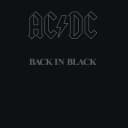
 AC/DCBack in Black
‹ Back to Episodes
March 30, 2026
Episode #31Compressed & Confused: A High Fidelity Music Primer
March 30, 2026 ◷ 3:20:13
Most of us listen to music constantly, but we rarely stop to ask what we’re actually hearing. In this episode, the guys explore how music fidelity has evolved from tapes and CDs to MP3s and streaming, and what gets lost in the mix. Along the way, they break down what lossless and high-resolution audio really mean, why headphones and DACs can change everything, and whether the difference is worth it. It’s part history, part experiment, and part warning—because once you hear the difference, there’s no going back.
31Albums Mentioned in This Episode
View Albums
Albums Mentioned in This Episode
View AlbumsOur AI is a real Trooper (Up the Irons!) but it still doesn't get everything right. So please excuse any missing or incorrect items.
#ArtworkArtistAlbumYou Must Listen
AC/DCBack in Black


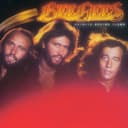 Bee GeesSpirits Having Flown
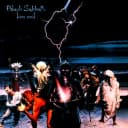 Black SabbathLive Evil
 Daryl Hall & John OatesPrivate Eyes
 David BowieLow
 Deep PurpleMade in Japan
 DioHoly Diver
 FotocrimeSecurity
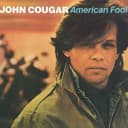 John CougarAmerican Fool
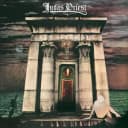 Judas PriestSin After Sin
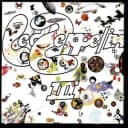 Led ZeppelinLed Zeppelin III
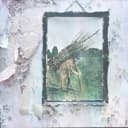 Led ZeppelinLed Zeppelin IV
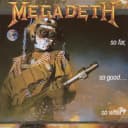 MegadethSo Far, So Good… So What!
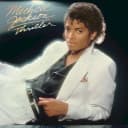 Michael JacksonThriller
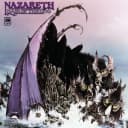 NazarethHair of the Dog
 NeurosisAn Undying Love for a Burning World
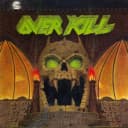 OverkillThe Years of Decay
 Peter GabrielSecurity
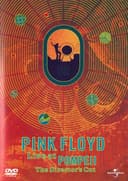 Pink FloydLive at Pompeii
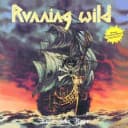 Running WildUnder Jolly Roger
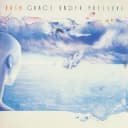 RushGrace Under Pressure
 Steven WilsonThe Overview
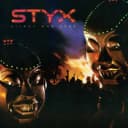 StyxKilroy Was Here
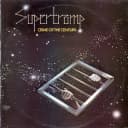 SupertrampCrime of the Century
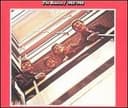 The Beatles1962–1966
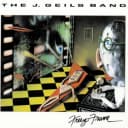 The J. Geils BandFreeze‐Frame
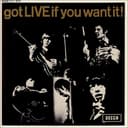 The Rolling StonesGot Live If You Want It!
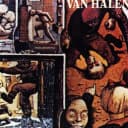 Van HalenFair Warning
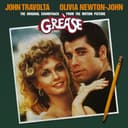 Various ArtistsGrease
 Various ArtistsSaturday Night Fever
 VoivodRrröööaaarrr
Spotify Playlist
● Open SpotifyA bug in Safari prevents playing full songs, please use Chrome.
Transcript
View TranscriptDownload Transcript ⇩
Transcript
View TranscriptDownload Transcript ⇩ⓘ This transcript may contain errors. Please don’t quote it in your yearbook.
There's a podcast that's sure all that rocks hard is gold. And they're climbing the stairway to 11. When they get there they know the record stores are all closed. But online they can get what they came for.
And they're streaming the Stairway to Eleven.
Hello and welcome to Stairway to Eleven. My name is George.
This is John. I'm TR. This here is Jay.
Do you remember the moment when music suddenly sounded different?
Not louder. Not just clearer. But like the band somehow stepped out of the speakers and into the room with you. For some people, it's hearing vinyl on a real stereo. For others, it's the first time they put on a serious pair of headphones. And for a lot of people, perhaps even Brother TR, that moment hasn't happened yet. Because a lot of music today is heard through compressed streams,
and tiny earbuds. Tonight, on Stairway to 11, we are climbing the Stairway of Fidelity. From early records, to cassette tapes, to MP3s, all the way to high-resolution audio, serious headphones, and modern listening setups. By the end of this episode, you might discover something. Your music collection might suddenly sound a whole lot better. So let's start there.
Guys, what was the first moment that music sounded real to you? Not just background music, but something that you were like, I think I like music. You know, when did music itself, and we're not talking about fidelity yet, just music in general, when did you discover music? How did you discover music? And what led you to that discovery? We'll just start with Jay. Jay's a new guy. Start with Jay.
The problem, I don't think I'm gonna be the only one who says this. I don't remember far enough back for it to not have been there and been super important. So I'll just share two, two memories that I have. And that was, um, and I mean, like, really, like I, I was zero in on music from the time I was kind of a thinking person. So remember, my mom used to have this fantastic, you guys will remember these, uh, stereo that was basically a piece of furniture.
Oh, yeah. Yeah. You know, speakers built in. Yeah. Yeah. The radio and the turntable. It was made out of oak. Right. Open the top lid and it had a record. You could also stack records on it. Do you remember doing this? Yeah. Right. Yeah. Two or three records on it. Put them on the little metal post on the turntable. Yeah. Right. And then you would listen to a side of one record. And then I'm going to completely describe that since a lot of people won't know what that is.
You would listen to one side of whatever record you put on and it would play completely through. The needle would drop back automatically. And then the second record would drop down and you could listen to whatever side of that you had. This one also had a radio in it. FM radio built into it. And I'm even told, like I used to be told this story by my mom, that when Cecilia by Simon Garfunkel came on, like wherever I was,
the house I would come running like you guys know that too yeah oh yeah and so for lack of better
honestly look for lack of better explanation I don't ever remember not paying attention I have early
memories of being in a Volkswagen with my dad when I was five years old and let it be came on I
remember hearing let it be the first time I was like five and I remember hearing let it be and being sort of moved by
coming through these Volkswagen speakers.
You are music incarnate.
Well, I mean, it just always has always, always, always drawn my attention.
And I remember it mixed in with all of my youngest memories, truthfully.
I'm right there with you, Jay.
I mean, and it's funny you should mention that because my experience was very similar
because my parents had the exact same piece of furniture in the hall.
And I remember kind of.
Sifting through their records.
And finding you know.
Crossroads by Crosby, Stills, Nash and Young.
And the Dave Clark Five records.
And my mom's.
Introducing the Beatles on BJ.
And I.
I felt the same way.
Like I.
You know it's hard for me to.
a time when music was not a part of my life or was not an important thing. That line is so blurred and so far back that there's no way for me to be able to say. But what I can say is that I have very distinct early memories of mining through my parents' record collections.
and feeling like I was discovering all this stuff, which is probably funny when you think about them looking at me going, okay, yeah, that's my old record. I don't even care about that anymore or whatever. And I'm just like, this is the coolest thing ever. But I do have memories when rock and roll really kind of grabbed me.
And this feeling of mystery. I could not conceive of how the music was created or how it was made. I remember specifically listening on the radio and hearing Dream On by Aerosmith and thinking, I can't even picture in my mind. As a little kid, you don't understand studio recordings and instruments.
and nothing like that. So how they were making these sounds and how like and this like there's like to me like Dream On there's like a mystery to it right like there's it's like it's kind of like this it's got this kind of I don't know it feels like a minor minor chord kind of thing going on and there's like this kind of mysterious
of this whole podcast.
I remember listening to that and feeling like,
like almost like I'm looking at black magic or like,
you know,
you shouldn't really be seeing this,
but here it is.
And like,
you know,
it's being revealed to you,
uh,
through these radio speakers.
And I just,
I,
those are my earliest memories of rock and roll stuff that really
captivated me.
And I,
I was like,
I don't know how they're doing this,
you know,
like I couldn't picture,
you know,
because you don't know about like 12 string guitars and you know studio effects you know you don't know anything when you're like a little kid and or even how like Robert Plant was like shrieking and like you know like you can't think of a grown man like sounding like that because every grown man you've ever talked to is like hello son how are you today you know instead of you know so you know to hear this stuff and be like these are like grown men doing this and like I don't know how they're doing it or how they're doing it or how they're doing it
they're making this or why i feel like this is so mysterious and like i'm being revealed like something that i shouldn't be hearing and so those are my like earliest memories of rock and roll and kind of being drawn into it and feeling like wow this is really cool or i really like this song or you know some of those early beatles songs i was really captivated by so yeah that's kind of my memories of that kind of thing because you were specific i
I will be very brief here I promise you because George and John shall have to speak but you prompted two memories to me one was that when this stereo was played at our house that was a big deal to me like I would and I was also the last one to go to school so I was the youngest and so it was a big deal like when that stereo came on I was like I'm gonna go oh mom's playing the stereo I'm gonna go listen to music and I had no control over it so it was just like I was learning about Neil Diamond and all that stuff the other thing I should remember is that I used to lay there and just do it I just would sit
there lay on the carpet and actively listen to music it's like a four year five year old and then the other thing worth mentioning is that i and i was reminded of this well periodically i remember this i could see music i could see colors i closed my eyes and there was like corresponding colors to various sounds and i would see little red blotches and blue blotches synesthesia what's that synesthesia synesthesia which is also by the way a sort of acid mushroom experience but as a little child and it wasn't really there
for the longest time. I can remember when it kind of disappeared. I was like, oh, shit, I can't. I didn't realize it, did I? Yeah. Joel from Throssenblatt, he has synesthesia still. Yeah. Edwin from Osric Tentacles, same thing. Yeah. So when somebody says that note is blue, they might just mean it. Yeah. Right. Yeah. John. So my story is not any different so far.
than J or TR. I got my first... My first experience probably came when I was in the car with my mom because she usually drove me home because we didn't live in San Francisco. We lived south of San Francisco, but I went to school there and she worked there. And she always drove me to school and it picked me up. And we had to drive about 35 minutes to get home every night down the coast.
Tell me, wait, what school in San Francisco did you go to, John? I'm just curious. St. Ann's. Okay. Then the Sunset. Gotcha. K through 8. So everything was in the car to start. And I can't remember any specific songs, but I know that she was probably playing whatever it was contemporary at that time. Now, any music my dad played, I hated. It's just that simple. I don't like Frank Sinatra. I don't like Johnny Mathis. He loved all that stuff. And I never liked it.
So I was sort of the prog nerd in me without knowing I was a prog nerd. It started really early. I mean, I was already thumbing my nose at stuff at a young age. The baby prog nerd. Yeah. You know, I didn't have hair on my feet yet as a hobbit. So, but it was all in the car with my mom. The first actual album I remember listening to, I was seven years old. We were in our house in South Lake Tahoe. And I listened to the Rolling Stones got live if you want it.
was my aunt's album.
That's such a great first record.
And it's an absolute terrible recording.
And it's like a greatest, almost like a greatest hits of theirs at that time when it came out.
There's so many great songs on there.
And to this day, I would listen to that over some of the best sounding live albums.
Just because I remember sitting there, I could still hear the really bad backing vocals during like Fortune Teller and everything on that song.
And so that was my first album.
And I've never forgotten that.
I know exactly where I was sitting where I was facing the wall and everything I just kept playing that record over and over again and then it just from there you know I right away into Elton John and then of course if you're our age maybe TR and myself more than you George and Jay maybe because we were just a little older for the height of it Kiss just blew our blew my world up at that time we'll get there yeah I was not too old for that no but you would have come in at a
a different time though maybe yeah in terms of so because we're we're what 58 now i'm well no not all of us i'm still 57 yeah but i got you by a couple of months not weeks dude and some of us are much younger than that by at least a couple years but that at that age though the difference between like seven and eight and four and five in terms of remembering stuff so i remember when they were peaking right there in the mid-70s
And it just, you know, the makeup and all that. And it will come up again, obviously. So, yeah, that was, those are my first memories early on. So I was already into rock. And Elton John, I don't care what people say. He's got a lot of stuff that's good. It's not all the resurgence of the 80s. Oh, totally. And he was ubiquitous in the 70s. You couldn't get away from him. He was everywhere. You couldn't. He was always on the radio.
And then you get your mind blown and you find out he actually had some really hard rocking songs that weren't called Saturday Nights Alright for Fire. I mean, he had other stuff. And so that's where it blew up. And I was already discerning. As soon as my dad's music went on, I was just like, this is wrong. I don't like this. I already knew. Ding, ding. It's eight o'clock. Do you know what John's listening to? I was already out there. That was my first Steel Panther, Frank Sinatra.
I love old blue eyes. I would put them in the same box. I couldn't. Oh, I just, it was constant. And it, you know, I'm sure we all have our rebellious stories. You know, my dad was like, well, yeah, the stuff you listen to is crap. And so immediately you're like, well, what you listen to is crap. And now I'm going to listen to my stuff even more. I'm sure we all at some point experienced that with someone in our life.
So I'm the odd man out here. I did not grow up in a musical household. My dad had like some records and some reel-to-reel and some cassettes and he would play them every once in a while. Some Beach Boys or some Beatles or something. And he would put on the oldies channel in the car. But then this was all just background to me because it was so infarible.
and nobody ever pushed music on me and it just wasn't around that much so it took me a lot longer than everybody else to really kind of discover music and then when i did i was like oh i kind of like this um and for me i think it started with tv theme songs 80s 70s and 80s tv theme songs you know um magnum pi yeah that was a rocking tune man
Fall Guy, even like Different Strokes or Facts of Life. 18. Exactly. And so those were the... My name is B.J. McKay and this is my best friend, Bear. Yeah. And so my first experience there was recording these theme songs off the TV with my little, you know, stereotypical tape recorder. The outlier here is that I was a really big fan of the monkeys.
because I watched that show.
I did too.
But I think that came before all of this.
I would say that actually the monkeys were the first music that I actually understood.
It's because I watched the show every day and I loved the theme song.
Was it like an after school show?
Was it after school time?
Yeah.
Yeah.
Same for me.
And so I was super into the monkeys and I loved singing the theme song and like Last Train to Clarksville and stuff like that.
But then that never really, you know, and then like I stopped watching it and music just kind of dissipated again until I started getting into other theme songs. But then finally in fifth grade, one of the neighbor kids, his name is John Anderson. He was not in yes. For whatever reason, he was just like, hey, you want to borrow some tapes? I was like, yes, so.
Did you have something to play them? He was a year older than me, so I had my tape recorder. Okay, oh yeah. Nothing good, just a tape recorder, but I wanted to be cool, so I was like, yeah, sure. And he gave me two tapes, and I've gone over this probably a million times on Metalheads, but it was John Cougar, eventually Mellencamp, American Fool, and Jay Giles' band Freeze Frame. Oh, wow. And I played the heck out of Hurt So Good.
Jack and Diane. Jumping up and down on my bed. My parents are like, oh God, here it comes. And Freeze Frame. What was the song that was like, Scandalous? It was like Piss on the Wall? Is that a song from Freeze Frame? Yeah, Piss on the Wall. Yeah, I was like, oh. And that was like, okay, I like music.
And then from there, I saved up my lunch money and bought my first cassette, which was, and this was all on cassette, by the way, which was Sticks Kilroy was here because I had heard Mr. Roboto somewhere. That's why you don't like prod that much. You got exposed to that album. For all of you that can't see, John is shaking his head. And my second album was Michael Jackson's Thriller, which came out that,
and was, you know, massive.
So.
There was a fantastic documentary.
I wish I could find it because I've looked for it again and I could not find it.
But it was about the Texas jam the year that Mr. Roboto came out.
And famously, they decided we're going to go and like do this as a show.
I think it was probably what they were doing on tour.
But, you know, it's this hot Texas outside amphitheater and they come out in between songs.
They're like acting and it like fell so flat. Yeah. What is it a stick stick? No I've seen I know it exactly what you're talking about Jay because I remember them looking back on it and saying you know this was not the crowd to to do this and it was completely wrong and like we we just you know the whole thing was like that was I think that was probably the very beginning of when they were like yeah we got to get this guy out of the band. Well I am okay then you know what it must be
a Sticks documentary then. For the life of me, I've never been able to remember where the hell I saw that. I know what you're talking about, and I don't know what it is either, but I remember. They actually showed footage of them being on stage. Yeah, and Tommy Shaw. Hey, Mr. Roboto, you can't do that, blah, blah, blah. It's like, this is terrible. It was like a Broadway play or something. It's a Texas jam. Yeah, it's like Ted Nugent, Aerosmith,
If you're not familiar with the Texas Jam, it was basically just a bunch of shirtless guys that were looking like lobsters and a bunch of girls in bikinis on guys' shoulders. Just a sea of people just blazing hot in the Texas sun. And all about a dazed and confused mentality, you know, so they don't work. Yeah, like thinking,
man's, you know, Broadway play is not going to go over in the, you know, Texas heat in the summer when like, you know, ZZ Top still has to come on. So pardon my digression, but hearing the word Mr. Roboto. I know it's triggering for some people. Look, hey, George, don't feel bad because my first tape other than so the first tape I brought with bought with my own money after I bought the Beatles Red album,
62 to 66 was Hall & Oates' Private Eyes. Nice! I would say one of the earlier albums that I bought on cassette was Hall & Oates' The one with Out of Touch and Maybe it's Out of Touch. Was Adult Education on there, maybe? Well, I think we've just wandered into our next part of this, which is our life in formats.
Before we move forward, I just want to say two things real quick. One, I forgot to mention my dad did get me into the Beach Boys because you mentioned the Beach Boys a few seconds ago. The other thing too that I don't know how much we can emphasize this, we would sound literally like a broken record. Radio was king when we were growing up. Yes. Both AM and FM. Yes. You couldn't walk into someone's house without hearing. If it wasn't music, then they were listening to AM talk. You know, and even AM was some rock stations,
before they all moved to FM. But radio was on constantly everywhere. And people's cars, people. We used to go cruising as we got older in somebody else's car with an older brother. And everyone had radios on up and down. You go anywhere. There were drive-ins, you know, not movie theater, drive-ins for food. And everyone had their radios on in the school parking lots. Radio was everywhere.
To kind of drive that point home too, John, because I think we are kind of giving a vague history lesson here for those who didn't live through it. It was such a big deal and so omnipresent that like DJs were a big deal and famous. Like if you went into one of these guys in the mall, like if they were like, we're going to be at the Springtown mall, you know, you would be like, those guys are going to be there. You know, they were basically famous in whatever your locality was. They were our local rock stars. Wolfman and Jack. Yeah. And half the time.
They were introducing the bands on stage in Philadelphia at the Spectrum. You had guys like Pierre Robert or the other guys from YSP or MMR. Yeah, those stations were huge in our youth. And you were like, I can't believe that guy's up there. Yeah, and it's like, wow, this is cool. I'm actually seeing him because unlike today where everything that's broadcast has a video stream, you didn't even know what
these guys would show up at live events and it's like, oh, wow, that's the guy.
What a dork.
It was a big deal.
Yeah, that was a lot of it, yeah.
Yeah, but I agree with John 100%.
I mean, it was.
The radio was omnipresent, man.
Yeah, we had Arthur P. in Detroit on WRIF, The Riff, baby.
Oh, you don't want to know about it.
We had so many stations in the Bay Area. We had some infamous ones, too. KOME 98.5. Hey, don't touch that dial. It's got cum on it. KOME from San Jose. KSJO from San Jose. So, formats then. Yeah, so what format defined your childhood? You know, I'm guessing that we all went through phases of
formats given when we came up. But what was the one, well, let me break that into two. What was the first format that you started listening to music and or collecting on, but what was the one that really defined, you know, your childhood and teenage years? Unquestionably for me, vinyl for sure, 100%. And this was before we said the geeky word vinyl. They were records, you know. I like records.
So just to briefly give that, I have a distinct memory of going to my mom in probably 1976. So I would have been five years old and saying, there are people in this house who have record players and I like music and I'm not one of them. What's that all about? Like, this was like when we were discussing like what might be coming down the pike at Christmas or something like that. And I think I even as leverage was like, nobody in this house likes music.
as much as me. You know what I mean? Like, come on. I'm getting screwed here. Yeah. So what I was given that Christmas was a hilarious but special to me suitcase record player, right? You know what I'm talking about? Oh, yeah. Oh, yeah. And it had the pattern on the outside was as a pair of jeans. Like it had pockets and everything. I don't like that. But
Yeah, that kind of thing. But that matters because I received two records with that. One was the BG Spirits Having Flown and the other one was the soundtrack to Grease. Oh, nice. Which I admittedly played over and over. I still have that soundtrack memorized. That's the one that you want. And then it's worth telling that I then went and rated
the house. I went into, at this time, I had two brothers, a sister, and a stepsister and a stepbrother. So there were some records in the house. And I just would walk into people's bedrooms and just take their.45. This is my account. In my defense, they didn't know or care, which even more. I was like, aren't you wondering where that record is, dude? Which is how focused I was. And I can tell you, I remember them, too. I had
I didn't know what a radio edit was until about three years later.
When you heard the album and you're like, holy crap, what's this stuff?
Yeah, this song's like four minutes, five minutes long.
I didn't know this.
And I had Life in the Fast Lane by the Eagles.
I had You and Me by Alice Cooper.
You know, You and Me Ain't No Superstar.
And on down the line, just kind of hits of the day, but rock hits.
And they were mine.
And then beyond that, I started to trade my toys for Kiss Records. That's absolutely true. My brother got Kiss Alive 2 for Christmas. And I traded him a land speeder and a storm trooper for Night Record. I traded my brother all my Star Wars figures and toys for baseball card money.
except everyone so I'd be playing with it and I'd be like this
so and then um and then and that was so that was my kind of my world for a long time and then there was a family record player beyond the stereo thing I mentioned like we had a kind of one that you set up and then I'll just mention I think it was that same year my brother got a cassette player so and that would have been an early early boombox and um I was allowed to listen to music on it but um I
I do remember my first cassette. Well, I'll go on real quick and just say that I, again, I was the kid in the house focused on music. And I remember hearing on the radio, John, there was this stereo place in Madison because I was in a small town in Wisconsin. And if you, you could go to this place and all of, they had a bin of cassettes and they were probably all crappy cutouts, but you, and you, whatever you could grab in your hand for and hold in your hand, they would sell you for a dollar of cassettes.
And I would hear this commercial on the radio. And I finally went to my parents. And I was like, why are we not doing? Like, we should get the whole family in the car right now. Dad has big hands. Yeah. Oh, yeah. I wasn't going to use my hands. We never did it. And to this day, I kind of have a problem with my family. Nice. The scars run deep. I'll just move on.
of thing was we moved to Missouri and then I was probably nine or ten by this time and a complete music freak. I owned a lot of records by that time. My first record that I bought with my own money was a Kiss record. It was Dynasty in 1979. So it would have been eight years old. And we moved to Missouri and then my uncle, who was like this cool journalist guy, came to visit us way early 80s, maybe 80, 81. And he had a Walkman. And he was like, you got to hear this.
And I still remember that the cassette he had in there was Under a Red Sky by Bob Dylan. Because that's the kind of, you know, he grew up in that stuff. And I was just like, I gotta get one of these, you know. And so that was like some Christmas down the line. I got that. And it was, mine was, you inject it into, it was not a Walkman. You inject it, it was like carrying a car stereo around. And it literally had a strap, like a purse. It was like, it was pretty big.
But I was glad. Did you pretend you were Spock with a tricorder? And I was given. So I can tell you exactly what year this was. So the first two cassettes I owned personally were. Let me just see what year this was. So this would have been 1981. And that was when I got my first cassettes. And I got four and four. And for those about to rock. Which were also beyond the stack of Kiss records I had by this time.
probably the hardest things I've had, especially the ACDC. In any case, and I would say it was always vinyl though for me. I mean, even when I would buy new things, I would buy them on record and just record them on the tape. Yeah. Because we had a stereo unit that was capable of doing that. And then the CD revolution came along. I got into it, but I think it took me two years to just be like, I don't see what the big damn deal is here, you know? I mean, I had to eventually because that's where they went, you know? Right.
So really my defining was always vinyl. And I'm leaving a bunch of stuff out too because John was so smart to mention radio and stuff. Yeah. So that's my brief history. And then everything went to hell with computers as you guys know. For good or for bad. Oh man. I tell you, this is like memory lane, dude. Because hearing you talk about that stuff was awesome.
I really enjoyed thinking about all that. But unlike you, I did not have brothers and sisters that had all this music. And so you had a ready supply that you could just draw upon. Whereas I was kind of like on this island somewhere, not really knowing anything. And literally, my parents' collection was all I had. And then I was struggling to find my own music.
And unlike you guys and John and you, I miss the kiss boat. I did not see them. I did not get them. That was not my thing. I just totally miss that boat. So for me, it was kind of like Beatles and like I said, that private eyes cassette tape.
And initially, I had a little bit of everything. I had vinyl, but I also bought those cassette tapes. And I had like this, I remember I had like this really, I still have it, this boom box that you could do tape to tape where you could record tapes.
And then later, I got one of these all-in-one units that had a vinyl, like it had a record player AM-FM with a cassette tape on it. And you could record on that as well. You could record the albums. I can't tell you how many Maxell tapes I had that had an album on one side and an album on the other.
the other. And then I remember when Van Halen 1984 came out. Can I ask you a question about that real quick though? Yeah. Because you're also prompting my memory. And first of all, I left off eight tracks, which somebody needs to talk about. But with the Max L's, I remember they, and you guys please correct me if I'm wrong, I think there was like a 30, a 45, and a 90 minute, probably some other. Yeah, and the 110. And I was always, I had this notion in my head that probably,
that if you didn't want to go above 90 because the sound quality got worse, the tape got thinner or something. Am I making this up in my head or was this just like? No, that's true. I don't know because the tape wasn't any different in size. But I do recall like they did have 110 because, you know, some of the albums were a little long and, you know, you'd kind of run out of space. And I remember, you know, getting these 110s to like kind of,
get the whole album on there.
That was my preference was to get side A on side A and side B on side B.
And I somehow had told myself this was a better fidelity option.
I don't think so.
Because the width of the tape was the same for all of that stuff.
No, but it does get thinner, I think.
In any case, we are not done with your story.
You just threw out the word Maxell in my whole life flash before my eyes.
Yeah.
the poster, the whole thing, which I still have. But yeah, so for me, even though my first purchases were cassette tapes, more of what I bought after that was vinyl. And so, like I said, I had that all-in-one unit that had a turntable, AM, FM, cassette tape player, recorder, the whole thing.
And for the most part, I bought vinyl through like maybe 1987 or 88. No, I got my CD player in 1986, I think. And I remember like going to... You know, what was your first CD? Do you remember? So that's a tough one, Jay, because I can't... I'm not sure I remember the first CD I bought.
Okay. Well, pardon my interruption again. It's just it pushes the memory a little bit because, of course, what we were all being sold was this high-fidelity thing. And I remember thinking, I got to think real hard about what the first one of these I'm going to buy is. Well, yeah. And not only that, but it was much more expensive than a record. And, you know, the thing was is at the time, all of those CDs were either made in Japan or Germany. And, you know, they had to bring them over. And, you know, they basically were saying to us, hey,
We're importing these from Japan and Germany, but the minute we're making them in the U.S., these prices are going to come down and it's going to be, you know, a lot cheaper.
Lies!
Yeah.
It kind of didn't happen exactly.
The price of a CD kind of stayed the same regardless of, you know, where it was made or when.
But, like, those first CDs were made in Japan and Germany.
And, you know, we'll probably talk about this later, but like some of those initial pressings when they were doing those CDs were whatever they could find. And it wasn't always the best pressing of the album that was sent to be the CD pressing. So some of those early pressings, they were like second or third generation, maybe not so great.
Some were good, some were not. It depends on what it was, what the album was, what pressing they got, all of that. Later, a lot of that was improved and they went back closer to the source to be able to make those CDs. But initially there was a big rush to get everything onto CD as fast as possible. Sometimes that meant not the best source for some of those pressings.
But I do remember the time when I got Rush Hemispheres, and I remember listening to La Via Strangiato on CD and thinking, this is way quieter. The quiet parts of La Via, I felt like this is way better than vinyl because there's pops and
and all this stuff going on on vinyl that I felt like you're not hearing any of that on the CD.
So I was pretty excited about getting into CDs.
And I was not very hesitant to move into CDs as quickly as possible.
So as soon as CDs came up, and for those people out there, and I know some of my friends that listen to this will remember, living in Delaware,
There were a couple of record stores that you went to. One was called Sound Odyssey in the Dover Mall. And the other was called Tape Hut, which was out on 13, which like, it was like literally a little domed building. And you went in there. And even though it was called Tape Hut, yeah, they had plenty of cassette tapes, but they were some of the first people to get CDs. And I remember, I think, you know, Jay, now
Now that I'm thinking about it, maybe my first CD might have been Moving Pictures by Rush. That's a good first choice. I kind of think that might have been my first one. And Tape Hut had CDs. They had vinyl. They had all of it. They had, even though it was called Tape Hut, they had all the different formats. And that place was pretty cool. And I remember like, you know, begging my parents to take me over there to be able to spend my, you know, Christmas money or birthday money.
to be able to purchase my first albums or CD or whatever. When it comes to formats, I did it all. I started with cassettes. I had vinyl. When CDs came out, I was very excited about the clarity and the quietness of certain passages where you had acoustic guitars or things where it was really quiet, where you're not hearing pops and cracks.
from the needle. So I was ready to, like, I was really ready for digital CDs. And, you know, I remember the, you know, when they were talking about, you know, when CDs first came out, you know, it was, they talked about analog recording or digital recording, analog recording, digital mastering, analog mastering, or digital, you know, so it was like, there was like a,
a three-letter pattern, and it was like ADD or AAD or DDD. If it was all digital, it was DDD. I forgot about that. Yeah. And I remember some of the first digital recordings, that was a big deal back then because it had never been done. And so... Of course, you remember the gold CDs, the masters. Oh, yeah. MFSL, which was the Mobile Fidelity SoundCloud.
often had much higher fidelity albums that you could get. And they were putting them not only on vinyl, but on CD. And then you had Half Speed Masters and all this different stuff that early audiophiles were looking for. But anyway, my point is that I kind of was in all of those kind of formats. I kind of didn't really like cassettes. I mean, I like the
of it and the fact that you could put them in a Walkman and you could have them and you could, you know, obviously you're not going to play your record like walking down the street. So like a Walkman was like revolutionary because and people forget this, you know, because kids today like have no idea like when you played a record like you had to be in the house on a record player sitting there in front of it listening to it and and to think about like taking your
Like, having your music be portable was like a revolution. And Walkmans were really like, you know, Jay, you mentioned like how excited you were. I remember being very excited about that and just being able to like, oh, yeah, I can take my stuff anywhere. And so I recorded all my records onto Maxell tapes so I could listen to them wherever I was. And, you know, in your car, you're not going to play a record player.
I remember going to Crutchfield, getting my first cassette player, and sticking it in my 1970 Dodge Dart, and being able to play my cassettes and listen to my music in my car. If I wasn't listening to FM radio, 93.3 WMMR or 94.1 YSP or 93.7 WSTW in Wilmington, Delaware.
So anyway, those are my formats. I don't want to take a whole lot of time. I already have, but here it is. No, no, no. It was all worth hearing. And I'll just throw out two things. One is Screaming for Vengeance was my first CD. And I had an external CD player that hooked in. It was like a Discman kind of thing. But it wasn't a Discman. And I also kind of want to just throw out, and I'm sure you guys have had this experience too, having grown up with formats.
The Times in my life, starting around 8, 9, 10 years old, up through my high school years, wandering into somebody's house, somebody my parents knew, sometimes one of my friends, who had, like, a setup, you know? And I was like, I listen to everything on Real to Real, dude. You know what I mean? Or whatever it is. And those experiences and how great those were to walk into somebody and just thinking, why do we have to leave now? Can't we just stay here and play with this guy? Yeah. John?
I would have said everything I would have said to be honest with you. But I'll just give a very brief history of how I got started. Everything for me started on vinyl and stayed on vinyl up until about CDs. I had some cassettes. I liked them. They were fine. But I didn't like not knowing where the song ended on a cassette. You could at least see the grooves on the vinyl. And it was always a debate when you made a mix tape or when you recorded.
to the vinyl album on the cassette. Do you put the time or do you put the counter on for the song? You know, I always debated on what to do because the counter made more sense because then you could fast forward or rewind to that number. Yeah. So. Wow. That's so funny because like most people have no idea what that means. Yeah. They forgot about that. Yeah. Tape decks had counters on them. So as every time the wheel would spin, you know, it would start counting.
and you'd have a number. And if you knew where, if you had started at the beginning, because if you didn't start at the beginning and it kind of was set to zero, you were screwed. You're going to have to rewind all the way to the beginning and start over again. Yeah. Push a little button to clear it back to zero. Yeah. I want to describe it to people though. Like the way I recall them was there's usually three numbers next to each other and it looked like a tumbler lock. Yeah. Yeah. If you can picture that. So very analog, you know, kind of presentation had one through 10.
or one through zero.
And it rolled over.
And as it rolled over, you would see.
Yeah.
So in any case, just for people who haven't seen that, because until you mentioned it, I'd forgotten about it.
Yeah.
Because.
And then there was a little black button you pushed to make a good zero.
Every time.
Zero it out.
Yeah.
Yeah.
Yeah.
So most of my experience was all vinyl.
I went from radio to vinyl.
And then when tapes came out, I had a few tapes.
I probably had maybe 30 tapes total.
I didn't have many.
I had a lot of tapes that I recorded my vinyl onto, and I made a lot of mixtapes, a ton, because sometimes I didn't want to hear the whole album. I wanted to hear a whole collection from the band or numerous bands I put on. And I usually got 90-minute tapes, 45-minute sides, because a full album could fit on there if you wanted it. And then the art became being able to stop the tape at the right time.
or when to start it.
So that was my main thing.
And I mean, I had an all-in-one.
My parents bought it for me.
So it was a turntable, dual tape cassette with radio, the receiver built in and all that.
Nothing special, to be honest with you.
My first album I bought, I couldn't tell you.
I mean, I had like, I remember taking a picture of my first 10 albums.
I thought it was the coolest thing to have this picture.
You know, I don't know why.
I mean, I could look at him anytime in my bedroom, but I think I had like five ACDC albums, a Ted Nugent album, a Boyz or Colt album, I think a Led Zeppelin album, and then maybe, jeez, I can't, oh, Black Sabbath. You know, those were my first albums. I really wanted the outlier to be like, and then I had Herb Alpertz, you know. My outlier before that would have been the Kiss, because Kiss became an outlier at that point when you started having those other albums, but Elton John, and then I'm not, I have no qualms in this.
I mean, I had Saturday Night Fever, the soundtrack, everybody seemed to have that and it got played constantly. But I mean, that thing is loaded with like, top 10 hits all throughout it. It's insane. How many of you remember Disco Duck? Absolutely. And to the point, I actually have, I'm going to embarrass myself here. And this is not from that. But one of the other early records I had, and I might have even gotten it with those first two I mentioned, was a record called Sesame Street Fever. Oh, yeah.
So I eventually... You know, Grover up the front dressed as... You know, John, you mentioned the radio as a format, and I wanted to mention one other thing, too, and that's that I remember my brother, stepbrother, being very excited and asked for a long time and finally got a transistor radio. Oh, yeah. And so we could ride around on our bikes and have music with us. Yeah, that was good sounding quality.
It really wasn't. I had it too. I'm kidding, of course. Just to wrap up, I used to record a lot of music off the radio. I would just put the tape on and I would hear, I could go back and listen to all the stuff from whoever was on, whatever DJ. But one thing I remember doing was they had a Led Zeppelin A to Z and I recorded that whole thing. I sat there for that whole thing.
And then I couldn't remember what songs I liked because I didn't know the names of all the songs at that time. But to get to see these real quick, I got into them right out of high school. I graduated in 86. So going into college is when I started getting mine. So that would have been 86, 87. I don't remember my first one. I'm going to guess. I think I'm pretty close to this. I think it was Peter Gabriel 4, Security was my first one. And I'll just leave it at that.
All right. So.
You know what? Even if that all seemed repetitive to you, John, because we've talked about this, I find this deeply interesting. And you're just like TR, hearing you tell things reminds me of things, you know, and anyway, so it's fun to hear this.
Yeah, I did not expect to, like, go down memory lane this hard.
Yeah.
So cassettes, you know, I came in with cassettes with my sticks. And I stayed with cassettes for a very long time. However, I did pick up vinyl as well. And I can remember that my first vinyl was, I bought two at the same time at Kmart. One was Crazed and All Out Metal Assault, which was a compilation that had like Dio.
and Zebra and Scorpions and Helix and Crocus on there. And the driver by Rainbow. And Judas Priest Sin After Sin. Oh, wow. Nice. So a little more redemption on this. Yeah. Okay. But and I would, you know, pick things up because I liked the bigness of a vinyl record and the artwork and everything.
I would record them onto cassette so that I could listen to them. But I was very lazy in that regard. And so I mostly just bought cassettes. But I got certain things. Like I got Zeppelin 4 on vinyl so that I could do backwards messages and stuff. And the gatefold for that too was really cool. So it was mostly cassettes for me. And you had to pry cassettes from my cold dead hands because I did not. I was late getting into CDs.
It was probably 92, maybe even 93 before I made the switch. Because as TR mentioned, they were expensive. I didn't have a CD player. I started out with the tape recorder, the little black box with the buttons on it, you know, and the lid that flipped up. And then I'm like, I want a boom box. Well, I didn't get a boom box.
I got something that was maybe about 12-14 inches wide. It had AM-FM, a single cassette, and a single speaker. Wow. But I still walked around with that thing on my shoulder being like, yeah, I'm cool, I'm cool. And then... I had something like that, too. And then I graduated to the... It had volumes for both left and right speaker, and so I loved when I would discover a record where they really
isolated stuff to the left and to the right so I could completely turn off one instrument or something. See, I only had one speaker. I couldn't do that. Well, no, I only had one speaker, but it had some kind of channel. I don't know. Yeah, maybe it must have had two speakers. Anyway, I'm sorry. Yeah. And then I graduated to the system, the record AMFM dual cassette. Yeah. You know, I got to mount speakers on the wall. I was like, yes. And that was cool.
And then of course my Walkmen. Many, many Walkmen. I was notorious for destroying Walkmen because I would use the crap out of them, beat the crap out of them, you know, just they would just get destroyed and I'd have to, you know, every three, six months go buy another Walkman. Do you remember how you could like, there was, when one of the earphones started to go out, there was a period of time where you had, where if you applied scotch tape correctly, you could get another two weeks out of those. Yep. Yep. Yep. Did that.
And yeah, I was notorious for walking down the high school hall, main hall with my headphones, Walkman headphones on so loud that people could hear me around the corner coming. I wonder why I have tinnitus now. But it was bad that way too. You didn't want to sit next to me on a long car ride. Yeah. You know, John mentioned something. I want to kind of jump on John's point too about economy because when you were a kid, you didn't have any goddamn money. Yeah. And I found, I found a lot of ways.
to record the radio as John was talking. I can't remember sitting there and watching Friday night videos because I knew the new Scorpions video was going to be on and literally recording it through the speaker of the television. The worst recording sound ever. Just so I could have this tape that I couldn't afford or find yet or whatever it was. So I had a big kind of bootleg system going on like that. Well, that's the thing. Yeah, tape trading was a thing. And particularly with the early metal stuff,
in Michigan, there wasn't a whole heck of a lot available. And if there was, there might be one copy of something and somebody would get it and then they'd dub it for everybody else. And I remember Record Town in Briarwood Mall in Ann Arbor was my main music place. And they had a decent selection of cassettes and they had one single bin of import metal records. One bin.
So maybe like 20, 30 records in there. And that's where I picked up Running Wilds under Jolly Roger, my introduction to that band that I still love to this day. It's where I picked up Voivod Roar. We all know how that went. You know, a bunch of stuff, you know, there's always stuff like Tankard and Venom and, you know. Tankard. I love that name. But yeah, I love that. Love that store so much.
So I'll ask one last thing so we can move on. Did anyone when they had their all in one? Did you have access to recording your TV? Because I used to pick up the signal because we had cable. And I could I could pick up. I don't know how this was happening. But like apocalypse. I remember this apocalypse now is on HBO. And I recorded the audio. And we would sit there and listen to the audio.
to the movie. Wow. So all those scenes, like Robert Duvall's
famous scene, you know, where he's talking about. Oh, sure.
And Jay, I think we, you and I both were talking about that one, that one line that just cuts to the bone. One day this war is going to end. And just that head bob. But then the whole scene about the tiger. Remember that? Sure.
All I wanted was a mango, man. I got a tiger. I just want some mangoes, man. It's goddamn right. You never get out of the boat. Yeah. And just all those. And so I used to be able to record stuff audio wise off of our cable. I don't know how I was able to do it. I don't know. Wow. I like that mention, though, John, because it also brings up a whole other format that's worth mentioning, which was television and the inaccessibility of recording television at that time, unless you had a VCO.
which eventually we got one but so i recall for instance i was really into billy squire's don't say no album
and oh i love that one one saturday morning i'm sitting in front of the television and and for some reason public broadcasting broadcasts a billy squire concert on television wow yeah i do that all the time you can't make time stand still i've got no way to go record this thing and so that was my saturday random morning not knowing this was about to be on
I've since seen the show, because you can find it on YouTube, but that was not a thing. Your music came and went past you, and if you got in your car and you didn't own that record, you didn't know when the next time you're going to hear that song was. Yeah, that's true. And you know, that's a really good point, because music is so accessible these days, and you can pick, you know, hey Alexa, play this. We didn't have that. It was like, you know. We did, but
Lexo was a real person and they had to get up and go change the record. Yeah, that's exactly right. I mean, it was, and if you had the record, I mean, you know, it's, it's, you make a good point, Jay, because like back then it was, you didn't know, you're right. You didn't know when you were going to hear this stuff again. And, and, you know, yeah, on the radio, you might hear some song if it was popular, you know, you knew it was coming on in another couple of hours or whatever. But, um,
But honestly, like when, and this would be getting on in years now a little bit or whatever year it was, but this was somewhere between 81 and 83 it must have been. But I remember when Pyromania came out, this was kind of when I was really transitioning to metal. I had a number of the bees probably by that point. I don't know, stuff like that. But I remember a photograph coming on and just thinking, like we'd be in the car and we lived in the country, so thankfully our car rides were kind of longish, at least 10 to 30 minutes. And I would think maybe photograph will come on.
I remember being excited washing the dishes with the little tiny radio on the top of the fridge and uh we did that too and it was uh it wasn't photograph it wasn't rock of age fooling came on yeah and I was like yes I'm gonna wash the heck out of these dishes I'm gonna wash this dish so good was it the first time you heard it you think or was it just actually I think it was yeah yeah which is even worse because now you're just
I was like, oh man, and I got to sleep tonight.
Yeah.
So I didn't finish.
I wanted to get into the CD thing a little more.
As I mentioned, I was late to the party because it was expensive and I was set in my ways.
I had many, many, many, many cassettes by this point.
And it was just sort of accidental.
I was at work because I was like 19, 20 by now, whatever. And somebody at work, her husband was looking to sell some CDs, make some extra money, get rid of some of his CDs. And I was like, well, what do you got? I didn't even have a CD player. But she was like, you know, four bucks a piece. Yeah, baby, you could drive my car. I don't have a driver, but that's a start.
But I mean, when they were like $17 for a CD, and she's offering these for like $4 a piece, I was like, all right, well, let me see what you got. You know, maybe it's an investment in my future. Forget college. What about these CDs? And I bought, I can't remember all of them. I bought like three or four of them, and I can only remember two. I bought Megadeth's So Far So Good So What and Overkills the Years of Decay. Wow. Wow. What a start.
And so then I had these things and I took them home and I looked at them and I pulled them on like, ooh, this is shiny. Couldn't play them. Yeah. So then I had to save up my money and go buy a boombox. And this boombox had two speakers and a CD player and dual cassette. And from there, the rest was history. Then I went wildly down the rabbit hole because I was like, wow, this sounds great. And it doesn't get eaten. Right.
However, shortly after the boombox, I decided I needed to have this in my car, and I purchased a CD player for the car. And this was, I guess, still relatively new, or maybe it was just the person that installed it was awful, but the CDs skipped when you hit bumps. Oh, yeah. Yeah. And in Michigan, the roads, they're not so nice. They use a lot of salt up there.
And so you can't go five feet without hitting a pothole or a crack in the road. And so this CD player in the car was practically useless because it would just skip constantly. Constantly. It was impossible. So. I'll tell you, George, actually, I recorded a bunch of my CDs to tapes just because just the portability of it and being able to listen to that stuff on a Walkman.
And I remember my first few years of college, you know, walking to class. I played tapes on my Walkman walking to class. And so I listened to all kinds of tapes just for the portability of it because you just you couldn't beat it. And so I definitely recorded vinyl and CDs to tapes to be able to, you know, just listen to whatever I needed to.
I was going to class or just, you know, when I had time to fill that where you're not doing anything, like you're just walking to class for college, you know, it's like, okay, what am I going to do? I'm not going to listen to nothing, you know? So, you know, I did too. And I think George reminds me that I think, I guess, because that's where really kind of my dominant format, because I liked having it with me. Yeah. Eventually I got a Discman, but even that wasn't great. Not like a Walkman was, you know?
So before we move on, I wanted to see if I can get this to pick up on the microphone, the sound, because you just know this sound. First of all. Yeah. And then that's the cassette coming out. I'm going to simulate putting it into the player because this you definitely know. Yeah. Yep.
the lightning cassette from way back in the day.
We all had number two pencils with us all the time.
Oh, yeah.
Yeah.
If it got crunched.
We knew when the crappy part was going to come up, where it did get eaten.
Yeah.
And you managed to put it back together.
It's all warbly.
It's going to be garbled.
Yeah.
You know, I mentioned a minute ago, too, and I just did want to kind of mention, there
was an eight-track player, Boombox, in my house.
But none of us really pursued eight tracks.
But we had a few and they're hilarious because it gets to the fourth song and it starts that song over to go to the next track. Eight tracks were weird. Yeah, I just remember my cousins were older than me and I remember they had eight tracks and I just remember all of a sudden in the middle of the song it was just cut out and now it's like, oh, it's flipping over and it's going to this other thing.
I'm like, what the hell is this? You know? 8-tracks suck. BS, dude, you know? I really did. I knew people had 8-tracks decks in their cars. They do. My sister's boyfriend. Just dumb. I never owned an 8-track. The first time I ever heard Mazda's hair of the dog was in my sister's boyfriend's huge Impala on 8-track. Oh. Just dumb. That reminds me. Speaking of
an Impala muscle cars. Music for me outside the home in the late 80s is driving around town in my buddy's crappy blue Chevy Nova. 70s era. And that was crappy blue Chevy Nova was what we called it because, you know. And I'm in the passenger seat driving the back roads of Michigan.
And always, always, always listening to Back in Black. Can I point out, though? That's an interesting thing, too, because when I got a driver's license and then there was a car that we all shared, I used to drive around just to listen to music. I would put Led Zeppelin 3 in and go drive through the woods and just be like, this is how I'm listening to music today. Yeah. Yeah. Alrighty. Let's move on.
Let's talk about how we even got here. Professor George will now give you a brief history of musical formats. The first one being 78 RPM shellac records. Actually, before that, there were cylinders. That's right. Damn you. Yeah. All right. Well, I didn't write that down. All right. That's okay. But this is from the 1900s.
The very first thing that Edison
Yes, yes.
were cylinders that were made out of wax.
But were they readily available to all people?
They were, actually. You can still find them today, actually.
Some of those Edison cylinders are accessible.
I mean, you need to have something that plays them,
and, you know, that's out there.
But, yeah.
The real first big thing was 78 records that were shellacked.
Yes, that's correct.
Yeah, the 78 RPM shellac records were early disc recordings made from shellac, where sound was physically etched into grooves using purely mechanical processes before microphones were even common. You had to scream into the thing, like into a... Into a cone. Into a cone, yeah. Old-timey. Playback involved a needle tracing those grooves vibrating to reproduce sound through a horn or speaker. They were limited in both frequency range and playback time.
typically only a few minutes per side but they became popular because they were the first widely distributed music format thank you tr bringing recorded sound into homes and turning music into something you could own rather than just experience live it's like footnote just simply that because it did take a long time for formats to change over in the years i think you can still get them now but all of the record players we owned as kids were 33 45
They played 78s. Yeah. Yeah, that's true. Same for me. They had an extremely limited frequency range, roughly 100 hertz to 4 to 5 kilohertz, if you were lucky. Translation, bass, barely there. Sparkle, not happening. Everything sounds like it's coming through a dusty time portal. And shellac, not vinyl, was heavy, brittle, and
didn't like to be dropped, even though vinyl doesn't really either. But again, only three to five per
minutes per side. So you weren't getting much out of these. But then in the 1950s, vinyl LPs used a plastic disc with grooves that encoded audio as continuous analog waveforms, read by a stylus and amplified through a turntable system. Introduced in 1948 and later enhanced with stereo sound in the late 50s,
LPs offered longer playtime and a much wider frequency response than earlier formats. Crucially, the LP shifted music from singles-driven format like 78s and 45s to the full-length album as an artistic statement, allowing artists to craft cohesive works instead of just collections of songs. This helped define the album era and fueled the rise of hi-fi culture, where listening became immersive, intentional, and often, especially for us, obsessed.
And if you've ever heard the term, whoever you are out there, under the age of 25, AOR, it meant album-oriented rock. Yep. Which was, they weren't necessarily looking to create singles. Well, like, not album length, but a song that would go on an album. Stairway to Heaven and Lynyrd Skyter would be the beginning of AOR. Yep. So in the late 1950s, two channels, left and right, became stereo and replaced, well, didn't replace mono, but, you know,
It made mono better because you had more options. The frequency response was roughly 20 hertz to 20 kilohertz. And real world playback depends on your gear, but this is where music starts to feel complete. What year was it, John? Late 50s. I didn't dig any deeper for more specific, but this was the birth of hi-fi culture. People became obsessed with better turntables, better cartridges,
better speakers. Listening became an activity, not background noise. Also of note, warmth comes from harmonic distortion and analog saturation, which is why these days, you know, it's particularly in the digital age, people who are purists in various forms are very much like, I want that analog saturation. Because digital recordings can sound dry and lifeless,
if you're not careful. Or harsh. Or harsh. But, you know, records, vinyl records did have physical limitations, distortion, surface noise, pops, crackles, things like that. But at the time, what was annoying, now it's considered cool to be able to listen to pops and crackles on your records. It's ambiance. It's ambiance. All right. So.
I'm taking a step back now to the 1930s when reel-to-reel tape was introduced. It was available commercially in the night around the 1940s. So reel-to-reel tape recorded audio by magnetizing particles on a strip of tape that moved between two reels capturing sound as a continuous analog signal. It came in various tape widths tape widths depending on the use. The quarter inch tape common for consumer and
and the basic recording like cassette tapes, half-inch tape used in professional studios, and eventually the two-inch tape used for multi-track recording for 16 and 24-track machines that enabled complex productions. Operating at higher speeds and wider formats delivered exceptional fidelity and dynamic range, making it the standard for studio recording and mastering. Its popularity came from unmatched sound quality and the ability to edit and layer recordings
Though its cost, size, and complexity kept it largely in professional environments. While people did have reel-to-reels, they did not have two-inch reel-to-reels. It's funny, I was probably in high school when I realized the existence of multi-track recording and that bands didn't actually just play the whole album in the room together. A little more history on it. Magnetic tape recording was pioneered in Germany in the 1930s with the magnetophone.
After World War II, the tech was brought to the U.S. where companies like Ampex turned it into a studio standard in the late 1940s. Late 1940s to early 1950s, it was adopted by recording studios and broadcasters. The 50s to the 70s was the golden age of reel-to-reel. It mattered because for the first time you could edit audio by cutting and splicing the tape, record with high fidelity, and layer performances by multi-tracking. It had extremely high fidelity, wider dynamic range than
the frequency response that could actually exceed human hearing, which was like 15 hertz to 30 kilohertz, I guess. And this was the studio master format. This was what albums were recorded and mixed on. And it sounds so good because of the tape saturation, the subtle compression, harmonic richness, the downside being that it was expensive, bulky, and about as portable as a cinder block.
And tapes degrade over time. If you've ever had to carry around two-inch tape, they come in these big-ass cases, sort of like film reels. And yeah, I got to play with two-inch tape back in the late 90s when I went through a recording studio school program. It was like a year-and-a-half studio engineering program.
And I got to record on two-inch reel-to-reel and a 32-track digital, which was new at the time. And I had to do half-inch tape editing, razor blades and tape, all of that stuff. In fact, one of my first jobs after that, I interviewed in Bethesda at a recording studio as a guy who would edit tape.
It wasn't going to be a job that was around for long. But, uh, all right. That's reel to reel. Cassette tapes introduced in 1963. Compact. That's a shock to me. I didn't know they came out 63. Compact cassettes used a small enclosed magnetic tape system that functions similarly to reel to reel, but at slower speeds and with narrower tape, reducing sound quality in exchange for portability and convenience.
Audio was recorded and played via magnetic heads, and the format allowed users to easily record their own music or create mixtapes, which, you know, if you didn't have a reel-to-reel, this was probably the first time you could actually record your own stuff. It became massively popular because it was durable, portable, and personal, especially after the introduction of the Walkman, even though it introduced hiss and other fidelity limitations.
Its origin story, it was introduced by Phillips in 1963 at a Berlin electronics show, Germany again. Designed for dictation, not music. It didn't take off though until the late 1960s and then even bigger in 1979 with the introduction of the Sony Walkman. This mattered because it was the first truly portable personal music format.
and bootlegs and demos and all kinds of good stuff. But the narrow tape width and slow speed equals lower quality. Common issues like tape hiss, flutter, wear and degradation, and of course getting crunched by the player were never fun. There were improvements though. Dolby noise reduction made things a little more listenable and high-end decks could be surprisingly good, but most people didn't have those.
Can I point out one other,
you sort of just mentioned this,
but I'm going to kind of zero in on it a little bit,
which was one of the other shortcomings of cassettes.
And I don't know if it was a shortcoming was if you were listening in your car stereo and you listened a lot in your car stereo,
eventually that cassette had no words on it whatsoever.
Well,
I remember like they would squeak.
Yes.
There was like a shrieky sound that would happen after a while.
Like,
I don't know if it was just,
I'm,
I'm assuming it was some sort of degradation of the tape, but like it would just squeak like this, like this high pitched squeak sound. You could wear a cassette out. Yeah. And don't leave them in your car because the sun is going to melt them. I remember I had, uh, forbidden and their album twisted into form and it was twisted into form in the back of my car. It was, and I kept it just because it was twisted into form and it was,
It was literally like mutated. It wasn't just like a little out of shape. It was like it had been put in the microwave. Yeah. So. All right. We're going to talk a little bit about 8-track even though we already did. 8-track tapes housed a continuous loop of magnetic tape inside a cartridge divided into multiple stereo programs that could be switched during playback without rewinding. The system used a mechanical track changing mechanism
that often produced an audible click, sometimes interrupting songs mid-play, as we just heard. It became popular primarily due to its adoption in car audio systems, offering a new level of convenience for drivers, but its clunky design and inconsistent performance led to its decline as cassettes took over. Still, you pointed out something that I never took into my head before, which I do realize now 100%, is that they played on a continuous loop. There was no rewinding.
Yeah.
Nothing like that on an 8-track.
Yeah.
It just was, you put it in and wherever you last listened to it, that's where you were.
It was developed by a consortium, including Bill Lear, the Learjet guy.
It was released commercially in 1965, quickly adopted by the auto industry.
Peaked in the late 60s to mid 70s, especially in cars.
The continuous loop meant no rewinding, but it did mean click, ka-chunk, next track. Or maybe in the middle of a track. Yes. Why did it die? It died because it was clunky, unreliable, and sounded like your speakers were chewing gravel compared to cassettes. It was sort of the Betamax of the VHS Betamax, even though I think Betamax was a higher quality. Well, it was. It was.
Yeah, I went through that too. I had beta, I had VHS. You had beta? I had beta. We had a Betamax. I had a neighbor who had one, and we'd love to go over to his house watching movies. Yep. All right. The compact disc, 1982. The first time music became numbers instead of waves. Audio on a CD is stored as binary data. There's no physical where from playback. It's all digital.
The standard for CDs is 16-bit, 44.1 kilohertz, and we're going to talk about that more later. There's an extremely low noise, no hiss, no crackle, and a dynamic range of approximately 96 dB, which is even further beyond what vinyl can do. Next era, the MP3 era. This was the late 90s.
early 2000s.
This is where convenience kicked fidelity down the stairs and kept walking.
MP3 files use lossy compression to reduce audio file sizes by removing sounds considered less perceptible to human hearing.
Allowing music to be easily stored and transferred digitally.
Playback required computers or portable digital players, like the iPod, which could hold thousands of songs compared to physical media.
The format became popular because it enabled fast sharing over the internet, especially through platforms like Napster, and prioritized portability and convenience over audio fidelity. I know I spent a lot of time ripping all of my CDs to that wonderful 128 MP3 file. It took me months probably to rip all those CDs.
I finished. I found out about 320k. I was like. So Napster. Suddenly music has files. Sharing exploded. So did piracy. MP3 compression. MP3 removes inaudible data using psychoacoustics. Lower bit rates. 128kbps especially. Smears the symbols. Flattens dynamics. And introduces artifacts into the music. I suggest.
If you are still an aficionado of MP3, that you look online, maybe YouTube, I'm guessing, for examples that will let you hear all the parts of the music that gets cut out to make an MP3. They remove the music that is the MP3 part, and you can hear the leftover bits that get, you know, dropped on the cutting room floor. And it's pretty compelling to hear the stuff that you're not getting from MP3s. That was, that was, when I heard that, I was like, oh, I'm definitely not listening to MP3s anymore.
But, you know, convenience is king. And the ability to have thousands of songs in your pocket, everybody, including myself, turned to MP3s and iPods and other various digital players. MP3s didn't ask, how good can this sound? It asked, how small can I make this and still call it music? Moving on from that, we move to the final era in which we are currently living, the Anthem.
or Pascene.
Oh,
um,
sorry.
It's a joke.
Wait,
is this a Mastodon or no,
is this an ocean album?
Or a cattle decapitation?
Cattle decap,
yeah.
Likewise too.
The streaming era.
Streaming delivers music over the internet in real time using compressed and sometimes
lossless digital audio formats that are played instantly without requiring downloads.
Music is stored on remote servers and accessed through apps and algorithms that recommend
content based on user behavior.
It became dominant because it offers instant access to vast libraries of music across devices,
though its convenience often comes at the cost of reduced audio quality and a more passive, less focused listening experience.
Now people weren't reading the album covers and reading the lyric things,
and they were just putting it on and letting it play.
Because convenience wins.
You had instant access to millions of songs, discovery through algorithms. But, you know, most streaming uses lossy compression and many users are using Bluetooth, which also adds compression, cheap earbuds. And, you know, this was the listener behavior shift where music became background, playlist fodder, and you could just skip something in seconds if you didn't like it. You know, back in the day,
with cassettes, it was like, I don't really like this song, but I don't feel like fast forwarding and trying to get where the next song is. I'll just let it play. So those are the audio formats, the main audio formats, uh, that have been, uh, part of our lives for the last 120 odd years. So when, if at all, did you make the jump to digital music?
Jay? And if you did, what format? Was it MP3, Wave, Flack? What was it? I was late, as I'm always late. Like I was late on CDs, you know, and I would like to explain probably the lateness of every person in this on my screen currently. It's partially because the longer you listen to music, the larger your collection gets, the more you don't want to convert to some new thing. That's part of it, you know. So I held out.
But Napster still existed. It was kind of famous and probably, you know, a problem at that point, meaning people were starting to speak up about it and all that kind of jazz. But it was Napster that sold me. I got I finally was like, OK, let's see what this thing is all about. And for me, what Napster did for me was I was able to go back and find this weirdest stuff that had disappeared from my collection.
I didn't care that I could download
somebody's new record I
used it to find old live shows by
Slayer or whatever it was
a big one was I had this King Diamond
or Merciful Fate bootleg called
Live from the Depths of Hell and I was like I'm not
going to find that and there were like 10 people that had
it and so
I was sold and that was when I started
to do digital so it would
have been I guess MP3 is what came
through with that
Yeah, I remember peer-to-peer. It was like somebody had to have it. It wasn't like it was just stored on a site somewhere. Yeah, it had to be logged in and available. But of course, people got so into it that they probably left that dedicated servers up for whatever it was. But I loved it. I thought Napster was a revolution. I understand what it did to the artists, but it was what got me into using MP3s. Well, if you quote Metallica, money good, Napster bad.
And then just the only transition I made there was I got an iPod at some point in that process. And eventually the AirPod. I held on to mine for too long. All I can say is that it was maybe two or three years ago when I said to somebody like, I forgot my iPod at home. And they were like, you have an iPod? You know what I mean? I got a story for you, Jay.
Please do. And that is the whole of my story of how I got into digital. Yeah. So I still have an iPod. And in fact, back in 2022, I took my and I had multiple iPods because I've always I don't know, I got on that iPod train pretty early. And initially I did that AAC format, which is the iTunes, you know, compressor.
format that was, I guess, equivalent to MP3s, I guess, or somewhere around there. And so initially everything I had was AAC because that's how you would download it in iTunes. And then if you didn't explicitly tell iTunes when you ripped a CD, it would put it in AAC just like everything else.
For me, and you guys talk about convenience, and convenience pushed everything out the door. For me, it was too tempting, because to have my entire collection of music in my hand was just too tempting. And I took that hook, line, and sinker completely.
for technical technology stuff. I am the big Luddite in the room. I do not accept most things right away. But that was something, when we're talking about music, and it's like, wow, I can get everything into this thing. Now I don't have 20 tapes that I'm carrying around for my Walkman. I'm getting everything into this little, you know, tiny cigar-shaped
or cigarette box thing that I can carry around. And it's got everything.
A hundred percent. It was a change changer.
I bought onto that totally. And so I ripped everything. I put it in iTunes. I had my iPod. And I will tell you, George, you talk about holding onto your iPod too long.
I'm sure people would look at me askance because I still have my iPod. And in addition to that, I actually ripped out the guts of it and put in a solid state, you know, you can modify your, I had a fifth generation 30 gig iPod that I modified to hold just under 256 gigabytes. So 238 gigabytes on my iPod.
Now, you guys, I don't know, as a music guy, I don't want music on my phone. I will tell you, like, here comes the old man Cranky TR, okay? Get ready, because, you know, get out, get off my lawn, here it comes. Because I don't want, like, I don't want music on my phone. I want a dedicated music device that doesn't have anything else.
on it. No texts are going to pop up. No GPS thing is going to interrupt my music. I don't want anything interrupting my music. So having an iPod as a dedicated music device was very appealing to me. And that's why in 22, I hot-rodded this iPod. I took out the original drive and put
like a solid state thing in there to be able to hold, you know, a lot more music because the capacity of the iPods really did not keep going up. Yeah, it didn't keep going up because, you know, it just kind of, you know, petered out because everybody, you know, it's all in the cloud and I'm going to just get it through my, you know, and it's like, look, I travel and Jay, you're probably, you're a good candidate for being in the middle of the world.
If you can't get a signal or you don't get the internet, you're hosed. So it's like, you know what? I don't want to be dealing with that. If I'm going to go on a trip to a national park in the middle of nowhere, Arizona, I want to have my music on some piece of equipment that I don't need to make an internet connection on. And so it was a very deliberate step on my part.
to continue to go down that iPod path because I wanted a dedicated music piece of equipment that did not have, you know, I'm not going to get a phone call on my iPod. I'm not going to get like some text that pops up and interrupts the music. And so, so I'm probably a little extreme in this. And I'm sure a lot of people are rolling their eyes that, you know, are, you know, younger and,
I just can't understand why you know and and look I'm I'm still one of these guys that wants to own all my music I don't want to have to I don't pay spot I don't do Spotify I don't do you know I don't rent anything and so I'm sorry this is kind of sounding like a rant and I'm sure you guys I don't know how you guys feel about it but honestly like I just have to have all my music on my iPod and I've gone
So recently, you get into a new rental car these days, and when I travel, I bring all my stuff with me. Most rental cars now, if you plug in an iPod, it doesn't recognize it. It doesn't even know what it is because it's such legacy that it doesn't know what the hell it is. So you can't play your iPod on most rental cars. So I went and bought a wireless FM transmitter so that I
I can dial in some FM frequency. I'm going direct into that FM transmitter, which gets plugged into the cigar, what do you call it, the cigarette lighter power part. If you can find one of those anymore. Well, that's getting kind of hard too. This thing plugs into the cigarette lighter deal.
I plug the iPod direct into the FM transmitter, and it doesn't matter where I go. If I lose, you know, Internet or LTE or whatever you want to call it, I've still got my music pumping through the stereo wherever I am. So, look, I'm old school. I'm probably pretty crusty and cranky, but, like, this is what I want, and this is the way I do it.
So you can't put my iPod down. The sad truth though is that the world is not going to support you much longer. So I know you have to keep finding these little fixes you're doing. The last two iPods I bought were and it was because I didn't know the iPod didn't really exist anymore. You know go to Amazon and be like you can buy this reconditioned one this general. And I was like okay you know what I mean but I had no idea they were gone. Yeah. Yeah I was painfully aware of that. Yep. John.
All right. I'll keep it brief. Uh, because again, you guys have mentioned a lot of stuff that I would have brought up. MP3s. Sure. I got into them late nineties, um, peer to peer or P2P as we would say. Um, that's not what it means for us. Yeah. Okay. Thank you. Uh, it was fine. I mean, I didn't, there was more than just naps. There were several different other platforms.
And they were great until you downloaded that one file that you didn't know that somebody put out there that trashed your hard drive because they were being douchebags. So you had to be really careful with that. And so I ended up shifting over to news groups to get my MP3s because you could get any kind of subgenre would be dedicated to that. The only problem was you had to get a piece of software that would actually be a good idea.
actually attach all the pieces together because sometimes the files are so big you'd get a song and it would be like 10 pieces and you'd have to have it I forgot about that yeah together and that's where I got a lot of my bootlegs I got a lot of promos that way before albums were long released so yeah and I had mp3 players just like everybody else but I never got on the apple cult wagon to be honest with you I didn't want anyone telling me what I could and couldn't play I didn't want to be beholden to
I had to
has on his hot-rod iPod. I have well over 500 gigs just on my one slot. That's not including the phone space. My phone does not get interrupted when I get a text message. My music keeps playing. The only time my music stops is if I get a call. That's the only time. And I will tell you, TR, that if you are walking and listening to your music on your iPod and you get a call, you still have to turn off your iPod and then go to your phone. So there's an extra step.
There's an extra keystroke there. Or you just ignore the phone and tell them, you know. Well, yeah, then you find out that you're, you know, somebody you knew needed you or, you know, there's an emergency. You're like, well, I'm not going to answer that phone because I don't want to interrupt in my music. This is an important song. Yeah, that's a whole different episode. Yeah. Anyway, so I liked MP3s because you could store a lot, but as time went on, they got corrupted.
any kind of issues with naming became a you had to tag everything a certain way and i got i got tired of doing that after a while yeah it's great to have all your music but then the quality sound sucked and then i discovered high res and flack wave was cool but wave was too big that was the problem yeah you know i would love to keep everything in wave but it's just they're too big and compressed flack you know size wise but not still lossless i was like oh i'm in
And so I've got, I don't even have 500 gigs yet of flack on my phone. So, and on my tablet too. The MP3 thing too, one other real huge drawback to it. There's no way that you guys all don't have the same experience I've had, which is over the last 20 years, somewhere along the line, some hard drive you had went south and you lost everything. Yeah. Hence the external drive, the 10 gig or 10 terabytes.
about the external. Yeah. Yeah. 10 terabyte hard drive. That's sitting right over here to my left. Yeah. And an online backup in case the house burns down. Well, that's what the firebox is for. And that's what the second 10 terabyte drive is. That's literally a lesson we all had to learn. And it was brutal. At least twice, maybe three times. Yeah. Or your laptop got jacked up. Yeah. So in the end, yeah, I'm just like everybody else. But in the end, I, I, what I,
I was like I'm moving on man. What's a no flak you never go back. Yeah that's right. You don't you know and then as we'll eventually get there uh discussion on high res has changed everything so. Yeah I had a uh a 60 gigabyte iPod and I was like that's swell I can get a few of my songs on there. Because I I had 3,000 CDs ripped.
Okay. Before I even started buying stuff on iTunes. And I was very addicted to buying things on iTunes. It was so easy. So then I got a 120 gigabyte iPod. And so that was my metal iPod and the 60 gigabyte was my rock iPod. Because, you know, I still couldn't get everything on them both. Yeah. And so...
I was very frustrated that they seemed to be topping out at how much you could get onto an iPod. And I felt like 250 was maybe the most they ever got. Well, I thought it was like 180 or something. I thought that they went over 200, but it didn't last long. No, it was like after that, it just like they stopped.
Yeah. Yeah. Yeah. The touch though. So 256 was the highest it ever got. Yeah. And I was like more power. And then, you know, the iPhones came along and it took them a while to get up there. But now I have one terabyte iPhone. And I think the 17s go up to two now. Wait, it's sold as a one terabyte? You, I mean, the, the, the highest end iPhone pro max.
16, which is what I have, you can get one terabyte. I had no idea they were that big. Yeah. And I just looked up the 17 goes up to two terabytes. Good Lord. Yeah, no, because that still doesn't cover all my music. Well, yeah, if you're doing lossless. Yes. And that's why, because at some point I discovered, you know, I started with MP3, heard about wave like John. It was nice, but just takes up way
too much space. And then I heard about FLAC, which I think I'll tell you later what that stands for. But FLAC files, they're compressed, but not compressed like MP3s. It's a lossless compression. And so it's the same audio quality as a WAV file, but takes up like a third of the space. Now you're scrambling for a FLAC converter. I honestly don't know.
So feel free to educate me on the difference in the size. Just literally megabytes for a song, you know, for MP3 versus FLAC. Oh, God. MP3, like three megabytes for a song standard. Yeah, if it's a three or four minute song. And that same song in FLAC would be 20 megabytes. Okay, but not, okay. And then that same song in Wave is probably like 60 or 70. Okay. All right, that's helpful.
Yeah. Point. So when I discovered Flack, the great re-ripping began a third time. And I ripped everything to Flack. Actually, I didn't rip everything. I was so tired of ripping by this point that I started off with all my favorite things first and then I went back and got more. I still don't think I actually ripped everything. I should probably go back and find the stuff I didn't rip.
So, yeah, so now my iPhone has a FLAC player. And that's the thing is you can't play FLAC on iPods. You can only play the Apple AAC files, maybe MP3s. And so I was like, well, I can't have that. But iPhones, they let you download FLAC players. And so I've got, you know, a ton of FLACs on my phone. But I also discovered Vox Audio.
which is a Ukrainian company.
They have the Vox Player and the Vox Cloud.
And if you subscribe for a mere $50 a year to the subscription, you get to use Vox Cloud, which scans your hard drive, uploads everything into the cloud, and will stream it back to you lossless.
Now, granted, I don't use that generally because it's lossless. It sometimes lags, you know, if you're not in good internet area. And if you're TR, you're like, I don't want any internet. That's right. I don't want no internet. But it gives me access, but you can download it locally from that cloud. So if you're like, well, I'm at my hotel, I'm going out to the beach where there's not going to be much internet. And I didn't load up, you know,
the new Temple of Void album on my phone, but I sure would like to listen to it. Oh, well, it's up in the cloud. I can go boom and I download it locally to my phone. Don't have to worry about the internet. It's high res off to the races. Okay. And so I always recommend Vox to people. They do have some issues, but still the best service that I am aware of. So, dear listeners, you're probably going,
And guys, this is great, but I get all confused by the different numbers and things. What's all that mean? Don't worry, we're here for you. So in digital music files, bit and K refer to the fundamental technical specifications that determine audio quality, file size, and dynamic range. They're generally broken down into bit depth, which is precision, bit rate, which is data speed,
and sample rate, which is the frequency. Here's a breakdown of what all that means. Bit depth refers to the number of bits used to represent each audio sample. It indicates the resolution or precision of the audio signal. It determines the dynamic range, which is the difference between the loudest and quietest sounds. The common standard for the CD is 16-bit. That's
Higher bits. You can get a 24-bit, and even a 32-bit, but more commonly 24-bit, which means more precision and a lower noise floor capturing quieter, more subtle sounds without background hiss. Stuff you're not going to get from MP3s.
K. K is used in two different contexts, which can be confusing.
KHz measures the sample rate, i.e. 44.1k.
This is how many times per second the audio is measured.
Higher k captures higher frequencies.
Kbps, which is kilobits per second, measures the bit rate, i.e. 128k, 320k.
This is the amount of data processed per second.
Higher the K, e.g. 320, means more data is used, providing better sound quality and more clarity. Now for reference, the common standards. 128K, common for podcasts or low-quality MP3s. 256. Or low-quality podcasts. Yes, well, hey, our podcasts are 128K. It's the standard. It's not music, so it's okay.
It's just dumb old guys talking. 256 to 320k. That's the AACs and high quality MP3s. And this is approaching CD quality, but not really. Because CD quality uncompressed wave is 1411k. So that's like four times the best MP3. So at your best, you're 75%
less good than a CD with an MP3. So, a digital music primer for you. CD quality audio is 16-bit, 44K. That's also your standard FLAC quality, but you can go higher. Not to 11, though. Can't go that high. But there are high-res formats like 24-bit, 48K, which is standard on many albums on Bandcamp.
24-bit 96K, which is pretty much the holy grail that you're looking for if you want high-res audio. But it can go more. You can get to 24-bit 192K, which is insanely big files. Bigger files, more data, bigger sound. George's caveat. Be careful. There are unscrupulous bastards out there who will take 16-bit audio and just up-sample it to higher-res
and charge you more money. That doesn't make it better. Just makes it bigger. So if possible, if you're on a website trying to determine whether to get that Iron Maiden album in 24192, make sure you're able to listen to it first. A, B that with a CD. Does it sound exactly the same as the CD? Then it's not really 24192. They're just trying to make a buck. So don't get scammed. It's happened to me.
Hopefully it won't happen to you. Any comments on this from the peanut gallery before we move on? I'm going to throw one thing out and it's just that Spotify, maybe you can tell me the ins and outs of it, but Spotify claims to be in flack now, streaming in flack. Really? I hadn't heard that. Yeah, starting in 2025. Let me just read it to you real quick so you can. As of September 2025, Spotify premiums
has introduced lossless high fidelity audio.
24 bit 44 K flack streaming at no extra cost.
That's probably taken a dump in titles backyard.
This offer significantly,
this offer significantly higher resolution than the standard 16 bit formats with a gradual rollout across mobile and desktop,
providing a richer,
more detailed soundscape.
So that wasn't a sales pitch for them,
But that is something that is starting to happen with streaming is my point. Yes, I used to. I still have Spotify because Barb likes to use it. But I switched over a while back to Tidal, T-I-D-A-L, which was, as far as I know, the first high-res streaming platform. But it was like twice as much. I think it was like $20 a month instead of $10 a month. That's not terrible.
Yeah, and I was like, smoke press to pay for good audio. But at some point, I don't know. I mean, they had a decent selection, not as much of a selection as Spotify. I don't recall, but eventually I canceled that. And I picked up Qobuz for a while, because that's Q-O-B-U-Z. Because while Tidal was just streaming, Qobuz,
also had a store where you could purchase high res audio. And if you were subscribed to the streaming, you got a discount on buying the stuff. And you know, high res audio is not cheap either. Which is why it's nice that places like Bandcamp will give you high res for the same price as 16 bit 44k if they have it. Gotcha. You know, and it,
They don't all have it, but if they do, it generally doesn't cost more. And so because of the discount at Cobuzz, you know, I could get the new, the new Neurosis album for like $6.99, $24.96, which was, you know, a steal.
I think it's just a testament to the fact that I mean that so much of the tech industry is going in I mean this started 10 years ago but it's just focusing on streaming now which is just like we're going to stream everything to death this was this is the future so at the very least that's that's producing these situations where they understand they need to do things like this put higher quality stuff yeah so I did eventually quit Cobas as well because over the last few years
the prices were astronomical. You could no longer get a high-res flack album for under $10, for under $12.
At which point, if you could get it on Bandcamp, it was now cheaper to just go to Bandcamp.
So, within the last six, seven months, I ditched Cobas.
That's not true, though. You could still get discount on high-res.
It's the non-high res that went up considerably. Oh, well, that was always high, which made no sense. CD quality was like $13 to $15. But I hadn't been able to find anything for less than like $12 in the longest time. I just got something the other day for $7. Okay, well. Full CD, yeah. And I even, you know, wrote them an old man angry letter. I'm like, yeah! Because, well, it's because, you know, when you quit, they're like, why are you leaving? And I was like, because your prices went up through the roof.
I was like, you know, it's not economical now for me to use this because I can just get it on Bandcamp for two, three bucks less. So. Problem is you can't get everything on Bandcamp. No, you can't. That's the issue. So. Yeah. And the thing is, I can still buy things there at Cobuzz. I just don't. Oh yeah, you still buy it. You still buy it. You don't have to have a streaming subscription to go there. So I have still purchased a thing or two from them.
All right, so let's move on to headphones. I'm going to spend some time talking about headphones, but before we do, what ways other than headphones do you guys listen to music? I can sum mine up pretty quick. What I just brought up a minute ago about Spotify is going to seem like rationalization, but I use Spotify a lot now.
But it was, I lived very much like TR for the longest time. I was such a huge old out. I just had too many crashes and stuff and blah, blah, blah. So now I do a lot of Spotify and because I like to listen to headphones, so I listen to the headphones, my Bose headphones through Spotify on my phone, plus my own files that I've always owned, which is plenty. And I still listen to records.
Okay.
So if I'm in the house, if I'm exercising, or using a rowing machine, I'll use headphones in the phone. If I'm cooking or doing other stuff around the house, I like to put records on. Like I listen to records now more than probably that I haven't, you know, it's like 50% of my musical intake probably. Wow. Yeah. Of course, I'm retired and I'm at home. So if I'm at home and I'm listening to music,
I prefer to put the record on. And I like to do it like I used to do it in the past, which is sometimes I'm cooking, like I said, but sometimes I'll just sit on the couch and look at the cover and read the liner notes and whatnot. So when you're listening to that vinyl, I'm assuming not overhead phones. Is that just playing through speakers? What kind of speakers? Yeah, I'm glad you brought that up. Both of my speaker setups, I have a speaker setup that goes to my computer and a speaker setup that goes to my
and in both instances i'm using studio monitor speakers which sound great and you
wonderful speakers out there but um studio monitor speakers you can get some really good ones for a
reasonable price and they sound great they are amazing yeah so that's my and um and i listen to i use my phone
through my Bluetooth in my car. And I do drive lots of long distances. One thing I found about Spotify TR is the more you listen to stuff on your phone, the more it seems to be sort of backed up on your phone, even if it's not. Add connections to the Internet and still be listening to streaming music. That was ironic because you hung up. I know. Yeah, you got me. I'm going through some lag there, Jay. I know. And I keep getting this thing that says it's unstable, but I think it's because my wife is streaming.
television in the other room. Tell him to sit quietly in the corner and cut it out. Or maybe don't. So Bose headphones, car speakers, and studio monitor speakers. What studio monitors, by the way? Such a good question. One of them, a set, a really nice set I bought from Sergei. He said Sergei. And I do have a Bose set.
is what goes to the computer and the one that going from the um record player i i can't recall the
brand unfortunately but okay yeah but i got it from him and he was kind of a tech whiz and yeah good at home
recording and he had run into a set that i really liked and um then he got an upgrade or something he sold me those
cool yeah all right tr so a few years ago when when you know when covid hit and we had all this
I ended up actually kind of renovating my sound system because at the time I hadn't messed with my stereo setup for quite a while. And so it was at that time that I kind of, I had, so I was lucky in that when I
When my house was built, I was the first owner of this house, and it's a townhouse. And a friend of mine had also moved into his house before it was built. Or, you know, I should say he was the first owner of the house that he was having built, and it was a townhouse. And back in those days, and we're talking like early to mid-90s, he was able to wire his house for sound.
So he put speaker wire throughout his house. And so he encouraged me to do the same, which I was very glad about because this is well before Bluetooth was even a thing. And so I have a townhouse where I have a basement where that's kind of where my stereo system is. And I ran speaker wire throughout the whole house.
And so when the house got built, I ran a pair of speakers into my bedroom, into my living room, into my kitchen, and then down in the basement, like where the stereo system is, that's just, you know, it's all there.
For the longest time, I hadn't really, I didn't put like a panel on the wall or, you know, run a bunch of, it was all just kind of, it was terrible. Like I just had like speaker cable coming out of the wall and like kind of connected to all the different things. And so I actually got like a very professional looking wall panel mount so that I could run the,
the speaker cable through this wall panel thing and cleaned everything up. And in addition to that, I bought a new receiver. I re-coned my Infinity Studio Monitor 100s so that the cones were a lot more, what do you call it? Coney?
that over time kind of degrades. So I took that point in time to kind of... I went online and found these replacement foam things and redid my speakers. And it was at that point in time that I actually realized what you guys are talking about, which is...
I had been listening for so long to MP3s and AAC and all this compressed formats that I had forgotten what real music sounded like.
Amen.
And I'm telling you, when I put like, oh, and I, one of the other things that I had was like originally had like a six CD player, six, you know, CD, like an old Pioneer six CD thing.
Well, that kind of died. So I got into an Onkyo six disc changer. And I put a bunch of CDs in there. And, you know, once I had re-foamed my speakers and set everything up and everything was all, you know, good to go, I listened to some of my albums, like through my stereo system. And it was revelatory because I had forgotten, like, how,
and clean and dynamic these albums sounded. And it was kind of an awakening to some degree because I had forgotten how good the stuff sounded. Because time passes, you're busy, stuff's going on, you don't really have time to just sit down in front of your stereo and listen to stuff like you're talking about, Jay, looking at the,
album cover art, pulling out the lyrics and the liner notes and everything, which I used to love doing. I mean, I just love that. But I had not made the time to do that. And when I did this redo of my whole stereo system, it was kind of like I fell in love with it all over again and was kind of like, wow, I forgot how good this sounds.
But as things go, you know, time passes and you just like get busy again. And it's like, I don't have time for that. And you just kind of accept some of the compromises that you have, which is, hey, I've got my whole, you know, I've got my whole collection on this little thing that I can take everywhere. And most of the time I'm in my car. I'm not sitting in my basement listening to all this music.
So I kind of accepted some of those compromises to be able to just listen to stuff wherever I go and accepted kind of that lower fidelity music sound. Even though I had just experienced like this revelation of, wow, this stuff sounds great when you listen to it on the CD.
So I know what you guys are talking about. I have come to accept the portability aspect and the convenience aspect. And that kind of goes a long way with me because of the fact that I'm not a super picky audiophile. But I do appreciate lossless CD music when you can listen to it like this.
that and you have the time to actually sit down and absorb it and really hear it through a full system. It's way better. Well, you know, you could be listening to Flack. I could. And then you'd have that wherever you are. Maybe. Haven't gotten there. Well, you know. This could be the start. Maybe someday you'll be there. Maybe. We'll be there at the, at the,
at the finish line, when you burst through the ribbon and we're going to be like, TRT, we're going to pick you up on our shoulders and carry you around. We'll break a hip and then, you know. We'll all be, you know, in our 70s by then. You'll be like, it's so great that you finally made it. Yeah, exactly. All right. You good? Yeah. All right, John. All right.
I don't even know what we're talking about at this point. We've gone so long. Just like ways other than headphones that you listen to music at home. So yeah I have a turntable too. I have a tank player. I got an Audio Technique 120 USB capable. They're standard workhorses. There's nothing special about it. I don't have tubes and all these crazy things that some people have. I just want a player that plays. And my turntable in my laptop
are connected to my speakers. I have Canto YU4 speakers that I picked up. I got all this at Turntable Lab. I don't know if you guys have ever been to that site. Yeah, I like Turntable Lab. It's cool. And I got it together. So I mainly listen to my stuff when it's going to be through my speakers. That's when I'm doing it in my office. I don't have anything set up downstairs because I don't think Jen wants to listen to my garbage, which is fine. I don't care about that.
I have a number of different software programs that I use on my laptop or my tablet and phone. Again, I don't want to be beholden to iTunes and I don't want to be beholden to only playing music on our players. So I have open source stuff. I have two things and they're two silly names, but one on my laptop is called Music Bee and the logo is an actual Bumblebee.
And then I have something on my phone called Gone Mad, which is the closest thing I could find to MusicB. And I run everything through those when I listen. If I'm not using Bandcamp or Kobuz, because I do use those two sites. And I use Kobuz mainly now for bigger bands that I can't get on Bandcamp for albums. I'm not buying as much physical media for certain bands.
My favorite bands, I'm buying everything. I'll even buy vinyl and CD for bands I like a lot to have both formats. But for some bands I'm just getting into, or if there's an older band that I just decide that I fully like them, I buy all high-res digital if I can. There's no need to have more physical in the house for some of that. I got enough, as you guys can see behind me, and that's just one side.
I actually use my phone like I was telling you guys and my tablet for it because I can get like 500 gigs on there. I don't want all my music because most of it I'm bored with now that I have. So I only have the stuff that I care about the most in those formats. I actually have a Sony Walkman digital player. This little thing right here. I can play all my high res in this, which is nice.
And it is Bluetooth capable, so I could use my headphones for that. And that's it. I mean, oh, I should say, I do have amps, portable amps that I use. I have FIO amps, these tiny little things, these little things that you just, I use, I daisy chained it onto my, now that I can use Bluetooth on my speakers, I don't have to have multiple chains going, so I could just connect the FIO right into my,
My, my, uh, high res player, my Walkman. So, and it's, it's a simple, you know, THX balance stamp deck, you know, it's fine. The, the base boost is though, I have to turn it off. Sometimes it's too much. It goes right through you. So, and you can't turn your volume up that much then at that point, you know, if you want to, if you want to increase the volume, you got to drop the base boost. Cause you'll kill your ears. You'll blow them out in a second. So, but I don't use my amps too much because it's a
a lot of hardware and you have to you have to lay it out unfortunately so yeah i was even
getting the part was getting gold-plated stuff too so that the connections weren't getting
screwed up because after a while those ports will get jacked up so um kind of like you know your
phone port when you keep charging it because you have to charge it so much and at some point you're
like why am i not getting such a good charge so yeah that's it i i prefer all my music in flack
digitally.
I thought they could charge more for it. And it's happened to me on like two albums and it kind of pisses me off because I'm like god bless it but there's no drop down to 96 for those so you're kind of stuck with it once you get it. Yeah I think I got some Ramones albums and it was like and it was on Kobuz in fact. Yeah same for me. It was like 24 192 and I was like ooh I'm gonna get that because Ramones is my favorite band and then I got it and then I listened to it and I was like huh it's not as impressive as I thought. And so then I went and I grabbed my
CD rip at 1644, put it on my phone, just A-B'd it, and I was like, sounds exactly the same. Yeah, and I see the quality itself, the separation of instruments is much better on this album, but the volume itself is very low compared to other albums, so I don't know if there's a compression issue with the other albums, you know, where they're brick walled, so it's just loud.
Yeah. Or whatever. But it still sounds good. It's just it's quiet. I've heard that with like, you know, earache does the full dynamic range releases for like. Some of those are quiet. And yes, most of them that I've gotten, I'm like, oh, yeah. And then I put it on. I'm like, this is not as loud as what I already have. Right. Right. And I feel cheated. Right. Even if it does, even if the quality itself of the separation is better and it's warmer, it's still I don't like the quiet. So anyway, I've done enough on my own.
stuff that's what i'm doing but you reminded me though john that i got at actually at your
suggestion i have one of those walkmans too and i use that do you really yeah yeah i mean for high res
they're great i think it was the last time i was having trouble and i couldn't find the i um pod i wanted
and you were like dude this is what i use and give it a shot and i that i have used it a lot it's just
they were expensive i was surprised they got back in the game a little pricey i wish i'd gotten a
A5 Plus speakers that I hook up to
And they're better than your average computer speakers. But they're not like booming, but they're pretty loud. But then for the main floor of the house, we use Sonos, the archaic Sonos system that I picked up back in the day because I thought I was all nifty cool. They're like relatively small speakers.
And for what they are, they did sound good. But they started crapping out. And so I bought a Sonos, sort of like a receiver, I guess. I don't think that's what they call it. But it's like a receiver that it connects. You can connect to it via Bluetooth and like play stuff from your phone to it.
But it has RCA ports, so I can put my turntable into it and other external speakers. And so I've got a pair of studio monitors, the Red Tenoy Reveal monitors that I've had for at least 25 years. I first ran into these when I was working in the recording studio, and their near-field monitors were these reveals.
And I was like, man, those are some pretty speakers and they sound really great. And so I ran out and bought them. And at some point I just relegated them to house speakers. And so that's what we use to listen to. We'll stream like XM through it or we'll play vinyl through it. And they sound great. But then now here in where I am sitting now, I have a pair of Yamaha HS8 studio monitors that will rip the roof off.
off of this house. So I never get to use them. But yeah, so. But yeah, I mostly use headphones. And as I mentioned earlier, headphones started off with the cheap 80s Walkman headphones that were garbage. You know, there was a Bluetooth speakers have come a long way, by the way. We're getting there. And so in talking in TR, especially with the iPod,
I had it for so long. One thing I don't use anymore because I don't have an iPod. Well, I do have one, but nothing that really lives up to whatever. I had a Bose SoundDoc that I loved. I used to listen to music to that all the time when I was really iPod centric. Yeah, I had one of those too somewhere. So I think I kind of overlooked this when we were talking about stuff earlier, but aside from the 80s Walkman headphones, when I was a kid, my dad had this old
of Pioneer over-ear headphones, which were about as big as you could possibly imagine them being.
Looked like you work on an aircraft carrier.
Yeah, they were massive.
But they did sound really good.
And I would hook those guys up.
So, you know, he had some vinyl, some Herb Alpert vinyl.
Yeah.
I'm going to see him on Friday.
Nice.
Are you really?
Yeah.
He's touring.
He's like 90 years old.
Where is he playing Friday?
Baltimore at the Lyric. Oh, wow. I'd be tempted by that, except I'm just too freaking busy. And so he had vinyl and he had some cassettes, like some Beach Boys stuff that I would listen to trying to, you know, since I didn't have any money and I only had a couple of cassettes, I'd be like, well, what does he got? And Beach Boys and Beatles and maybe some John Denver was about all that I really found.
But he also had reel-to-reel.
And I now have his reel-to-reel as well as one that my father-in-law gave me.
So I now have two reel-to-reels that don't ever use them, but they sure do look pretty.
That's actually known as reel-to-reel-to-reel-to-reel.
Exactly.
Yeah.
But when I was a kid, there was some radio station.
And again, this was pre-Betamax, where it was either on the movie screen or on the TV or you weren't watching it.
Some radio station played Star Wars Episode IV, A New Hope, over the radio in its entirety. And my dad recorded it to reel-to-reel. Oh, wow. And so that is why, to this day, A New Hope, I know every little sound in that movie because I didn't see it. I just listened to it over and over again. Docking Bay 94. Oh, my gosh. No, it was just end to end.
And so that was my real to real experience under the pioneer headphones. Yeah. Um, okay. So we're going to talk about headphones. Um, so what I'm using now are the heavies over ear headphones. Um, earbuds are poop. Don't use earbuds. Uh, heavies makes earbuds now. And that's the only one that I will remotely vouch for. I have a pair. Still not as good.
as an over-the-ear headphone. But if I had to choose one, it would be this. AirPods, get out of town. And it's funny because me personally, I have a ginormous melon. Like, hats look like beanies on me, okay? And yet I have the teeniest little ear holes. So earbuds, doesn't matter how small you get the thing, you put them in my ears and like two minutes later they fall out.
They just won't go in there. So that's part of my prejudice against earbuds. But also, they just don't sound very good. So, that being said, well, before I get to that being said, any other headphones that you guys want to mention that you like or use? I use the Bose ones, the noise reduction ones, but it's the...
They used to take walks with them and sweat on them and rip them up.
Like it would totally slowly degrade the foam.
The pair I've had now is maybe in the last two or three years I got them.
I don't, I'm not out in the world with them much.
So I think they sound great.
I know I should invest in some heavies, but these bows, I'm so happy with them that I don't need to yet.
If they break, I'll go in that direction.
But they sound fantastic.
My pair of bows was my...
What's that?
The pair of Bose headphones that I bought back in the day was the first one that had noise canceling. Yeah. That was mind-blowing. It's like having your head vacuum sucked. It's like you put it on and you're like, okay, these are headphones. And then you hit the noise reduction and it's like, and everything goes away and you're like, so this is quiet. What? No, my only complaint about my Bose, and they do sound really good to me, but when you get them, it wants you to interface like on your phone.
through their app, which is fine. It doesn't seem to change anything, excepting that it's got an equalizer function. And no matter how much I screw with it, they always sound exactly the same to me. So I don't know if the music stuff I'm using to listen to it is overriding that equalizer or something, but in any case, they sound fine. And not only that, but they sound great. I mean, I really like how they sound. That's the important thing. TR, what you got?
I got nothing. I mean, I'm ashamed to say I really don't have real headphones. I mean, what I'm using here on this podcast is probably the closest I get, but I haven't even used these to listen to music. Like, I just use it for this. What are they? I don't even know. It's something. It's over the ear. They're Elegia Focal. I don't know.
Aluminum, magnesium, something.
Okay.
But they're over-the-ear headphones, which is a good thing.
Oh, yeah, and I'm sure they would be good.
I just haven't utilized them for that, and I've never really gone down that path.
So most of my listening has not been through headphones.
I mean, yes, I use headphones for, yeah, just like earbud crap. Like it's not real. We're not headphone shaming here. No, I know. But my point is, is that I have not, I have not gone down the path to say, okay, oh, I'm going to get these awesome headphones. And then I'm going to, I'm going to put the CD into my CD player. I'm going to hook directly into that CD player through the audio out jack with my headphones.
And I'm going to just get pure CD sound, which I've done before. But I haven't done that a lot. And so unfortunately, I feel like, you know, I probably I probably am missing out quite a bit on a lot of things on that. Well, you get there when you get there. If you get there, you know, there's no no one saying you have to. That's just.
It's an option.
John.
So for all my music listening, I have heavies also that I think are awesome.
I like them.
I mean, I know I have to tell a quick funny story.
I remember when heavies came out and they were getting comments on their Facebook page.
And some guy said, well, I have no interest in buying these.
If I just want a good pair of headphones, I'm just going to go with some Sennheisers. And somebody from Heavies responded, well, that's a great idea because actually the guy who designed the Heavies is from Sennheiser and he's one of the main dudes from there. And it was just like, burn. Sennheisers are good. And they make good microphones too. That's what you're wearing right now? No, I'm wearing, I think they're, so for,
For podcasting, what Tiara mentioned, the focals, which are French. I don't like using my heavies when they have a wire on them because they're a lot quieter than when I Bluetooth them. Well, that was actually what I was going to bring up was the wire thing because I was going to ask if heavies have a wire, which apparently they do. They do, yeah. If you choose to have one. If you choose to. I think we're increasingly going away. That won't always be an option in the future.
And there's a lot of devices now, of course, that won't accept a wire in any case. Right. So that's getting weird. And it's, I mentioned that because of what you said, TR, you know, kind of jack in and, well, I think we're going to talk about Bluetooth here in a second. We are there. Yeah. Yeah. So I got, I got one more. I'm not done yet though. So I still, I do have in-ear buds. I have grooves that I got from my dad. He sent a pair to myself.
and Jen. And I used them for two reasons. One, because he sent them. And two, after he sent them, he passed away. So I always felt very odd not using them because he sent them to me. And I'll be honest, I use them because I don't want big ass heavies on my head when I'm at the gym. Oh, yeah. So that's why I have them. And also, it's just easier to travel with those. As much as I wish I had my heavies, when you're on a plane,
And I unfortunately am having to make more trips than I have in the past flying. Because I'm not a big flyer. I don't mind doing it, but I just hate the whole process. I don't like digging in my bag for something when I could just pull something right out of my pocket. It makes it a little easier. So I use them for that specific reason. But I don't sit around the house and wear them when I play music. I put my heavies on.
Yeah, that's why I've got the heavies earbuds, because I can take them to the beach, and it's less sweaty and less of a hassle and less sand in them to use the earbuds.
Well, if those get damaged, you can stomach that a lot more than if your heavies got damaged.
Exactly.
What is the rough price tag on the heavies?
Three.
Yeah, like three.
Three and change.
Yeah, it depends.
They have a lot of sales.
The bows are 300, basically.
I think they're all it's all competitively priced but if you know somebody who gets a discount if you hey send this to your friend and they can get a discount yeah you know you can do that the thing about heavies over the bows though is that heavies are like a whole speaker system in a ear can I don't even they have like so it's like it's got so many speaker things plus a I don't know like a tweeter and a bass thing I don't know
But heavies
were
for me
an epiphany of music
Awesome
It's like there's good
there's good headphones
I've got like some
really high end headphones
that cost twice as much
that
I don't
use for music now
because
the heavies
when I put those on
they have
space in them
Yeah
You know
to quote
2001
It's like you put on heavies and you are in the room with this band. Assuming it's a decent recording. You know, it's not an mp3. You're hearing things you didn't hear before because it gives space to the music where compressed music, it's all, it's like everything is just shoved into the middle of the room and you're just kind of trying to pick things out. With heavies, the drums were over there. The guitars were
over here, the bass is over there, the singers up in your face. You can hear the hi-hat in the background all by itself because it's that kind of separation to the music. And I've kind of gotten spoiled by it because I've been using it for a few years now. But when I first put them on, I mean, you know, you probably remember I came into Metalheads and I was like, dudes, you know, you got to try these things because I've never heard music like this before.
And I've never encountered a headphone as good as heavies in that regard. All right, we will now move on to the Bluetooth reality check. So maybe you got yourself some FLAC files. Maybe you got yourself some heavies. You're all set, right? Maybe not. Because you can have high resolution audio and great headphones and still not be hearing it as well as you could. Enter Bluetooth.
So even if your source is lossless, your connection might not be. This is why people, and I know John is aware of this, will plug their heavies in or their headphones in, even if they are Bluetooth, because the sound quality is just a tad better than when they're through Bluetooth. So to paraphrase the Dos Equis commercial, stay wired, my friends.
All right. So now you're wired. You got your headphones. What's next? Welcome to DACs. I know John has tried a DAC. I'm guessing that TR has not and no, Jay has not. So what is a DAC? Got him right here. Yep. Yeah. John mentioned his earlier.
An audio DAC, which is a digital-to-analog converter, converts digital audio data into audible-analog electrical signals that headphones and speakers can produce as sound. While built into all digital devices, external DACs offer better, clearer sound by reducing noise and distortion. You can listen to music on your phone with good headphones and think everything sounds pretty good.
But pop a DAC in between your phone and your headphones and prepare to hear everything at an incredibly new, awesome level. It's the phrase. This one goes to 11 was made for this. Okay. I've got a few Fio headphone amps myself. And it's like, you can wire your headphones into your phone or your iPad or your stereo or whatever.
And you can turn it up to like 7 or 8, whatever your loud level is that you're comfortable with. And you're like, yeah, it sounds pretty good. You can even turn it up to 10 if you're crazy and be like, yeah, okay, it's still pretty good. But then when you put the DAC in there, not only does it get exponentially louder, which you're like, George, that's not good for your hearing. No, it's not. You got to be careful with these things.
But it also adds an incredible punch and thickness and depth to the music that wasn't there before. Don, would you send me a link to the one you have, please? Like, literally send me a link so I can... Unfortunately, I think it's... The model's been discontinued. But just go... Fio. Fio is the brand. Just look for the latest one. It's F-I-O. They're on Amazon and everywhere.
Yeah.
Okay.
And they're relatively inexpensive compared to a lot of
high-fi tech.
Right.
And they even have small decks now for some of those.
You know, if you want to go even a little, like, these are like little passport cards almost.
But they have decks that are about this big, this thick, Jay, maybe like this.
He's doing something that's about an inch and a half by 30 or four inches.
Yeah.
That's what he told me, but it wasn't that good.
Yeah.
Yeah. You didn't need to tell everyone that here. They can't see your finger spread on the... Right. But they're not buying a file right now. Jay is. Yeah. Anywho. No, this is interesting to me. Okay. Sorry. Let me just wrap that up with a bow here. Think of your regular audio is 2D. You put the DAC in there and suddenly it's 3D. It's like,
Wow. I had no idea that it could punch this much, that it could kick. Sort of, you know, what it reminds me of is back in the day, the people that had the really cool car audio systems. Okay. You know, you get a stock radio and if it's like a high end stock radio, it's that's loud. But then you got the guy who's like, nah, I'm putting an amp in my trunk. Yeah. And all of a sudden an extra couple of speakers.
And all of a sudden it blows the roof off of the car. That's what a DAC is. It literally levels you up to a whole new level of sound. And this is helpful for me, but I think also for people who are listening. The phrase you use as far as you run it between. Explain it to me how it works on your phone.
Your source audio would have a cable out that would go to an eighth inch cable in on the deck. And then you would put an eighth inch headphone cable out of the deck into your headphone. Basically, your headphones would be plugged into that. And for the longest time, Bluetooth was not an option here. So if you had Bluetooth headphones.
Out of luck. But now there are, and I don't know that there's any direct Bluetooth connection between like my phone, a DAC, and headphones so that everything's wireless. Yeah. But I did get a dongle. So I can plug my phone into the dongle. And the dongle talks to my DAC? I love that there's a question mark at the end of that. Yeah, I've only used it. I only got it.
I actually did like a few months ago.
Something's plugged in.
But anyway, I can use my heavies and listen to them Bluetooth without connecting them to the DAC.
To the dongle thing.
Yeah.
I think what it is is the phone plugs into the DAC and then the DAC's output is a Bluetooth dongle.
And the Bluetooth dongle connects to the headphones.
So you can have the phone.
A lot of the DACs come with like a rubber band thing that'll rubber band it to your phone. What would be nice is like a MagSafe kind of thing. Can that also be used as an external amp for a turntable? I don't see why not. I don't know. John, have you tried it? No, I mean, I would end up just buying a full rack.
- Yeah. - Amplifier.
- Yeah. - And it sounds great.
Like I have no questions about it,
but I've always wondered if I could be.
Okay, well this is all, that's very interesting.
Let me honestly, that's a device that is not,
I learned something here today.
- Jay, I might suggest if you're hardwiring,
nobody will know what I'm showing here,
but look for something that has this for a connection,
because when you have a straight connection,
it's like something like this,
it gets a little hard when you're trying to connect
on these. So you want to, it's nice to have a 90 degree angle. Yeah. It's two 90 degree angle, eighth inch jacks, about six inches apart. Yeah. Two mils. Yeah. So you can plug one into the DAC, one into the phone or player. Yeah. And then I use this, I run my headphones with this, which is another little cord that people can't see. And then I run this into the DAC. Gotcha. Okay. That's all very interesting. Yeah.
You learn something new every day. Yeah, even if you're not using high-end headphones, this is going to make a big difference for you. And one last thing about the deck, when you hit the bass boost, you'll look like the guy from the BASF commercial. You do. Well, and I mean, this is only going to work on lossless stuff, right? Like if you put an MP3... It'll do it for everything. But you're going to be boosting
lower quality auto, but it's still going to sound better than it did before. Okay. Yeah. Because it's, it's, it's like a power app. It just, it takes it and it amplifies it bigger, better, better. Okay. All right. So, uh, you know, one thing I want to mention is that I have this rule over years that I've developed and it's that I do not listen to new albums in the car first. I don't know if I mentioned that earlier, but if I did, it's a rule because, um,
I don't want my first impression of an album to be driving down the road with the window half down, road noise, speed bumps, whatever. It's sort of like TR and not wanting phone calls and text messages to interrupt what I'm doing. If it's like the Rolling Stones or something, great. I'll listen to it in the car. If it's something I know, fine. But for me, my choice is that if it's the first time I'm hearing the album, I want to hear it on some
good quality headphones so I can make a good first impression.
All right.
That's all I got to say on that.
I have one last section to talk about, and that's bad recordings.
Or not perfect recordings.
You know, not everything needs to sound perfect.
Some recordings are just raw.
Take the Misfits, for example.
I use that a lot.
Those recordings are not audiophile masterpieces. But they are great music. Because the songs are great. So if you love blasting lo-fi chaos, get down with your bad self. It is what it is. This is not meant to be music shaming or hi-fi shaming or headphone shaming or speaker shaming. It's just meant to be telling you about the options that are available.
If it's not, then keep doing what you're doing. As long as you're happy, that's all that freaking matters, right? Come on over to my house. Go listen to music with TR. That's right. I'll be honest, I don't mind some lo-fi stuff, like some of those poorly recorded late 80s, early 90s albums, metal albums. Absolutely. There's nostalgia and charm to those, and when you hear them cleaned up, you're kind of like,
Yeah. Yeah. Yeah. So it depends. Yeah. I love me some terrible sounding misfits because it is what it is. And that's, that's how I know the music. What bugs me is that when people now like the atmospheric black metal, Hey, Marcus on, um, they'd make music sound like crap on purpose. Again, that's a stylistic choice. And I can't berate them for that, but it doesn't mean I have to listen to it either. Dark throne. They are not.
Dark Throne's fine.
One thing that comes to mind for me is the scene in the Lemmy movie where he goes to Amoeba Records, the documentary, and he's going through the Beatles. And he ends up, he doesn't find what he wants, so he goes up to the desk and he says, do you have the Beatles box set in mono? And lo and behold, they have one copy of it, and some employee had put it on hold for themselves, and as soon as they hear it's Lemmy, they're like, give it to him, dude.
So he thanks the girl and everything and he says to her, this is how these were meant to be heard. Yeah, exactly. They were the original mono mixes and that's what he wanted. That's what he remembered when he was a kid. Yeah. Yeah. All right. All right. So my last piece here is how do we get into this? So I've got three steps for you to just sort of summarize. Step one, get a decent pair of over ear headphones. Not.
But that's my recommendation. Step two. Switch to a lossless source. If you're listening to
files, listen to Flack. If you don't care about size, listen to Wave. If you're streaming, go to Tidal, go to Kobuz. I don't know. Maybe there are other ones, but those are the two I know. Step three. If you want to go a little further, pick yourself up a portable DAC headphone amp. With those three steps, that's
the easiest, quickest way to get into listening to music in an incredibly new and different way.
So my final note here is, as I just said, it doesn't matter what you listen to or how you listen to it.
You don't need any of this to enjoy music.
If you love how it sounds now, that's all that matters.
This is just about opening another door.
And if you want to, you can walk through it.
If not, just keep enjoying music.
That's the important thing. Right on. Right on. I have a few suggestions. Yes, of course. And I won't go into much detail at all about these. However, if there's something you want to listen to in high res, I would suggest these. Even if you don't like the bands or the albums. The first one I want to mention is kind of been to talk since it came out last year.
That's Pink Floyd at Pompeii, 1972, which just got a new remix from Stephen Wilson. And they've upgraded the video to it also. So the Blu-ray's out. I listened to basically one song one of these days, and it just blew me through the roof. It sounds so good. It's incredible. And I was Bluetooth-ing it off of my
I think it's in 2496. It sounds incredible. I mean, it already sounded good. Now it's just, Stephen Wilson got this one right. And I know Pink Floyd is supposedly his favorite band. And this is what he's going to do for them. If he does more, holy smokes. I went online and looked to see what our great high-res albums listened to. And one that came up, which,
is now my do like and have is super tramps crime of the century from 1974 well it's got a 2025 remaster so i went and i spun a song off of it i i listened to bloody well right which i'm sure we've all heard a million times right wow the separation on on the instruments for that were incredible i i'm gonna go back and spin that album a lot more now it you know it is what it is you know if you like pop prog
I guess, but this album's pretty proggy in itself for them. Another one, if you're a Bowie fan, I would give Lowe a listen for sure. I heard the song Art Decade, which is instrumental, and I never heard some of those synths that they were using on that song, him and Brian Eno. Yeah, I'm not even going to say anymore. I'm going to be spinning that a lot more. One album that sounds great in terms of separation, but is Lowe's.
is one I think I got burned on is Van Halen's Fair Warning. It does sound really good. You can hear everything. Each instrument is perfectly balanced on there. And Dave's vocals are not too high or too low or buried. He's not out front too much. It sounds great, especially if you want to hear all the stuff that Eddie does on that album, which he does a lot of cool stuff that most people don't think about. It's still, you should listen to that album regardless.
George, you mentioned Dio's Holy Diver, especially the Joe Barisi remix.
Absolutely. You know, it's, and it, I was going to mention this to Jay, but like, as much as you love the, the Barisi remix, Jay, you need to hear it on like some heavies with a DAC and you'll be like, what was I even listening to?
I would like to have that experience because that record, that, that record is a very curious case. And I'm going to, I'm going to offshoot to another one quickly too.
and we'll go back to John. But the, um, that is one of those examples of something that really is like, it's kind of a moment in time. If you, especially if you like him and you like his career arc, um, where somebody took something that you gotta be pretty careful with and somehow really respectfully made it better. Like that's the last thing in the world I would have expected, um, for it to be that good. I'm going to throw in that too as well. Um, because it came out right
around the same time it's not handled by joe barisi but it was remixed by win davis with professional assistance from steve orange ornest at total access recording in redondo beach california and it is the re mix of black sabbathist live evil which it it brings it to the life the way that um that holy diver was brought to life with it or or brought even more to life that record did suffer in some ways originally though
I always loved the record and I it just it sparkles in a way now that's ridiculous yeah I hate to invoke his name especially since it's already been invoked but that Stephen Wilson man oh he doesn't screw him he you know he is playing to this audience right here he knows he knows it and well he is it right like I mean I think he's he's making things sound the way he would want to hear them and the way he
He knows that it can sound and we're kind of in that neighborhood, right? Like, you know, he's very tasteful in what he does and he's very respectful of the original material because I, you know, he knows that as we've all mentioned, you know, when you listen to something and you've grown up on that, if somebody tinkers around with it, it's like, well, wait a minute, what are you doing to this? Like, you know, so it's got to be good.
or you know you you get like this backlash of like oh you you know when george lucas you know redid all the
original star wars film too soon man too soon yeah it's like you you wrecked my childhood yeah i don't think
i don't think i don't think he probably gets a lot of that stephen wilson he does does he really he does oh man oh really
There are some Yes fans that just absolutely lose their... Well, there's no counting for Yes fans. It's the truth. It really is. But I personally, I like his stuff that he's done with Yes and King Crimson and Jethro Tull. I think it all sounds good. He also just did one of my favorite albums of all time, which is Deep Purple's Made in Japan. Yes. He's getting the live shows down really well. So I'll do... Do you have another one, Jay, you were going to say? Well, go ahead, because I've forgotten it, but it'll come.
Okay, I got two more to do real quick. Speaking of Stephen Wilson, his last album, The Overview, that came out last year, has gotten a lot of praise. To get under the cans and listen to that, I think, would be something. And then it wouldn't be an episode without me mentioning Rush. And I saved it for the end because Rush just released the most exorbitant price for what you get.
at Fox Sets ever. Grace Under Pressure was celebrating his 40th year, even though it's 42 years when it came out. But the big deal in this is that Terry Brown, the fourth Rush member, was back to remix Grace Under Pressure because his last album was Signals. And I got to tell you, it's pretty polarizing because he turned them in from
a synth band into a three-piece power trio again. Interesting. I agree. I think it's great to have... What's nice is there's a remaster in it, and then there's a remix. And it's nice to have... You can ABC it now, because I think TR1, a day remastered those early 2010s, right around there, I think, was the first one, maybe. They did. So it's nice. You can ABC these, and you can choose the one you want, to be honest with you.
Personally, I kind of like the remix he did, but I feel it lacks in a few spots, but it's nice to hear him as a power trio again and not a full synth band. Although I missed some of the synths. Yeah, I did too. I found myself, like it was dialed down so much that I found myself kind of missing some of the tones and the cues that you're used to hearing.
They were dialed down so much that it was like, wow, where did it go? And then some songs, he kept it in there, and it sounds great. Between the Wheels, he kept a lot of it in there, and it sounds good, but then the Body Electric, he removed a lot of it. It's interesting to hear it. That's for sure. It's a whole different take on that album, and it's like, nothing's different. He used all the same source material. He just kind of mixed it in a different way.
Yeah. And it's just kind of weird because, you know, you're so used to hearing certain things. And when it's not there, it's kind of like, okay, where'd that go? But like, at the same time, it's kind of like, wow, I can hear the guitars again, you know? And he got rid of the reverb gated drums on the snare, which was nice, which Neil didn't use that a lot, but that album had more than I cared to like. So those are just some suggestions.
I had another title in mind for Life Man Camera, what it was, except that I'm going to say two things. One is also, if you don't have yourself a record player, get yourself a record player and a nice set of speakers and just see how you like that. I mean, you can get in for under $300 for a player and some good speakers. Yeah, it's funny because you would think with all of this that I would have some super massive high-end freaking turntable. I got like $150 Sony.
And it does the job, you know? Mine's not extensive. That's all mine was. Yeah, and mine's got that internal amplifier, and it goes through these nice studio speakers that I used. And then I have one other weird suggestion for you, and it's get yourself a copy of Led's Leopard 3. Sit down in front of those speakers and see if you can hear the bass pedal squeaking on Since I've Been Loving You. Don Bonham's. And you will hear it. And it's one of those fidelity things that when I
I first heard it nobody had to tell me about it I was listening to that record one day and I was like what is that and I was so proud of myself but also I felt so part of this music and so I could picture the studio all of a sudden and that's what high quality audio can do for you sometimes you could probably hear that on a pretty low quality track because it's there but if you listen real hard you'll hear a squeaky bass pedal there and it doesn't ruin that song at all well and I think Jay would you know
That's a really great point. And it gets back to what George was saying earlier about putting yourself in the room with the band. I think that the minute you actually have this higher level of audio fidelity and you feel like you're there, I'm sure there's a much stronger connection to the music because it feels like you're there with them rather than
kind of hearing it through like a tin can or whatever you know and hey if nothing else how nice to get the hell away from yourself for a minute absolutely i can't wait to get away from myself well those are all good suggestions john and by the way that's the other thing let's throw this out real quick we are living in a very interesting world because of a lot of technology advancement
where we're getting a lot of these
retreatments on these records and some of them
are pretty special so this is
the kind of cool time to be alive and
if you are thinking about
a little more high fidelity there's some
stuff out there that's going to take
advantage of it you know
absolutely the highest degree yeah
especially when so many albums are
brick walled right now
you know it's to get more range
especially now that now
steven wilson is doing atmos
with all his stuff which is like
I can't keep buying new stuff. I bet that sounds amazing in the heavies, I bet. Oh, yeah. It's crazy how good Atmos is now. He did that made in Japan as Atmos. Yeah. I got to get that. Oh, I know what the other one I was going to say was. I apologize. I'm so sorry. And I forgot. It's a video, but with the auto quality. Somebody brought back to life, and I guess it was Jimmy, but I'm sure he had a hand in it.
But for years, I thought Song Remains the Same was just kind of an okay show. They remastered that a while back. That's a great show. Robert sounds so much better in the remaster. This is Les Epland's Song Remains the Same, the movie. That remastered thing brought that, that gave that a whole new shelf life with me. And I already liked it, but I was just like, whoa, this is a way better show than I remember. And it's the full show. It's the full show. And it's just the sound quality is 30% better. Better mixed.
Great. And Jimmy doesn't somehow sound as sloppy. I think it was just really not mixed as good as it could have been when it first came out. So you can also get that in just audio. But if that's a movie that you've watched or like to watch, make sure you get yourself a copy of that remastered. I might have seen it a few times. What's that? I might have seen it a few times. It is pretty great, man. I got a whole another year of use out of that thing when that remaster came out.
I haven't spent a lot of time with Zeppelin.
All right.
So before we go,
we also want to hit on a few of the things that we normally do at the end.
So I got three new ones real quick,
new discoveries,
a band called Tri Top.
It's kind of an unusual name.
They're an Italian prog rock band with some metal in them a little bit,
Not much, but Italians have always been really good at making prog rock. The issue I've always had with them are their singers are not so great. I'm not a big fan of Italian singers. This guy's actually pretty good. What you got against Pavarotti? Their style, their presentation, it hasn't always necessarily worked for me. I think it's kind of a common complaint in the prog world, but musically, off the charts, great.
And they're a little off the charts, if you know what I mean. They like to go places other bands won't go, which makes them more special. This band, Tried Top, is awesome. Strange name, but still. Next one is a band called Our Oceans, called Right Here, Right Now. Just came out this year. They're a Dutch post-rock kind of prog rock band. They're out of the ashes of a band called Exivius, which was a kind of fusion metal band, instrumental, which were two members,
for a while.
So, and then the new Neurosis.
I mean, how do you not mention them?
Neurosis, kind of like the godfathers of the atmospheric sludge, sound and metal,
just decided to drop a new album without telling anybody.
Oh, and yeah, by the way, our new lead singer is the former singer from ISIS, Aaron Turner.
Oops, didn't mean to trick you guys.
So maybe not my favorite album of the month, but still a really special thing to get if you're a Neurosis fan. And that's it. Those are my recent kind of discoveries or new surprises. Nice. All right. TR, you want to go? Yeah. So since we last met, I went and saw the Elvis Presley in concert movie.
And it was phenomenal.
I'm so glad you brought this up without being asked.
Cause I would have forgotten.
Please continue.
I got to tell you,
like seeing for,
first of all,
I saw it in the theater and I saw it in IMAX with like,
you know,
premium sound in the theater.
And it was so cool to see these performances over.
So they,
so just to kind of give you a sense of this movie,
they,
They took pieces of performances throughout Elvis's career, kind of post-1968, all the way kind of up to his death. But more in the early 70s, for the most part. So it's mostly slender Elvis rather than portly Elvis. No fat shaming. No. Just kidding. I will say that, you know,
And one of the things that they did, it was kind of part performance, part documentary, in that they interweave his interview information as he's speaking about his life or how he thought about music or how he grew up with music and these kinds of different things, so his influences, etc.
So he's,
they're using the audio from that in between different performances of him,
uh,
like at the different places,
like they have,
they unearthed these performances,
the Las Vegas,
uh,
residency that were held in a salt mine in Kansas city or something.
And they,
they found this stuff and they got Peter Jackson and his crew to kind of
clean up the video and audio from that. They also found some audio from other things. And so they kind of cleaned all that up and made this film. And it's pretty revelatory. Jay, I highly recommend if you haven't seen it yet, you need to go see it. If it's not in theaters any longer, find it somewhere to see it.
I'm literally looking on my phone right now because I'll spend 20 bucks to rent that. Yeah, you should because I'm telling you it's pretty cool. There are performances of songs that were fairly common. I don't think you're going to see something that you haven't seen or hear a performance that you haven't heard in terms of the music and the songs that he was doing in that period.
However, it's still, to watch it and to watch him perform, that's, there's so much to that because his physical onstage performance was so good and it's clear he fully understood how to connect with his audience and what they wanted and how to give it to them and how to communicate that with the other members of his band and how to get them to connect with his audience.
to give the best performance that they could give to make it like what he turned it into. And so anyway, I actually saw it twice. I went one time in the IMAX and then another time just like regular movie theater. And it was great to see it a second time because I picked up on a couple of things I missed the first time. And it's definitely worth checking out if you like Elvis.
or if you just don't know anything about Elvis and you want to get a sense of like what a performer he was and and you put it like we talked about this in the Elvis episode just you know how this guy kind of changed the whole landscape of music performance and and turned it into a spectacle that nobody had seen before so that's one thing and I don't know Jay did you have any comments or I didn't want to you know merely that I'm on
the edge of my seat. There's nothing that's out there about to become
available to me that I'm more focused on. I'm really excited to see that.
I'm going to spend a little time just to make sure it hasn't hit a streaming service after we get off.
Because I'm really excited about it. I know, at the very least,
the projects that I believe the footage came from,
and I'm sure it could be 100% stuff I've never seen,
But the sum total of those projects is amazing. They're all so good. So I'm really, really excited to see it. I'm glad you did. At least one of us saw it in a theater. That's pretty cool. You got me excited. Yeah, well, dude, I think you're going to enjoy it. I certainly did. It's amazing. The one thing I came away with was his performance of Little Sister with Get Back.
He puts those two songs together and it's a really cool medley kind of mashup of those two songs and to me that was worth the price of admission just there you know. Awesome. What was the approximate running time? It was the better part of a couple of hours. Okay good and you know just as a kind of pedigree you know Peter Jackson did a really good job with those Beatles things so.
Yeah. Well, and, you know, even dial it back to, you know, the, the World War One footage that he did for, you know, they shall not grow old. I think, you know, that was his first foray into improving audio and video from, you know, older stuff. I mean, that's way older, but, you know, they definitely learned a lot from that. I kind of want to give that a sales pitch to anybody who hasn't seen it and what he's,
talking about what he kind of explained it 99 but merely that they took this archival world one war
two footage and brought these old hand crank cameras up to um a speed that looks more human and or looks
completely human and in a lot of cases colorized it and it's it's staggering it's staggering i i it looks
real you know it all that footage like you said you know when it just because it was hand cranked and
and different speeds and looks like... Most of that stuff looks sped up and kind of cartoonish. And when you slow it down and you make it look like regular speed, it becomes, like you said, more human. It looks real. And with the colorization and everything they did, it was extraordinary. Absolutely. I'm going to have to watch that again, actually. The other thing I wanted to mention is I went and saw...
YouTube sensation Taj Farant, who is a guitar player, and he is now 16 years old. He's been playing since he was six. He's Australian. He's been on a number of talent TV shows or whatever. Forget about all that. The kid is incredible. He brings it.
As a 16-year-old, he's playing as a much older, mature guitar player. His tone, his attack, he played Stevie Ray Vaughan songs, and I know, John, that's something you can appreciate. And he played them with extraordinary taste and talent. His attack was on point. He delivered the goods. This kid is 16, and he's playing like Stevie Ray Vaughan.
for the love of God.
Wow.
And it's impressive.
I was not sure what to expect, but I'm telling you, I walked out of that concert
like completely blown away by this kid's ability and his taste, his tone, his maturity as a player.
You guys, if you get the opportunity to see Taj Farant, please, you know, make every effort to do it
because the kid is for real and he brings it. It was an incredible performance. And then the other thing that I wanted to mention is a show that I saw just last night in Baltimore. And it's a guy named, and I don't know how to pronounce it, so I might be mispronouncing it, but his name is Joshua Stephan. And that's J-O-S-C-H-O-S-T-E-P-H-A-N.
He's a German guitar player in the vein of Django Reinhardt, Gypsy Jazz music. This guy, he's probably, he might be your age, George, or a little younger. He's probably in his 40s, I guess. No, not my age. Oh, okay. I forget. I always think of you as a young guy. No, I wish. But the bottom line is this guy,
is an incredible guitar player. He played a bunch of Django-style stuff, but then he would infuse more modern songs into it. He's got his own compositions. He had a trio, so it was a stand-up bass, a female playing the stand-up bass, and then another guy playing a rhythm guitar. They're all those jazz guitars with the oval holes and
of like acoustic, you know, guitars. Um, this guy totally shredded it. Like this guy, and I was surprised to find out he worked with John Petrucci recently and, or last over the, I don't know, a year or two ago, uh, and did a song with John Petrucci. Um, so yeah, this guy was phenomenal. He, the, the, the whole trio was really good. The, the bass player was top notch. The,
The other guitar player was phenomenal. So I highly recommend Joshua Stephan if you want to check out some really amazing guitar playing. The guy's got just super fast licks and runs, but he's also very tasteful and has all these jazz chordings. It's just a really amazing performance. So I came away blown away by him as well.
So I just wanted to mention those artists in case anybody wanted to look into that or find something interesting that will blow your head off. Nice. I'll throw out a few brief things. One is I saw not too long ago the Bruce Springsteen movie, which was okay, pretty good, not amazing, but I do suggest it. But I'm segwaying here because then I also just saw
the trailer for Dune 3, which reminded me of A Complete Unknown, where Timothee Chalamet plays Bob Dylan. And if you haven't seen that and you want to know about Bob Dylan or care about Bob Dylan, see it. It's really good. It was. It's basically Bob's birth as a musician up until just when he goes electric and is considered a trailer.
by the folk world at large. But Timothee Chalamet plays him so well to the point where you really walk away thinking, I never really thought about it before. And there are theories about this, but Bob might be autistic. And I'm not joking. I think he might be. And Timothee Chalamet kind of plays him that way. So I'd like to suggest that. He played him so well, I thought Chalamet was a jerk. Yeah. That seems to be the going right right now. I also saw Marty Supreme, by the way, which was quite good. It wasn't.
I was like two and a half hours about ping pong. I don't know if I can do that. It's not about ping pong. It's about, I mean, that wasn't a sour tongue towards you. I don't know why they sold it that way. Did you see uncut gems with Adam Sandler? Unfortunately not. It's sort of like that. It's just this guy ends up in this more and more and more desperate situation. Sort of. It's hard to explain. I'm also going to just throw out there, and I know John and TR and maybe George too.
Sure. Enjoy this. But if you're ever up late at night and you don't know what to do with yourself, search your favorite band on YouTube. You might find an old concert that'll just blow your mind. Oh, yeah. Van Halen footage last night just showed up into my feed from the Diver Down tour, and I just ended up staying up an hour later than I meant to stay up. So you don't have to do it with Van Halen, but chances are... Oh, dude, there's plenty of Scorpion stuff from the 70s that'll completely, you know, like you didn't even know existed. No.
95% of your favorite bands, if they had any kind of footprint large enough, were taped in the back of the day. And so you can find their stuff. Mostly going to just throw out two more things. This is not music related at all. But I was mentioning to the fellas that I started watching the pit recently on HBO boy, that is good. So if you're looking for a series that you want to watch, and then finally, I spent a lot of my last such and such a time digging through country music. I've always been a fan, but I've been kind of picking
and going completely through their career. And when it's some of these guys like Will and Jennings, that's 40 or 50 years. And so all I'm going to say real quick here is that apparently, and I think this is well known, and I guess I kind of knew it, but now I really know it. But Merle Haggard is one of the great American songwriters. So especially, check out a bunch of his 80s records. You might be surprised how good they are. But if you're looking for, and they're not, you know, he's got a little jam bandy thing go. They're not all honky tonks. So, you know. Yeah, no, I love all that old country stuff.
That's good stuff. Yeah. Merle's pretty special. So I don't have a whole lot to go through here. I'll be pretty quick. Most of this stuff is actually stuff that's come up on previous episodes. Like, speaking of country, Buck Owens that Jay was talking about. I went back and revisited some of that. And man, that's good. Also, the Blasters from Jay and Dave Alvin. Both the Blasters and Dave Alvin solo stuff. Real good stuff.
Thank you for that. And then Paul Rogers came up. I don't know if it was the last episode or the one before, but I was like, yeah, I got to, you know, deep dive into some Paul Rogers free and bad company and queen and whatever doing that. And then last episode we had our good pal Derek on and I listened to some Christy Moore based on his mention of that. That's some good, you know, good Irish folk stuff.
And then there's a new album by the band Photo Crime. That's F, not PH, called Security. It's kind of like, I don't know what to call it, gothic, rock, punky stuff. I don't know. But it's new. It's good. And then based on some news, unfortunate and sad news, I've been listening to Ginger Wildheart and his various artists.
It was just announced a few days back that Ginger Wildheart has cancer. Says he has two to three years to live. He's refusing treatment and says that he's lived the life of ten men and will die with dignity. But in the meantime, he will be saying goodbye to everybody as he can and rocking until the very last moment. So, you know, you hear something like that and I just want to go listen to his stuff. So, that's what I'm saying.
Unrelated and not even at all music related, but I know George is a big reader and I read a lot. And I just read Little Big Man and Man Man was it good. I can't recommend it enough. You may recall the 70s Dustin Hoffman movie called Little Big Man, but the original novel is great. I just read in about five minutes the original Secret Life of Walter Mitty. Oh, how was it?
Very brief. It's only like eight pages. Oh, really? It was a short story. Yeah. And like, then there was a Danny Kaye movie in the 40s, I think. And then the... Yeah, because they made a lot out of it. I didn't know it was that short. Yeah, it was very short. And then what's his name? Ben Stiller did a movie. I like, and I think it's actually pretty good. Yeah, but they're not really based. I mean, the short story,
eight pages or so that it is. It's really just about this guy going through his day and he keeps getting into trouble with his wife and the police and people. Is he daydreaming? Because he's daydreaming. Okay. And you know there's nothing deeper than that but it's been something that I've come back to many times over the years and have a certain affinity for Walter Mitty himself. And so I was like you know I'm going to finally go back and actually read this.
I did not realize it was as short as it was. I'm actually reading Huckleberry Finn and I'm flying right through that. Oh yeah I read both that and Tom Sawyer a couple years back just because I was like I need to read these again and yeah they're so good. Yeah they're great. I'm reading still the Dungeon Crawler Carl books man. Those are so amazing. Could you text that to me because actually I don't know if I know that you I don't know I've heard you talk about it.
It's like a fantasy roleplaying kind of thing, but not really. It's like Survivor meets Independence Day. It's pretty awesome. I'll send you. Yeah. And it's, I mean, it hits me in every one of my feels because it's like, it's basically like a Dungeons and Dragons kind of thing where aliens come and hitchhikers,
Guide to the Galaxy of the Earth. In Hitchhikers, they just blow it up. In this, they turn it into Survivor. They kill off 99% of the population, and those people to their left, they wander into a dungeon. And then it's a contest, and everybody has to survive against monsters and each other. So it's very role-playing, very video game-y, and very good.
It's so smooth. It sounds cool. Yeah. It's nothing. It's certainly not high literature, but it is very compelling reading. All right. All righty. This is a longer than usual episode. I think Jay makes this longer. Sorry. I don't think that's actually the case. I think that I just planned this episode so thoroughly that there was a lot to go over. Well, I think you were worried about it being too short.
And then we just ended up really being interested in a lot of what you put down.
So, yeah.
So we'll try to be a little more brief next time,
but thanks for hanging out with us for this long.
And thank you guys for hanging out with me this long and,
uh,
see you guys next time.
Best wishes fellas.
All right.
Rock on.
Peace out.
More From Stairway
View All Episodes › ▶E36
Riding the New Wave
September 30, 2026 · 2:57:56This month we're diving into the colorful, synth-soaked world of New Wave, exploring the movement that blurred the lines between punk, pop, art rock, and electronic music. We discuss the bands that defined the era, how we each discovered them, and why its influence can still be heard across rock and pop today. Jay follows up on last episode's Joe Jackson discussion, and we wrap things up by talking about some of the shows we've been to lately. Join us for another trip up the Stairway to Eleven.
 ▶E35
Albums We Think People Should Know About...
July 30, 2026 · 2:51:05On this episode of Stairway to Eleven, we wrap up the 2026 World Cup before diving into albums we think more people should know about. From overlooked classics to forgotten favorites, we're sharing records that deserve a spot in every music fan's collection. We also catch up on some recent concerts we've attended... or maybe we didn't. Tune in and find out.
 ▶E34
Rock Docs That Rock
July 2, 2026 · 3:13:21On this episode of Stairway to Eleven , we start by sharing the albums and artists that have been dominating our playlists so far in 2026. Then, for our featured discussion, we discuss our favorite music documentaries that cover the artists and albums we love (and some we don't love). We also catch up on the latest concerts we’ve attended.
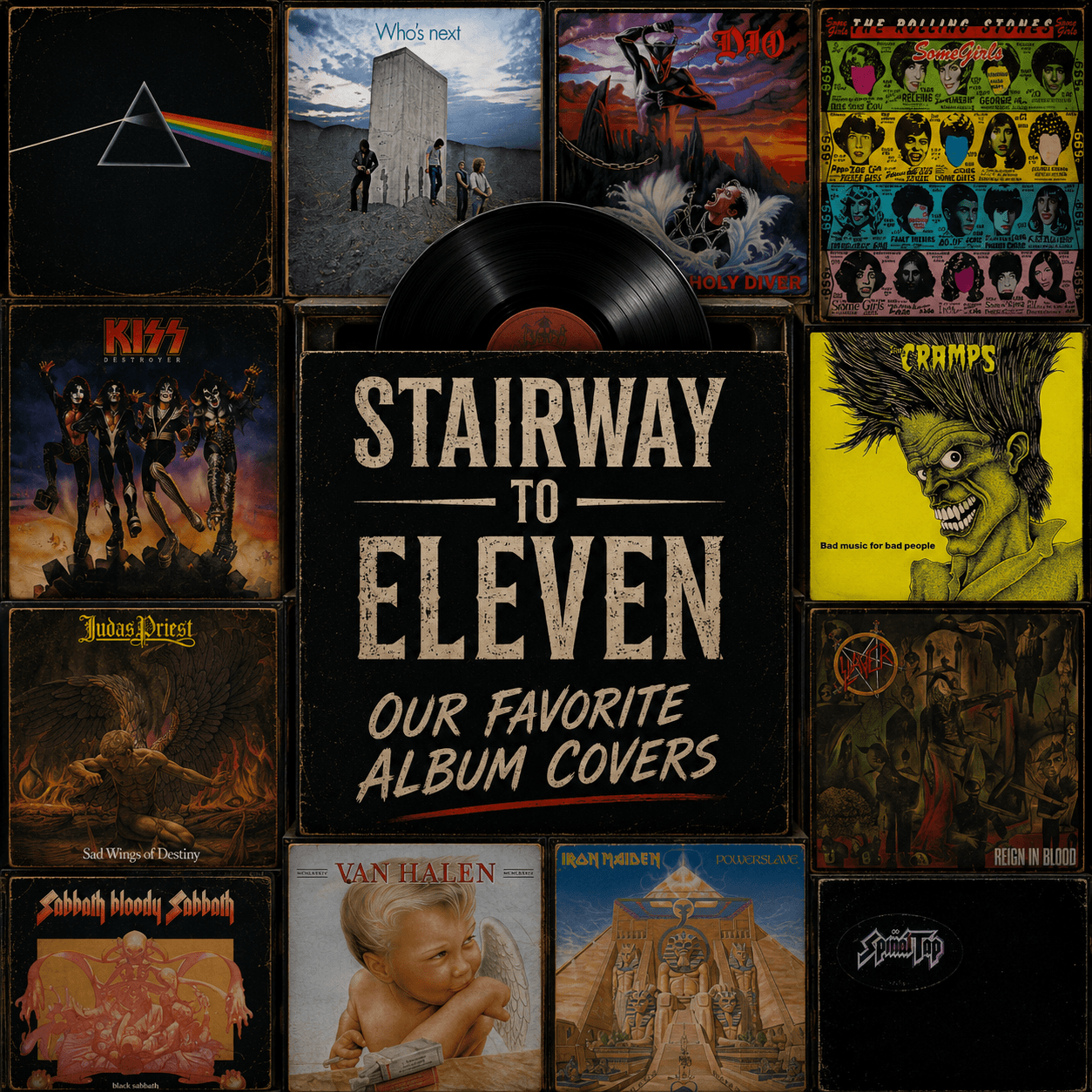 ▶E33
Our Favorite Album Covers
May 28, 2026 · 3:09:47In this episode of Stairway to Eleven , George, John, TR, and Jay dive headfirst into the wild, brilliant, creepy, beautiful, and unforgettable world of album artwork as we discuss some of our favorite album covers of all time. Album covers matter. Sometimes they’re the reason you picked up a record in the first place. Sometimes they become as iconic as the music inside. Judge a book by its cover? This time, absolutely!